
NEWS
Campervan Travel vs Hotels: Which Way of Traveling Fits Your Lifestyle?
For many travelers, planning a trip still means coordinating flights, reserving hotels, and arranging transportation at the destination. While this approach works well for many vacations, it often comes with rising costs, fixed schedules, and multiple points of coordination that can make travel feel more complicated than expected.
As a result, more people are beginning to compare traditional hotel-based travel with alternatives that simplify the experience. One option gaining attention is campervan travel as a more flexible and cost-conscious way to travel, where transportation and lodging are combined into a single, manageable system.
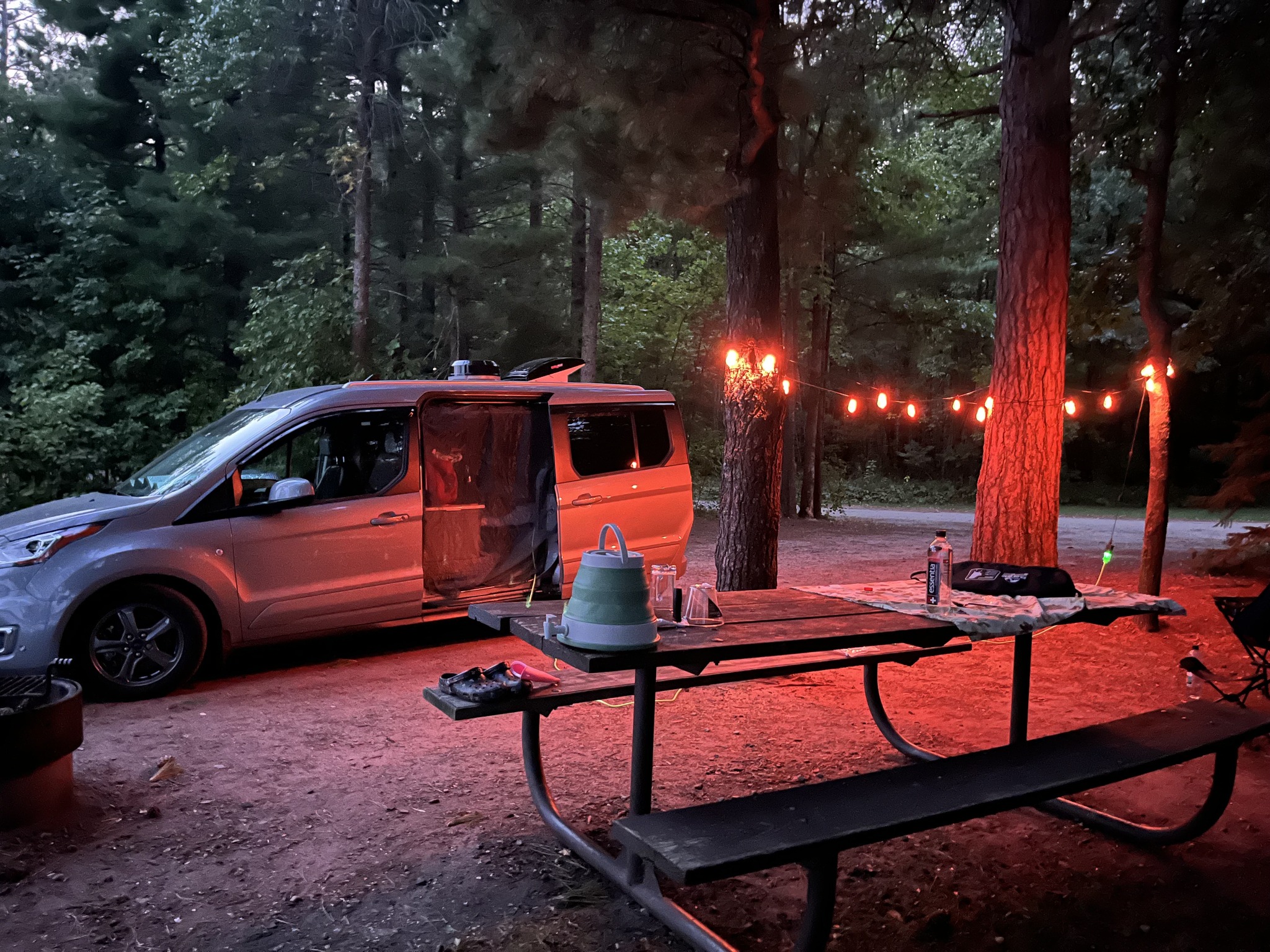
Air Travel and Coordination Challenges
Air travel remains efficient for long distances, but it requires careful coordination. Travelers must plan around departure times, arrive early for security, and account for delays, connections, and baggage handling. Even when everything runs smoothly, the process can feel structured and time-dependent.
Once at the destination, additional transportation such as rental cars, taxis, or rideshare services is often required, adding both cost and complexity to the overall trip.
Hotel Stays and Recurring Costs
Hotels provide convenience and consistency, but they are also one of the largest recurring travel expenses. Nightly rates, taxes, parking fees, and dining costs can add up quickly, particularly for longer stays.
In addition to cost, hotel stays are tied to check-in times, availability, and location. Travelers often structure their day around returning to a fixed place, which can limit flexibility during the trip.
A Different Approach: Travel and Stay in One Vehicle
Campervan travel offers a different model. By combining transportation and lodging into one vehicle, it reduces the need for multiple reservations and simplifies how trips are planned.
This approach supports traveling on your own schedule, where departure times, overnight stops, and daily plans can change without penalties or rebooking concerns.
Seeing More of the Journey
One of the often-overlooked differences between hotel travel and campervan travel is how each encourages you to experience a destination.
Hotel-based trips frequently revolve around a single location. Travelers arrive, stay for several nights, and explore the surrounding area before returning home.
Campervan travel often creates a different experience. A single trip might include multiple state parks, scenic byways, small towns, hiking trails, lakes, and attractions along the route. The journey itself becomes part of the vacation rather than simply the time spent between destinations.
For many travelers, some of the most memorable experiences happen unexpectedly—a scenic overlook discovered along a backroad, a local restaurant found while exploring a small town, or an extra night spent beside a lake simply because the setting was too beautiful to leave.
Comparing Costs Over Time
When comparing hotels to campervan travel, the difference often becomes more noticeable over time. Hotels charge per night regardless of how much the room is used, while campervan travel spreads costs across both transportation and lodging.
Campgrounds, public lands, and overnight stops are often more affordable than hotels, and the ability to prepare meals reduces reliance on restaurants. This is why many travelers begin exploring how campervan travel can reduce overall travel expenses, especially for longer or more frequent trips.
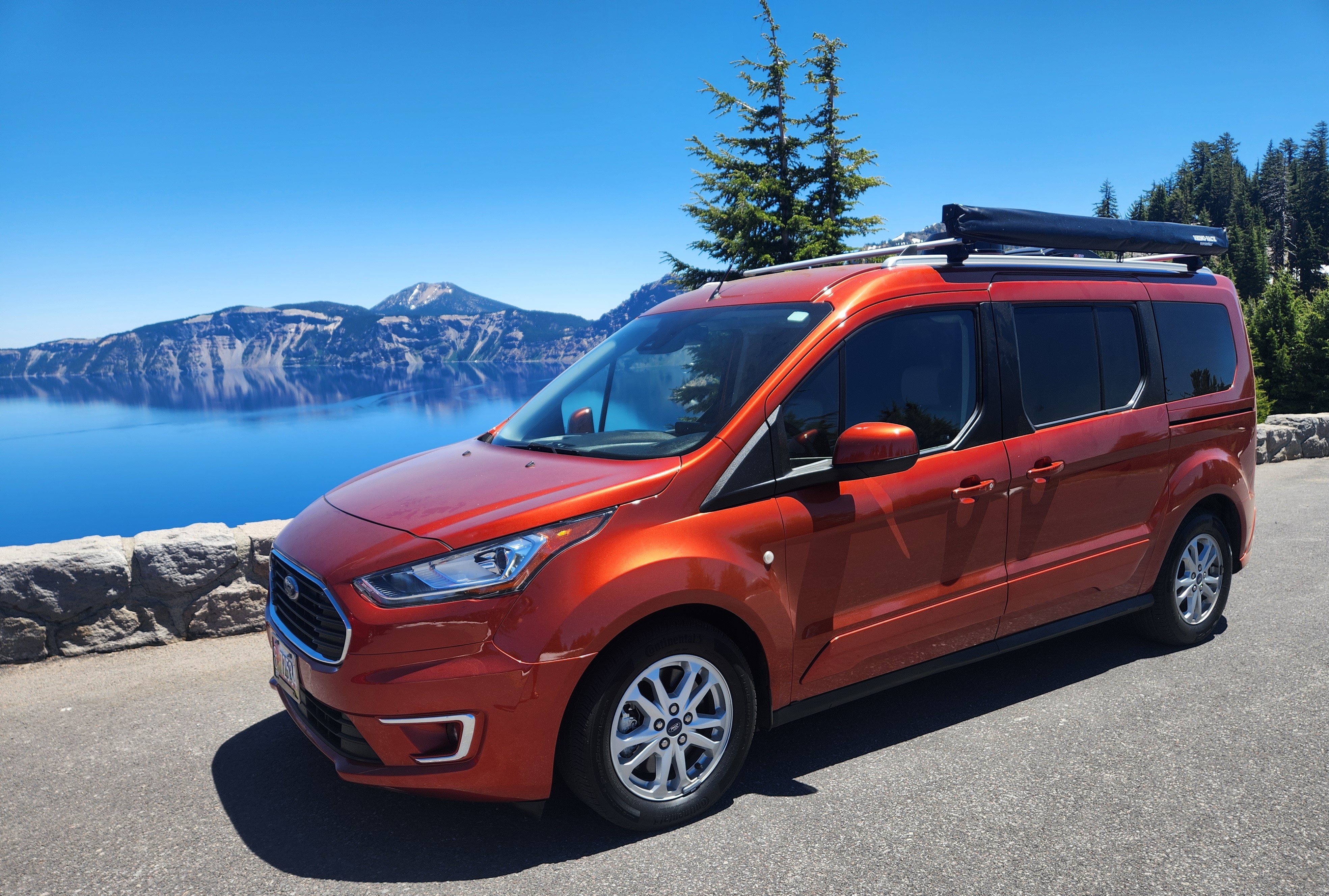
Flexibility and Travel Experience
One of the biggest differences between hotel-based travel and campervan travel is flexibility. Hotels require returning to a fixed location each night, while campervan travel allows you to stay where it makes sense based on your route and preferences.
This flexibility can lead to a more relaxed pace, fewer time constraints, and the ability to adjust plans without additional cost.
Food, Convenience, and Daily Comfort
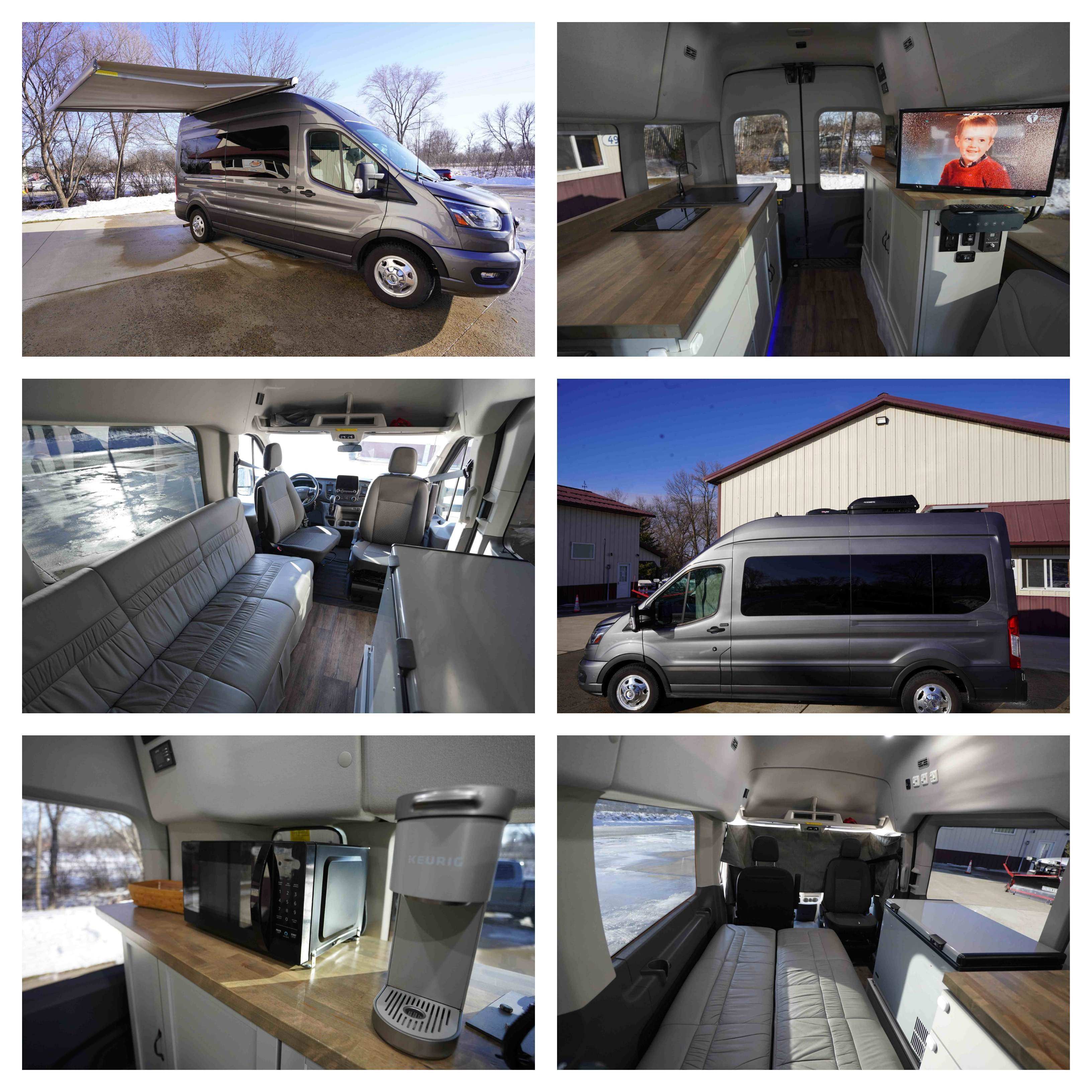
Hotel stays often require dining out or relying on limited in-room options. Campervans offer a more flexible approach, with onboard refrigeration and simple meal preparation available.
This allows travelers to choose when and where to eat, whether that is preparing a quick meal, stopping at a local market, or enjoying a restaurant along the way.
Reducing Complexity in Travel Planning
Traditional travel typically involves coordinating flights, lodging, transportation, and dining separately. Each step introduces potential delays, added costs, and scheduling constraints.
Campervan travel simplifies these elements by combining essential functions into one vehicle. For many travelers, this reduces planning time and makes it easier to take more trips throughout the year.
Which Travel Style Is Right for You?
Hotel travel and campervan travel each have their place. Hotels can be ideal for city visits, business travel, and destination-focused vacations. Campervans offer a different experience—one centered around flexibility, mobility, and the freedom to explore at your own pace.
For travelers who enjoy scenic drives, national parks, state parks, small towns, and discovering places beyond the typical tourist route, campervan travel offers an opportunity to spend less time coordinating logistics and more time enjoying the journey itself.
Ultimately, the best choice depends on how you prefer to travel. Some people enjoy having a fixed destination and a hotel room waiting for them each night. Others prefer the flexibility of changing plans along the way and letting the road help determine where the next stop will be.
Happy Travels!
DLM-Distribution / Campervans is a licensed manufacturer and dealer located in Lake Crystal, Minnesota, serving clients around the country.
Contact Dave: 651-285-7089 or Candy: 507-382-9446 today!