
NEWS
Affordable RV Ownership: Controlling Costs Through Practical Choices
RV ownership opens the door to flexible travel and new experiences, but it can also introduce ongoing expenses that catch many owners by surprise. Purchase price is only one part of the equation. Fuel, storage, maintenance, insurance, and even day-to-day usability all influence the true cost of owning an RV. Making thoughtful choices early can significantly reduce long-term expenses and make RV ownership more sustainable.
Understanding how different RV types fit into everyday life is one of the most effective ways to control costs.
Choosing an RV That Works Beyond Vacation Travel
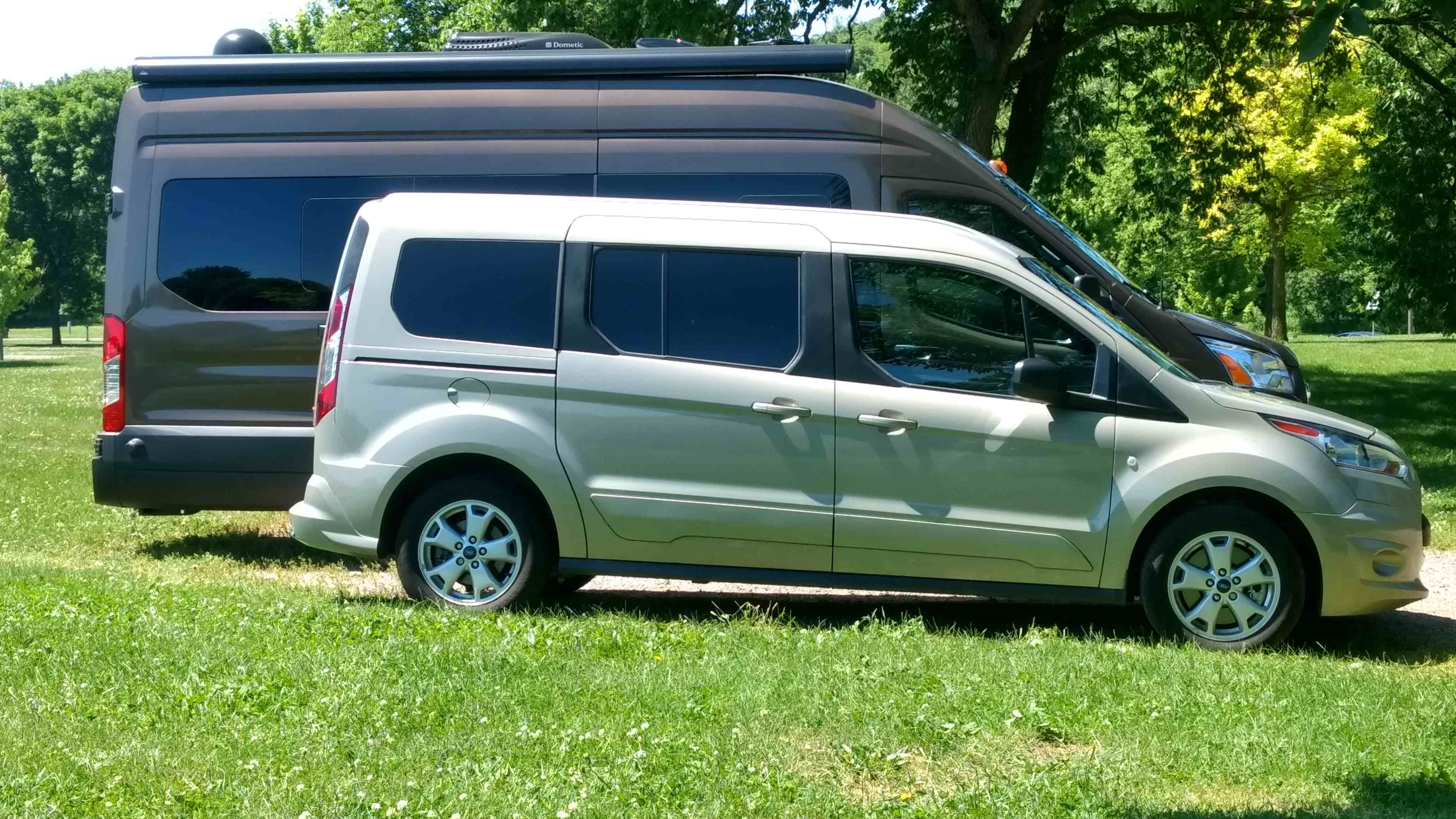
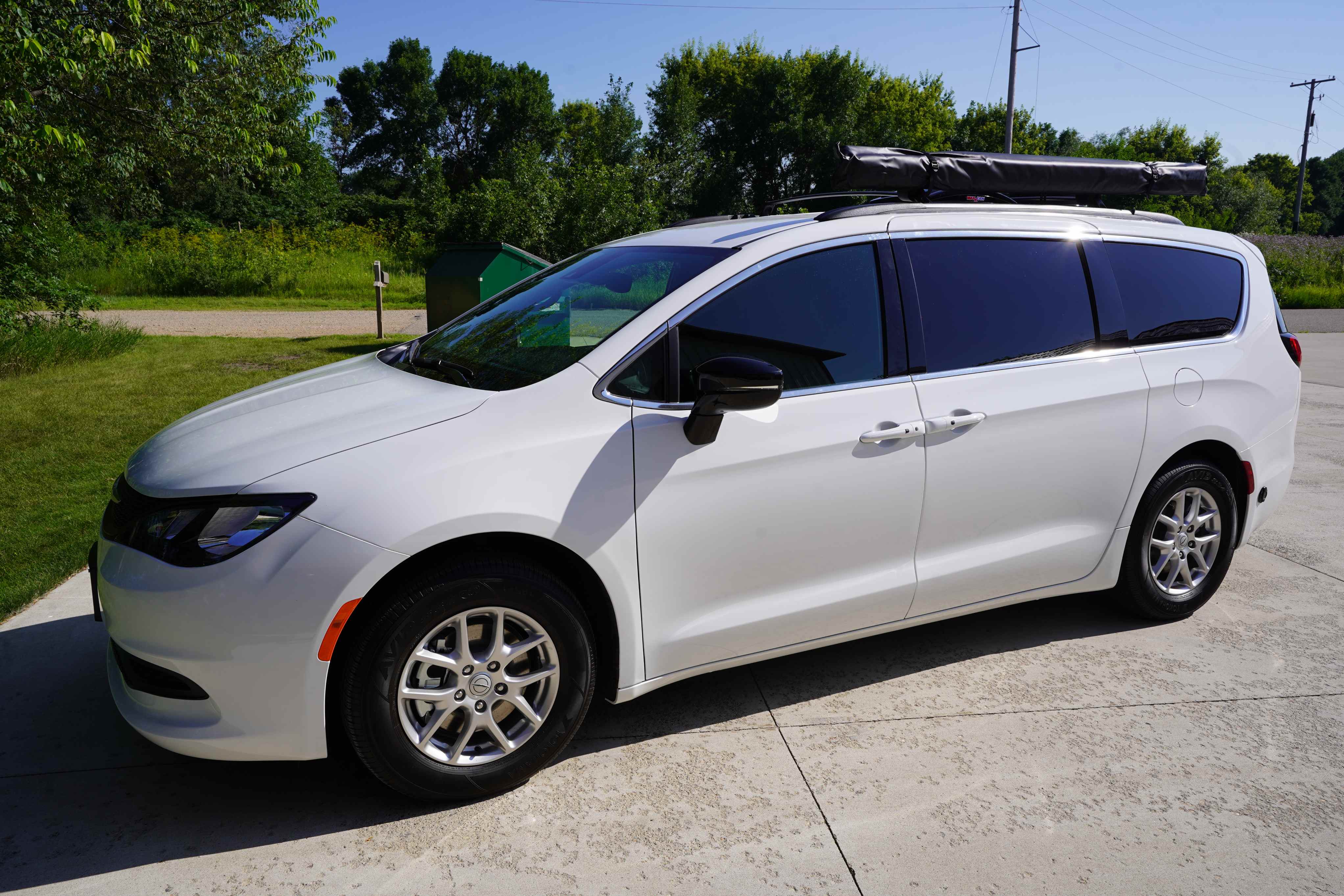
One of the biggest cost factors in RV ownership is whether the RV can realistically serve more than one purpose. Smaller RVs—such as Class B campervans—are often driven and parked like standard vehicles. Because of this, they can function as both a travel vehicle and a daily driver. This eliminates the need to maintain a second vehicle strictly for everyday transportation, reducing insurance, registration, and maintenance costs.
Larger Class A and many Class C motorhomes are designed primarily for travel and extended stays. While they offer more interior space, they are often impractical for daily use and may require a separate car for errands, commuting, or sightseeing. Towing or owning an additional vehicle increases overall ownership costs and adds complexity to travel.
Storage Costs Add Up Quickly
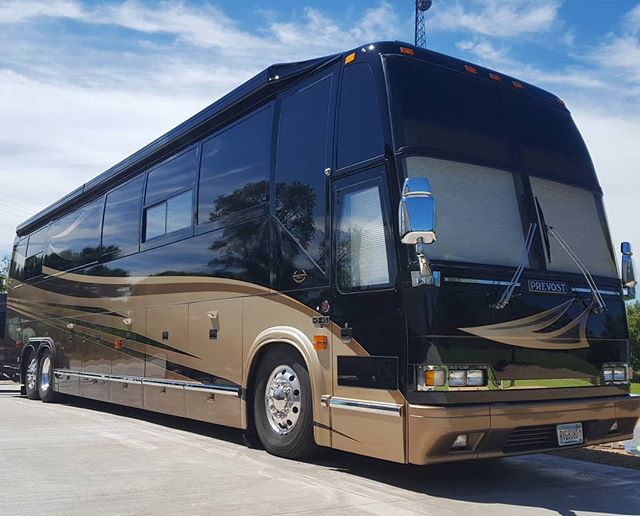
Storage is another often-overlooked expense. Many larger RVs cannot be stored at home due to height, length, or local restrictions. Off-site storage facilities can become a recurring monthly cost that continues even when the RV is not being used.
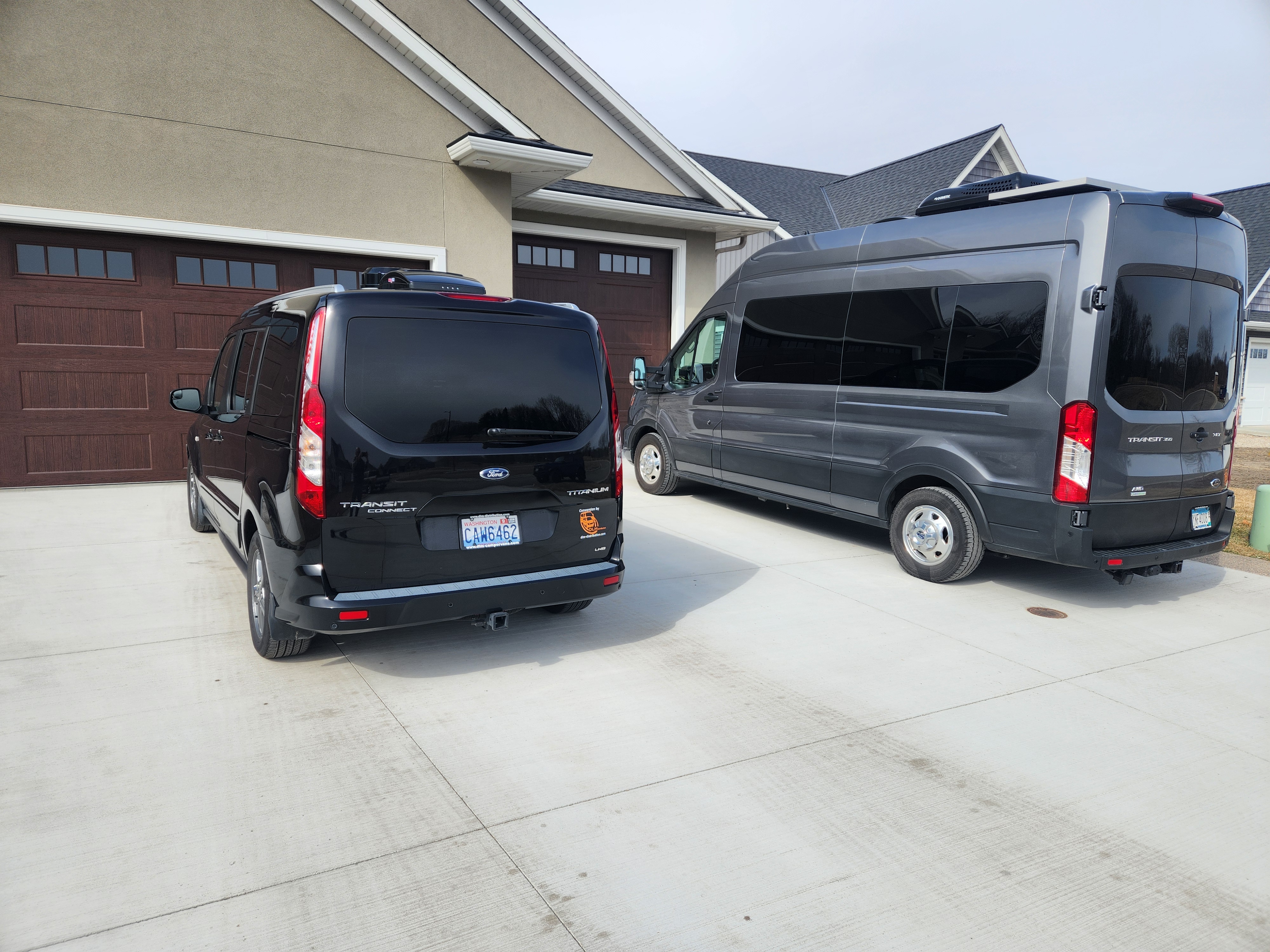
Smaller RVs and campervans that fit in a residential garage or driveway offer a clear financial advantage. Storing an RV at home not only saves money but also makes spontaneous travel easier and reduces exposure to weather-related wear.
Fuel Efficiency and Operating Costs
Fuel expenses vary widely depending on RV size and weight. Larger motorhomes typically consume more fuel, especially on long-distance trips or when driving through mountainous terrain. Smaller RVs, particularly Class B campervans, tend to offer better fuel economy due to their lighter weight and more aerodynamic design.
Over time, improved fuel efficiency can translate into thousands of dollars saved—especially for owners who travel frequently or take extended trips.
Maintenance and Long-Term Reliability
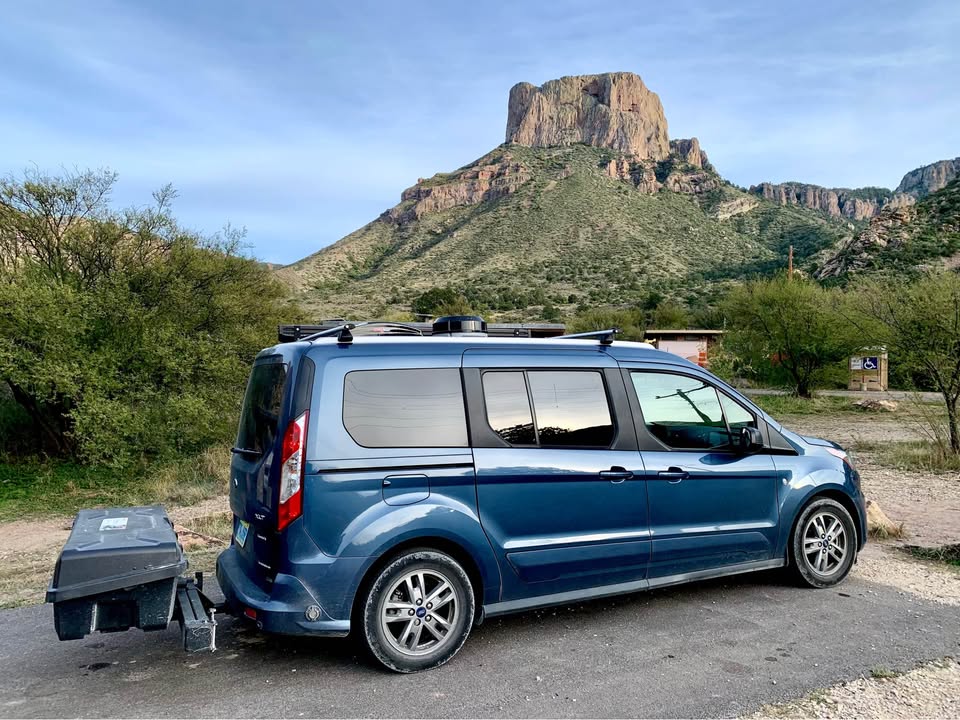
Maintenance costs are another key factor. Larger RVs often have more complex systems, higher parts costs, and limited service options, which can increase repair expenses and downtime. Smaller RVs built on common automotive platforms are generally easier to service, with parts and qualified technicians more widely available.
While newer RVs may come with a higher purchase price, they often benefit from improved efficiency, updated safety features, and reduced maintenance during the early years of ownership. Older RVs may cost less upfront but can require more frequent repairs and upgrades over time.
A Practical Approach to RV Ownership
Affordable RV ownership is less about finding the lowest purchase price and more about choosing a vehicle that fits realistically into your lifestyle. An RV that can be driven regularly, stored at home, and operated efficiently reduces many of the hidden costs that make ownership expensive.
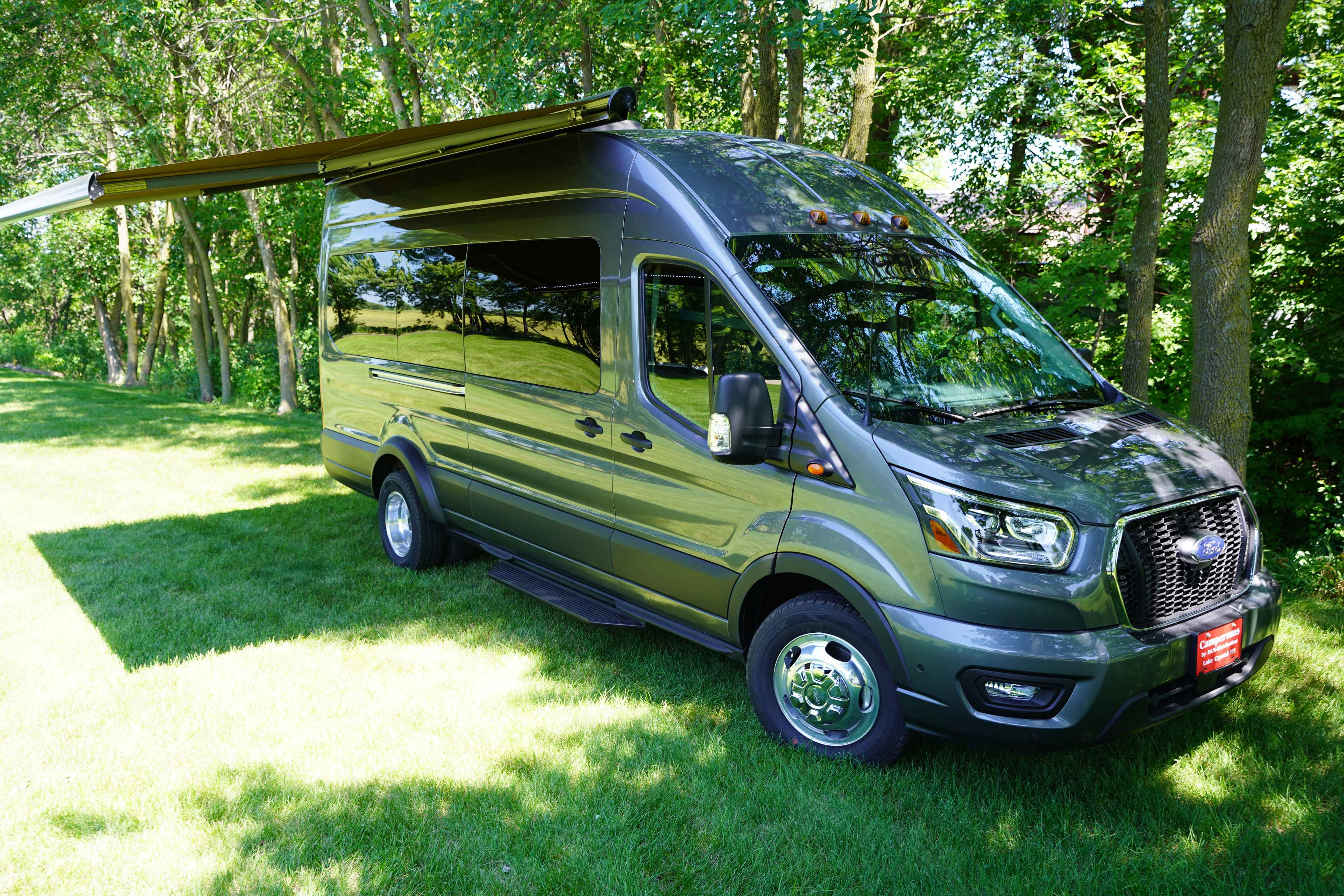
By prioritizing manageable size, fuel efficiency, storage convenience, and everyday usability, RV owners can enjoy the benefits of travel while keeping expenses under control. Thoughtful planning leads to more frequent use, fewer surprises, and a more rewarding ownership experience over the long term.
Happy Camping!

DLM-Distribution / Campervans is a licensed manufacturer and dealer located in Lake Crystal, Minnesota, serving clients around the country.
Contact Dave: 651-285-7089 or Candy: 507-382-9446 today!