
There is something fundamentally different about traveling alone. Without another person’s schedule to consider or a group itinerary determining the next stop, the pace of a trip becomes entirely your own. You can leave early, sleep late, follow a road simply because it looks interesting or stay another night because there is no compelling reason to move on.
For some travelers, that freedom leads to ambitious cross-country journeys and long stretches on the road. For others, solo travel may be nothing more complicated than leaving home on Friday afternoon, spending a weekend at a favorite state park and returning Sunday evening. The distance matters less than having the freedom to decide what happens in between.
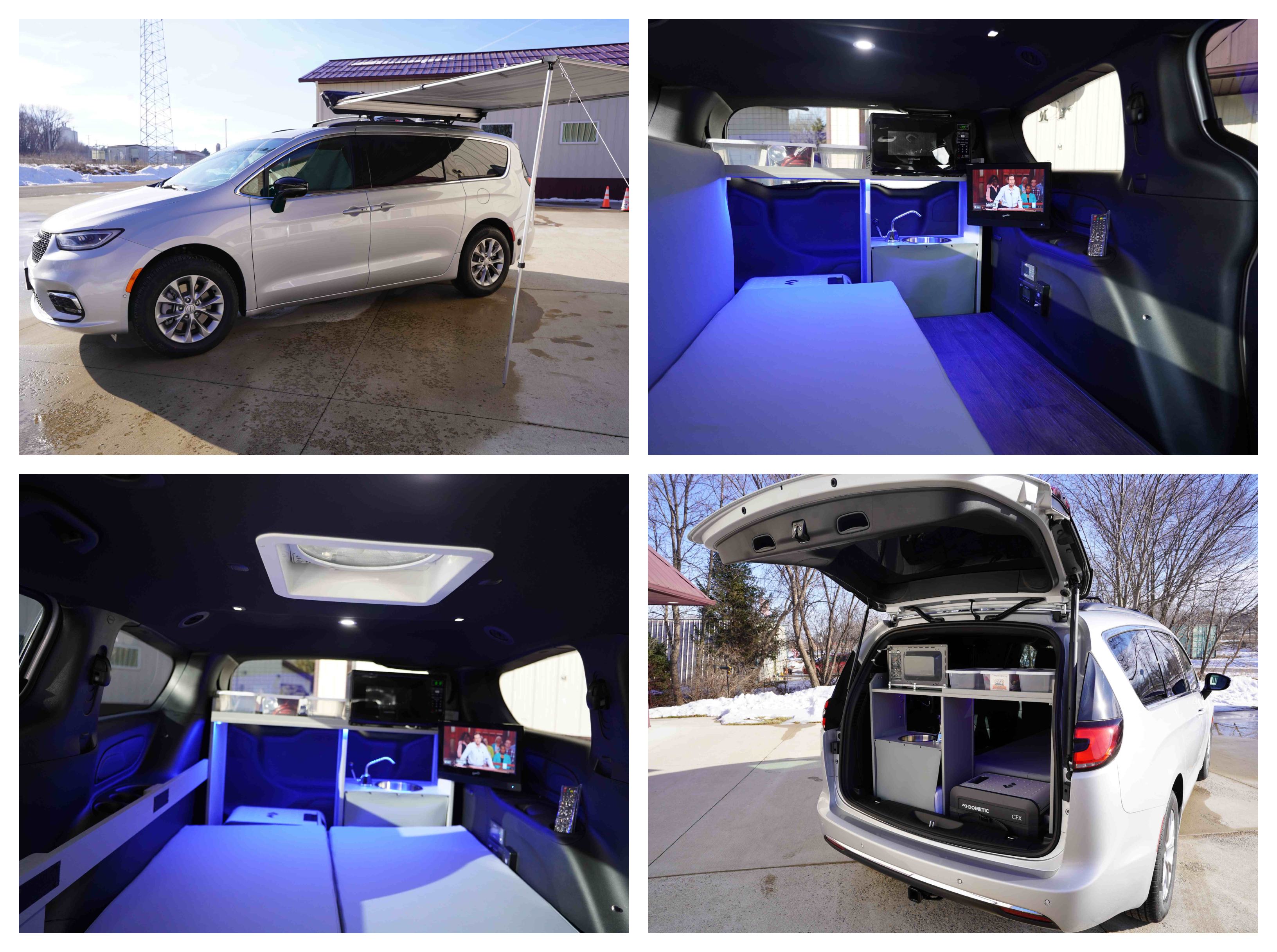
Campervans fit naturally into this style of travel because they can simplify many of the logistics surrounding a trip. Transportation, sleeping accommodations and camping equipment travel together, creating a mobile base that can move easily from one experience to the next.
Why Simplicity Matters When Traveling Alone
Traveling solo means every decision is yours, but it also means every travel task is yours. Driving, navigating, choosing campsites, organizing gear and adapting when plans change all fall to one person. That can make simplicity particularly valuable.
A smaller campervan eliminates some of the procedures associated with larger forms of RV travel. There is no trailer to hitch or unhitch, and arriving at a campsite does not have to involve an elaborate setup. A campervan under seven feet tall can also retain much of the parking and maneuverability people are accustomed to in everyday driving, depending on the particular vehicle and available clearance.
That ease can influence the trip itself. Pulling into a grocery store, visiting a museum, stopping at a trailhead or exploring a downtown area does not necessarily require planning around an oversized vehicle. The campervan can remain transportation during the day and become the campsite at night.
The Freedom to Change the Plan
Some of the best road-trip experiences begin with a change of plans. A road on the map turns out to be more scenic than expected. A ranger recommends a trail that was not on the itinerary. A campground is so peaceful that leaving the next morning suddenly seems unnecessary.
Solo travel makes those decisions remarkably easy. There is no group consensus to reach and no need to negotiate competing priorities. If the weather is better somewhere else, the route can change. If an interesting town deserves another afternoon, the schedule can accommodate it.
A campervan adds another layer of flexibility because accommodations remain with the traveler. Instead of every change requiring a new hotel reservation or a return to a fixed base, the journey can develop more organically. That does not eliminate the value of planning—campground availability, weather, road conditions and local regulations still matter—but it leaves considerably more room between the plans.

Solitude Is Different From Isolation
One of the misconceptions surrounding solo travel is that traveling alone must mean being lonely. For many people, the experience is quite different. Solitude can be something deliberately sought rather than something endured.
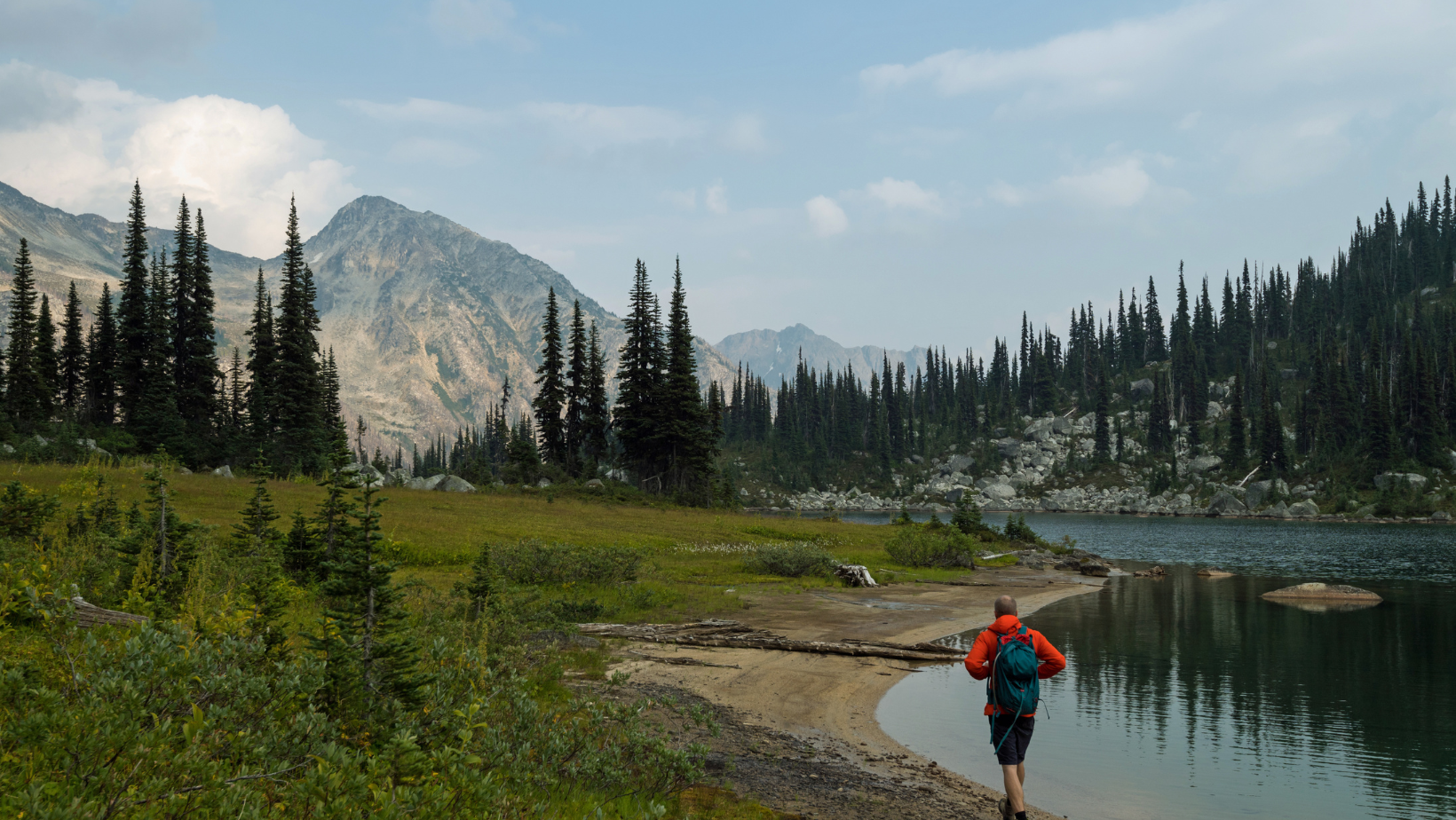
A quiet morning beside a lake, several hours hiking without conversation or an evening spent reading at a campsite can provide a kind of uninterrupted time that is increasingly difficult to find in ordinary life. Without the constant pace of appointments, work and other obligations, attention begins to shift toward smaller things: weather moving across the horizon, wildlife along a trail, the sound of water or simply how different a familiar landscape looks at sunrise.
At the same time, traveling solo does not require avoiding people. Campgrounds, visitor centers, trailheads, restaurants and community events naturally create opportunities for conversation. Friends can meet somewhere along the route, and part of a trip can be spent with others before the traveler continues alone. Solo travel simply leaves the traveler in control of that balance.

The Moments Between the Destinations
Travel planning tends to revolve around destinations. We mark national parks, campgrounds, scenic drives and attractions on maps because those are the places we intend to see. Yet the memories that remain after a trip are often much smaller.
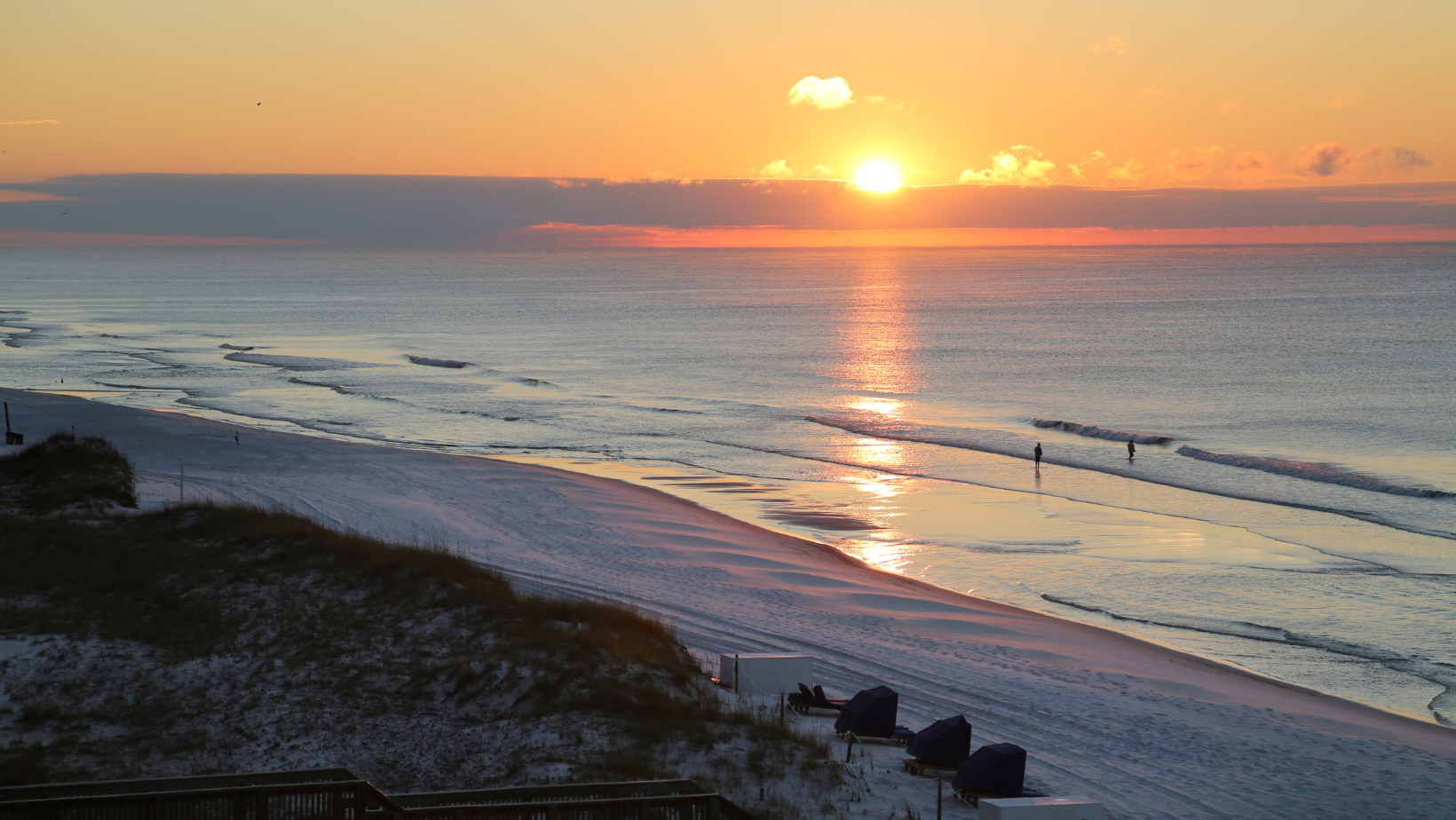
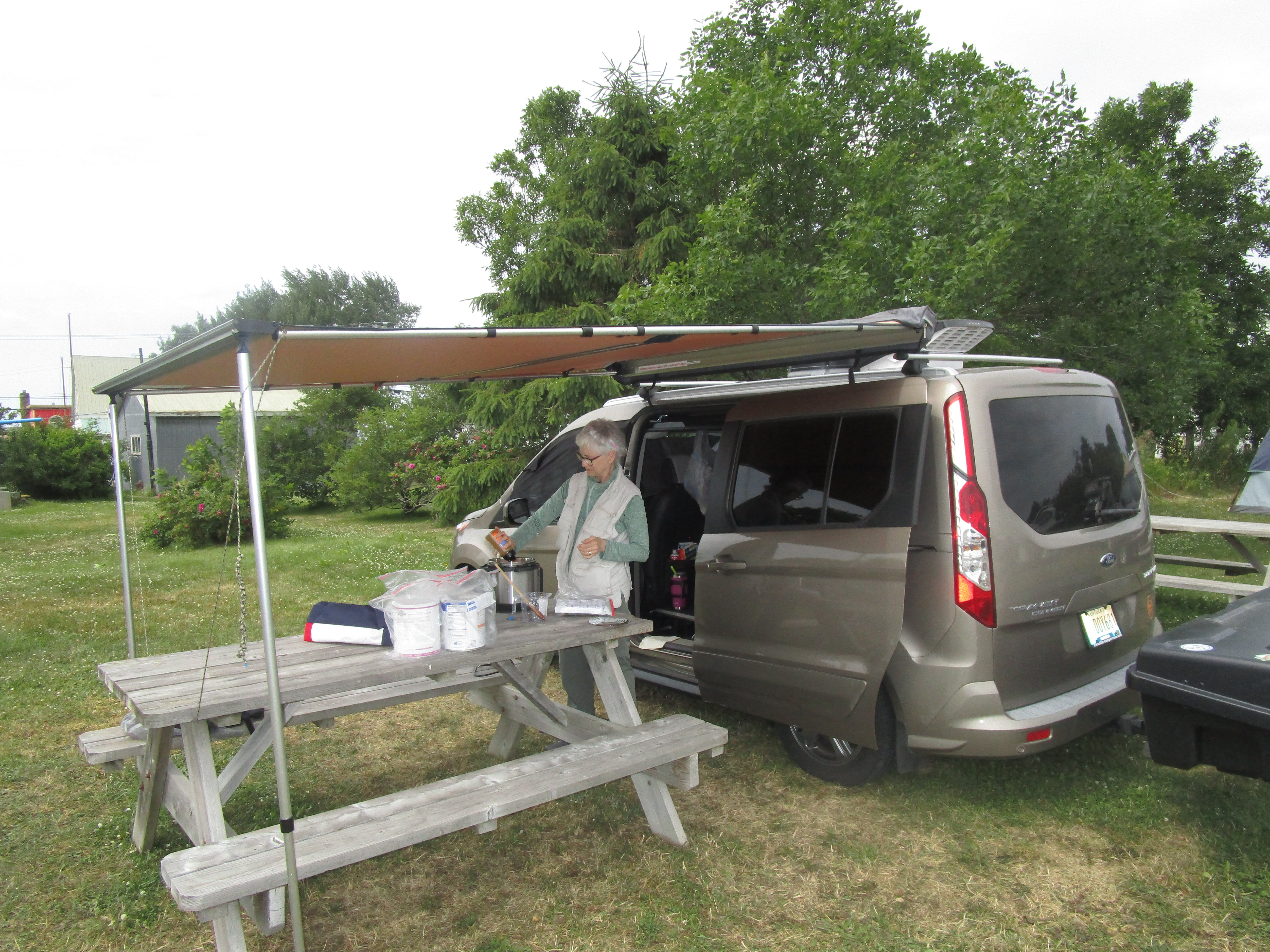
It might be making coffee while the campground is still quiet, watching the sun rise through an open campervan door or discovering a roadside overlook that was never mentioned in the travel guide. It might be cooking dinner outside after a long hike or realizing that a campsite chosen almost randomly has become one of the favorite stops of the trip.
Campervan travel creates room for those moments because so much of daily life happens close to the places being explored. Morning does not begin in a hotel room miles away from the landscape. The campsite itself becomes part of the experience.
Confidence Comes From Doing
People sometimes imagine that confident solo travelers began that way. More often, confidence develops one trip at a time. The first overnight campground stay makes the second easier. Navigating an unfamiliar city successfully makes the next one seem less intimidating. Learning what equipment is actually useful gradually reduces what gets packed.
There will inevitably be small challenges. A campground may be full. Weather can change. A planned road may be closed or a destination may simply turn out to be less interesting than expected. Solving those problems becomes part of the experience, and each one provides knowledge that carries into the next trip.
This is another place where keeping the equipment manageable can help. When the RV itself is straightforward to drive, park and use, the traveler has fewer unfamiliar systems competing for attention. Instead of learning how to manage a large vehicle simply to begin traveling, more attention can remain on the journey.
Travel Does Not Have to Be Far Away
Solo adventure can easily become associated with dramatic images of distant national parks, mountain roads and months spent crossing the country. Those trips certainly have their appeal, but they are only one version of campervan travel.
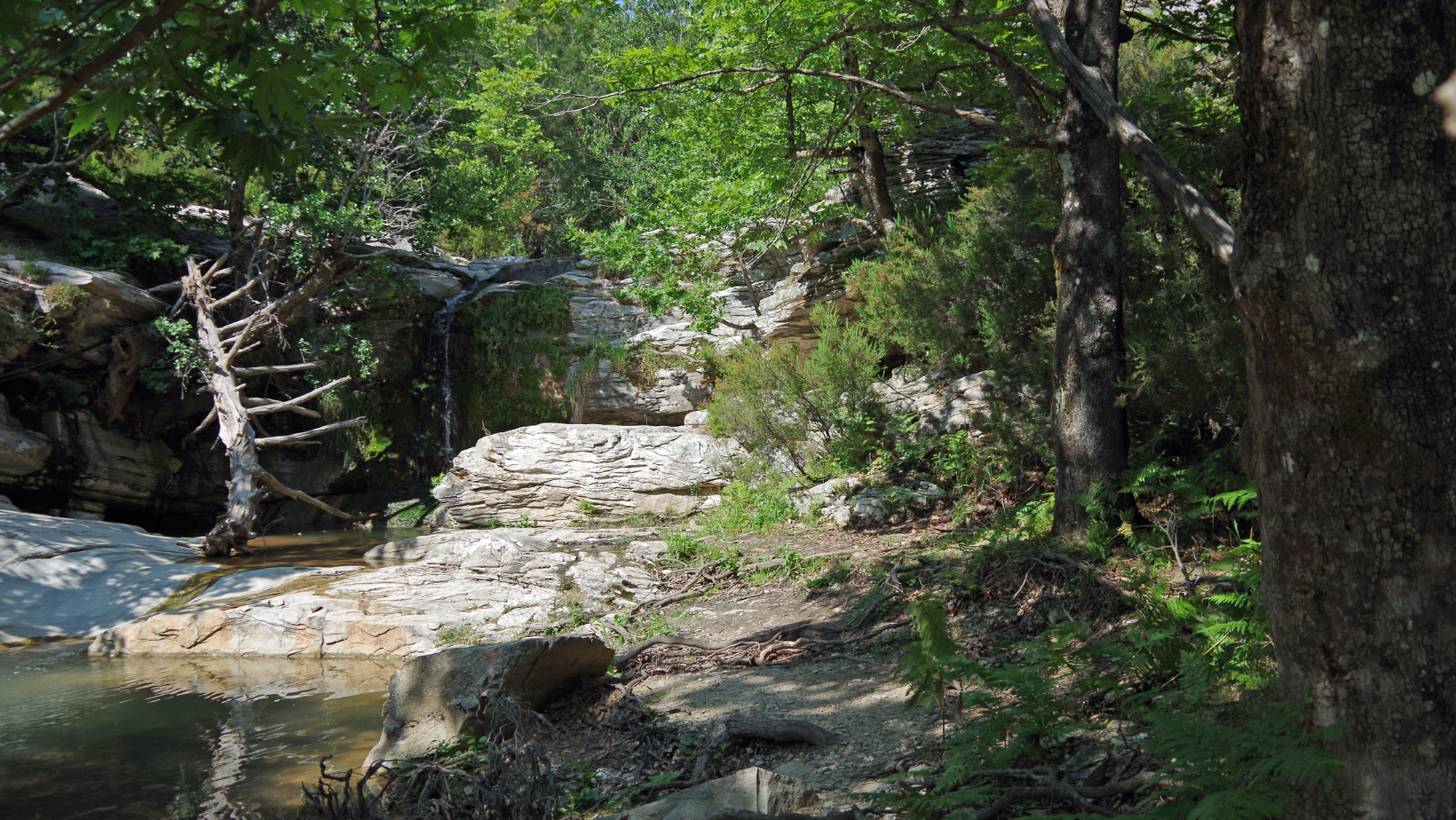
Some of the most useful trips may be much closer to home. A state park an hour away can provide a completely different weekend. A familiar region can look surprisingly new when explored by backroads rather than highways. An overnight stop can turn an ordinary day trip into something that feels like genuine travel.
This is where an RV that can also function comfortably in everyday life changes the equation. When preparing for a trip does not require retrieving a motorhome from storage, moving another vehicle or planning an elaborate departure, leaving becomes easier. And when leaving becomes easier, short trips begin to make more sense.
Where the Mini-T Fits Into Solo Travel
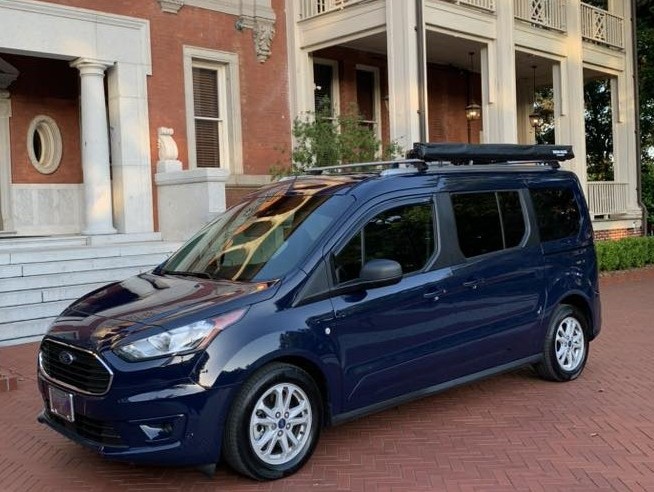
The Mini-T Campervan was designed around many of the characteristics that can make this kind of travel easier. Rather than separating the RV from everyday transportation, the Mini-T keeps the two roles together in a vehicle that can be used for ordinary driving as well as camping and longer road trips.
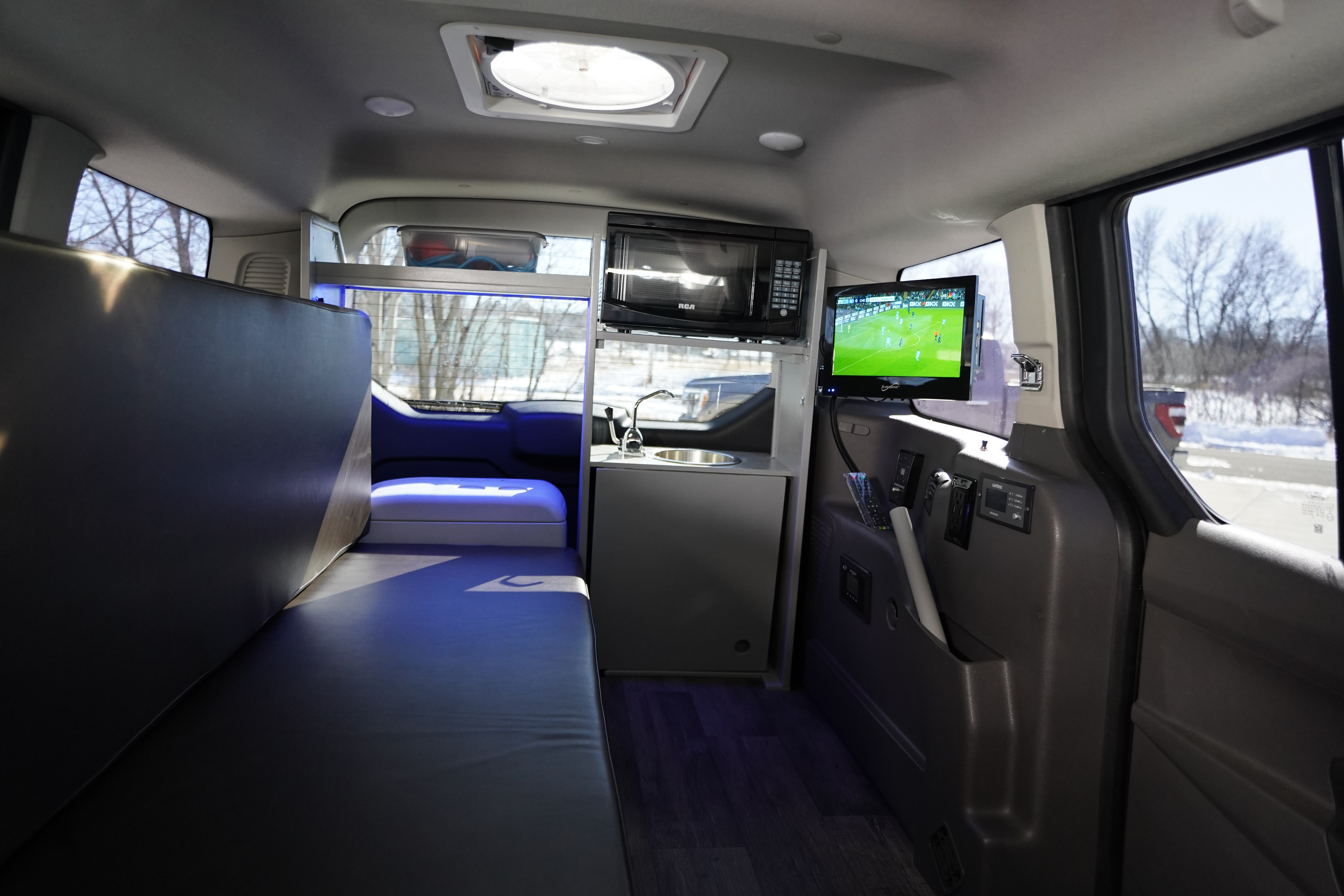
The Mini-T lineup includes different vehicle platforms, but the underlying philosophy remains similar: keep the campervan manageable while providing the equipment needed for comfortable travel. Sleeping accommodations, refrigeration, a microwave, onboard electrical power and off-grid capability travel with the vehicle, while its smaller footprint preserves much of the convenience that makes spontaneous travel practical.
For a solo traveler, that can mean arriving at a campsite without needing another person to help with setup, having food and personal gear readily accessible throughout the trip, and retaining the ability to move easily between campgrounds and the places being explored during the day.
Sometimes the Best Travel Is the Simplest
Solo campervan travel does not need to be about escaping everyday life or proving how far someone can travel alone. Its appeal can be considerably simpler than that. It provides an opportunity to spend time somewhere different while retaining complete control over the pace of the journey.
That might mean finally making the cross-country trip that has been sitting on a list for years. It might mean spending a week exploring a national park. Or it might mean looking at the weather on Thursday, deciding Saturday would be a good morning to wake up beside a lake and leaving home the next afternoon.
The campervan is simply what makes those possibilities easier to act upon. The real value is found outside it—on the trail, beside the water, along an unfamiliar road or around a quiet campsite when there is nowhere else you need to be.
Perhaps that is the freedom behind simpler adventures: not necessarily traveling farther, but having fewer obstacles between wanting to go somewhere and actually going.
Happy Camping!
View Current Mini-T Campervan Inventory

DLM-Distribution / Campervans is a licensed manufacturer and dealer located in Lake Crystal, Minnesota, serving clients around the country.
Contact Dave: 651-285-7089 or Candy: 507-382-9446 today!