
NEWS
Rethinking Travel: Driving vs Flying in Today’s World
Flying may seem like the fastest way to reach your destination—but is it really the most practical? Between long security lines, delayed flights, crowded terminals, and rising travel costs, air travel often trades convenience for frustration. More travelers are beginning to rethink how they move from place to place, choosing instead the flexibility and simplicity of the open road.
Whether you're heading to a seasonal destination, visiting national parks, or planning a long weekend getaway, traveling this way aligns with traveling on your own schedule and offers a level of comfort and control that simply isn’t possible when flying.
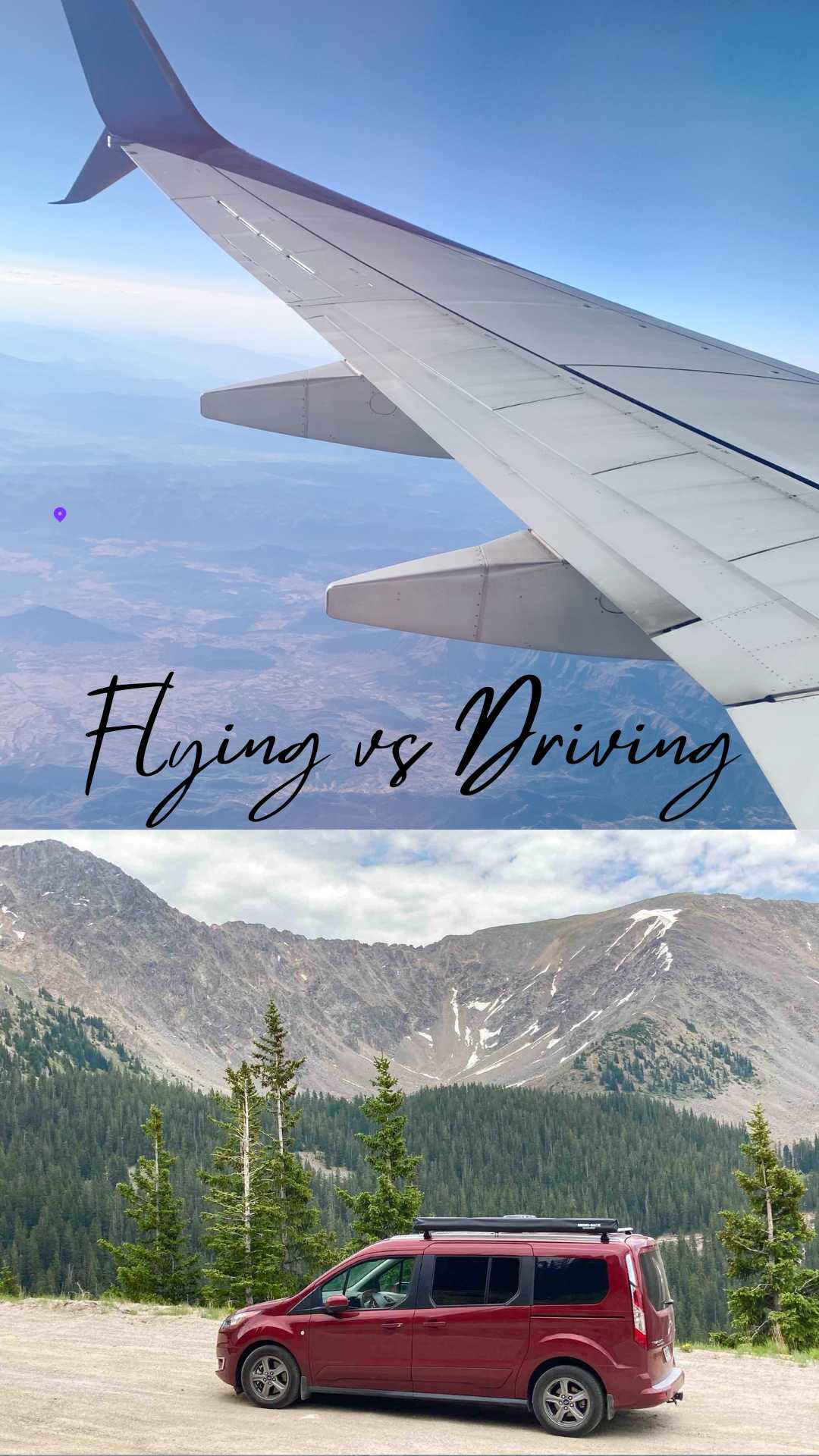
Skip the Airport Routine
The journey to the airport is often the most exhausting part—traffic, parking ramps, shuttle buses, long check-in lines, and crowded gates. Once onboard, you're committed to a rigid schedule with little flexibility.
By contrast, road travel begins the moment you leave your driveway. There are no lines, no delays, and no missed connections—just the freedom to move at your own pace, take detours, and stop when something interesting appears along the way.
Understanding the True Cost of Travel
Airfare may look affordable at first glance, but additional costs quickly add up—baggage fees, seat upgrades, airport transfers, hotels, and rental cars. Over the course of a trip, these expenses can significantly exceed expectations.
Traveling by road simplifies the equation:
- Efficient Fuel Use: Smaller, fuel-efficient vehicles help keep travel costs predictable.
- No Baggage Fees: Bring what you need without restrictions or added charges.
- Flexible Overnight Options: Campgrounds, rest areas, and scenic stops reduce or eliminate hotel costs.
This approach reflects a growing shift toward smaller campervans for travel and daily use, where efficiency and practicality are prioritized without sacrificing comfort.
Convenience That Stays With You
- Pack Once, Stay Organized: No repeated unpacking between destinations.
- Flexible Departure Times: Leave when it works for you—not when a boarding pass dictates.
Driving vs Flying: Which Makes More Sense for Your Next Trip?
When planning a trip, one of the first decisions travelers face is how to get there. For some destinations, flying may be the fastest option. For others, especially regional trips, national park vacations, scenic road trips, or multi-stop journeys, driving can offer advantages that go far beyond simple travel time.
In recent years, many travelers have begun taking a closer look at the overall travel experience rather than focusing solely on how quickly they can reach a destination. Factors such as flexibility, convenience, comfort, cost, and the ability to explore along the way are increasingly influencing how people choose to travel.
Whether you're planning a weekend getaway, a visit to family, a national park adventure, or an extended road trip, understanding the differences between driving and flying can help you determine which option makes the most sense for your next journey.
Looking Beyond Travel Time
Flying is often viewed as the fastest way to travel. In many cases, that assumption is correct. However, the total travel experience begins long before the airplane leaves the runway.
Driving to the airport, arriving early for security screening, waiting at the gate, boarding, potential delays, baggage claim, rental car pickup, and transportation to the final destination all add time to the overall journey.
For many regional trips and multi-destination vacations, the difference between flying and driving may be smaller than travelers initially expect.
While flying may reduce the time spent in transit, driving can often provide greater flexibility once the trip begins.
The Freedom to Travel on Your Own Schedule
One of the biggest advantages of road travel is flexibility.
Unlike airline schedules, road trips allow travelers to leave when they choose, stop when they want, and adjust plans along the way. A scenic overlook, interesting small town, state park, or local restaurant can become part of the experience without disrupting an itinerary.
For many travelers, this freedom aligns with traveling on your own schedule, allowing the journey itself to become part of the vacation rather than simply a means of reaching a destination.
Many experienced travelers eventually discover that some of their favorite memories come from places they never planned to visit.
Understanding the True Cost of Travel
Comparing airfare and fuel costs alone rarely tells the full story.
Air travel often includes additional expenses such as baggage fees, airport parking, rideshare services, rental cars, hotel stays between connections, and food purchased during travel.
Road travel typically simplifies the equation by placing transportation, luggage, and travel essentials in a single vehicle.
Additional advantages may include:
• Predictable Travel Costs – Fuel expenses are often easier to estimate and control.
• No Baggage Restrictions – Travelers can bring what they need without worrying about luggage fees or weight limits.
• Flexible Overnight Options – Campgrounds, scenic destinations, and overnight stops can reduce lodging costs while adding flexibility to the trip.
This practical approach is one reason many travelers are exploring smaller campervans for travel and daily use.
Convenience Beyond Transportation
Driving offers advantages that continue throughout the trip itself.
Instead of coordinating flights, rental vehicles, hotel transfers, and local transportation, travelers maintain access to their vehicle, supplies, and belongings throughout the journey.
Many road travelers appreciate:
• Packing Once – No repeated unpacking and repacking between destinations.
• Flexible Departure Times – Travel begins when you're ready, not when a boarding group is called.
• One Vehicle for Multiple Purposes – Transportation, storage, and travel support remain available throughout the trip.
For many people, this convenience aligns naturally with everyday driving and travel in one vehicle.
Experiencing More Along the Way
Flying takes travelers over the landscape. Driving allows them to experience it.
Road trips often create opportunities to discover places that would otherwise be missed entirely.
• Scenic Routes – Coastal highways, mountain roads, river valleys, and rural byways become part of the adventure.
• Small-Town America – Local restaurants, historic districts, museums, and community events can transform a simple trip into a richer experience.
• National and State Parks – Many of America's most memorable destinations are best explored by road.
• Unexpected Discoveries – Some of the best travel memories come from unplanned stops and spontaneous detours.
For travelers who enjoy exploration, road travel often provides experiences that simply cannot be replicated at 35,000 feet.
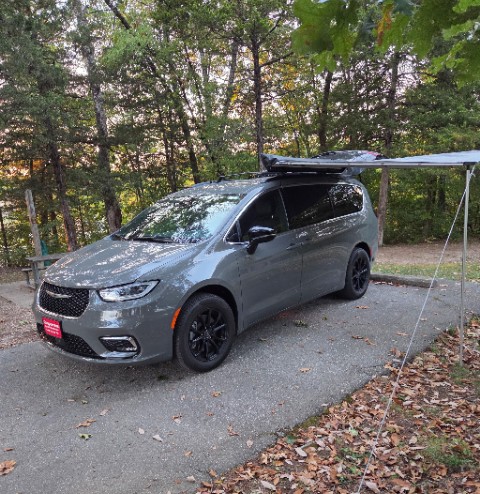
When Driving May Make More Sense
While every trip is different, driving is often particularly attractive for:
• National Park Vacations
• Multi-State Road Trips
• Family Visits
• Seasonal Travel and Snowbird Travel
• Scenic Touring Vacations
• Travelers Who Prefer Flexibility
For these types of trips, the ability to move freely and adjust plans often outweighs the speed advantage offered by air travel.
A Different Way to Think About Travel
Travel priorities often change over time.
For some travelers, reaching a destination as quickly as possible remains the highest priority. For others, flexibility, comfort, convenience, and the ability to experience more along the way become increasingly important.
This shift in perspective often aligns with simple, low-maintenance RV travel, where the focus is less on rigid schedules and more on enjoying the journey itself.
Compact campervans such as the Mini-T Campervan are one example of how travelers are combining transportation, comfort, and flexibility into a single travel solution.
Choosing the Right Travel Style for Your Trip
The best way to travel depends on the destination, the time available, and the type of experience you're seeking.
For some trips, flying will remain the obvious choice. For others, the freedom to travel on your own schedule, explore unexpected places, and enjoy the journey itself may make driving the better option.
The key is choosing the travel style that best supports the experience you want to have.
Sometimes getting there quickly matters most. Other times, the journey becomes one of the most rewarding parts of the trip.
Happy Camping!
View Current Campervan Inventory
DLM-Distribution / Campervans is a licensed manufacturer and dealer located in Lake Crystal, Minnesota, serving clients around the country.
Contact Dave: 651-285-7089 or Candy: 507-382-9446 today!