
NEWS
The United States is home to an extensive coastline that stretches across the Atlantic, Pacific, and Gulf of America. Along these shores, national seashores and coastal parks protect some of the country’s most scenic and ecologically important landscapes. From sandy beaches and barrier islands to rugged cliffs and coastal forests, these destinations offer a wide range of experiences shaped by both land and water.
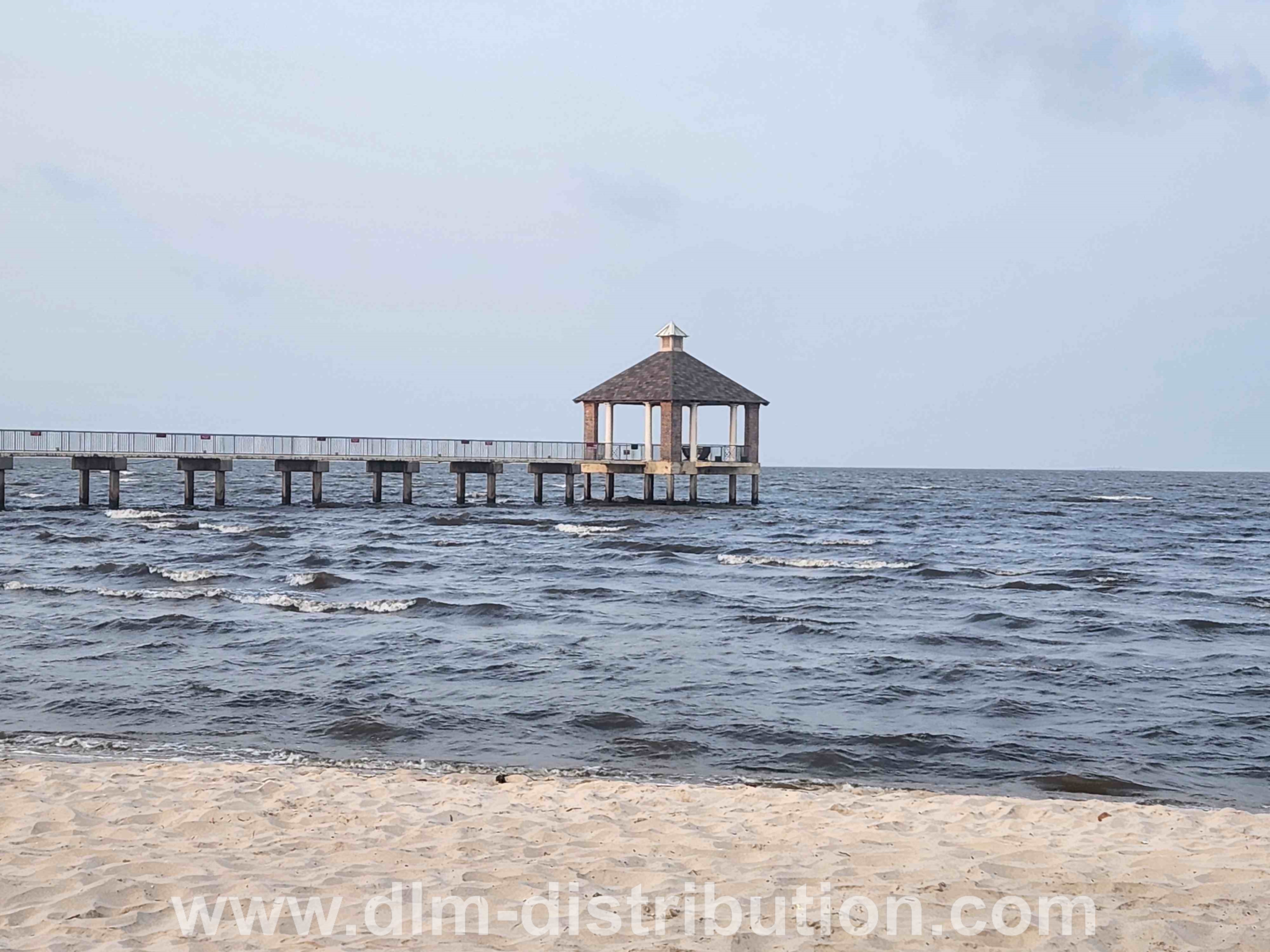
For travelers planning scenic road trips across the United States, coastal routes provide a natural framework for exploration. These drives often connect multiple parks, small towns, and historic sites, creating a journey that evolves with each stop.
What Defines a National Seashore
National seashores are protected areas managed by the National Park Service, designated to preserve coastal environments while allowing public access. These areas often include beaches, dunes, marshlands, and maritime forests, along with historic landmarks such as lighthouses and coastal forts.
Unlike more developed destinations, many seashores maintain a balance between access and preservation. This makes them ideal for those seeking a quieter experience, whether walking along the shoreline, observing wildlife, or simply taking in the rhythm of the ocean.
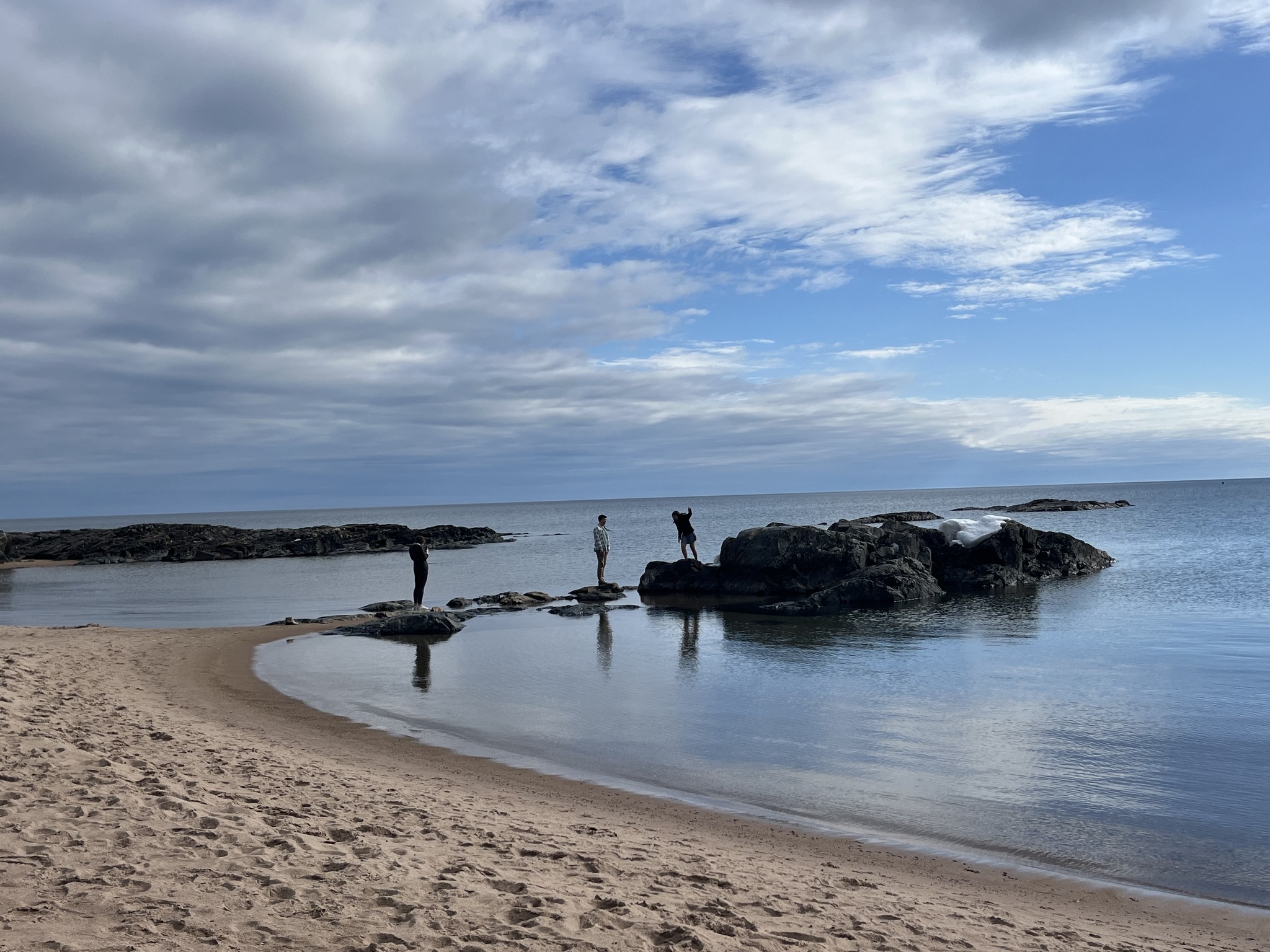
Atlantic Coast: History and Barrier Islands
The Atlantic coastline features a mix of historic sites and natural landscapes. Areas such as Cape Cod National Seashore in Massachusetts and Assateague Island along Maryland and Virginia highlight the region’s barrier islands, where shifting sands and tidal patterns shape the environment.
These locations often connect with broader itineraries that include national park travel planning resources, allowing travelers to combine coastal exploration with inland destinations.
Pacific Coast: Cliffs, Forests, and Open Ocean
On the West Coast, coastal parks take on a different character. Steep cliffs, rocky shorelines, and coastal forests define much of California, Oregon, and Washington. Locations like Point Reyes National Seashore and Olympic National Park offer a mix of ocean views and inland trails.
These areas are often experienced as part of longer drives, making them a natural fit for those interested in coastal road trips and scenic highway travel along the Pacific.
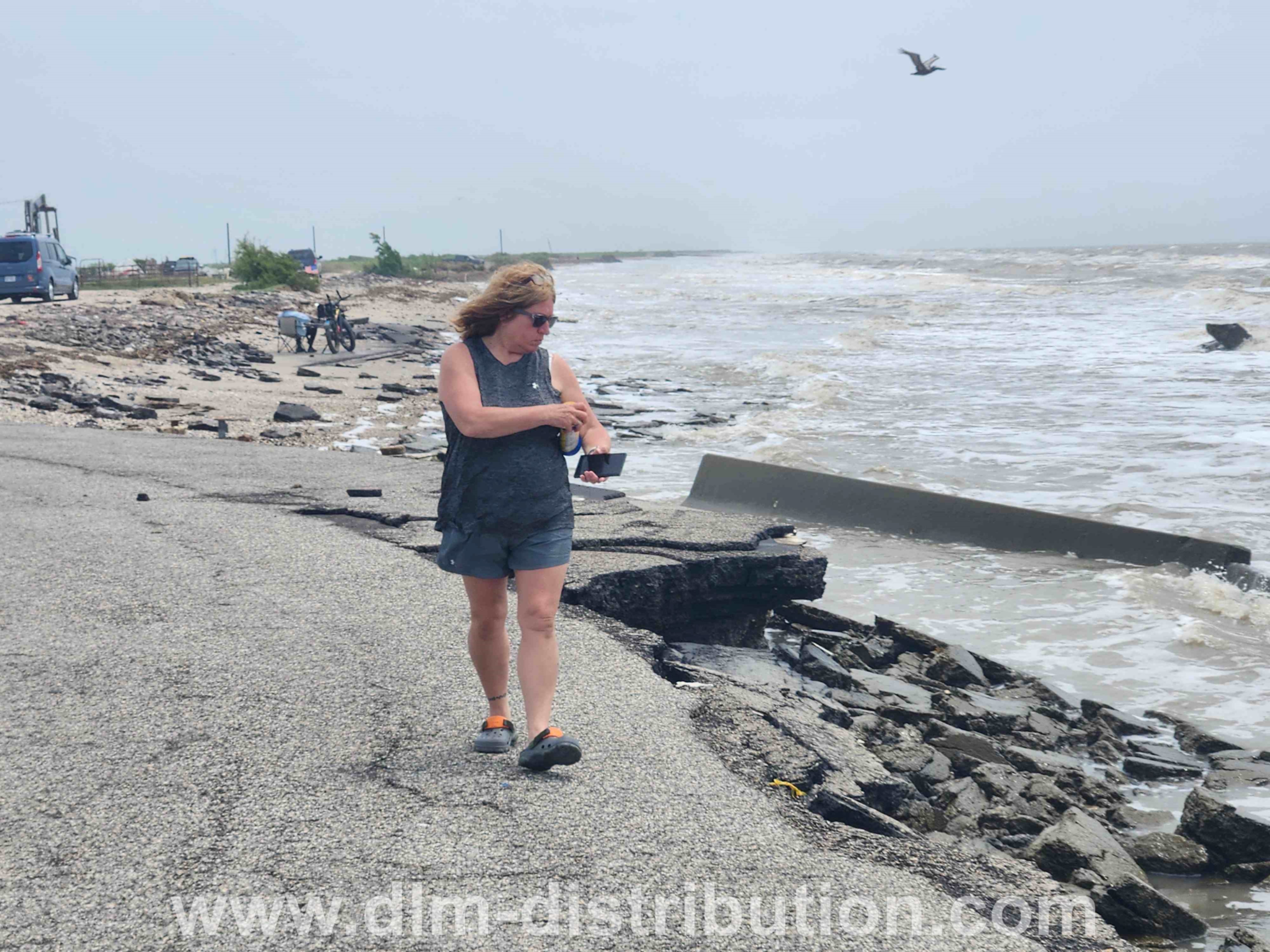
Gulf Coast: Warm Waters and Open Shorelines
Along the Gulf, coastal parks provide a more gradual landscape—wide beaches, warm waters, and coastal ecosystems shaped by tides and weather. Gulf Islands National Seashore, spanning parts of Florida and Mississippi, is one example where visitors can experience both natural beauty and historical military sites.
Camping Near Coastal Parks
Many national seashores and coastal parks offer nearby camping options, ranging from developed campgrounds to more primitive sites. Staying close to the shoreline allows for early morning walks, evening sunsets, and a deeper connection to the environment.
For travelers combining driving and camping, understanding RV campground planning, reservations, and available apps can help secure sites during peak travel seasons, especially in popular coastal regions.
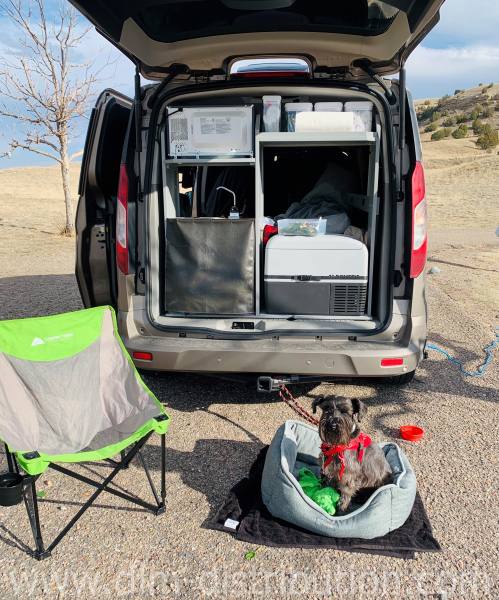
Smaller, more flexible travel setups are often well-suited for these environments, particularly in areas where campground space may be limited or access roads are narrower. This allows travelers to focus less on logistics and more on the experience itself.
Planning Stops Along the Coast
Coastal travel often includes longer stretches between destinations, making it important to plan stops along the way. Scenic pull-offs, small towns, and designated rest areas provide opportunities to pause and take in the surroundings.
Topics such as RV rest area overnight rules and guidelines can be useful when mapping routes, especially when traveling between more remote coastal sections.
Beyond the Shoreline
While beaches are often the main attraction, many coastal parks also offer hiking trails, wildlife viewing, and access to inland ecosystems. Marshlands, estuaries, and forests create diverse environments that extend beyond the shoreline.
Travelers who take time to explore these areas often discover unique places to visit across the United States that go beyond the typical coastal experience.
A Changing Landscape
Coastal environments are constantly evolving. Tides, weather, and seasonal changes all shape the landscape, making each visit slightly different from the last. This dynamic nature is part of what makes these destinations so compelling.
Whether visiting for a day or incorporating coastal parks into a longer route, these areas offer a perspective on the natural world that is both accessible and continually changing.
Continuing the Coastal Journey
National seashores and coastal parks provide a starting point for broader exploration. From the Atlantic to the Pacific and along the Gulf, these destinations connect landscapes, communities, and experiences across the country.
For many travelers, the shoreline is just the beginning—leading to inland routes, additional parks, and new opportunities to explore the diverse geography of the United States.
Happy Travels!

DLM-Distribution / Campervans is a licensed manufacturer and dealer located in Lake Crystal, Minnesota, serving clients around the country.
Contact Dave: 651-285-7089 or Candy: 507-382-9446 today!