
NEWS
When traveling long distances, one of the most common questions drivers ask is simple: where can you safely stop and rest overnight?
Hotels and campgrounds are reliable options, but they are not always necessary—especially when you are in transit and just need a few hours of sleep before continuing your trip.
Across the United States, highway rest areas offer a practical alternative. Many RV and campervan travelers use them regularly, but understanding how they work—and how to use them responsibly—is key.
Can You Legally Sleep at Rest Areas?
In many states, yes—you can sleep at rest areas. However, it is important to understand that these locations are intended for short-term rest, not overnight camping.
Most state Departments of Transportation allow drivers to stop and rest for a limited number of hours, primarily to prevent fatigue-related accidents. Time limits vary by state and may range from a few hours up to 8–12 hours.
Common expectations include arriving late, resting quietly, and continuing your trip without treating the space like a campground.
Because regulations vary, it is always a good idea to check state-specific guidelines before traveling, especially when crossing multiple states.
What Is Allowed (and Not Allowed)
Using a rest area properly comes down to understanding its purpose.
You are typically allowed to remain inside your vehicle, sleep, and use onboard systems. However, setting up camp outside your vehicle is generally not permitted.
This means no chairs, no awnings, no grills, and no extended outdoor activity. Staying self-contained is essential.
This style of travel works especially well for compact campervans that are designed to function without setup. Vehicles like those discussed in RVs for Everyday Use: Featuring the Mini-T Campervan Lineup highlight how simple, ready-to-use layouts support efficient travel.
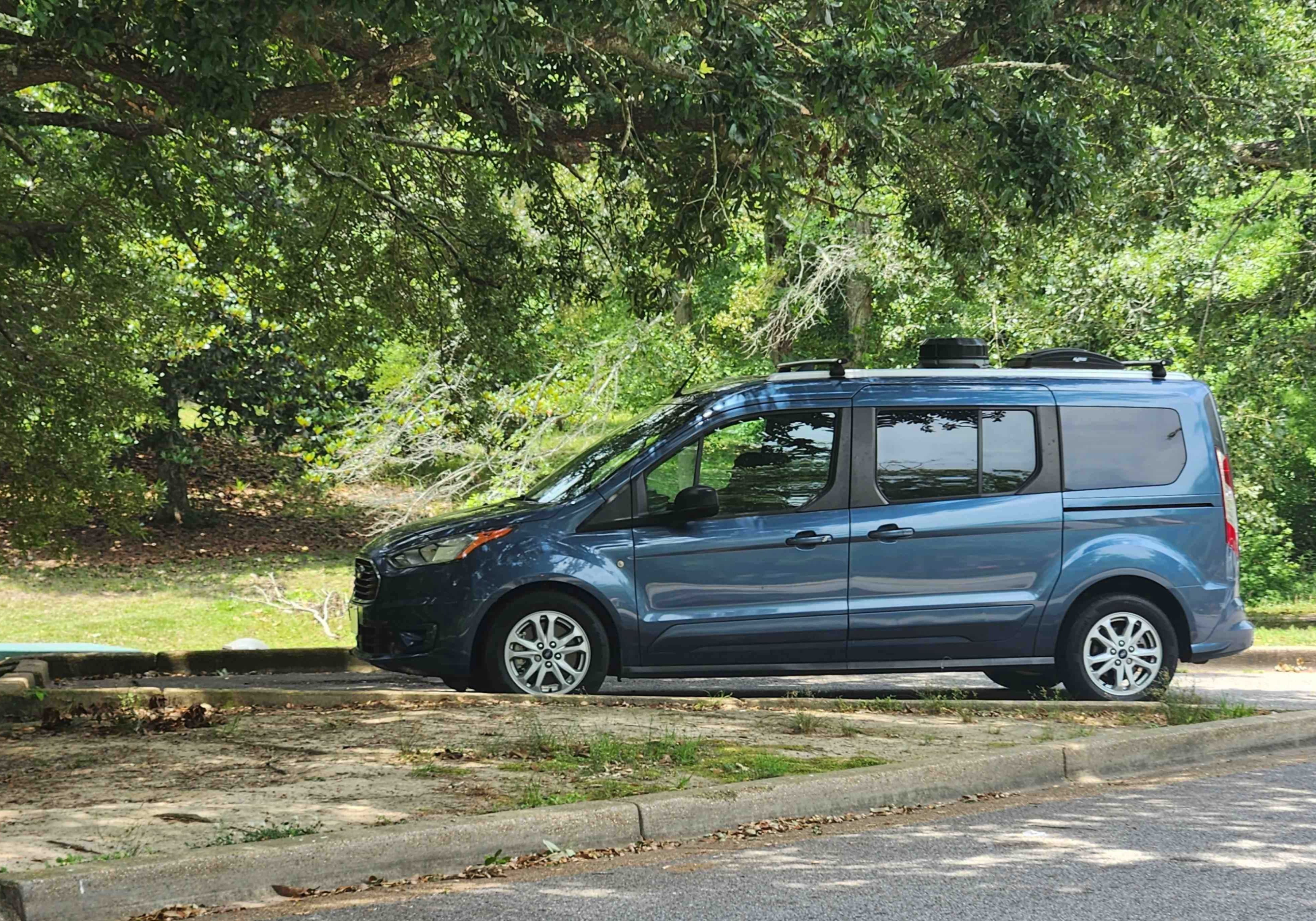
Are Rest Areas Safe for Overnight Stops?
In general, rest areas are designed with safety in mind. Many are well-lit, monitored, and regularly used by travelers and commercial truck drivers.
Truck drivers, in particular, rely on these locations to meet federally mandated rest requirements, which helps maintain a steady presence at most stops.
That said, basic awareness is still important. Choose well-lit areas, park near other vehicles when appropriate, and avoid isolated or poorly maintained locations. Trust your instincts—if something does not feel right, move on.
Respecting Truck Parking and Shared Space
Rest areas are a shared resource, and space can be limited—especially at night.
Commercial truck drivers depend on designated parking areas to comply with federal hours-of-service regulations. Taking those spaces when alternatives are available can create real challenges for them.
Whenever possible, park in areas designated for cars or RVs. Being mindful of how these spaces are used helps keep rest areas functional and accessible for everyone.
Alternative Overnight Parking Options
While rest areas are convenient, they are not the only option for overnight stops during travel.
Retail Parking Lots
Some large retailers may allow overnight parking, but policies vary widely by location and local ordinances. Always ask for permission before staying.
Truck Stops
Truck stops provide fuel, food, restrooms, and sometimes showers. Some locations offer designated parking for RVs, though space is often prioritized for commercial drivers.
Campgrounds and Public Lands
For longer or more comfortable stays, campgrounds offer a better experience. State parks, National Parks, National Forests, and public lands provide designated sites and access to outdoor recreation. For a broader look at where you can stay, Exploring National Parks in a Campervan highlights camping opportunities across the country.
Why Simplicity Matters When Traveling
When your goal is to rest and continue driving, simplicity becomes a major advantage.
Smaller, self-contained campervans are easier to maneuver, easier to park, and require no setup. You can pull in, rest, and leave without disruption.
This is one reason compact Class B options are gaining attention. Articles like Why Smaller, Garageable RVs Are Gaining Attention explore how practicality, efficiency, and ease of use are shaping how people travel today.
Using Rest Areas Responsibly
Rest areas serve an important purpose: helping drivers stay alert and safe on the road.
When used correctly, they provide a reliable place to pause, recover, and continue your journey. When misused, they risk becoming restricted or closed to overnight use.
By following posted rules, keeping a low profile, and respecting shared space, travelers help preserve access for everyone.
Final Thoughts
Yes, you can sleep at many rest areas in an RV or campervan—but only as a short-term stop during travel.
When used properly, rest areas offer a practical, cost-effective way to break up long drives without the need for hotels or full campgrounds.
For travelers using a campervan designed for both driving and overnight use, this flexibility becomes a natural part of the journey—simple, efficient, and easy to rely on.
Safe travels and enjoy the road ahead.

DLM-Distribution / Campervans is a licensed manufacturer and dealer located in Lake Crystal, Minnesota, serving clients around the country.
Contact Dave: 651-285-7089 or Candy: 507-382-9446 today!