
NEWS
Planning a road trip through America’s national parks offers a chance to experience some of the most diverse landscapes in the country. From mountain ranges and deserts to coastal shorelines and forests, these destinations are connected by scenic routes that make the journey just as rewarding as the destination.

Whether traveling for a few days or mapping out a longer route, many travelers find value in understanding national park travel planning resources and how different parks connect across regions. With thoughtful planning, it becomes easier to link multiple destinations into one continuous experience.
Understanding the Scope of the National Park System
The United States is home to one of the most extensive protected land systems in the world. Managed by the National Park Service, there are over 400 designated areas that include not only national parks, but also monuments, historic sites, recreation areas, and scenic rivers.
This variety allows travelers to explore beyond well-known destinations and discover places that align with their interests—whether that’s history, hiking, or simply enjoying time outdoors. Many travelers use tools like National and State Park Passport Programs to track visits and build a broader connection to these locations over time.

Connecting Parks Through Scenic Routes
One of the advantages of road-based travel is the ability to connect multiple parks through scenic highways and lesser-known routes. A single trip can include a mix of national parks, state parks, and smaller recreation areas, creating a more varied and flexible experience.
Many routes naturally expand beyond a single destination, leading travelers to explore regions they may not have originally planned. This is where ideas like scenic road trips across the United States become valuable, helping travelers discover connections between landscapes and regions.
Planning Stops and Overnight Options
Flexibility plays a key role in making road trips more enjoyable. Knowing where to stop—whether at campgrounds, public lands, or designated rest areas—helps reduce stress and allows for a more relaxed pace.
Understanding topics such as RV rest area overnight rules and guidelines can help travelers plan safe and convenient stops along the way. Combined with campground reservations during peak seasons, this creates a balance between structure and flexibility.
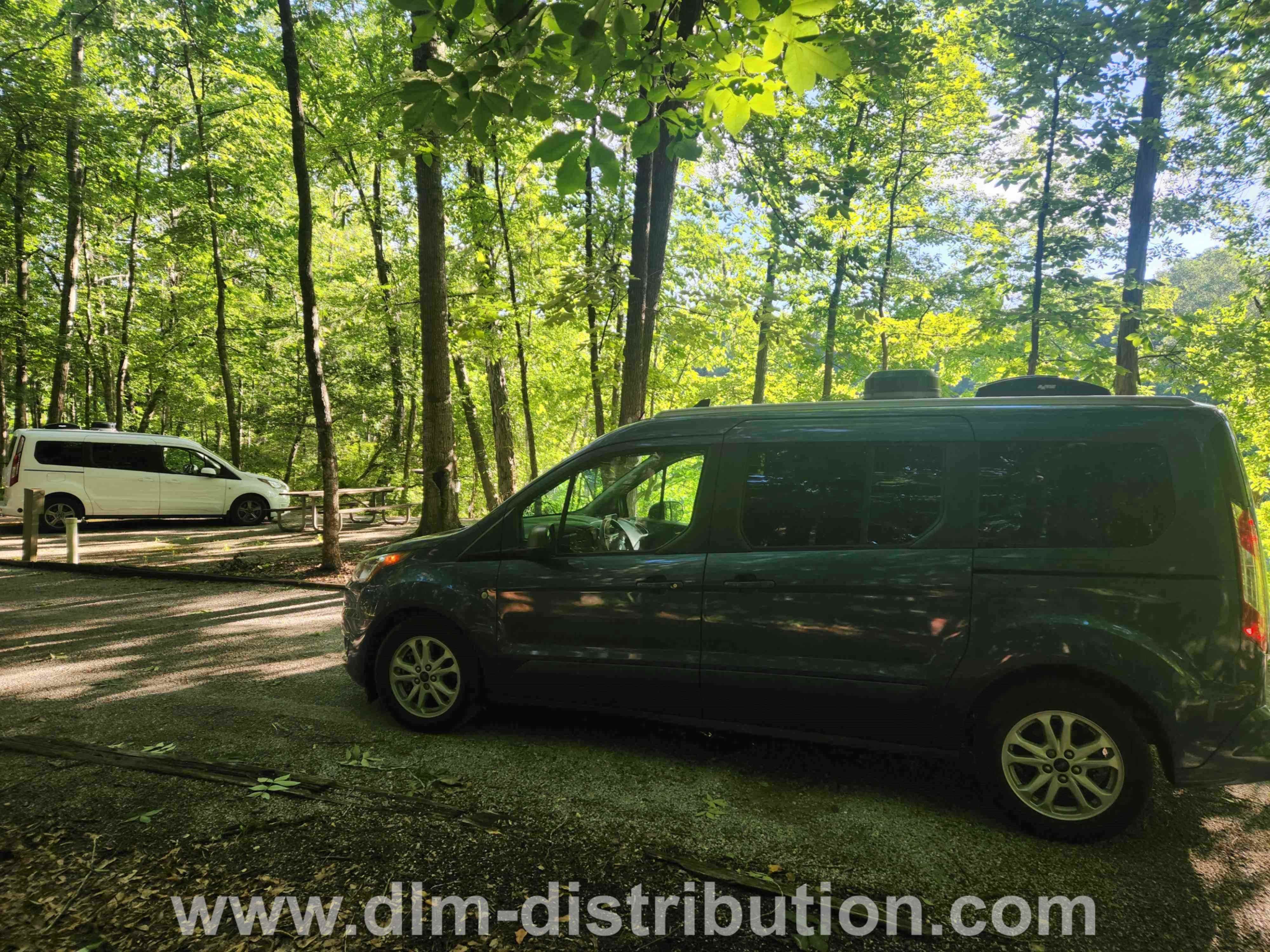
Exploring Beyond the Major Parks
While destinations like Yellowstone, Yosemite, and the Grand Canyon often draw the most attention, many lesser-known areas provide equally memorable experiences. National monuments, scenic rivers, and regional recreation areas often offer quieter environments and fewer crowds.
Travelers who take time to explore beyond major stops often discover unique places to visit across the United States that add depth and variety to their trips.
A Flexible Approach to Travel
Road trips through national parks are less about strict schedules and more about adapting to what you find along the way. Weather, seasonal changes, and unexpected stops often shape the experience just as much as the destinations themselves.
By combining preparation with flexibility, travelers can create routes that reflect their own interests—whether that includes hiking, sightseeing, or simply enjoying the changing scenery mile by mile.
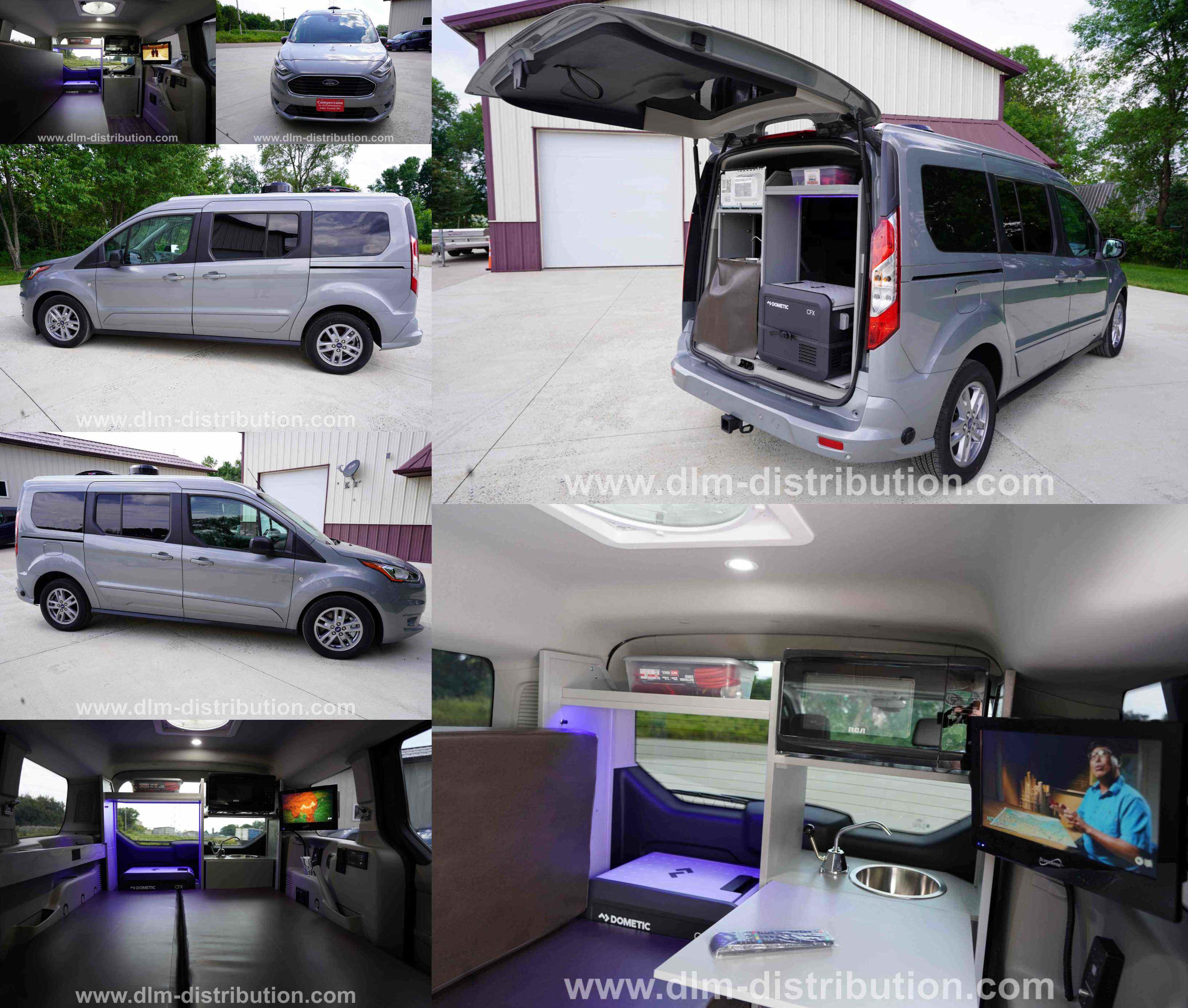
Continuing the Journey
National park travel is often not a one-time experience but something that builds over time. Each trip adds new destinations, new routes, and a deeper understanding of how landscapes connect across the country.
Whether starting with a single park or planning a multi-state route, the process becomes part of the experience—one that continues to evolve with each trip and leads to new opportunities for exploration.
DLM-Distribution / Campervans is a licensed manufacturer and dealer located in Lake Crystal, Minnesota, serving clients around the country.
Contact Dave: 651-285-7089 or Candy: 507-382-9446 today!