
NEWS
All-wheel drive (AWD) is often one of the first features people consider when comparing campervans. It’s commonly associated with improved traction, better control, and the ability to handle changing road conditions. But whether AWD is necessary depends largely on how and where the campervan will actually be used.
For many travelers, the decision is less about having AWD and more about understanding when it provides a meaningful advantage—and when it may not be required.
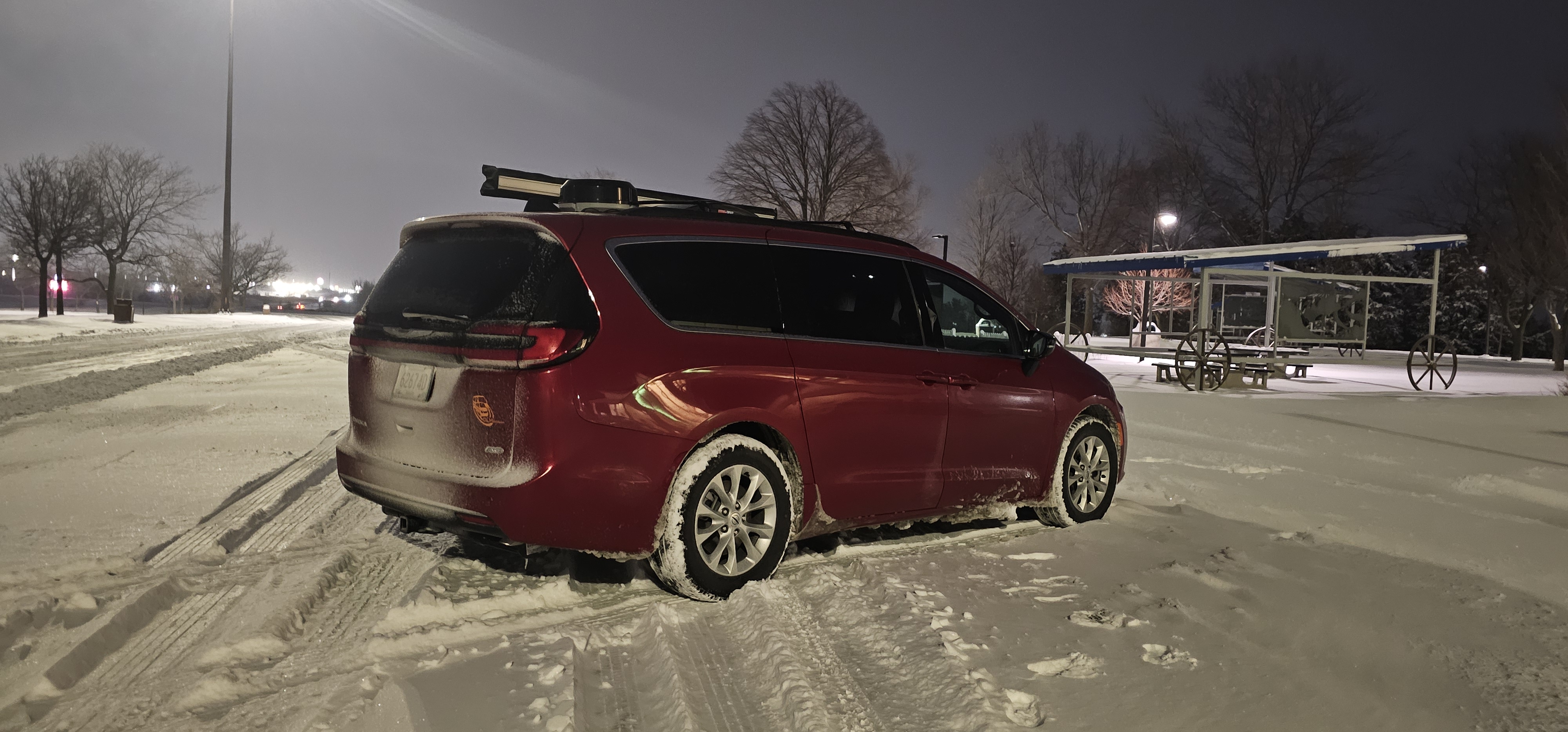
Many campervan buyers initially assume AWD is necessary, but in practice, how the vehicle is used tends to matter more than the drivetrain alone
What AWD Does in a Campervan
AWD systems distribute power to all four wheels, automatically adjusting based on traction needs. This can improve control in conditions such as rain, snow, gravel roads, or uneven terrain.
Unlike two-wheel-drive systems, AWD helps reduce wheel slip by sending power where it is needed most. This can be beneficial in regions with seasonal weather changes or when traveling on roads that are not consistently paved or maintained.
A closer look at how AWD functions within the Mini-T lineup can be found in this AWD campervan overview.
When AWD Makes Sense
AWD tends to be most useful in situations where traction is unpredictable. This includes winter driving, wet or muddy conditions, and travel routes that include gravel or less-developed roads.
For those who travel year-round, live in northern climates, or prefer exploring areas beyond main highways, AWD can provide an added level of confidence behind the wheel.
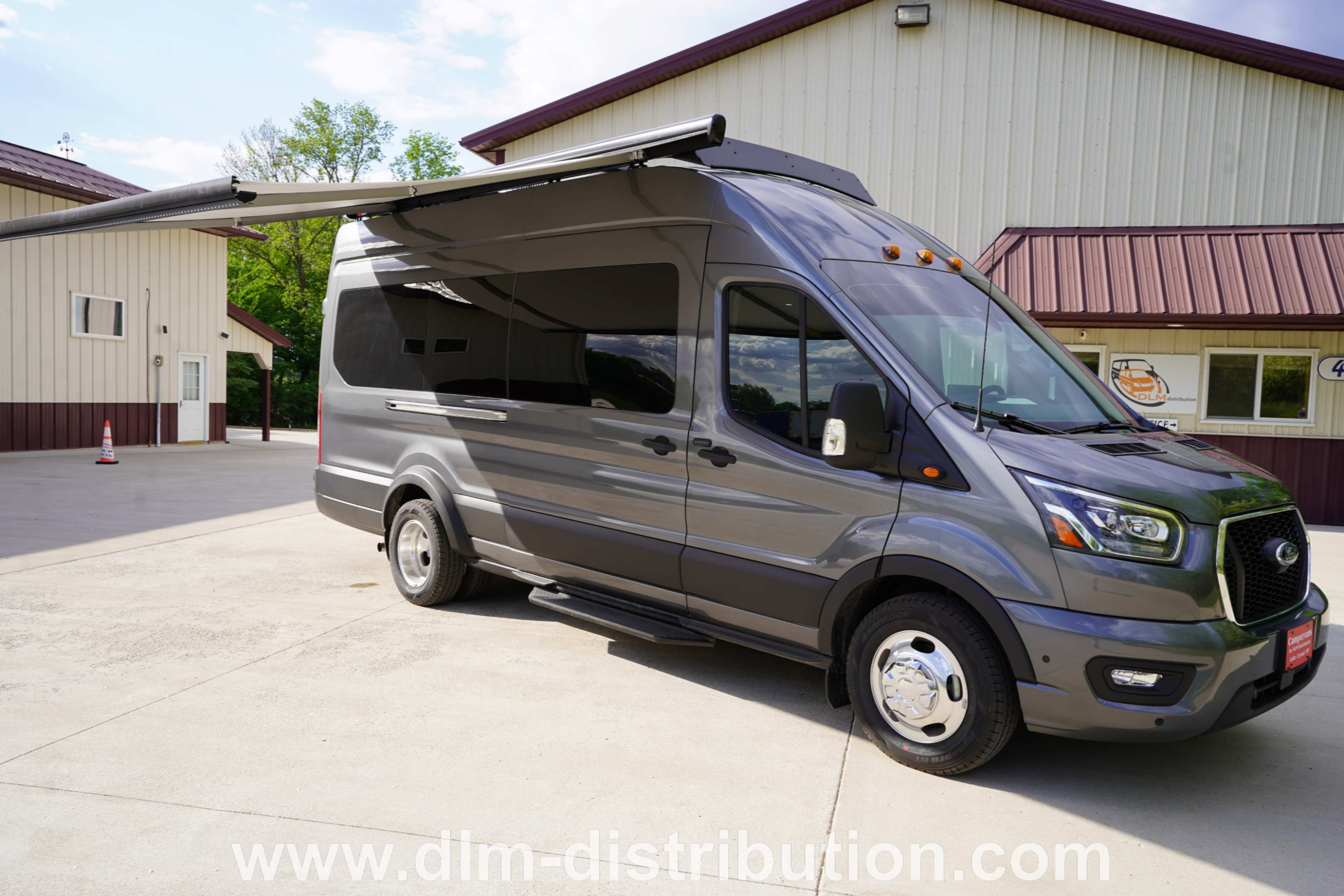
In high roof campervans, where vehicle size and weight play a larger role, AWD can also contribute to improved handling in variable conditions. For an example of how AWD integrates into a high roof platform, see this Mini-T HR AWD campervan overview.
When AWD May Not Be Necessary
For many campervan owners, travel primarily takes place on highways, paved roads, and established campgrounds. In these situations, front-wheel drive (FWD) or rear-wheel drive (RWD) platforms often provide more than enough capability.
FWD campervans are commonly chosen for their efficiency and ease of driving in standard conditions, while RWD platforms are often preferred in larger vans for their balance and load-handling characteristics.
Understanding how drivetrain differences affect actual travel use is explored further in AWD vs FWD vs RWD campervan comparisons.
How AWD Fits Within the Mini-T Campervan Lineup
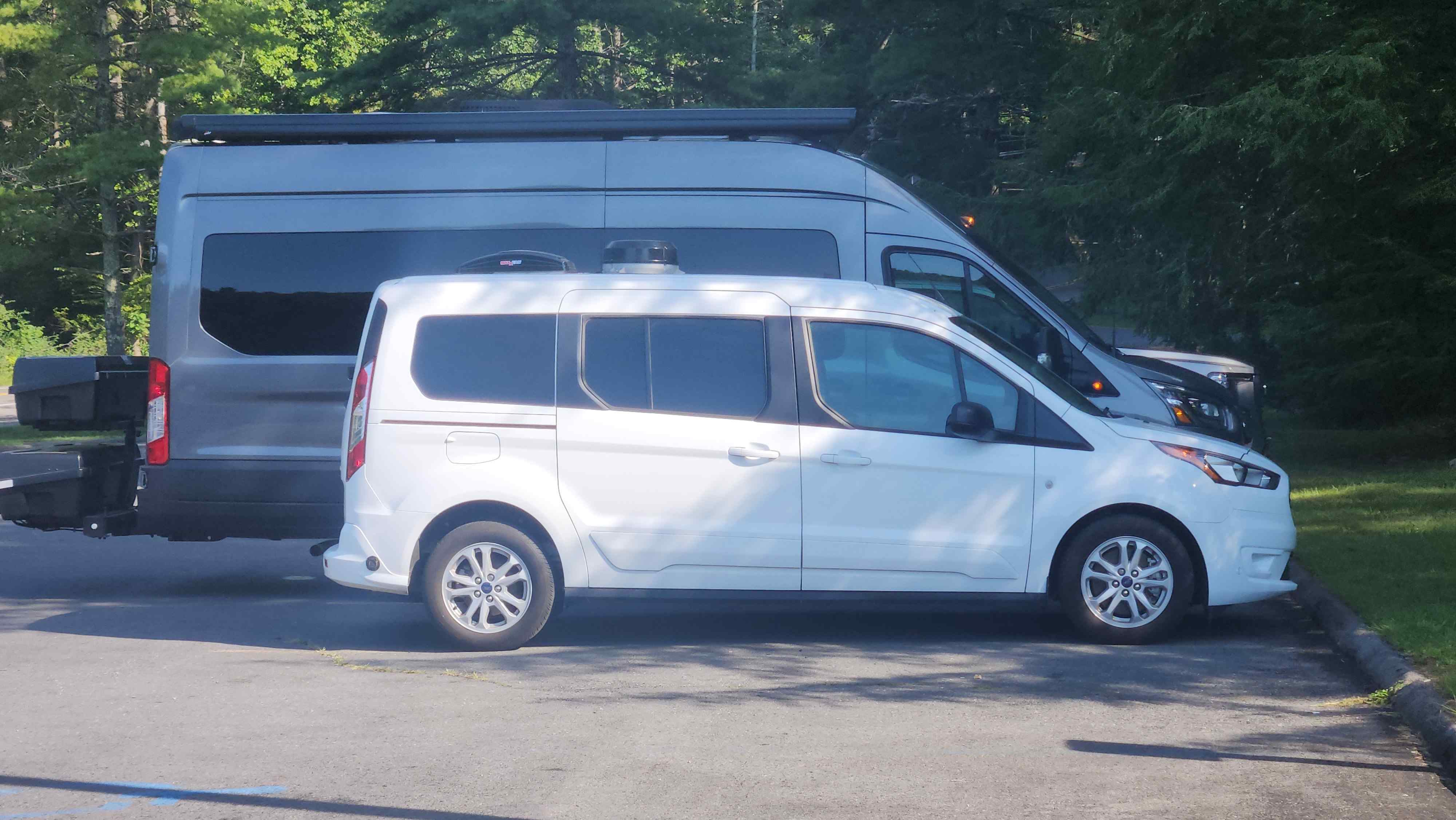
The Mini-T Campervan lineup includes multiple platforms, each designed for different driving preferences and travel needs.
The Chrysler Pacifica Mini-T Campervan offers AWD capability in a garageable format, combining everyday drivability with added traction for changing conditions.
The Chrysler Voyager Mini-T Campervan provides a front-wheel drive alternative focused on efficiency and simplicity.
The Ford Transit Connect Mini-T Campervan remains a compact, fuel-efficient option designed for daily driving and easy storage.
For those needing additional space and capability, the Mini-T HR Campervan platform offers both rear-wheel drive dual rear wheel configurations and available AWD, depending on model year and setup.
Choosing Based on How You Travel
Rather than focusing solely on whether AWD is available, it’s more useful to consider how the campervan will be used on a regular basis.
If travel includes changing weather conditions, varied terrain, or year-round driving, AWD may provide added confidence and flexibility.
If most driving takes place on highways and maintained roads, a two-wheel drive platform may offer a simpler and equally practical solution.
For many travelers, the difference becomes clear over time—those who spend more time on the road, exploring along the way, tend to benefit more from capability, while those focused on getting from point A to point B may not need it.
This same idea often carries over into how people choose to travel overall, especially when comparing the flexibility of driving versus flying, where the journey itself becomes part of the experience.
Making the Right Decision
AWD is a valuable feature, but it is not essential for every campervan owner. Understanding when it provides a meaningful advantage—and when it does not—helps guide a more practical decision.
With multiple platforms available, the Mini-T Campervan lineup allows you to choose a vehicle that aligns with your driving conditions and how you actually plan to travel.
Happy Camping!
DLM-Distribution / Campervans is a licensed manufacturer and dealer located in Lake Crystal, Minnesota, serving clients around the country.
Contact Dave: 651-285-7089 or Candy: 507-382-9446 today!