
NEWS
AWD vs FWD vs RWD Campervans: How Drivetrain and Rear Wheels Affect Travel
When comparing campervans, one of the most important factors to understand is how power is delivered to the wheels. This is known as the drivetrain, and it typically falls into three categories: all-wheel drive (AWD), front-wheel drive (FWD), and rear-wheel drive (RWD).
In addition to drivetrain, some campervans—particularly larger high roof models—may also feature either single rear wheels (SRW) or dual rear wheels (DRW). While these are often discussed together, they serve different purposes and should be understood separately.
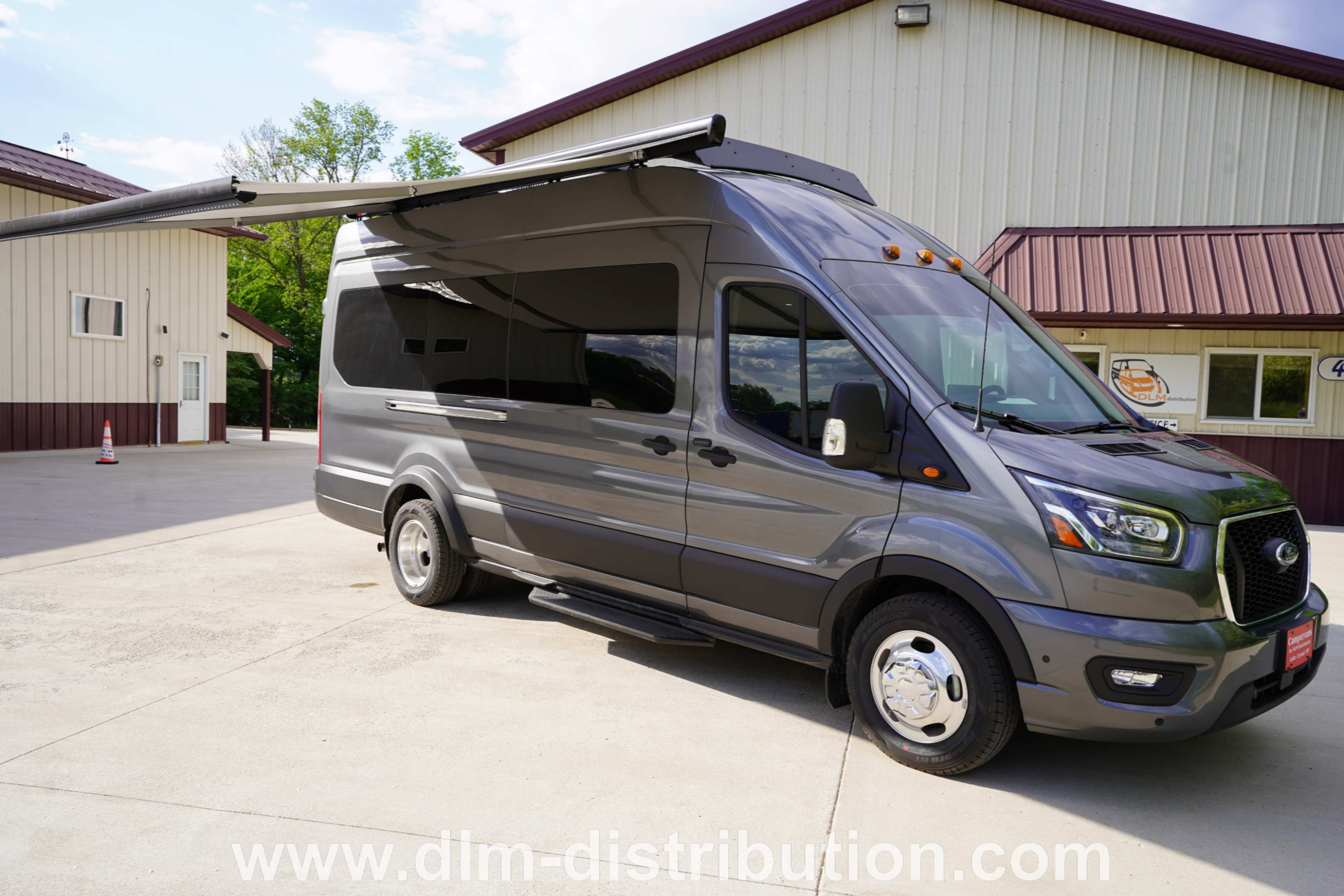
All-Wheel Drive (AWD)
All-wheel drive systems distribute power to all four wheels, automatically adjusting based on traction needs. This can improve control in conditions such as rain, snow, gravel, or uneven terrain.
AWD is often preferred for drivers who travel in changing climates or want added confidence when road conditions are less predictable.
More on how AWD is applied within the Mini-T lineup can be found in this AWD campervan overview.
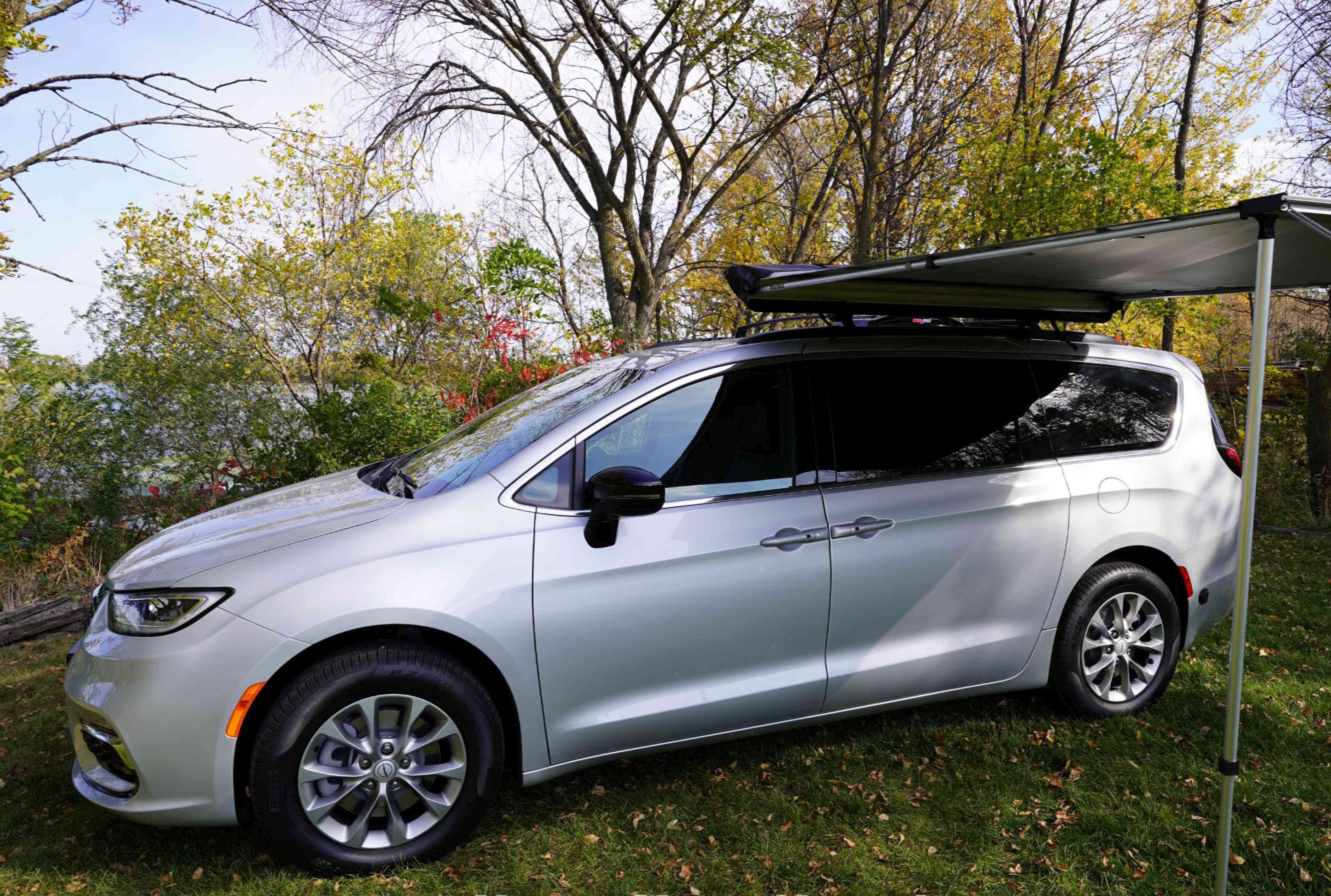
Front-Wheel Drive (FWD)
Front-wheel drive systems send power to the front wheels. This configuration is common in many passenger vehicles and is known for efficient operation and predictable handling in normal driving conditions.
FWD campervans are often lighter and can offer good fuel efficiency, making them a practical choice for everyday driving and standard travel environments.
Rear-Wheel Drive (RWD)
Rear-wheel drive systems send power to the rear wheels. This setup is commonly used in larger vans and trucks because it helps distribute weight more evenly and supports higher load capacity.
RWD is often paired with high roof campervans where vehicle weight and balance become more important, particularly during long-distance travel.
Single vs Dual Rear Wheels (SRW vs DRW)
Separate from drivetrain, rear wheel configuration also plays a role in how a campervan handles.
Single rear wheel (SRW) setups use one wheel on each side of the rear axle and are common in lighter, more compact vehicles.
Dual rear wheel (DRW) configurations use two wheels on each side of the rear axle. This increases the contact area with the road and improves stability, especially in larger campervans or those carrying more weight.
DRW is typically paired with rear-wheel drive platforms and is designed to enhance balance and control rather than traction in variable conditions.
How These Work Together
Drivetrain and rear wheel configuration are not competing features—they work together.
For example, a high roof campervan may use rear-wheel drive with dual rear wheels to provide a stable platform for long-distance travel. Newer configurations may incorporate all-wheel drive, offering additional traction while maintaining overall capability.
This distinction becomes especially relevant in high roof campervans, where vehicle size, weight, and drivetrain configuration directly influence handling and overall driving experience. For a closer look at how these factors come together in an AWD configuration, see this AWD Mini-T HR Campervan overview.
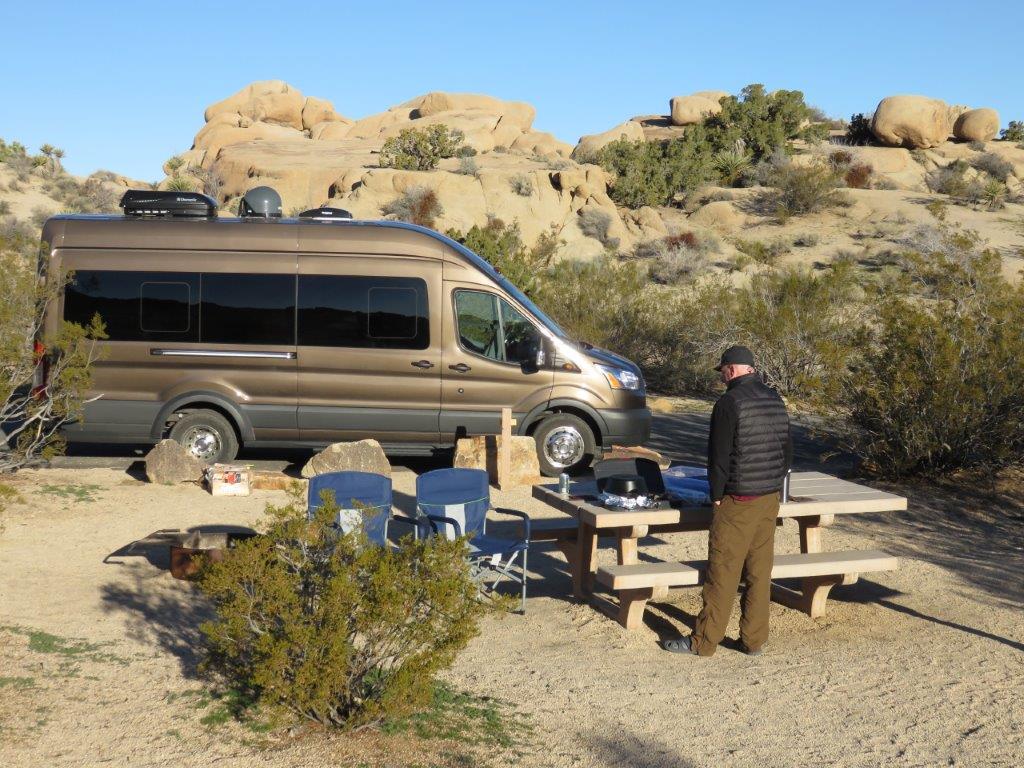
Choosing Based on Use
The right configuration depends on how the campervan will be used.
AWD is often beneficial in changing weather conditions or on less predictable roads.
FWD provides a straightforward, efficient option for everyday driving and typical travel routes.
RWD—especially when paired with dual rear wheels—offers a stable and balanced platform for larger campervans and extended travel.
Understanding how these systems work together allows for a more informed decision based on actual travel needs rather than isolated features.
Making the Right Choice
Each drivetrain and wheel configuration serves a purpose. Rather than focusing on one feature alone, it’s more useful to consider how the vehicle will be driven, where it will be used, and what type of travel is most common.
With that perspective, the differences between AWD, FWD, and RWD—and how they pair with rear wheel configurations—become much clearer.
Happy Camping!
DLM-Distribution / Campervans is a licensed manufacturer and dealer located in Lake Crystal, Minnesota, serving clients around the country.
Contact Dave: 651-285-7089 or Candy: 507-382-9446 today!