
Best Campervan for Winter Travel: AWD vs FWD Explained
One of the most common questions about winter campervan travel is whether all-wheel drive is really necessary. For someone crossing mountain passes, traveling through snow country, or heading out regardless of what the forecast brings, AWD can be a valuable capability. For another traveler following maintained highways, visiting winter campgrounds, or simply escaping Minnesota for warmer country, a well-equipped front-wheel-drive campervan may be all that is needed.
The difference is not simply AWD versus FWD. Tires, road conditions, weather, ground clearance, driver judgment, and the kind of travel you intend to do all matter. Understanding how those pieces work together makes it easier to choose a campervan for the winter travel you actually plan to enjoy.
Winter also changes the character of a road trip. Campgrounds can be quieter, popular destinations less crowded, and familiar landscapes transformed by snow and changing light. With the right preparation, travel does not have to stop when temperatures fall. The route, pace, and decisions simply become more dependent on conditions.
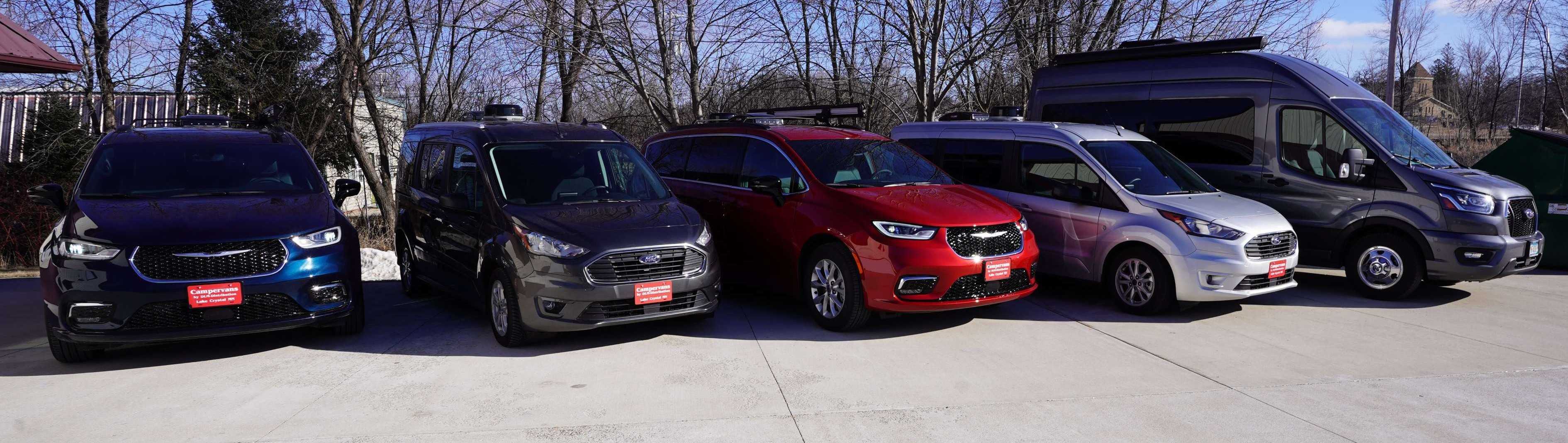
The Mini-T Campervan lineup includes both AWD and FWD platforms, providing different approaches to year-round travel rather than assuming that one drivetrain is right for everyone.
Winter Capability Starts Where the Campervan Meets the Road
Before comparing drivetrains, it is worth starting with the tires. AWD can distribute engine power among more wheels, but every acceleration, steering, and braking decision ultimately depends on the traction available where the tires meet the road. AWD does not shorten an icy stopping distance simply because all four wheels can receive power.
For travelers who regularly encounter snow and ice, appropriate tires can make an enormous difference. Quality all-season tires may be suitable for many maintained-road winter trips, while dedicated winter tires can provide additional cold-weather traction for travelers who routinely drive in more demanding winter conditions.
That is why a properly equipped FWD campervan can be very capable in winter, while an AWD vehicle on inappropriate or worn tires can still struggle. Drivetrain matters, but it is one part of the complete winter-driving system.
Where AWD Makes a Difference
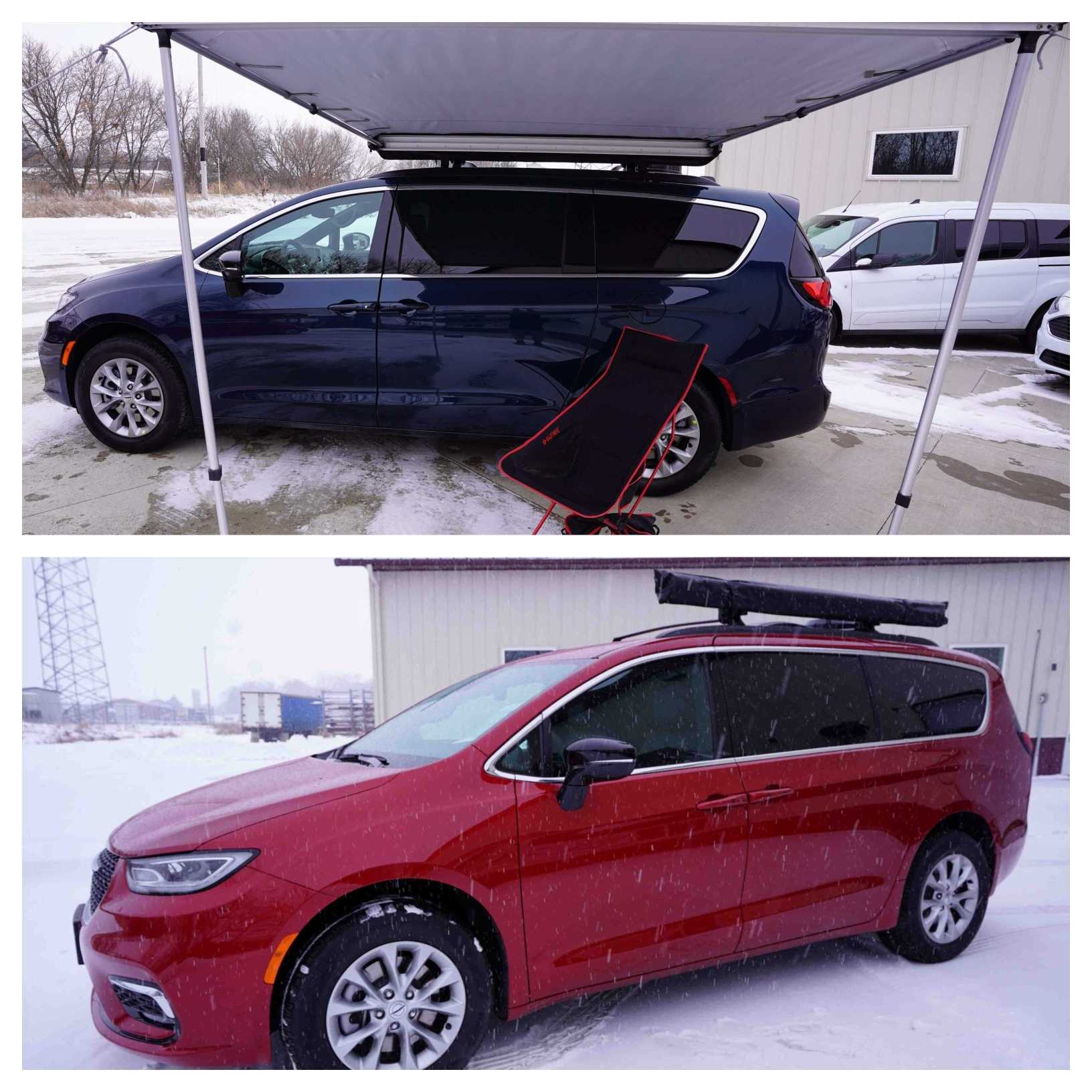
All-wheel drive becomes particularly useful when available traction is limited and the vehicle needs to put power to the road. Starting from a snowy intersection, climbing a slippery grade, traveling on an unplowed campground road, or encountering several inches of fresh snow are situations where having additional driven wheels can be valuable.
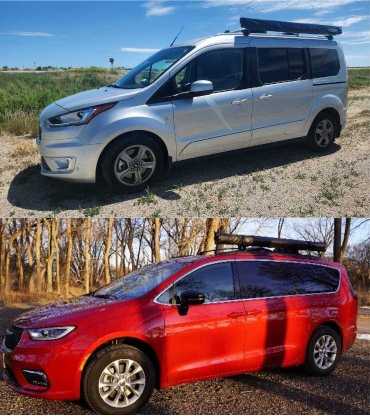
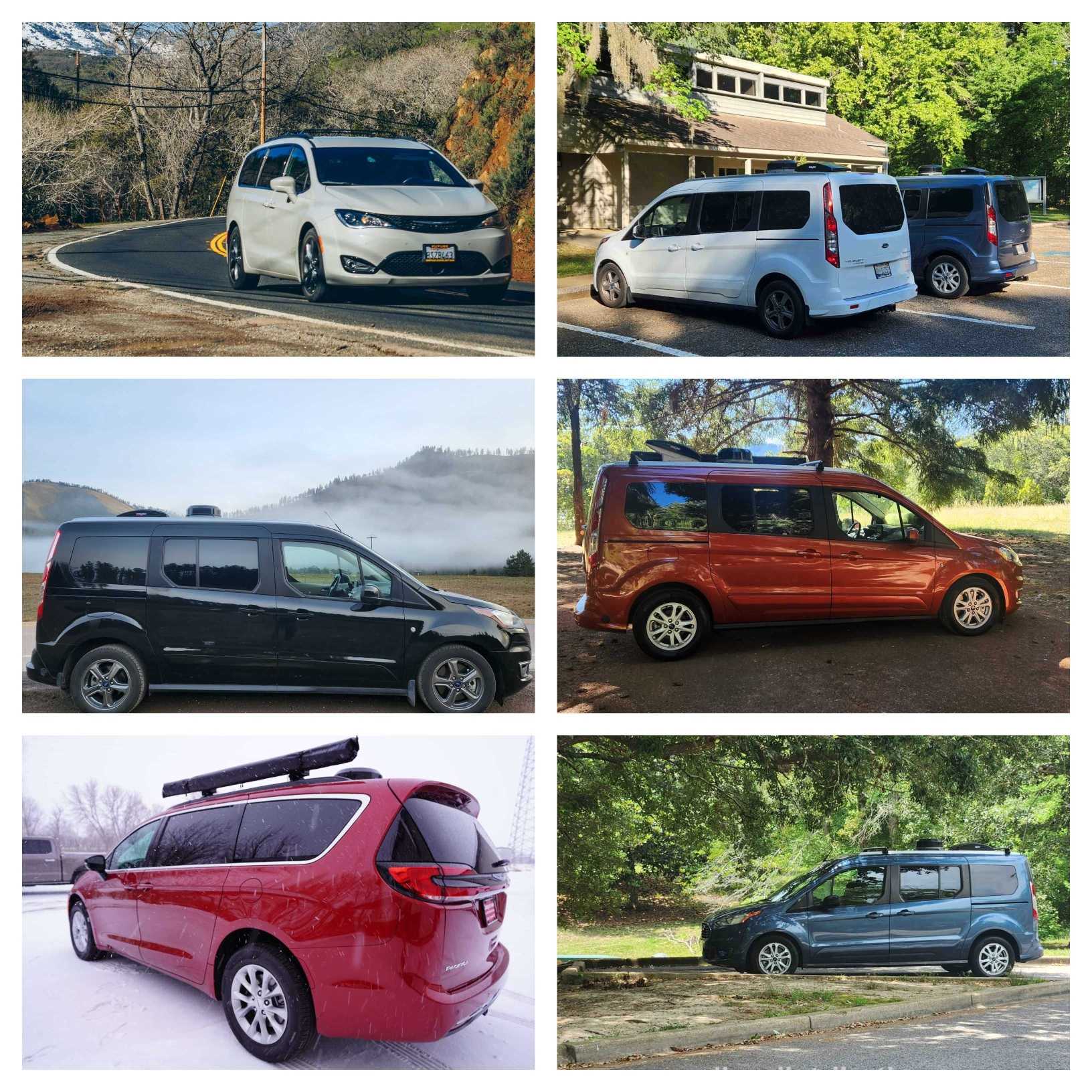
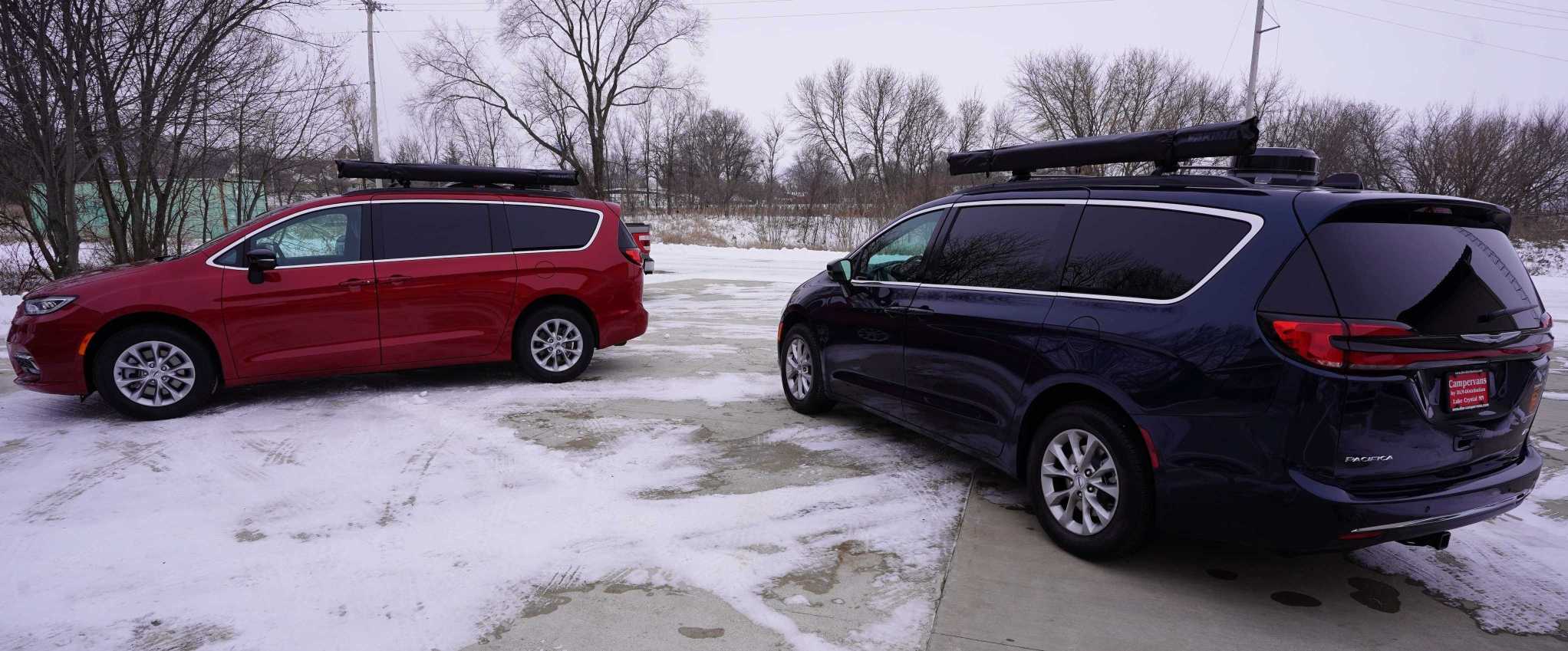
The AWD Chrysler Pacifica Mini-T Campervan brings that capability to a smaller campervan that remains practical for ordinary driving. For travelers who may begin a trip on dry pavement and encounter rain, slush or snow hundreds of miles later, AWD adds another layer of traction capability without turning the campervan into a large RV.
There are limits, however. AWD cannot create traction where little exists, and it does not make an icy road safe. Speed, following distance, braking, tires, visibility, and the willingness to wait for better conditions remain more important than the letters on the drivetrain badge.
That distinction is useful because it puts AWD in its proper role: it is an additional tool for winter travel, not a substitute for good winter-driving decisions.
Mini-T HR AWD: A Different Kind of Winter Traveler
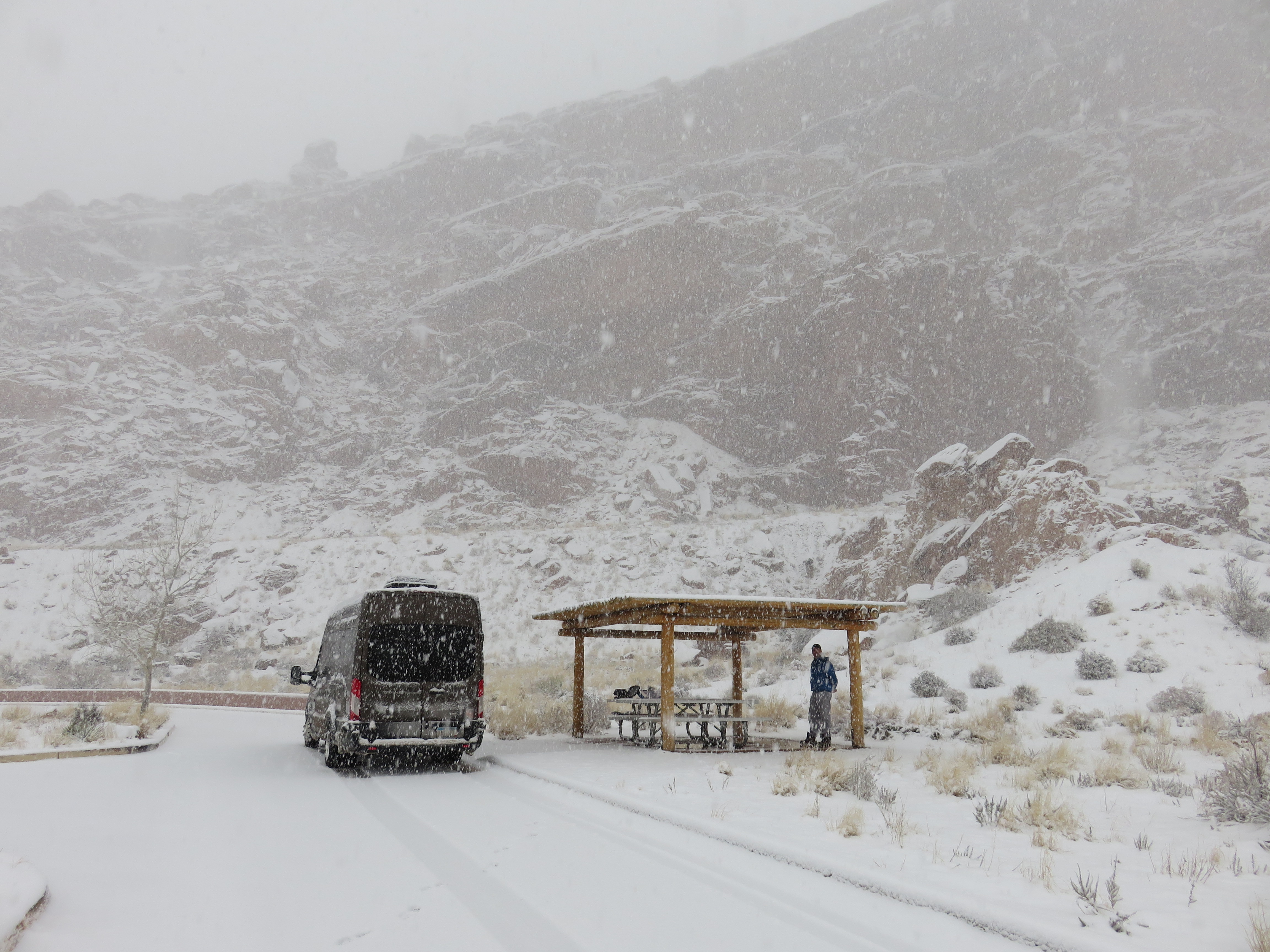
The Mini-T HR AWD Campervan approaches winter travel from a different direction. Built on the Ford Transit 350 HD AWD platform, it combines all-wheel-drive capability with the standing height and larger interior of a high-roof campervan.
That additional interior room becomes particularly meaningful when winter weather keeps travelers inside longer. Short daylight hours, cold evenings, snow, and changing weather can all mean spending more time in the campervan than during a summer trip. The high-roof layout provides a different living experience for travelers planning longer journeys or spending extended periods on the road.
There is a tradeoff. The Mini-T HR is a substantially larger vehicle and is not intended to provide the residential-garage fit of the smaller Mini-T models. For travelers who place greater value on interior room, standing height, and the heavy-duty Transit platform, that may be an easy trade to make. For someone who wants an RV that also fits naturally into everyday life at home, one of the smaller Mini-T platforms may make more sense.
Why FWD Shouldn't Be Counted Out
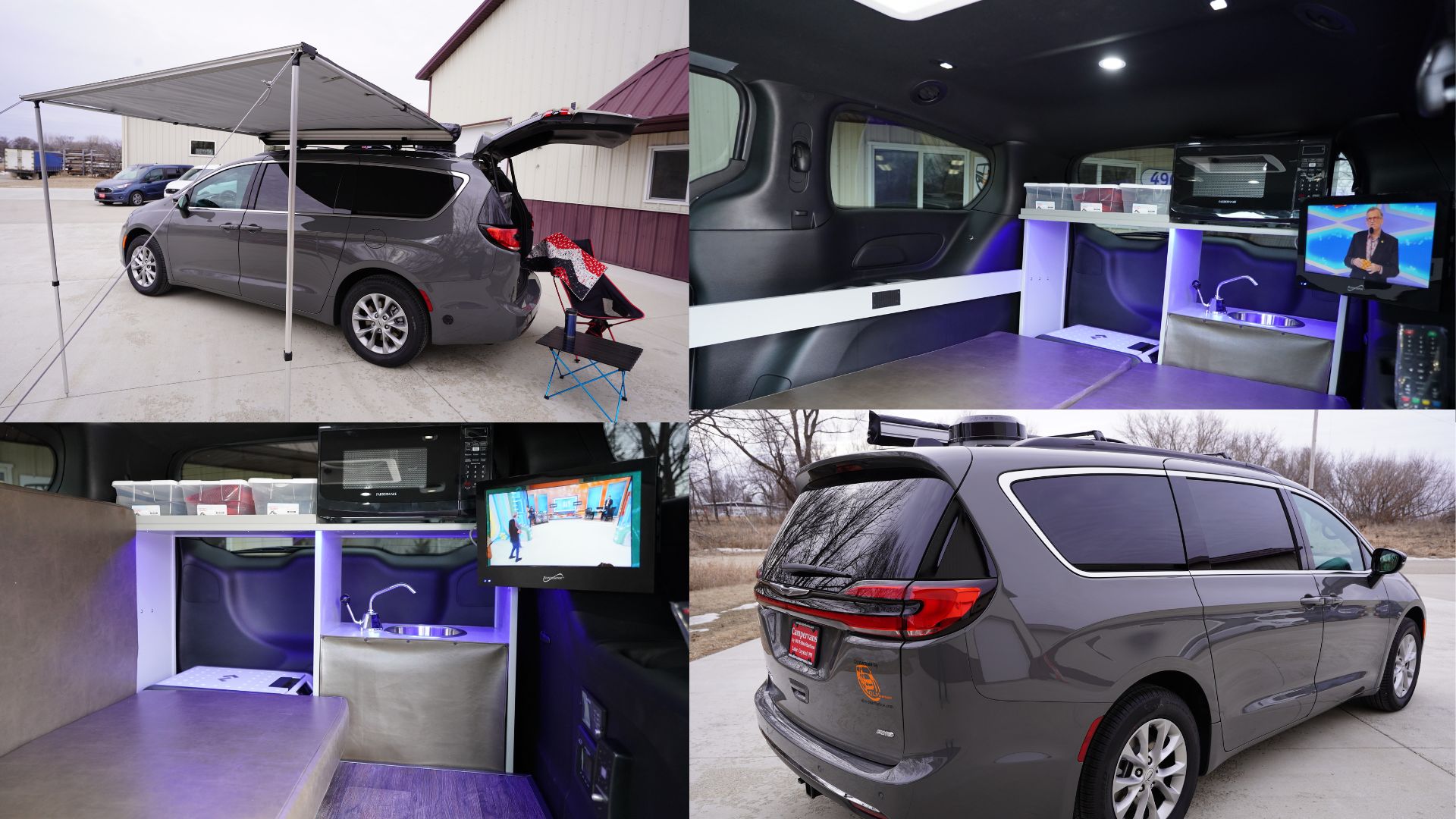
Front-wheel drive has been carrying travelers through northern winters for decades, and there are practical reasons it works well. With the engine and drivetrain concentrated toward the front of the vehicle, useful weight is positioned over the drive wheels. Combined with appropriate tires and sensible driving, that makes FWD a capable choice for a great deal of maintained-road winter travel.
Mini-T models based on the Ford Transit Connect and Chrysler Voyager demonstrate the other side of the winter-travel equation. Rather than carrying the additional drivetrain components of AWD, they emphasize fuel economy, maneuverability, a smaller footprint, and everyday usability.
For a traveler whose winter plans consist primarily of plowed highways, maintained roads, cities, campgrounds, and routes chosen with the weather in mind, FWD can be an entirely sensible choice. It can also be particularly attractive for someone who is willing to delay departure for a few hours rather than intentionally travel into the worst conditions.
The important question is therefore not whether AWD is universally better. It is whether the places you intend to travel regularly justify the additional traction capability AWD provides.
Winter Travel Continues After You Park
Drivetrain gets much of the attention in conversations about winter travel, but reaching the campsite is only half of the equation. Once parked, electrical capability, battery condition, ventilation, condensation management, overnight temperatures, and available campground services become equally important.
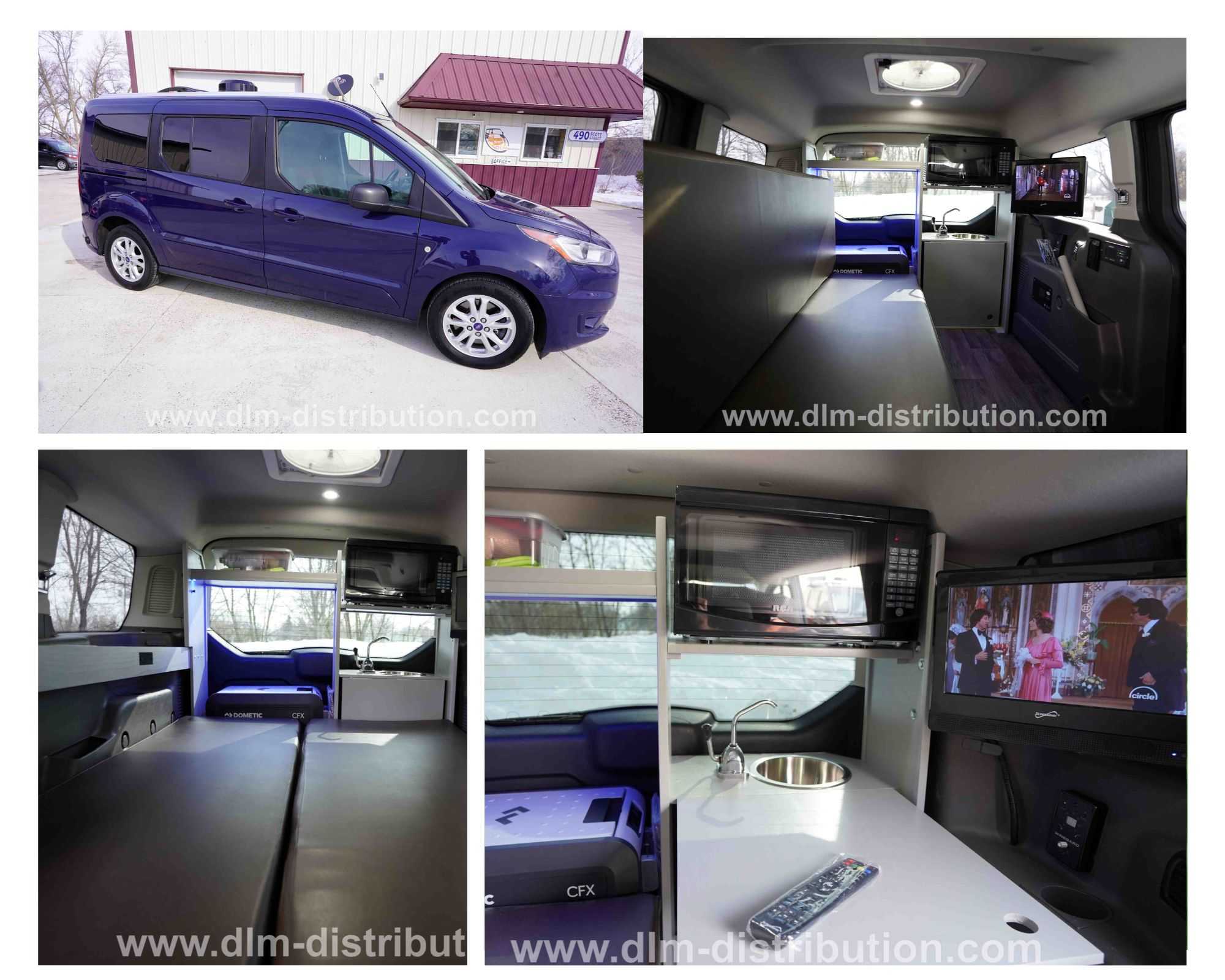
Mini-T Campervans use a dedicated house electrical system with battery storage, rooftop solar, charging while driving, shore power capability, and a pure sine wave inverter. Solar can contribute whenever suitable sunlight reaches the rooftop panels, whether the campervan is parked or traveling, while vehicle charging provides another source of energy during driving days. Shore power provides an additional option when it is available.
As explained in how the Mini-T Campervan electrical system works, the advantage comes from having several ways to support and replenish the house electrical system rather than depending on a single source.
Winter does add another consideration: shorter days, a lower sun angle, snow cover, and cloudy weather can reduce solar production. That makes the complete charging system especially useful because winter travelers are not depending on rooftop solar alone.
A Smaller Campervan Has Winter Advantages of Its Own
Not every winter advantage is mechanical. Vehicle size can make a noticeable difference when snowbanks narrow parking spaces, campground loops become tighter, or a scenic stop has only a small plowed area available. A smaller campervan is generally easier to maneuver and park without requiring the space or setup associated with a larger motorhome.
That can also make winter travel feel less like operating an RV and more like taking a road trip. Grocery stores, restaurants, trailheads, visitor centers, downtown streets, and ordinary parking spaces remain part of the journey. When weather changes, being able to simply get in and drive can be valuable in its own right.
So, Do You Need AWD for Winter Campervan Travel?
For many travelers, no. A properly equipped FWD campervan with appropriate tires can be a very capable winter travel vehicle on maintained roads. Travelers who watch the forecast, adjust their schedule when necessary, and rarely venture onto deep snow or difficult grades may find that FWD provides the balance of capability, fuel economy, and simplicity they want.
For travelers who regularly encounter snow-covered roads, mountain grades, changing elevations, unplowed campground roads, or winter conditions that are difficult to predict, AWD can provide useful additional traction and may be well worth having.
Neither choice eliminates the need to respect winter weather. Sometimes the best winter-driving feature in any campervan is the ability to stay where you are, make another cup of coffee, and wait for the road crews and weather to improve.
Winter Changes the Journey, Not the Reason for Going
Some of the appeal of winter campervan travel comes from what is missing: fewer crowds, quieter campgrounds, less traffic at popular destinations, and a landscape that can look completely different from the one most travelers see during summer.
AWD can expand the conditions in which a campervan can comfortably put power to the road. FWD can provide an efficient and very capable solution for travelers who primarily stay on maintained routes. Good tires, thoughtful route planning, and sound judgment matter with either one.
The best winter campervan is ultimately not determined by the drivetrain alone. It is the one that fits where you travel, how you travel, and how much flexibility you want when winter decides to change the plan.
Happy Camping!
DLM-Distribution / Campervans is a licensed manufacturer and dealer located in Lake Crystal, Minnesota, serving clients around the country.
Contact Dave: 651-285-7089 or Candy: 507-382-9446 today!