
NEWS
Homeowners Associations (HOAs) are designed to maintain consistency, appearance, and property values within a neighborhood. While many homeowners appreciate the structure and upkeep that HOAs provide, vehicle restrictions are one of the most commonly misunderstood aspects of community living.
Whether you own a campervan, RV, work truck, or larger vehicle, understanding how HOA rules apply can help avoid unnecessary fines, frustration, or last-minute changes to your parking situation.
Understanding How HOAs Define Vehicle Restrictions
One of the biggest challenges homeowners face is that HOA rules often differ from state definitions. A vehicle that is legally registered as personal use may still be restricted by an HOA based on appearance, size, or use.
Many associations create their own definitions of what qualifies as a commercial or restricted vehicle. This can include vehicles with business decals, mounted equipment, ladder racks, or even those that simply appear to be used for work purposes.
In some communities, restrictions go beyond use and focus on visibility. If a vehicle alters the visual consistency of the neighborhood, it may not be allowed to remain parked in driveways or on the street—even if it is otherwise compliant with local laws.
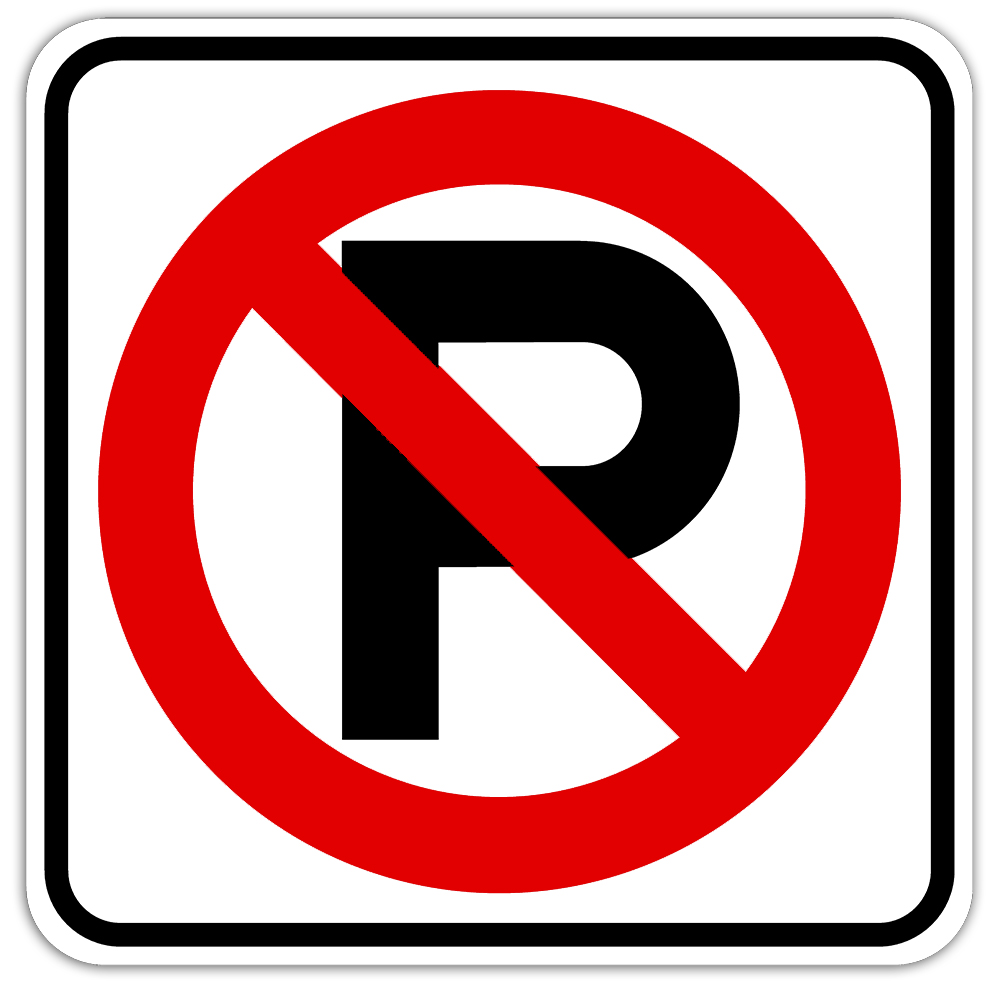
Commercial Vehicles: More Than Just Registration
A common misconception is that a vehicle must be officially registered as “commercial” to fall under HOA restrictions. In reality, many HOAs rely on visual cues and practical use rather than registration classification.
Vehicles that may be considered commercial include vans or trucks with company branding, pickups with visible work equipment, or vehicles outfitted with racks and storage systems. Even when used for personal transportation outside of work hours, these vehicles may still fall under HOA limitations.
This distinction often catches homeowners off guard, especially those who rely on their vehicle for both business and personal use.
RVs and Campervans: Common HOA Limitations
Recreational vehicles are one of the most frequently restricted categories in HOA communities. In many cases, RVs, motorhomes, and larger campervans cannot be parked in driveways, on streets, or in visible areas for extended periods.
These rules are typically based on maintaining neighborhood aesthetics and preventing overcrowding of shared parking spaces. Even short-term parking allowances may be limited to loading and unloading.
Definitions of what qualifies as an RV can vary. Some HOAs include any vehicle designed for sleeping or travel, while others focus specifically on size and external appearance.
If you're starting with the basics, this guide on Can You Park an RV at Home or in an HOA? Rules, Tips, and What to Know walks through common scenarios and helps clarify what homeowners can expect.
Work Trucks and Oversized Vehicles
Work trucks present another layer of complexity. Even when privately owned, trucks with utility beds, tool storage, or larger dimensions may be restricted based on size or appearance alone.
Some HOAs impose specific limits on vehicle height, length, or weight. Others simply restrict vehicles that appear to be used for commercial purposes. In either case, it’s not uncommon for homeowners to find that their everyday vehicle does not meet HOA standards.
Common Misunderstanding: “If It Fits, It’s Allowed”
Many homeowners assume that if a vehicle physically fits in a driveway, it should be permitted. However, HOAs typically regulate more than just size. Appearance, purpose, and consistency with community standards often carry equal weight.
A vehicle may meet dimensional requirements but still be restricted if it is considered visually inconsistent with the neighborhood or associated with commercial use.
Looking Deeper at HOA Parking Rules
Once you understand the basics, it becomes clear that HOA parking rules are often layered and highly specific. Factors like visibility, duration of parking, vehicle type, and even frequency of use can all play a role.
For a deeper look at how these rules are applied in real-world situations, this article on HOA Parking Rules and RV Ownership: What Homeowners Should Know breaks down common restrictions and how they impact RV and campervan owners.
Practical Ways to Navigate HOA Vehicle Rules
The most effective way to avoid issues is to review your HOA’s governing documents carefully. These rules are usually outlined in covenants, conditions, and restrictions (CC&Rs), along with any additional guidelines adopted by the association.
If anything is unclear, reaching out to the HOA board or property manager can help clarify expectations before a problem arises.
Some homeowners choose to store restricted vehicles off-site, though this often adds cost and inconvenience. Others look for alternatives that better align with HOA requirements while still meeting their travel or work needs.
A Practical Perspective on Vehicle Choice in HOA Communities
For homeowners who enjoy travel but live in HOA-regulated neighborhoods, vehicle selection often becomes part of the equation. Larger RVs and visibly commercial vehicles may require off-site storage, while smaller, more discreet options may offer greater flexibility.
Vehicles that blend into a residential setting—both in size and appearance—tend to align more naturally with HOA expectations. This allows homeowners to maintain convenience without sacrificing the ability to travel when they choose.
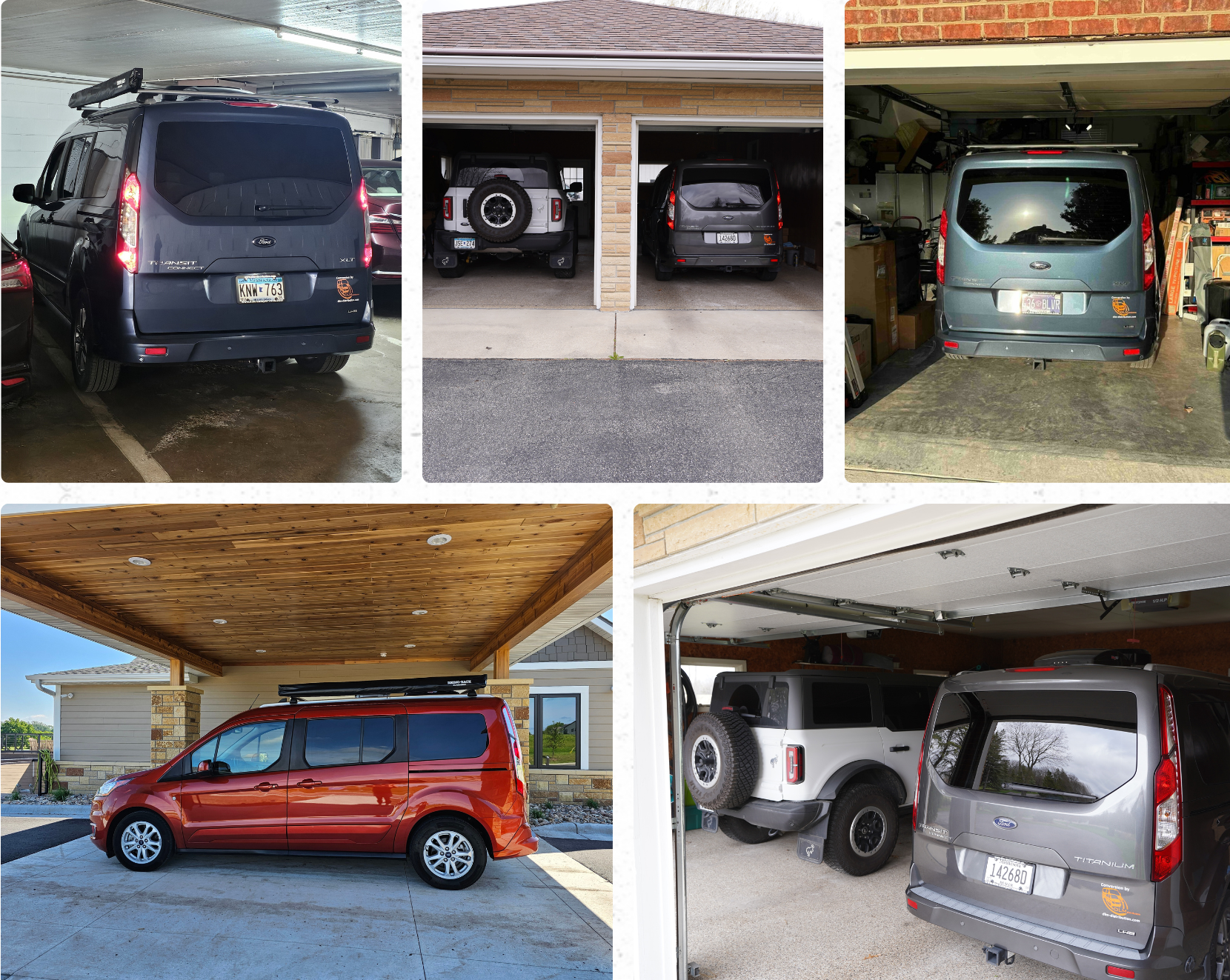
For those evaluating options, this guide on choosing a practical campervan for everyday use offers additional insight into how different setups fit within residential environments.
Final Thoughts
HOA vehicle restrictions are less about limitation and more about consistency within a shared community space. While the rules can feel restrictive at times, they are generally designed to maintain property values and neighborhood appeal.
By understanding how these rules are applied—and how different types of vehicles are classified—homeowners can make informed decisions that align with both their lifestyle and their community guidelines.
With the right approach, it’s entirely possible to balance travel, practicality, and HOA compliance without unnecessary compromise.
DLM-Distribution

DLM-Distribution / Campervans is a licensed manufacturer and dealer located in Lake Crystal, Minnesota, serving clients around the country.
Contact Dave: 651-285-7089 or Candy: 507-382-9446 today!