
NEWS
HOA Parking Rules and RV Ownership: What Homeowners Should Know
For many homeowners, living in a community with a Homeowners Association (HOA) comes with clear expectations—especially when it comes to vehicle parking. One of the most common rules is the restriction of recreational vehicles, trailers, and oversized vans in driveways or on the street. While these rules can feel limiting at first, they are typically designed to maintain consistency, safety, and long-term property value within the neighborhood.
Understanding how these guidelines work—and how they affect RV ownership—can help homeowners make more practical decisions when choosing a vehicle for travel.
Why HOAs Restrict RV Parking
Most HOA parking rules are centered around maintaining a clean and uniform appearance throughout the community. Large vehicles such as motorhomes, trailers, and commercial vans can disrupt that visual consistency, particularly in neighborhoods where homes are closely spaced.
There are also practical considerations. Oversized vehicles can limit visibility for drivers and pedestrians, especially when parked along streets or near intersections. In some cases, they may restrict access for service vehicles or create congestion in tighter residential layouts.
These rules are not unique to one area—they are common across many HOA communities and are often outlined clearly in governing documents. A deeper look at how these policies affect vehicle ownership can be found in how garageable campervans compare to traditional RVs in HOA communities.
When RV Ownership Becomes Complicated
For those interested in travel, these restrictions can create a challenge. Traditional RVs often require off-site storage, which adds both cost and inconvenience. Retrieving a vehicle before each trip, storing it afterward, and managing separate insurance or maintenance schedules can make ownership more complex than expected.
In some cases, homeowners attempt to work around these rules, but that can lead to fines or disputes within the community. As a result, many people begin to look for alternatives that align more naturally with HOA requirements.
A Shift Toward Practical Travel Vehicles
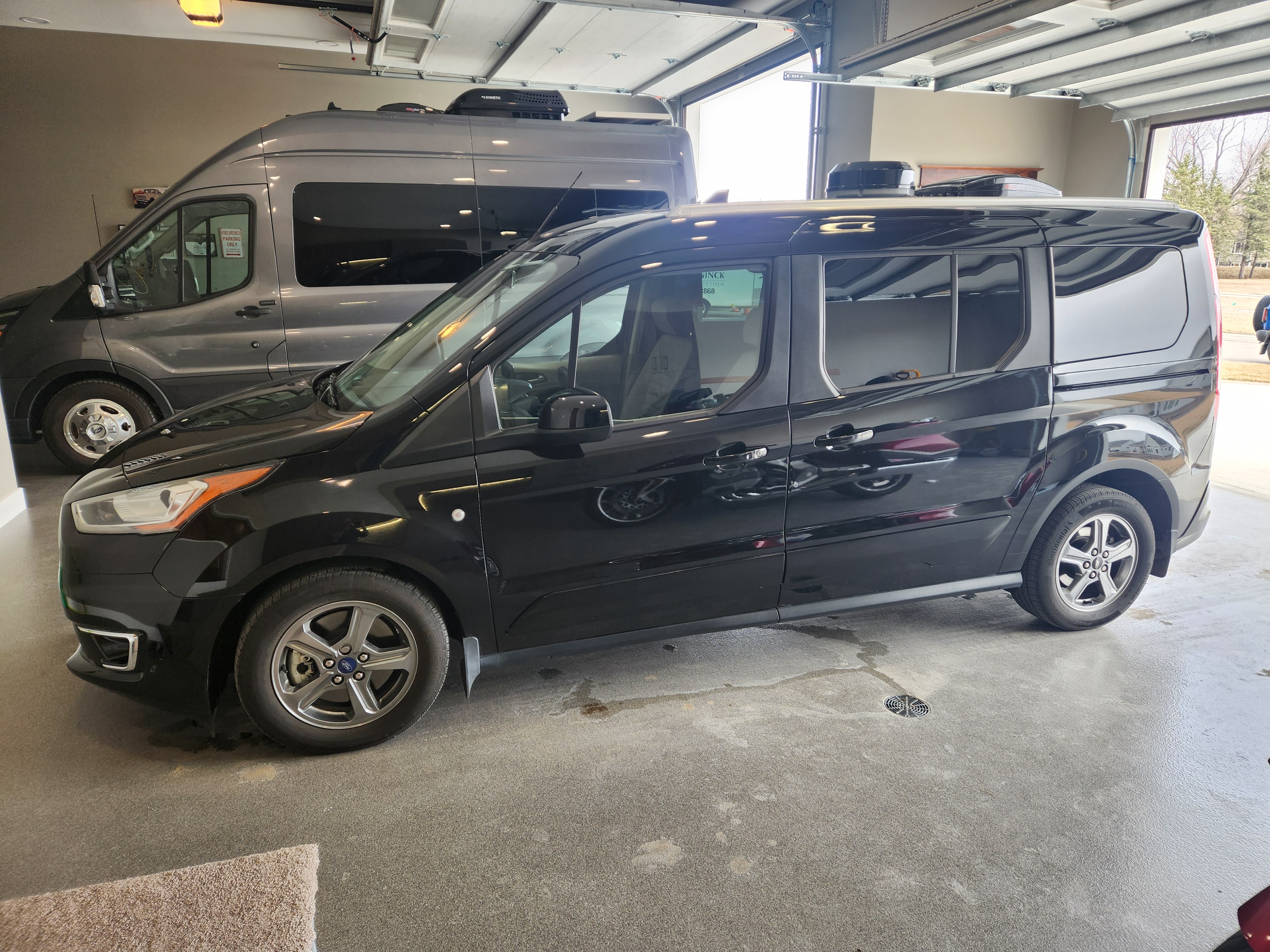
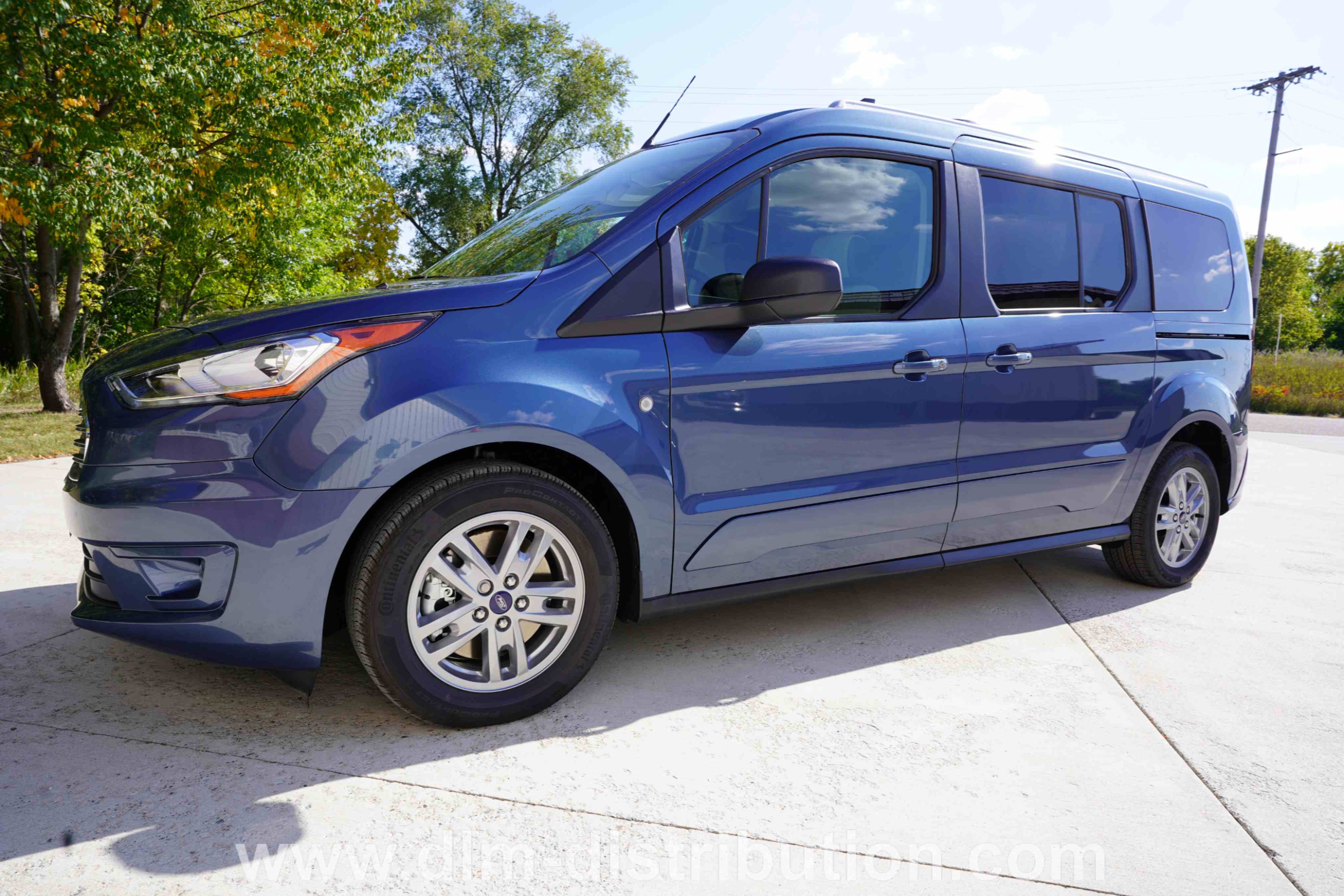
Rather than working against HOA guidelines, some travelers are choosing vehicles that fit within them. Smaller, garageable campervans provide a different approach—one that allows for travel without requiring separate storage or exceptions from HOA policies.
Because these vehicles are similar in size to everyday passenger vehicles, they can often be parked inside a standard residential garage. This removes the need for off-site storage while keeping the vehicle readily accessible for both daily use and travel.
This approach also connects with a broader shift toward simplifying travel. Articles such as reducing travel and transportation costs highlight how combining everyday driving with travel capability can streamline ownership and reduce overall expenses.
Balancing Travel and Community Living
Owning a travel-ready vehicle doesn’t have to conflict with HOA living. In many cases, the key is choosing an option that fits both your lifestyle and the expectations of your community. When a vehicle can be used for daily driving, stored at home, and taken on trips without added logistics, it becomes easier to enjoy travel without disruption.
Ultimately, HOA rules are designed to create consistency and protect the overall character of a neighborhood. Working within those guidelines—rather than against them—can lead to a more practical and less complicated ownership experience.
Happy Camping!
DLM-Distribution / Campervans is a licensed manufacturer and dealer located in Lake Crystal, Minnesota, serving clients around the country.
Contact Dave: 651-285-7089 or Candy: 507-382-9446 today!