
NEWS
For many homeowners, owning an RV represents flexibility, travel, and the ability to explore on their own schedule. However, parking that RV at home—especially within a Homeowners Association (HOA)—can be more complicated than expected.
HOA rules often include specific vehicle restrictions that go beyond local laws. Understanding these guidelines ahead of time can help avoid fines, conflicts, or the need for last-minute storage solutions.
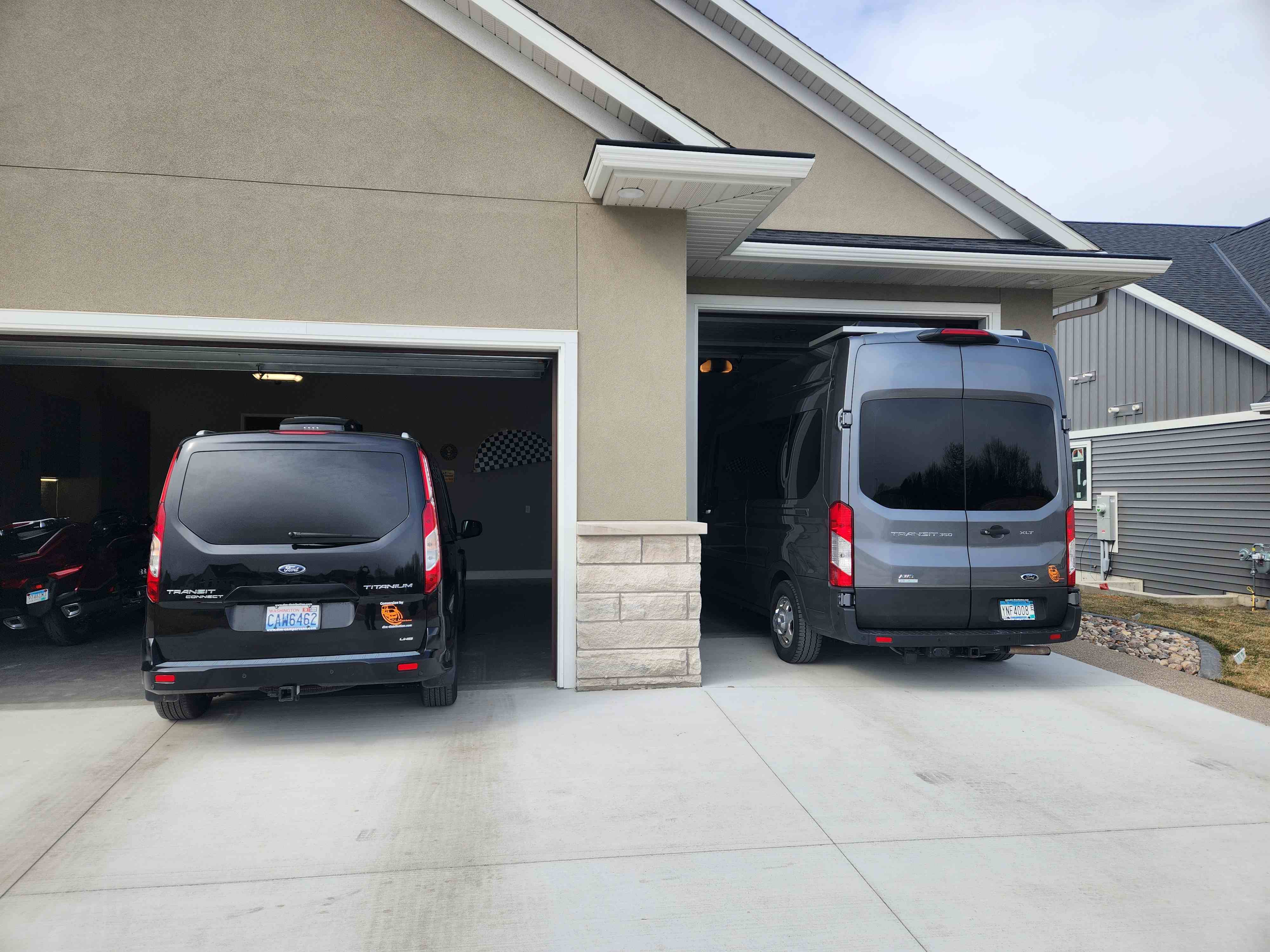
Why HOAs Restrict RV Parking
Most HOA vehicle rules are designed to maintain a consistent neighborhood appearance and protect property values. Larger vehicles such as RVs, motorhomes, and trailers are often restricted because they can be visually prominent and take up additional space.
In many communities, these vehicles are not allowed to be parked in driveways, on the street, or in visible areas for extended periods. Temporary allowances may be granted for loading and unloading, but long-term parking is typically limited.
While these rules can feel restrictive, they are usually applied consistently across the community to maintain a uniform look and avoid overcrowding.
What Counts as an RV?
Definitions can vary between HOAs. Some associations classify any vehicle with sleeping accommodations as an RV, while others focus more on size, height, or external appearance.
This means that even smaller campervans may be subject to restrictions depending on how the HOA defines recreational vehicles. Reviewing your HOA’s governing documents is the best way to understand how your specific community approaches this.
Understanding the Details Behind HOA Rules
HOA vehicle restrictions often involve more than just whether a vehicle is allowed. Factors like visibility, duration of parking, and how a vehicle is used can all influence compliance.
For a more detailed breakdown of how these rules are applied in real-world situations, this guide on HOA vehicle restrictions, RVs, trucks, and parking rules offers additional insight into how different vehicles are classified and managed within HOA communities.
Working with Your HOA: Practical Approaches
If your RV does not meet HOA parking guidelines, there are still options worth exploring. Communication with your HOA board can sometimes lead to workable solutions.
Start by reviewing the official rules in detail. If exceptions are possible, present a clear and reasonable request. This may include limiting the amount of time the RV is parked at home, ensuring it remains clean and well-maintained, or demonstrating that it will not interfere with neighbors or shared spaces.
HOA boards tend to respond better to homeowners who approach the situation thoughtfully and with a willingness to compromise.
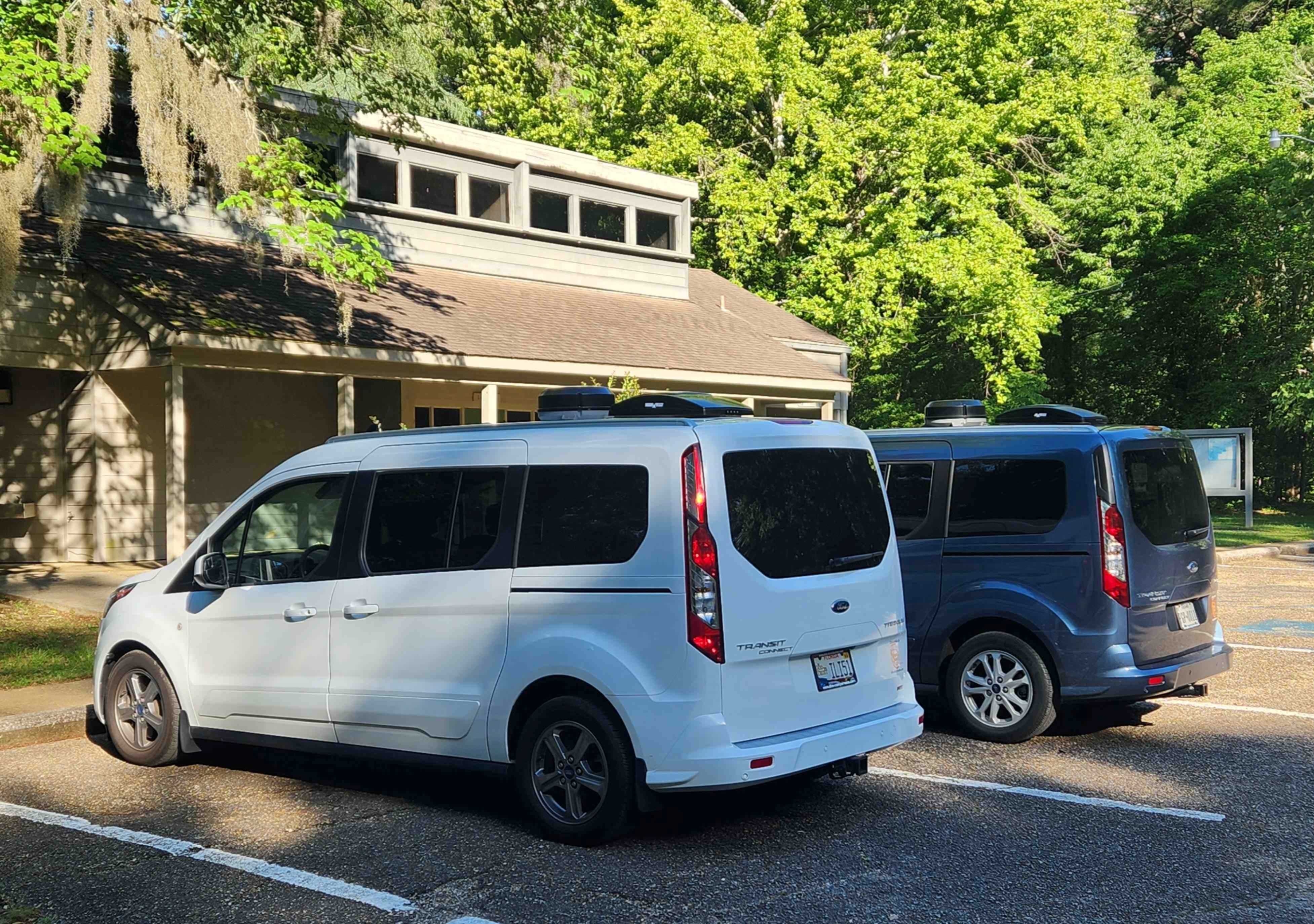
If You Can’t Park at Home: Storage Options
When parking at home isn’t allowed, off-site storage becomes the most common solution. Many RV owners rely on dedicated storage facilities that provide secure and accessible parking.
When evaluating storage options, look for features such as gated access, surveillance, and convenient entry hours. Some facilities also offer covered or enclosed spaces, which can help protect your RV from weather exposure.
While storage adds an extra step to travel planning, choosing the right facility can make the process much more manageable.
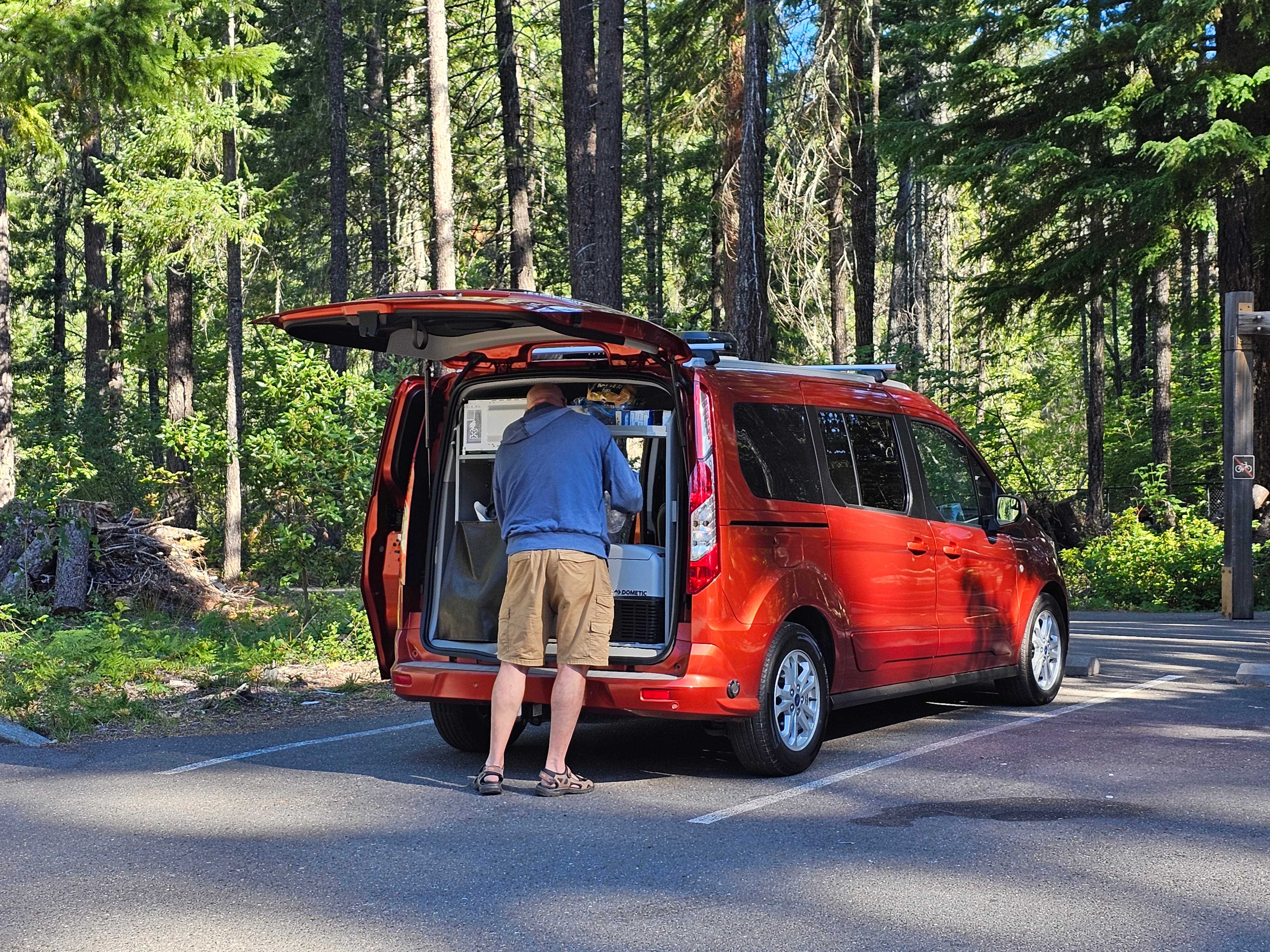
Parking at Seasonal or Vacation Properties
HOA restrictions often apply equally to seasonal or vacation homes. If you split time between multiple properties, it’s important to understand the rules in each location.
Some communities may allow garage storage but restrict driveway or street parking. Others may have stricter limitations regardless of property type.
Planning ahead ensures that your travel routine remains smooth, whether you’re at home or at your second property.
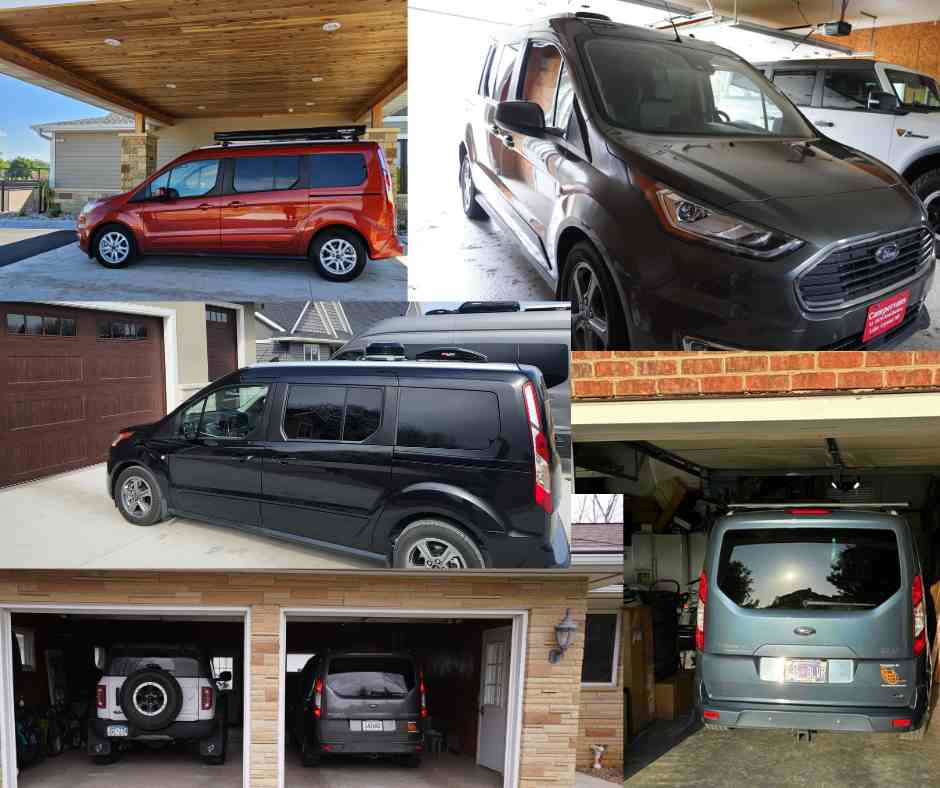
Choosing a Vehicle That Fits Your Lifestyle
For some homeowners, the challenges of HOA restrictions lead to a broader decision about what type of vehicle best fits their lifestyle.
Larger RVs offer space and amenities but often require off-site storage. Smaller, more practuical campervans may provide greater flexibility when it comes to parking and everyday use.
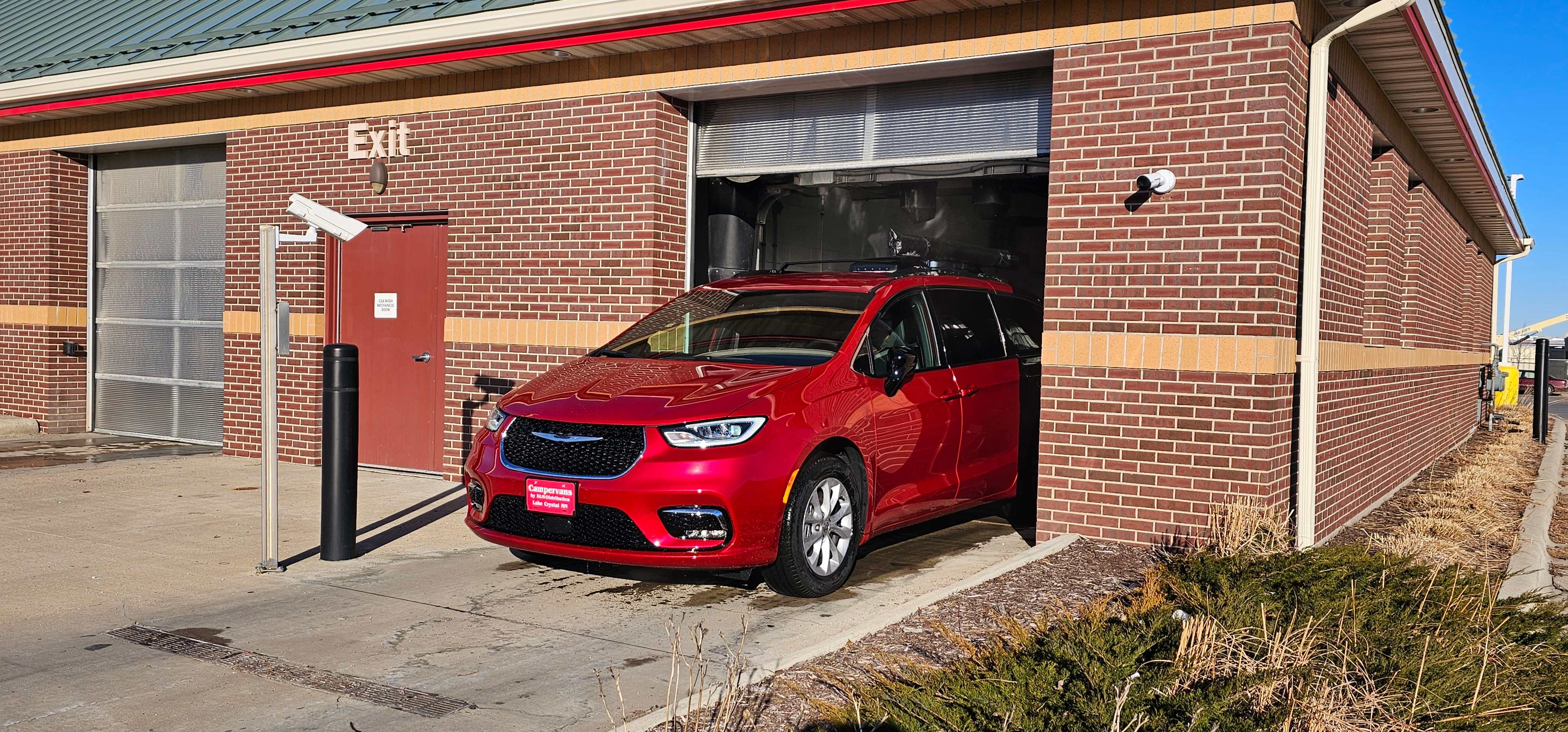
Balancing travel goals with practical considerations—like where the vehicle will be parked—can help simplify ownership and reduce ongoing inconvenience.
The Appeal of Campervan Travel
Regardless of the type of vehicle you choose, the appeal of RV and campervan travel remains the same. It offers the freedom to move at your own pace, explore new places, and create experiences that don’t rely on rigid schedules.
Traveling this way allows you to avoid many of the common hassles associated with flights and hotels, while maintaining the comfort of having your own space wherever you go.
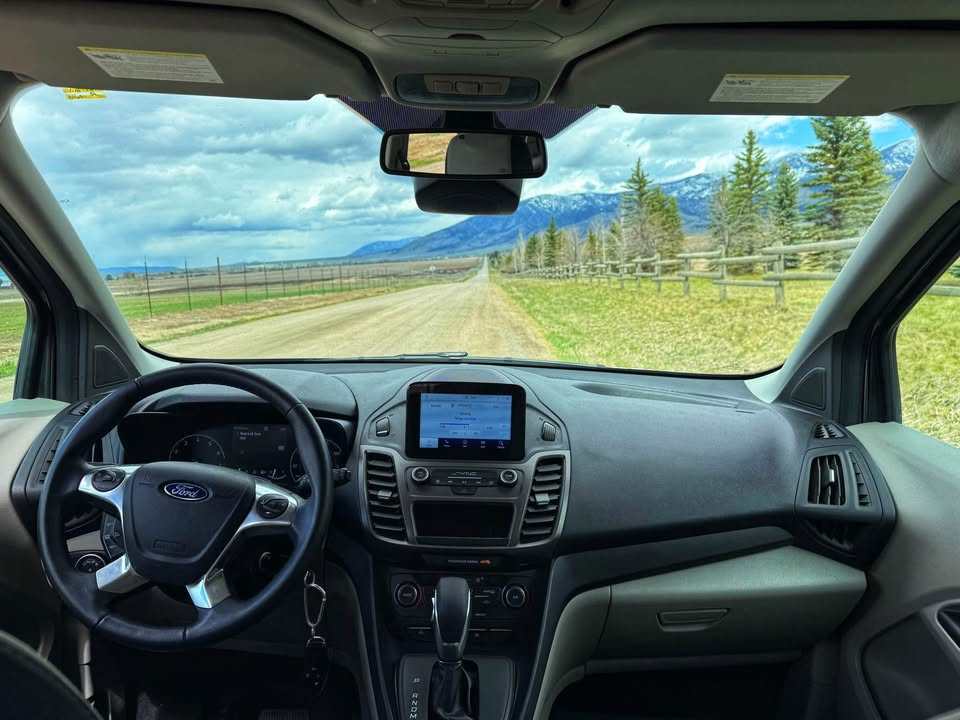
For many, that balance of flexibility and comfort is what makes this style of travel so appealing.
Final Thoughts
Parking an RV at home in an HOA community isn’t always straightforward, but it doesn’t have to be a barrier to enjoying travel. With a clear understanding of the rules, thoughtful planning, and the right approach, it’s possible to find a solution that works.
Whether that means working within HOA guidelines, using off-site storage, or choosing a vehicle that aligns more easily with residential requirements, the key is understanding your options before making a decision.
Happy Camping!

DLM-Distribution / Campervans is a licensed manufacturer and dealer located in Lake Crystal, Minnesota, serving clients around the country.
Contact Dave: 651-285-7089 or Candy: 507-382-9446 today!