
NEWS
How Campervan Travel Reduces Costs and Makes Travel Easier
As travel costs continue to rise, many people are taking a closer look at how they plan and pay for trips. Hotel rates, airfare, rental vehicles, and dining expenses can add up quickly, often turning even a short getaway into a significant financial commitment. In response, more travelers are exploring practical alternatives that reduce cost without adding complexity.
One option gaining steady attention is campervan travel as a simpler way to move and stay. By combining transportation, lodging, and daily mobility into one vehicle, it offers a different approach—one that focuses on efficiency, flexibility, and repeatable travel.
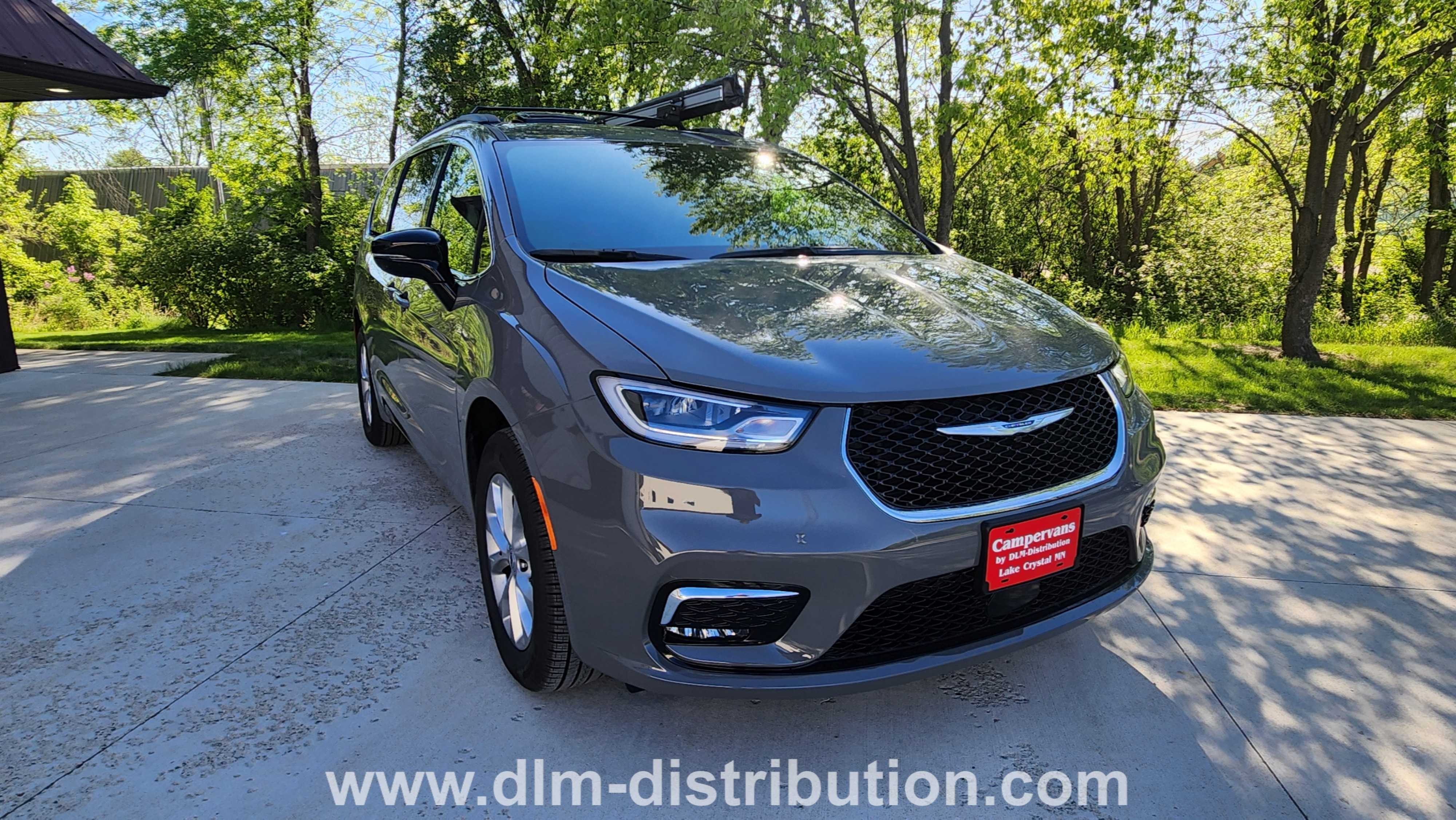
Why Travel Costs Add Up Faster Than Expected
Traditional travel often involves stacking expenses: airfare, baggage fees, lodging, transportation at your destination, meals, and reservation changes. Individually, these costs may seem manageable, but together they can quickly escalate. Delays, cancellations, and seasonal pricing only add to the unpredictability.
This layered structure is one reason travelers begin looking for alternatives that simplify both planning and cost.
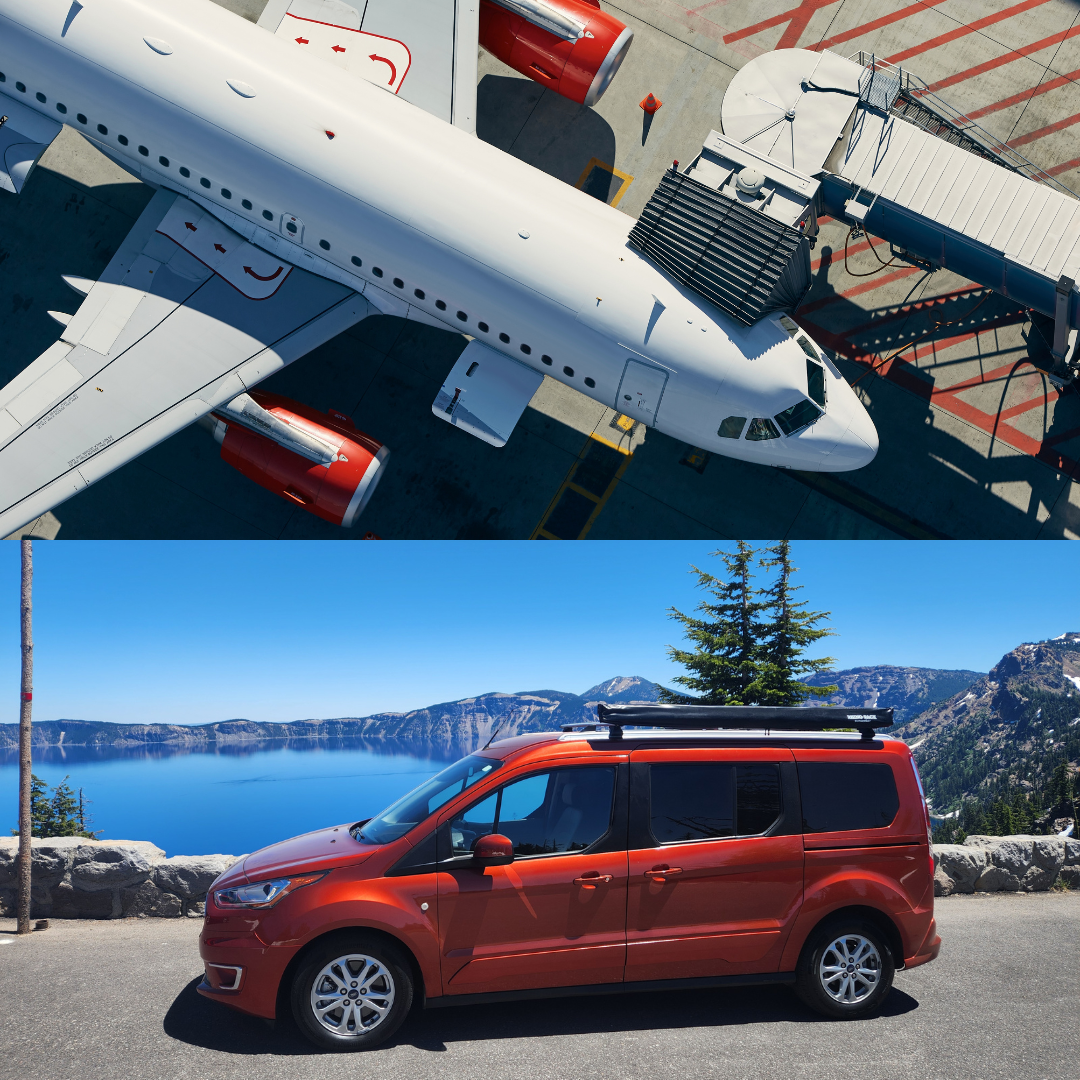
Fuel Efficiency and Long-Distance Travel
Fuel is often viewed as a primary expense in road travel, but the type of vehicle makes a significant difference. Larger motorhomes frequently average well below 10 miles per gallon, making long trips more costly than expected.
In contrast, compact campervans are built on smaller platforms and typically achieve fuel efficiency closer to that of everyday vehicles. Over time, this allows for longer trips and more frequent travel without dramatically increasing overall costs.
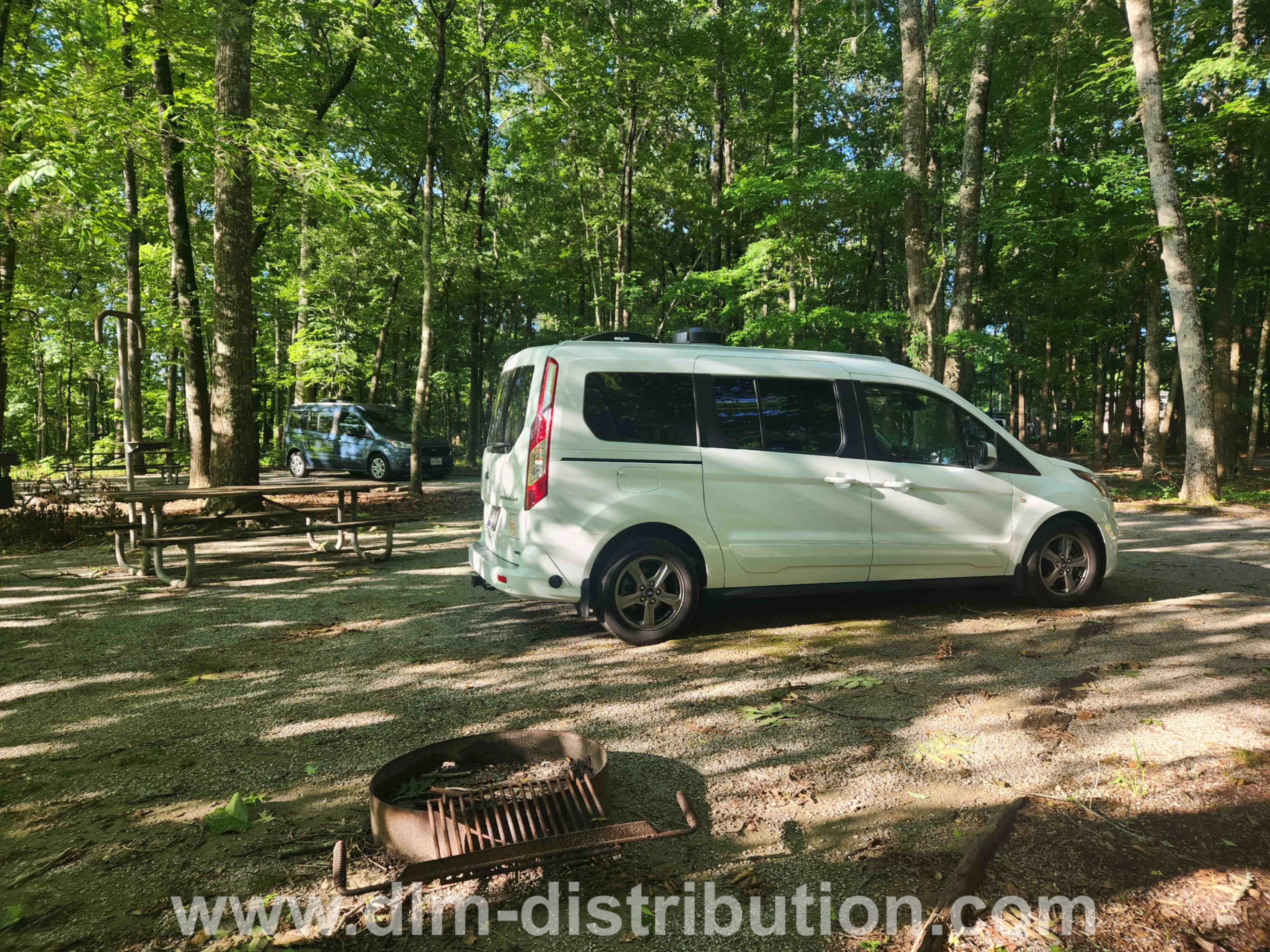
Built-In Lodging Reduces Overnight Costs
Lodging is often the largest single expense in travel. Even moderate hotels can cost hundreds of dollars per night when fees and taxes are included. A campervan changes this structure by keeping your sleeping space with you.
Instead of booking rooms, travelers can stay in campgrounds, public lands, or designated overnight locations. This flexibility allows for lower nightly costs and removes the need to plan travel around hotel availability.
This shift is a key reason many people explore ways to reduce travel expenses through campervan use.
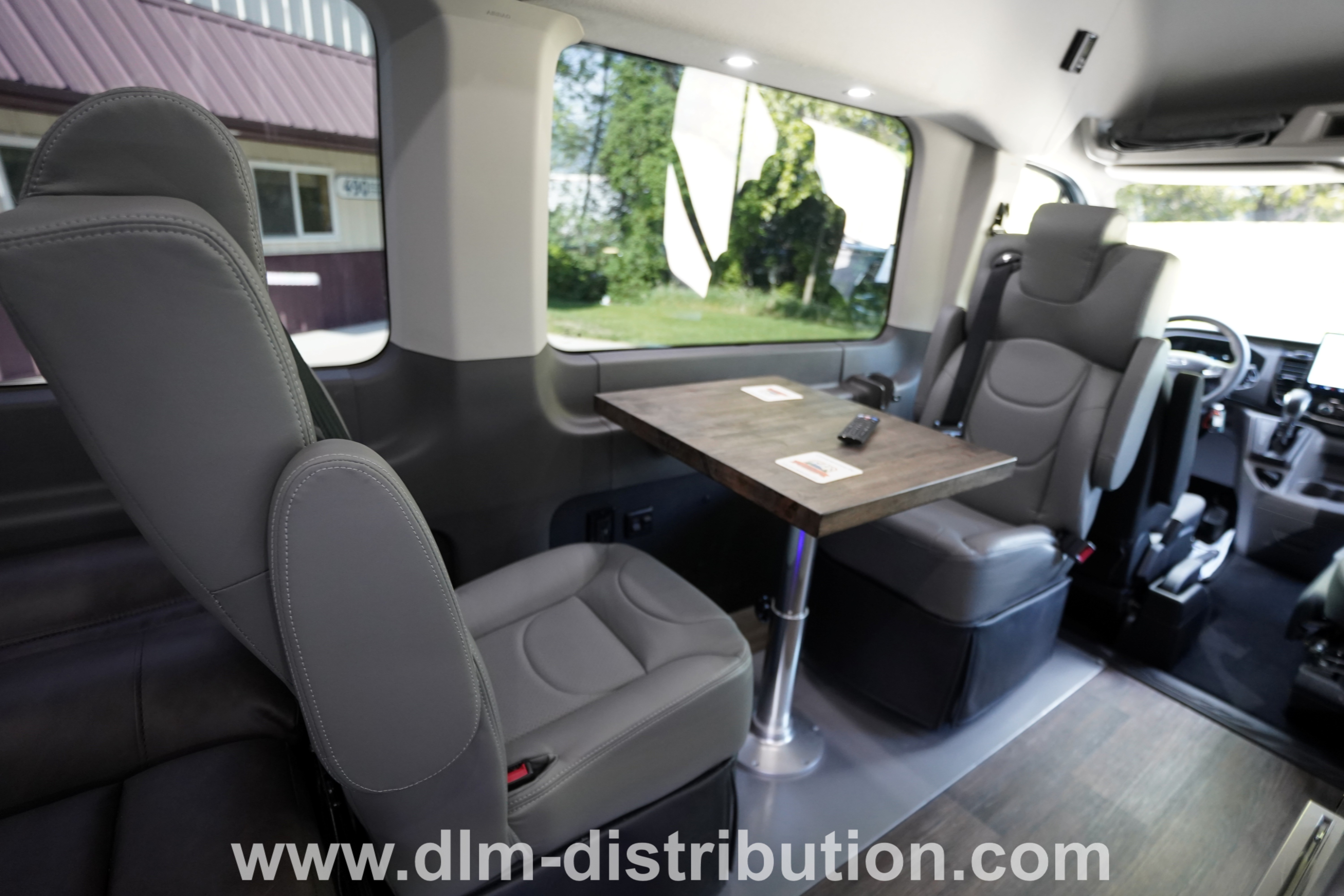
Independent Power and Flexible Stops
Modern campervans are designed to operate without constant reliance on external hookups. Integrated power systems support lighting, refrigeration, ventilation, and small appliances, allowing travelers to remain comfortable in a variety of settings.
This independence expands where you can stay and reduces the need for strict reservations. It also supports a more relaxed travel pace, where stops are based on preference rather than availability.

Replacing Multiple Travel Expenses with One Vehicle
Many trips involve multiple forms of transportation—driving to an airport, flying, renting a vehicle, and arranging lodging separately. Each step adds both cost and coordination.
A campervan simplifies this process by combining those roles into one vehicle. It becomes transportation, lodging, and local mobility all at once, reducing the need for rentals, ride-sharing, and additional reservations.
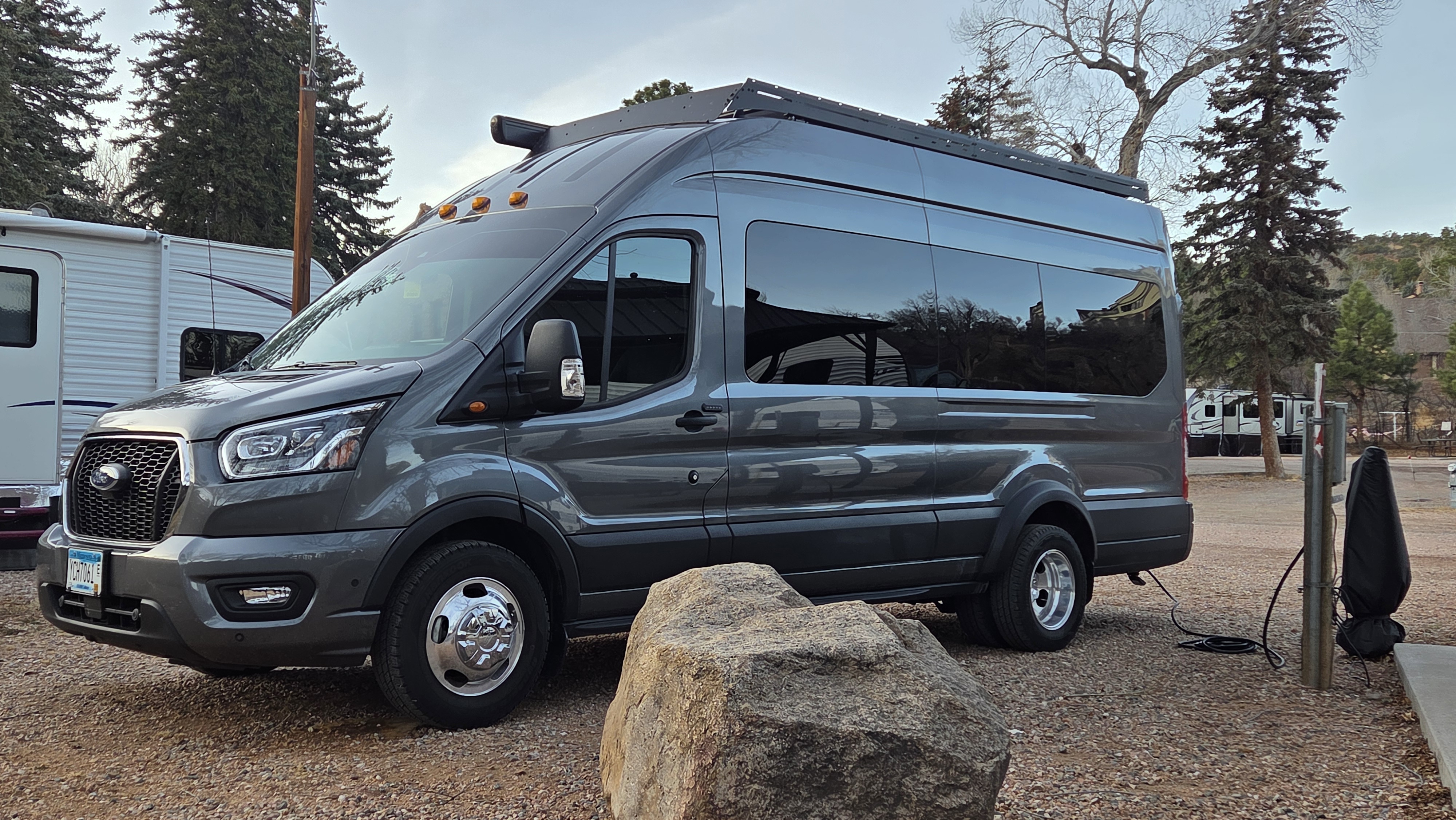
Avoiding Hidden Travel Fees
Air travel often includes additional costs beyond the base ticket price—baggage fees, seat selection, parking, and transportation at your destination. These add-ons can significantly increase the total cost of a trip.
Campervan travel avoids many of these variables. Routes can change, stays can extend, and plans can shift without penalties or rebooking fees. This flexibility reduces both financial and logistical friction.
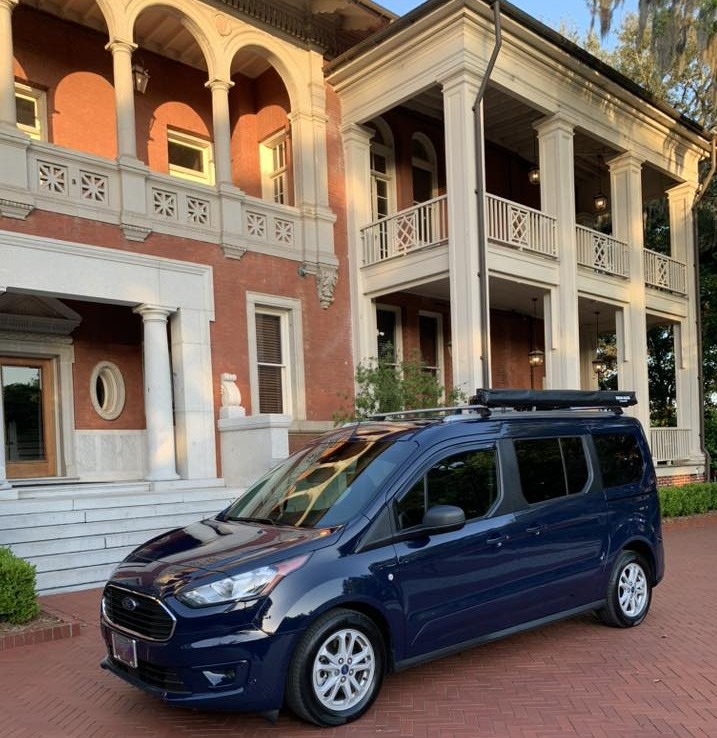
Simplified Setup and Equipment
Traditional camping often requires additional gear—tents, cooking equipment, coolers, and sleeping systems. A campervan integrates these essentials into one setup, reducing both preparation time and equipment costs.
This simplicity makes it easier to travel more often, especially for shorter trips where setup time would otherwise be a barrier.
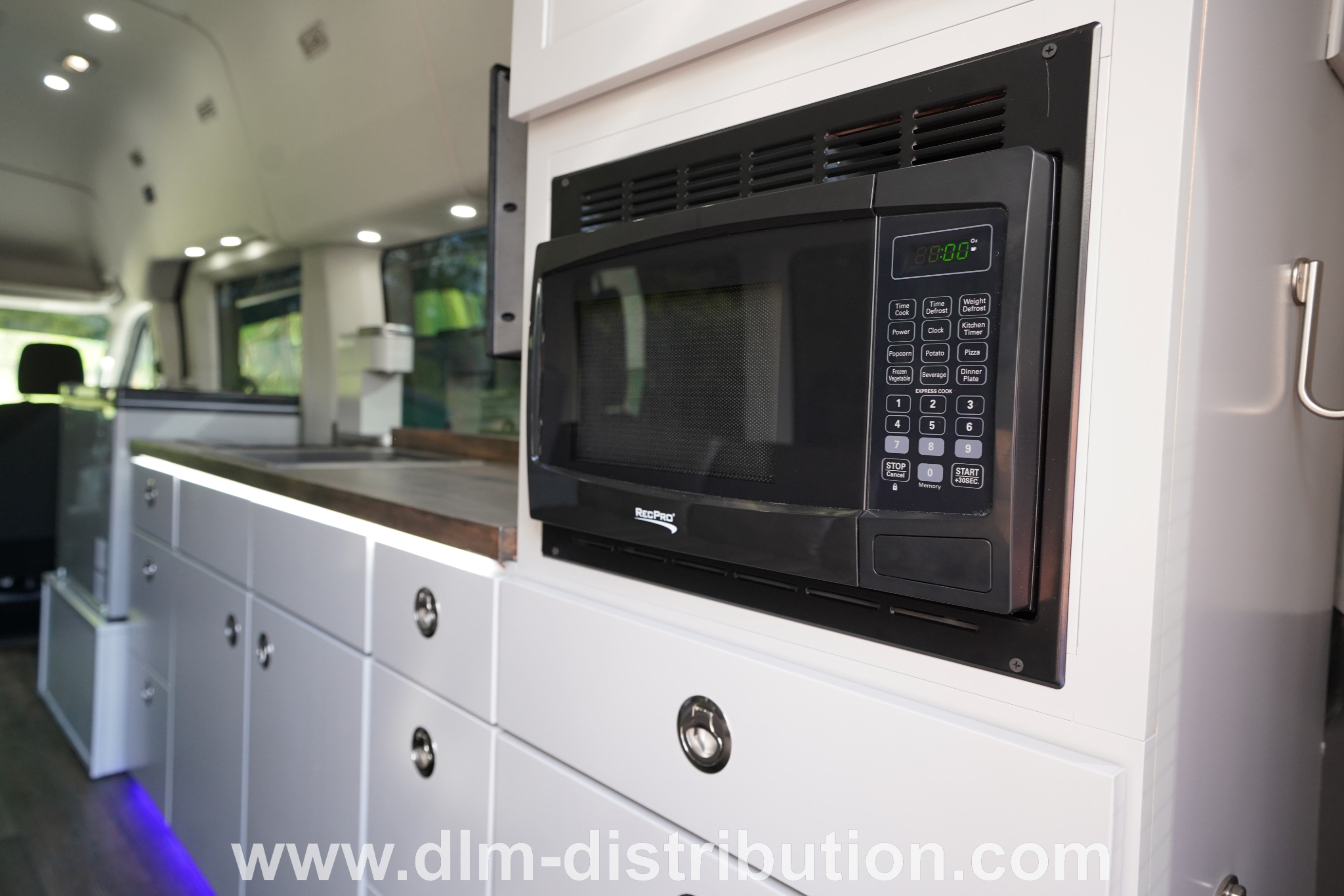
Predictable Ownership Costs
Compared to larger recreational vehicles, smaller campervans are typically easier to maintain. Built on widely supported vehicle platforms, they benefit from standard service networks, predictable maintenance schedules, and more accessible parts availability.
This helps reduce long-term uncertainty and makes ownership easier to manage over time.
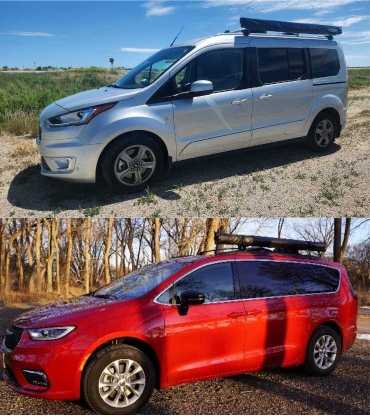
Flexibility That Changes How You Travel
Beyond cost, flexibility is one of the most significant advantages of campervan travel. Being able to leave when you want, stay longer when needed, and adjust plans without penalties changes how travel fits into everyday life.
Instead of being tied to schedules, reservations, and fixed timelines, travel becomes more adaptable and easier to repeat.
Travel That Fits Real Life
Campervan travel is not about replacing every form of travel. It offers an alternative that reduces complexity, lowers recurring expenses, and makes travel more accessible. When transportation, lodging, and flexibility are combined into one system, travel becomes something that can happen more often—not just occasionally.
Happy Camping!
DLM-Distribution / Campervans is a licensed manufacturer and dealer located in Lake Crystal, Minnesota, serving clients around the country.
Contact Dave: 651-285-7089 or Candy: 507-382-9446 today!