
Standing Room or Garageability? Understanding the Campervan Trade-Off
One of the first questions many people ask when considering a campervan is, “Can you stand up inside?” It is an understandable question. Full standing height can make changing clothes, preparing food, organizing equipment, and spending extended time inside a campervan more comfortable.
But there is another question worth asking at the same time: What changes when a campervan becomes tall enough to stand in?
Vehicle height affects much more than the interior. It can determine whether the campervan fits in a residential garage, which parking structures it can enter, how it behaves in crosswinds, how easily it moves through everyday environments, and whether it feels like a vehicle you might use regularly or an RV reserved primarily for trips.
Neither approach is inherently better. A high-roof campervan and a lower-profile, garageable campervan simply make different compromises. Understanding those compromises can be more useful than deciding that standing height—or garageability—must automatically be the priority.
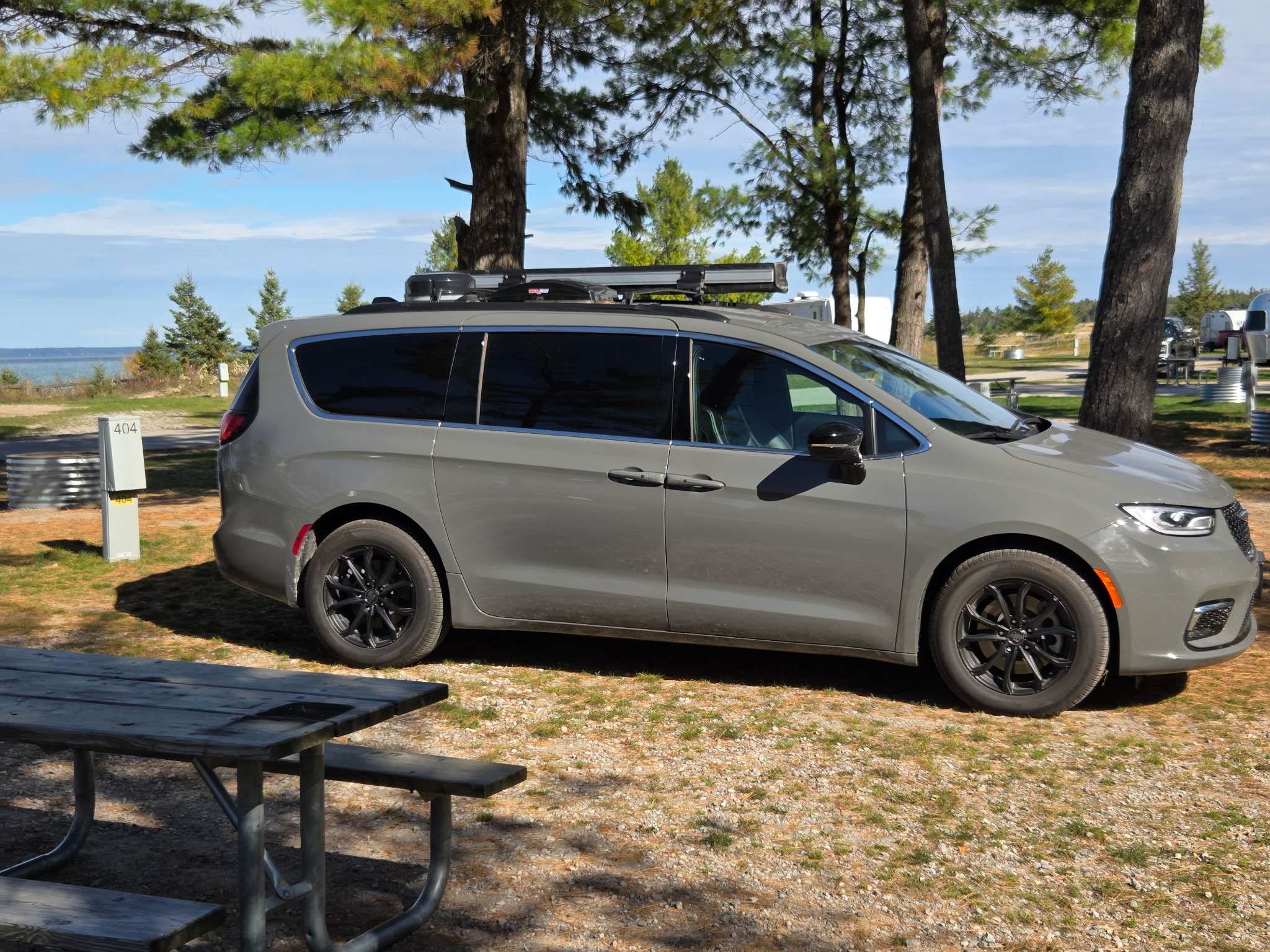
What Standing Room Gives You
The advantages of standing height are easy to understand. If you spend significant amounts of time inside your campervan, being able to stand naturally can make the interior feel more like a small room than a converted passenger vehicle. Preparing meals, changing clothes, organizing belongings, and moving around inside can all be easier when you do not need to remain seated or bent over.
That can matter considerably for travelers who take extended trips, spend long periods inside during poor weather, work from their RV, or simply prefer a more open interior environment. For some people, full standing height is important enough that the additional vehicle height is an easy trade to make.
But gaining that interior space changes the exterior dimensions of the vehicle, and those dimensions remain with you everywhere you drive—not just while you are camping.
What a Lower Profile Gives You
A lower-profile campervan approaches the problem from the opposite direction. Instead of maximizing the amount of space available while standing inside, it preserves more of the dimensions and driving characteristics associated with an everyday passenger vehicle.
That can make a significant difference during a trip. City streets, restaurants, grocery stores, trailheads, scenic overlooks, older campgrounds, ferry terminals, parking lots, and other ordinary destinations generally become easier to navigate when the vehicle is closer to conventional automobile dimensions.
There can also be fewer concerns about overhead clearance. Parking structures, garages, tree branches, covered entrances, and other height restrictions become more relevant as an RV gets taller. A lower vehicle also presents less surface area to crosswinds and generally creates less aerodynamic drag than a comparable taller configuration.
The trade-off, of course, is inside. You give up the ability to stand upright in exchange for retaining more of the advantages of a lower vehicle outside.
Garageability Changes More Than Storage
One of the most significant differences between lower-profile and high-roof campervans may become apparent after the trip is over.
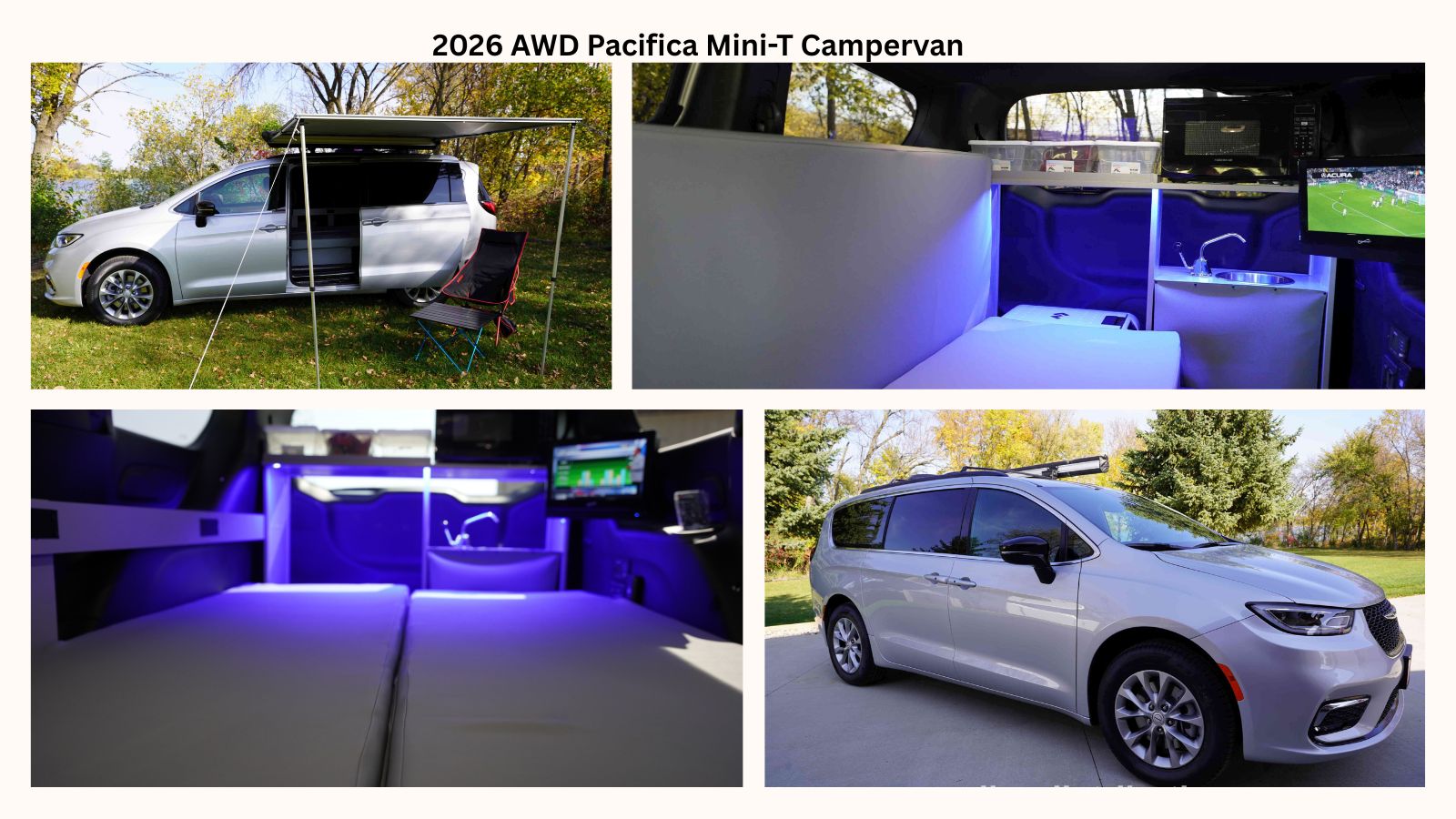
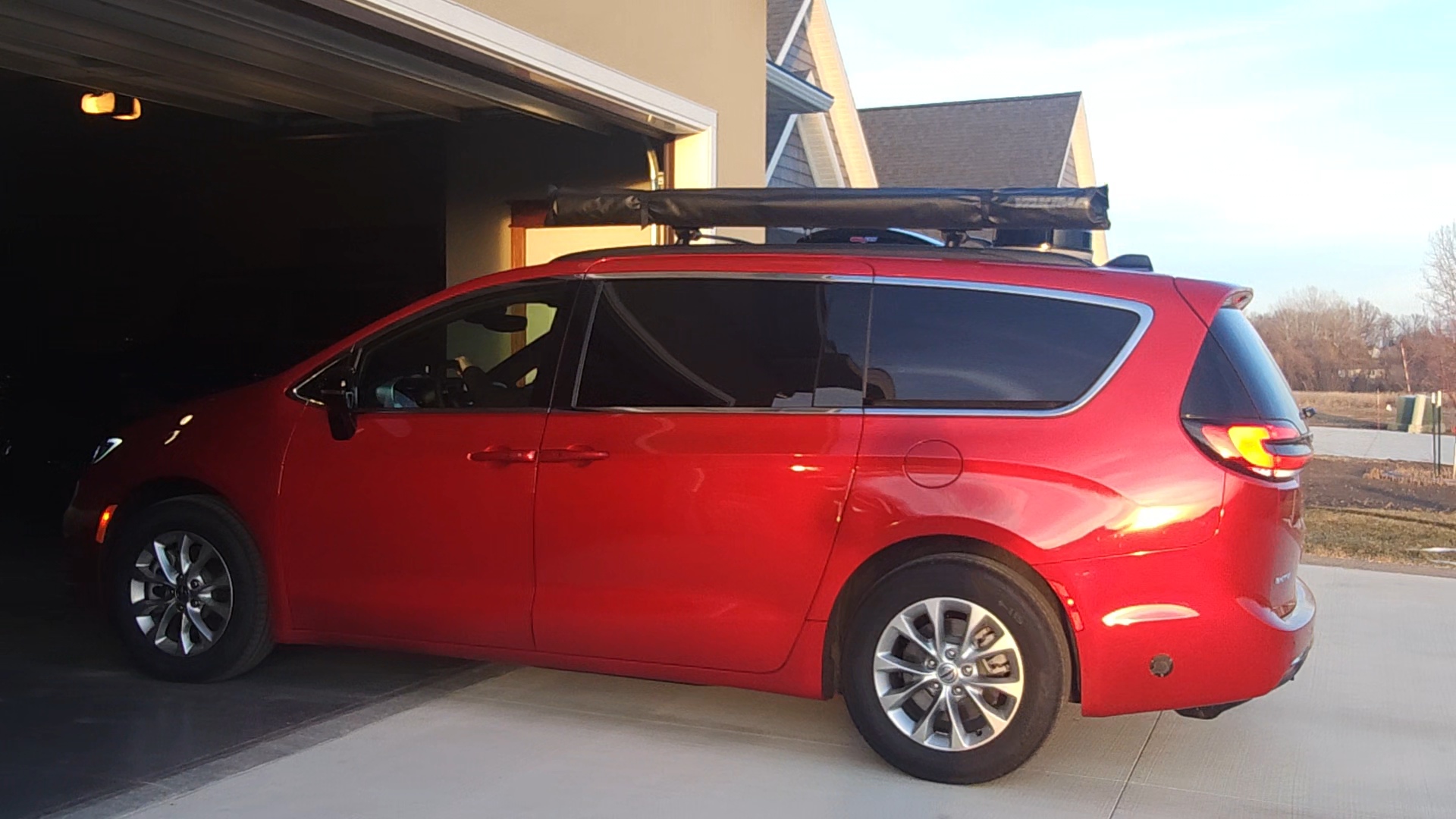
At approximately 6 feet 8 inches tall and just over 17 feet long, the Mini-T Campervan fits in a residential garage and standard parking spaces. For owners with available garage space, that means the campervan can simply come home with them instead of being taken to a separate RV storage facility after every trip.
That distinction can influence the entire ownership experience. A campervan stored at home is nearby when a free weekend appears, when someone needs to make a longer drive, or when an ordinary day unexpectedly turns into an opportunity to go somewhere. It is also protected from much of the weather exposure associated with outdoor storage.
Garageability can be especially important for people living in communities with HOA restrictions or other limitations on outdoor RV parking. But even without those restrictions, being able to put the campervan into the same garage used for an automobile can remove one of the logistical questions that often accompanies RV ownership: Where are we going to keep it?
Think About the Other 350 Days
It is natural to evaluate an RV by imagining yourself at a campsite. But ownership includes all the days when you are not camping too.
A smaller campervan can potentially remain useful during those days because it can function as ordinary transportation. It can make the trip to the grocery store, restaurant, family gathering, sporting event, trailhead, or workplace without requiring the driver to approach the outing as though they are operating a large recreational vehicle.
That everyday usefulness is easy to underestimate while shopping because standing inside a campervan is something you can experience immediately. Garageability, easier parking, lower clearance, and everyday drivability reveal their value gradually over years of ownership.
This is why interior dimensions should not be considered in isolation. The question is not simply how much room the campervan provides when it is parked. It is also how easily the vehicle fits into everything that happens before and after you reach the campground.
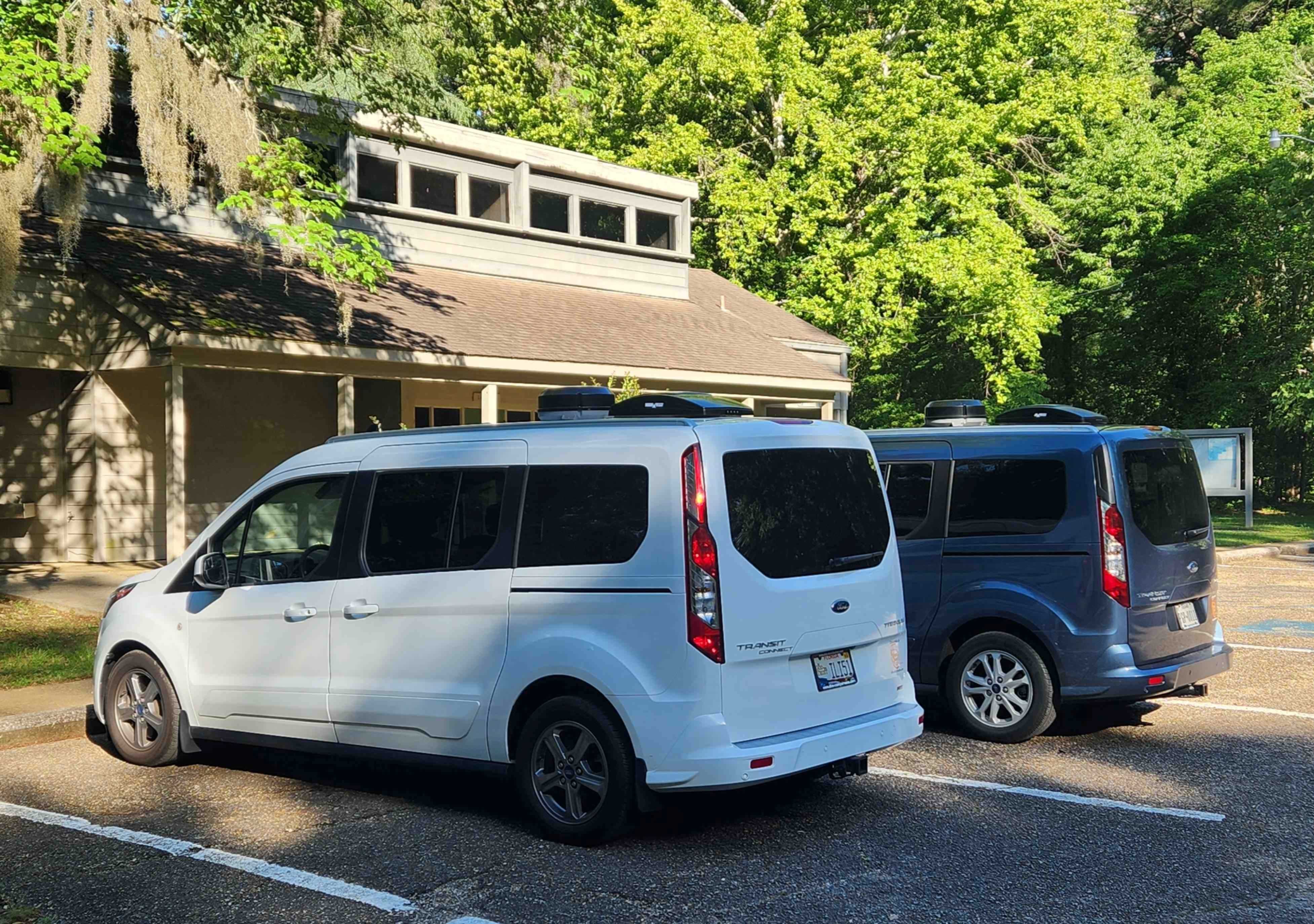
How Much Time Do You Actually Spend Standing Inside?
This is where individual travel style becomes especially important. Some travelers spend considerable time inside their RV. They cook elaborate meals, work indoors, remain at one campsite for extended periods, travel through seasons with unpredictable weather, and want enough interior room to comfortably move around throughout the day. Standing height may contribute substantially to their enjoyment of the vehicle.
Other travelers use the campervan differently. They spend their days hiking, sightseeing, bicycling, visiting towns, attending events, sitting outside, or driving to the next destination. The interior is primarily a comfortable place to sit, eat, relax, organize belongings, and sleep.
For those travelers, giving up standing room may not feel like much of a sacrifice if doing so provides advantages during the many hours spent driving and exploring outside the campervan.
A Small Interior Can Still Do a Lot
Standing height and camping capability are not the same thing. A lower-profile campervan can still provide many of the conveniences that make independent road travel comfortable.
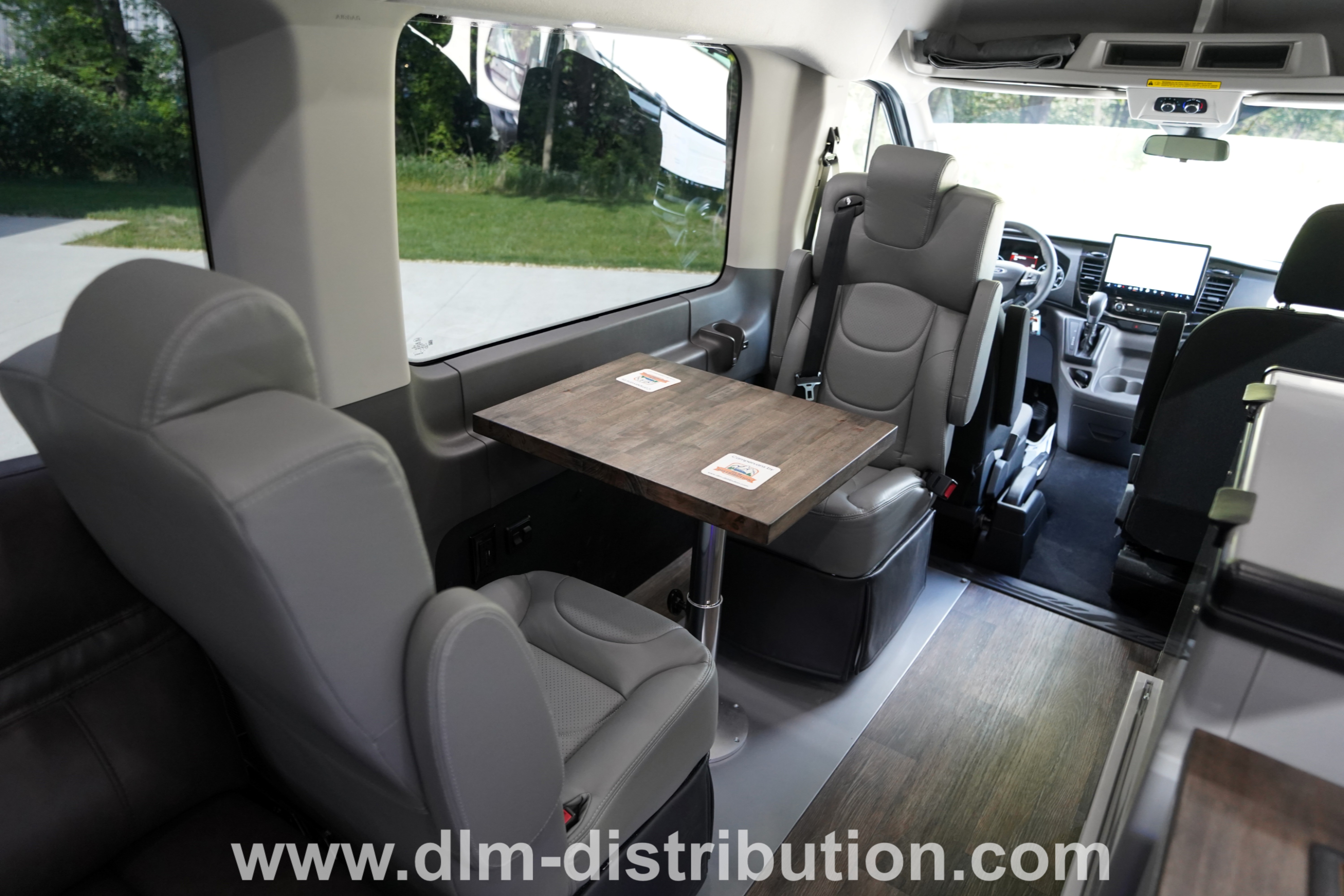
In a Mini-T Campervan, the interior provides a couch that converts into a bed, refrigeration, a microwave, sink, storage, privacy features, and an electrical system designed to support camping away from conventional hookups. The camping batteries can be replenished through solar, while driving, or through shore power when available, allowing the vehicle to support off-grid travel without requiring a generator.
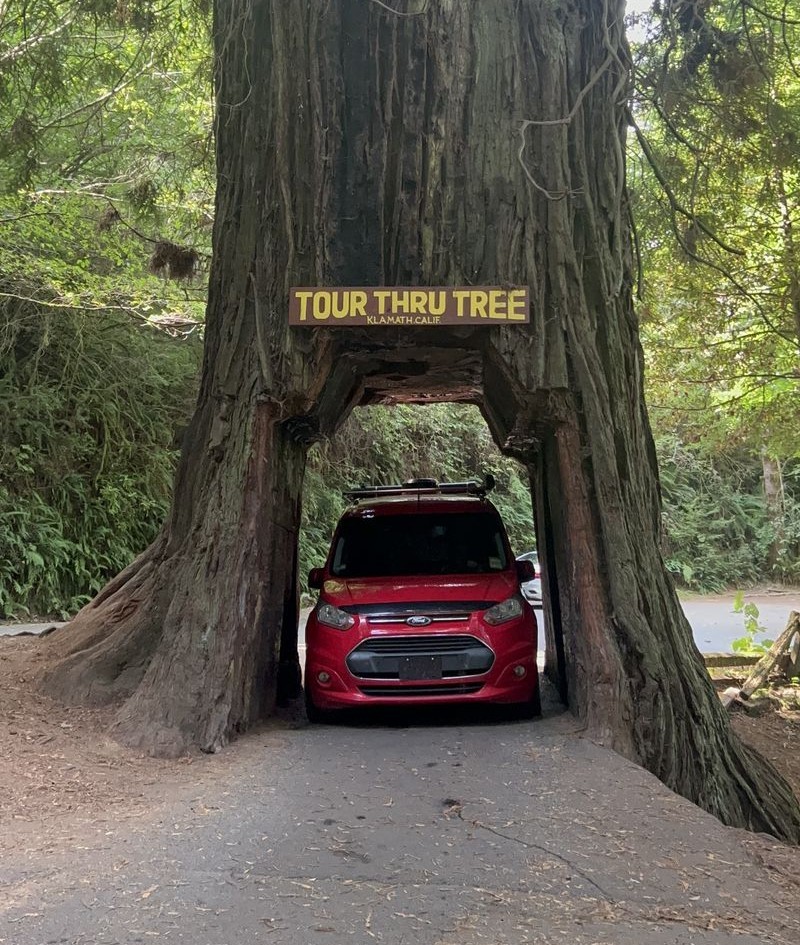
The interior is not intended to imitate the living room of a large motorhome. That is part of the compromise. Instead, the space provides the things needed for traveling, relaxing, and sleeping while preserving a vehicle size that remains practical outside the campground.
When a High Roof Is the Better Choice
There are plenty of situations in which the balance tips in the other direction. If standing comfortably inside is important to you, choosing a high-roof campervan may be exactly the right decision.
Someone planning extended journeys may place a higher value on interior movement than garage storage. A traveler who expects to spend significant time working inside the campervan may feel the same way. Height, mobility, personal comfort, climate, trip duration, and the amount of time typically spent indoors can all influence that decision.
The Mini-T HR (High Roof) Campervan, for example, takes that approach by providing full standing height for travelers who place greater value on interior room.
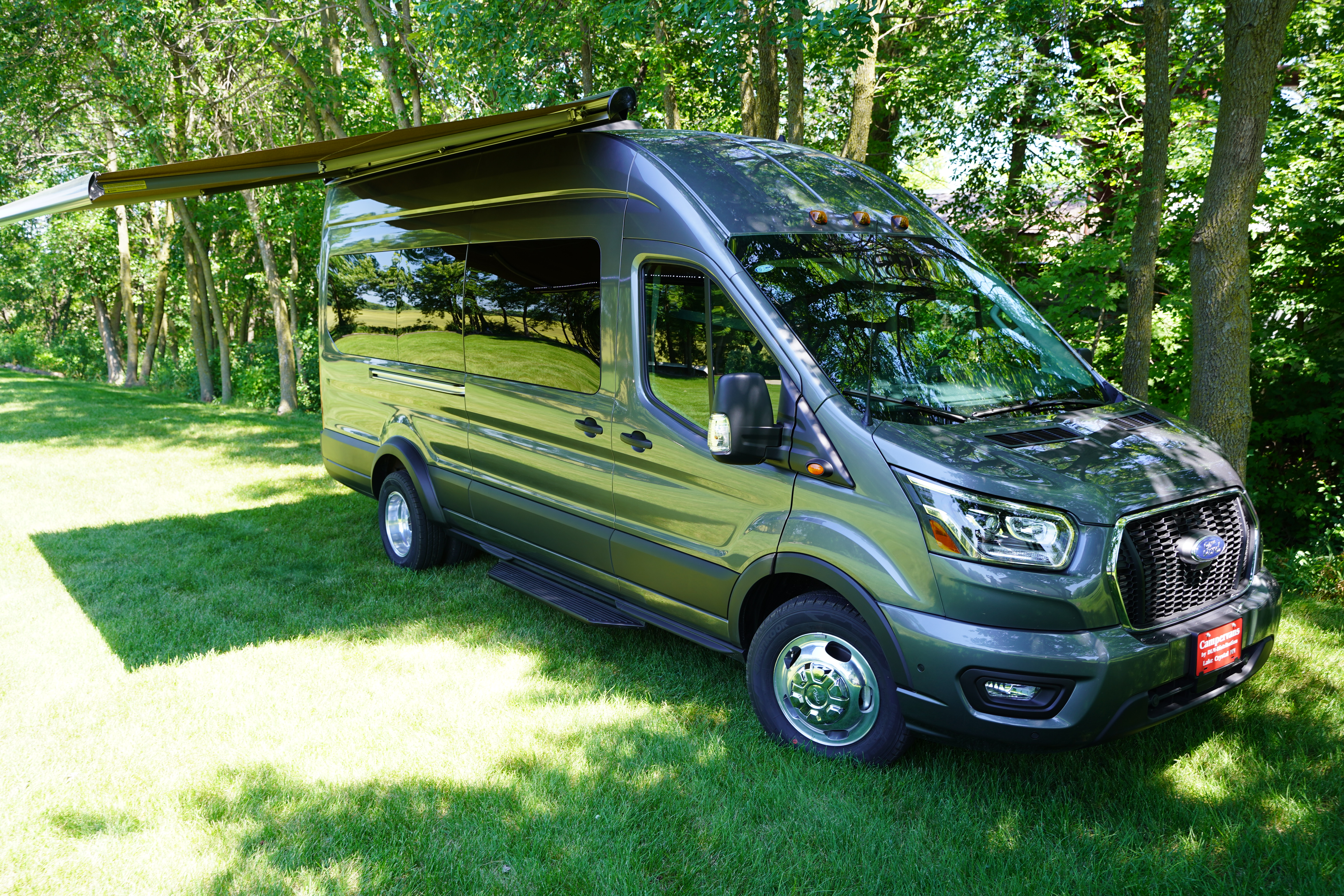
The additional height naturally changes other aspects of ownership. A high-roof campervan may no longer fit in a typical residential garage or certain parking structures, and the larger exterior profile can affect aerodynamics, wind response, storage options, and everyday maneuverability. Those are not necessarily reasons to avoid a high roof. They are simply part of what comes with choosing more interior space.
There Is No Free Interior Space
Every RV involves compromises because additional space has to come from somewhere. More interior height means more exterior height. More length provides additional living space but creates a longer vehicle to park and maneuver. More equipment adds capability but also adds weight, complexity, and cost.
That does not make larger RVs impractical, nor does it automatically make smaller RVs better. It simply means that RV design is an exercise in deciding which compromises best support the way you intend to travel.
Standing room is one of those decisions. It is valuable, visible, and easy to appreciate while walking through an RV. Garageability and a lower exterior profile are different. Their advantages tend to appear later—when you pull into your garage, enter a parking ramp, navigate a crowded destination, encounter a windy highway, or realize that taking the campervan somewhere does not require much more planning than taking a car.
Choose for the Way You Actually Travel
The best campervan is not necessarily the one with the most interior room, nor is it automatically the smallest one. It is the one whose compromises align most closely with the way you expect to use it.
If you value full standing height and expect to spend considerable time inside, a high-roof campervan may make your travels considerably more comfortable. If garageability, everyday transportation, easier parking, lower clearance, and a smaller exterior footprint matter more, giving up standing height may be a very worthwhile trade.
Try to imagine both sides of ownership. Picture yourself inside the campervan on a rainy evening, but also picture yourself driving through a city, pulling into a restaurant, finding a parking space at a popular destination, returning home after a long trip, and deciding where the vehicle will spend the night.
The right choice is the one that works well in all of those moments—not simply the one that feels largest while you are standing inside it.
DLM-Distribution / Campervans is a licensed manufacturer and dealer located in Lake Crystal, Minnesota, serving clients around the country.
Contact Dave: 651-285-7089 or Candy: 507-382-9446 today!