
Camping Doesn't Have to End Because You Use a CPAP or Oxygen Concentrator
For many travelers, using a CPAP, APAP, BiPAP, or oxygen concentrator is simply part of everyday life. The equipment may be important, routine, and non-negotiable. But that does not mean camping, road trips, state parks, national parks, scenic byways, or quiet nights outdoors have to come to an end.
One of the biggest fears people have when they rely on powered medical equipment is simple: Can I still travel if I need electricity at night? For many people, the answer is yes, provided the trip is planned carefully and the power system is appropriate for the equipment being used.
Camping with a CPAP or oxygen concentrator is not about taking unnecessary risks. It is about understanding your equipment, planning realistically, and choosing a travel setup that gives you reliable power, flexibility, and confidence.
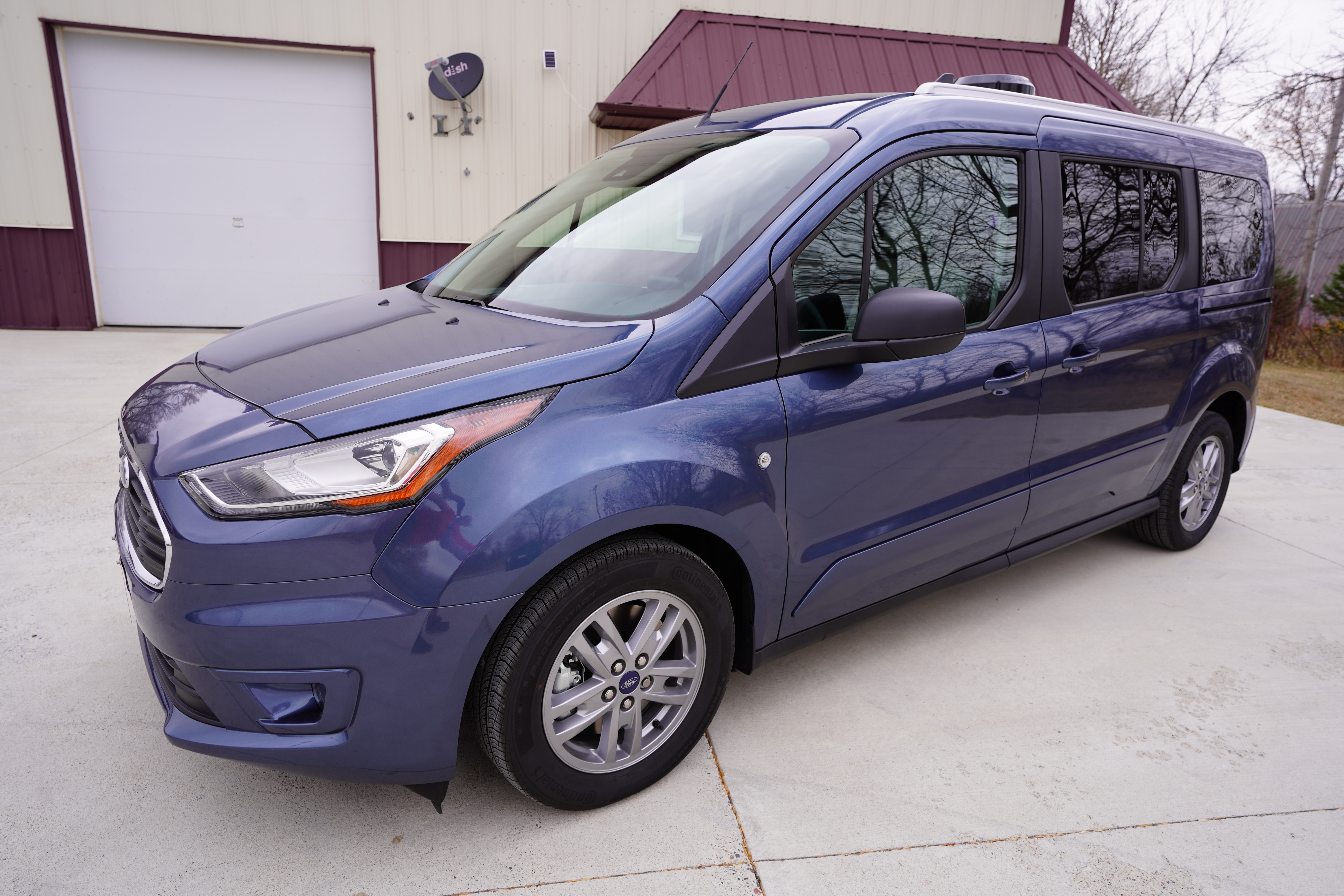
The Real Question Is Not Whether You Can Camp. It Is Whether You Have Reliable Power.
People often frame the question as, "Can I camp with a CPAP?" or "Can I use oxygen while camping?" But in most cases, the equipment itself is not the biggest obstacle. The bigger issue is power.
Will the device run all night? Will the power source be stable? Can it be recharged? What happens if the weather is cloudy? What happens if you stay an extra night? What if you are using heated humidification? What if your oxygen equipment needs to operate continuously?
Those questions matter because CPAP machines and oxygen concentrators are not camping gadgets. They are medical devices. The power plan needs to be treated seriously, especially for travelers who depend on oxygen or prescribed overnight therapy.
A properly designed campervan electrical system can make this type of travel far more practical than relying on small portable batteries alone.
CPAP, APAP, and BiPAP Use While Camping
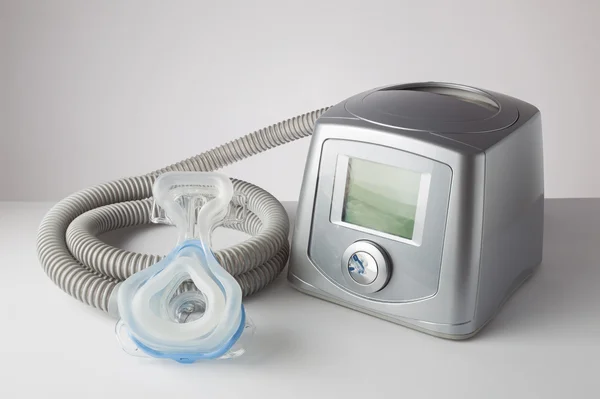
CPAP, APAP, and BiPAP machines are commonly used for sleep apnea and related breathing conditions. Many travelers already use these devices every night at home and want to keep the same routine while camping.
Power use varies widely by machine, pressure setting, mask leak, altitude, heated tubing, humidifier use, and whether the device is powered through AC or DC. Heated humidification can increase power consumption significantly, while some travelers reduce power needs by turning humidification down or off when appropriate.
Because equipment varies, travelers should check the device label, owner's manual, or manufacturer specifications and speak with their medical equipment supplier before relying on any off-grid setup. The goal is not to guess. The goal is to know what your device requires and how long your power system can support it.
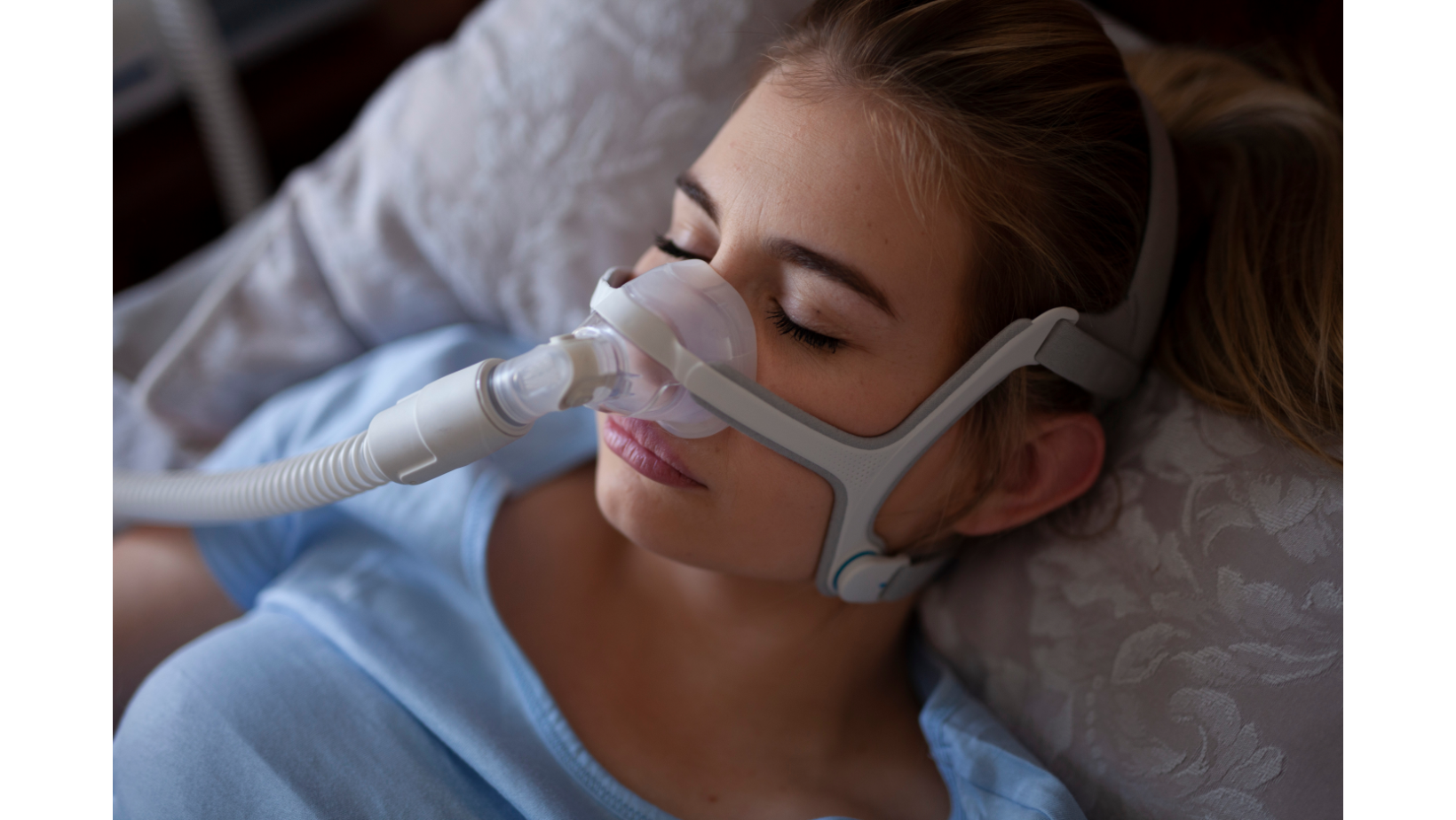
Oxygen Concentrators Require Extra Planning
Oxygen concentrators deserve special attention because oxygen therapy can be essential and may be prescribed for continuous or overnight use. Some travelers use portable oxygen concentrators. Others rely on larger home-style concentrators. Power requirements can vary greatly depending on the unit and flow setting.
If oxygen is medically necessary, a backup plan is not optional. Travelers should speak with their physician, oxygen supplier, or medical equipment provider before camping off-grid. Ask about backup oxygen, battery options, emergency planning, travel limits, altitude concerns, and whether your equipment is appropriate for the trip you are planning.
It is also important to understand oxygen safety. Oxygen supports combustion, so open flames, smoking, fuel, heaters, and campfire areas must be managed carefully. Follow your oxygen provider's instructions and the manufacturer's safety guidance for your specific equipment.
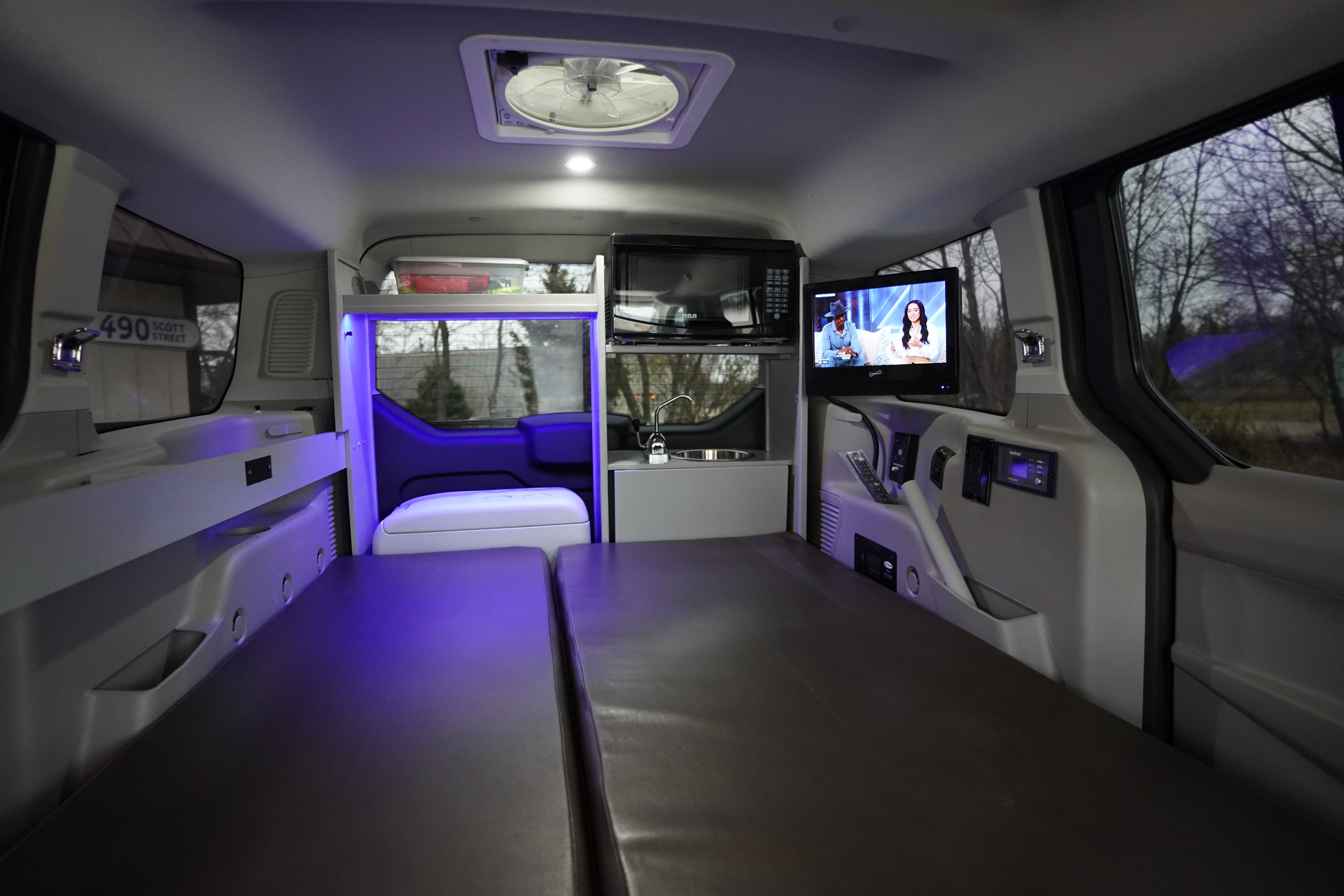
Not All Camper Electrical Systems Are Equal
Some campers rely on a single portable power station. Others depend on campground hookups. Some RVs use generators. Some vehicles have solar, but little usable battery capacity. Others have batteries but limited charging capability.
When medical equipment is part of the trip, the entire electrical system matters. Battery capacity, charging sources, inverter quality, solar input, alternator charging, shore power charging, wiring, monitoring, and overall system design all work together.
A reliable setup should answer several practical questions:
How much power does the medical device need?
How many hours must it run?
Can the system support the device overnight?
How will the battery bank recharge the next day?
Will cloudy weather, shade, cold temperatures, or a stationary campsite reduce charging?
Is there a backup plan if power use is higher than expected?
These are the same questions travelers should ask before any off-grid trip, but they become especially important when a medical device is involved.
Pure Sine Wave Power Matters for Sensitive Electronics
Many CPAP machines and oxygen concentrators are sensitive electronic devices. For that reason, power quality matters. A pure sine wave inverter is generally preferred for sensitive electronics because it provides cleaner, more household-like AC power than modified sine wave inverters.
Travelers should confirm that their specific device is compatible with the power source they plan to use. Some CPAP manufacturers offer DC power options or DC converters, which may reduce power loss compared with running through an inverter. Others may work well from standard 120V AC power when the inverter and electrical system are properly designed.
The right answer depends on the device, the travel setup, and the user's needs. Manufacturer guidance should always take priority.
Camp Where You Want, Not Only Where Power Is Available
For many travelers who use CPAP or oxygen equipment, the easiest solution may seem to be reserving campsites with electrical hookups. That can work well, and for some people it may be the best choice. But relying only on hookups can limit where and when you travel.
Many beautiful campgrounds have limited electrical sites. Some national park, state park, Forest Service, Bureau of Land Management, Corps of Engineers, and county campgrounds may offer few hookups or none at all. In peak season, powered sites can be hard to reserve. In quieter places, power may simply not be part of the camping experience.
A campervan with an integrated off-grid electrical system gives travelers more options. It may allow overnight medical equipment use while staying in quieter campgrounds, dry camping sites, or locations where shore power is not available.
That flexibility matters. It can mean staying closer to trailheads, lakes, scenic drives, national parks, public lands, and the kinds of places many travelers hoped to visit in the first place.
Generators Are Not Always the Best Answer
Generators can provide power, but they are not always ideal for overnight medical equipment. Many campgrounds restrict generator hours, especially during quiet time. Generators also create noise, require fuel, need maintenance, and may not be welcome in peaceful camping settings.
For someone who needs power while sleeping, a generator that cannot run overnight may not solve the real problem. A battery-based campervan electrical system can often provide a quieter and more practical solution when properly designed for the load.
This is one reason many travelers are interested in campervans with built-in battery storage, solar charging, alternator charging, shore power charging, and inverter-based 120V power.
The Mini-T Campervan Was Built Around Practical Off-Grid Travel
The Mini-T Campervan by DLM-Distribution is designed with off-grid electrical capability as part of the campervan's core function. Rather than treating power as an afterthought, the Mini-T integrates battery storage, solar charging, vehicle charging while driving, shore power charging, and household-style 120V power through a pure sine wave inverter.
That kind of integrated design can be especially important for travelers who rely on CPAP, APAP, BiPAP, or certain oxygen equipment. It gives them a practical way to maintain familiar nighttime routines while still enjoying the flexibility of campervan travel.
As explained in how the Mini-T Campervan electrical system works, the value of the system is not just one component. It is how the components work together: stored energy, charging while driving, solar input, shore power when available, and usable 120V power inside the campervan.
Traveling Small Can Be an Advantage
Many articles about RV medical-device power focus on large motorhomes, but not every traveler wants to drive or store a large RV. Some people are not comfortable with the size. Some live in neighborhoods or HOA communities where large RV storage is difficult. Others want a vehicle that can still be used for everyday driving, errands, appointments, and normal transportation.
A small campervan can provide the power and travel flexibility many people need without requiring them to take on the size and complexity of a large motorhome. That matters for travelers who want freedom but do not want to give up everyday practicality.
For someone who uses a CPAP or oxygen concentrator, the goal is not to own the biggest RV. The goal is to travel safely, sleep comfortably, maintain important routines, and keep exploring.
Plan Your Power Before You Leave
Before traveling off-grid with medical equipment, take time to calculate and test your setup. Do not wait until the first night at a remote campsite to find out whether your equipment and power system work together.
Start by identifying your device's power requirements. Check the label, manual, manufacturer website, or contact your equipment supplier. Confirm whether your device uses AC power, DC power, or a specific converter. Understand how humidification, heated tubing, flow setting, or pressure setting may affect power use.
Then test the system at home or in the driveway. Run the device overnight using the same setup you plan to use while camping. Check remaining battery capacity in the morning. Repeat the test if you use humidification or if you expect longer nights, cold weather, or multiple days without shore power.
Testing builds confidence and reveals problems before they become trip problems.
Build a Backup Plan
Even with a strong electrical system, responsible travel includes a backup plan. This is especially important for oxygen users and anyone whose equipment is medically essential.
A backup plan may include extra batteries, a DC adapter, backup oxygen as recommended by your supplier, campground electrical reservations when needed, knowledge of nearby towns or medical facilities, a way to monitor battery capacity, and a plan to relocate if power or oxygen supply becomes uncertain.
Travelers should also keep emergency contacts, prescriptions, equipment model numbers, and provider information available. For oxygen users, discuss travel and backup planning with your oxygen supplier before the trip.
The goal is not to make travel fearful. The goal is to make travel realistic and safe.
Talk with Your Healthcare Provider or Equipment Supplier
This article is not medical advice. Anyone who relies on CPAP, BiPAP, APAP, oxygen therapy, or other powered medical equipment should talk with their healthcare provider or equipment supplier before changing routines or traveling off-grid.
Ask practical questions. Can your device be used safely while traveling? Does altitude matter? How should the device be powered? Should humidification be used? What backup power or oxygen is recommended? What warning signs should you watch for? What should you do if equipment stops working?
Good medical guidance and good power planning work together.
The Emotional Side: Travel Does Not Have to Be Over
Receiving a CPAP prescription or beginning oxygen therapy can feel like a major life change. For some people, one of the first thoughts is, "Does this mean I cannot camp anymore?" or "Are road trips going to become too difficult?"
Those concerns are understandable. But for many travelers, the need for medical equipment does not end the desire to explore. It simply changes the planning.
There is something deeply meaningful about realizing that the door to travel may still be open. A quiet campground, a scenic overlook, a national park road, a lakeside morning, a visit to family, or a long-planned road trip may still be possible with the right setup and preparation.
That matters because travel is not only about distance. It is about independence, confidence, curiosity, and staying connected to the world.
Comfortable Nights Make Better Days
Sleep matters on the road. A traveler who sleeps well is more likely to enjoy hiking, sightseeing, driving, visiting family, or simply relaxing at camp. For CPAP users, maintaining a familiar sleep routine can make a trip more comfortable and more sustainable.
That is one reason reliable overnight power is so important. It is not just about running a machine. It is about protecting the quality of the trip.
When travelers know their equipment can operate as expected, they can spend less energy worrying and more time enjoying the places they came to see.
Camping Can Continue, but Planning Matters
Camping with a CPAP or oxygen concentrator requires more thought than simply packing a sleeping bag. But more planning does not mean less freedom. In many cases, the right campervan setup creates more freedom because it reduces dependence on campground hookups and large RV infrastructure.
With a properly designed electrical system, realistic expectations, medical guidance, and a backup plan, many travelers can continue enjoying the kind of trips that matter to them.
The destination may change. The equipment you bring may change. The way you plan may change. But the freedom to travel does not have to end.
A Practical Path Forward
For travelers who rely on powered medical equipment, the most important question is not whether camping is still possible. The better question is what setup makes camping practical, reliable, and comfortable.
A small campervan with an integrated off-grid electrical system can be a powerful solution for many people. It allows travelers to remain mobile, avoid the size of a large motorhome, maintain familiar routines, and continue exploring places that might otherwise feel out of reach.
Camping does not have to end because you use a CPAP or oxygen concentrator. With the right planning and the right power system, it can continue in a way that is safe, comfortable, and deeply rewarding.
Here’s to comfortable travel, restful nights, and the freedom to keep exploring.

DLM-Distribution / Campervans is a licensed manufacturer and dealer located in Lake Crystal, Minnesota, serving clients around the country.
Contact Dave: 651-285-7089 or Candy: 507-382-9446 today!