
Inside the Mini-T Campervan’s Electrical System: Simple to Use, Built for Real Off-Grid Travel
Small campervans are often assumed to be electrically simple. Many people expect limited power, basic lighting, and a reliance on campground hookups or generators. In practice, that assumption holds true for many micro RVs. The Mini-T Campervan takes a different approach.
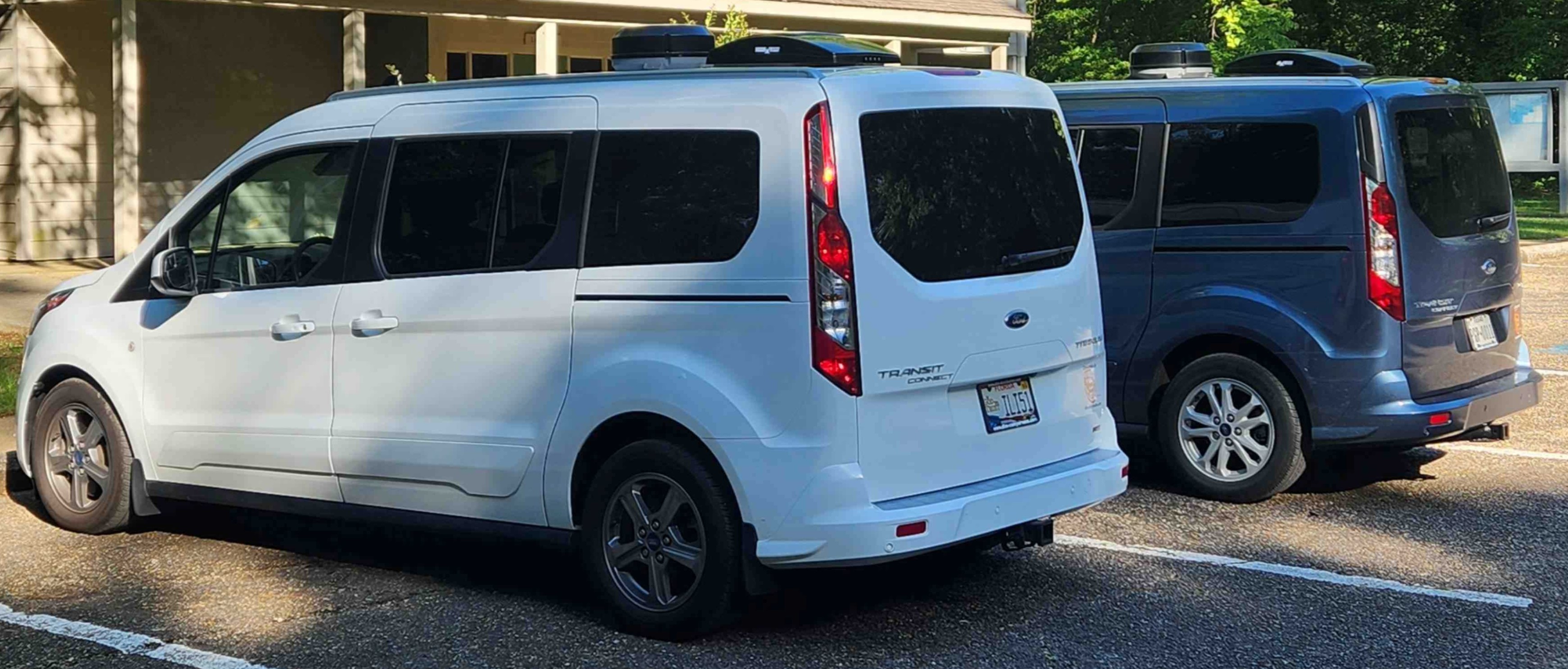
The Mini-T Campervan by DLM-Distribution, manufactured in Minnesota with nationwide delivery available, is designed with a fully integrated electrical system that supports the way people actually travel and camp. While operation is intentionally straightforward for the user, the system behind it is designed to provide dependable off-grid capability without relying on a generator.
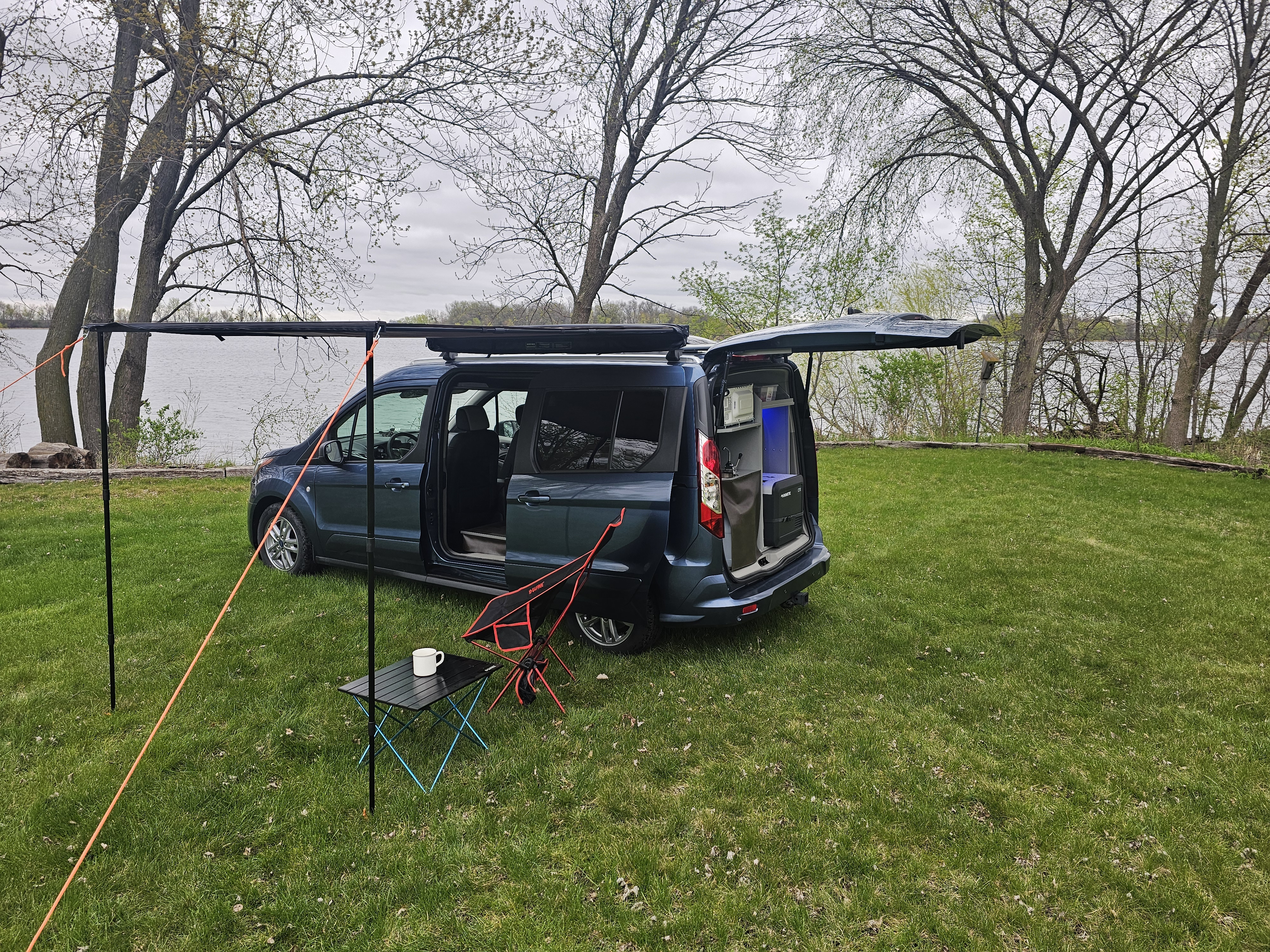
Designed for Everyday Comfort Without External Power
One of the defining characteristics of the Mini-T Campervan is that everyday conveniences remain usable even when shore power isn’t available. Many RVs—regardless of size—depend on hookups or generators for certain higher-demand functions. That dependence can influence where travelers camp and how they use their RV once they arrive.
The Mini-T electrical system is designed differently. Refrigeration, ventilation, lighting, onboard electronics and other everyday electrical needs can operate from the house electrical system, and even the onboard microwave can be used without plugging into shore power or starting a generator.
That capability makes it possible to choose campsites based more on where you want to stay and less on whether an electrical pedestal is available. It also means quieter camping without adding generator operation to the routine.
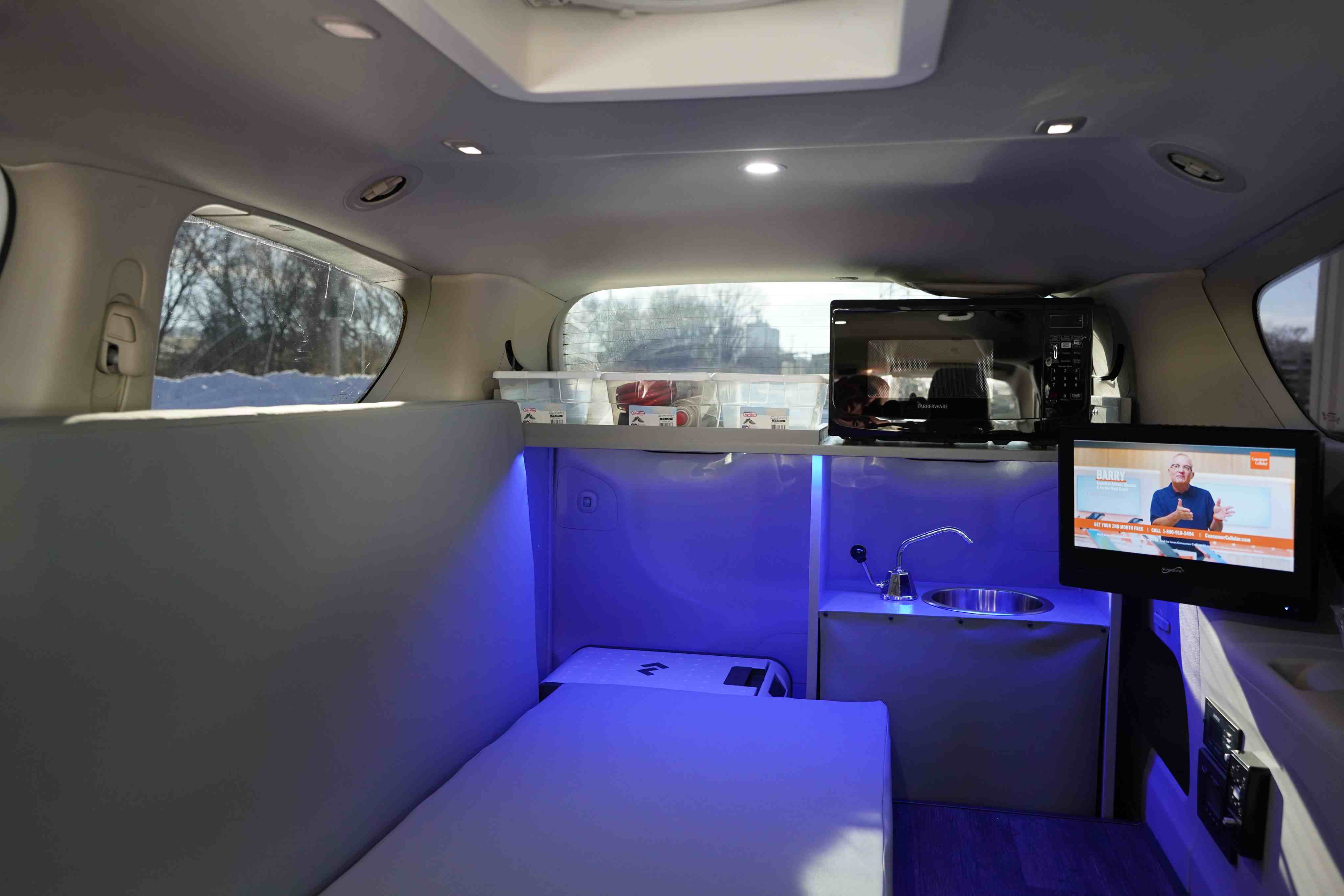
A Power System Built for Stability and Long-Term Use
At the core of the Mini-T Campervan’s electrical system is a durable power storage and management setup designed for repeated use over time. Rather than treating individual components as isolated features, the system is designed around how energy is collected, stored, converted and used throughout a trip.
This coordinated approach supports higher-demand appliances while providing predictable operation through the changing conditions a campervan encounters, including temperature variations, road vibration, frequent travel and repeated charging and discharging. The objective is dependable electrical capability without making ownership unnecessarily complicated.
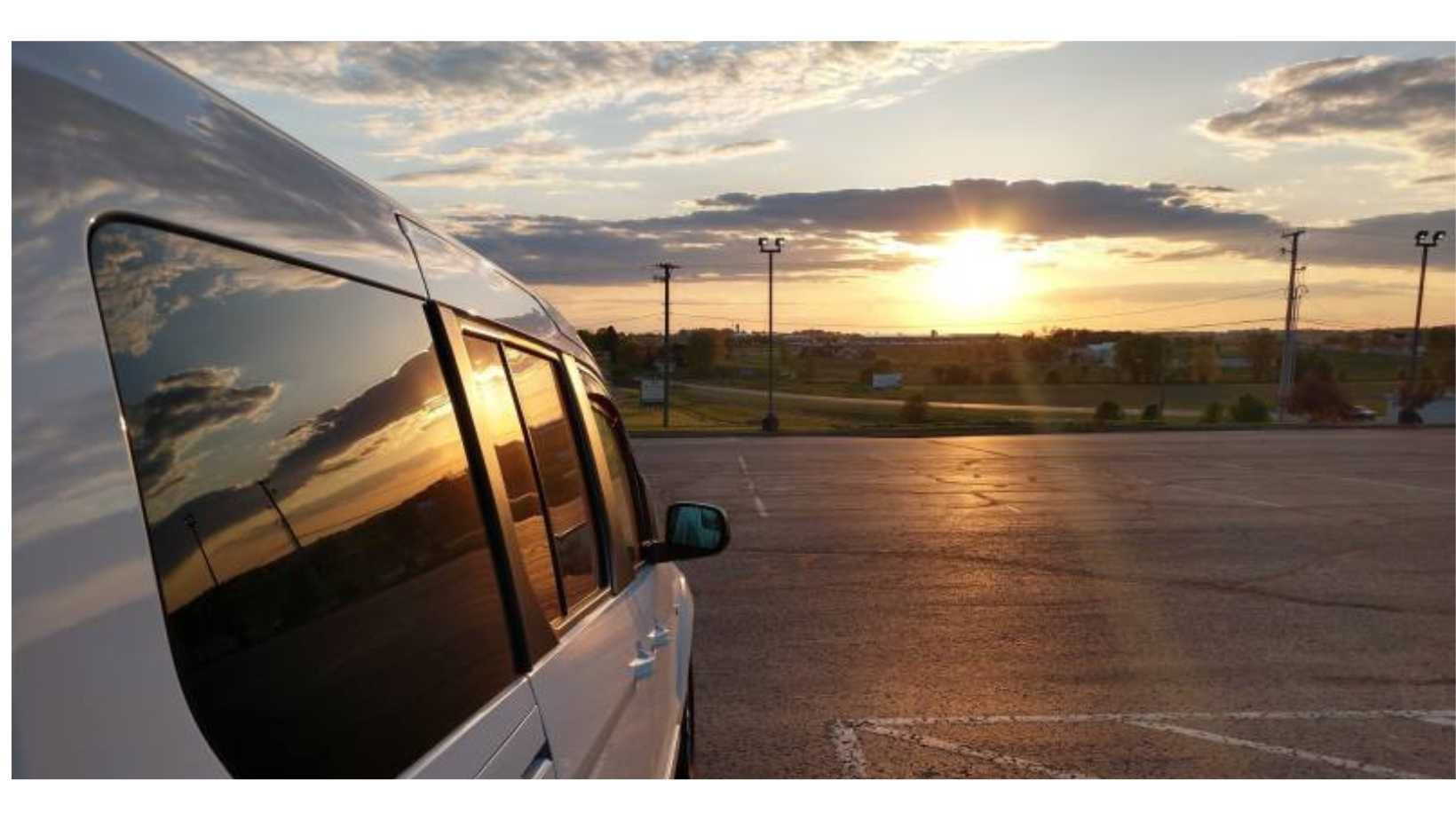
Solar Charging as a Built-In Part of the System
Solar charging in the Mini-T Campervan is not treated as an accessory—it is integrated into the electrical system. Whenever suitable sunlight reaches the rooftop solar panels, they can contribute energy to the house electrical system whether the campervan is parked at a campsite, sitting during a day of exploring or traveling down the road.
That contribution helps replace energy being used by refrigeration, lighting, ventilation and other electrical loads. During longer stays without hookups, solar becomes particularly useful because it can continue contributing energy without requiring the campervan to be driven simply for charging.
For many travelers, this means greater freedom to choose a campsite because of where they want to stay rather than simply because electrical service is available.
Charging While Driving
Solar is not the Mini-T Campervan’s only way of replenishing stored energy. The house electrical system can also recharge while the vehicle is being driven, giving travelers another charging source as they move between destinations. At the same time, rooftop solar can continue contributing whenever sunlight conditions permit.
Travel time therefore becomes part of the energy-replacement cycle. Energy used while camping can be replenished as the Mini-T travels to the next destination, with solar, vehicle charging and shore power each providing different opportunities to maintain the house battery system.
This natural transition between driving and camping is one of the reasons the Mini-T electrical system works so well with the way campervans are actually used.

Supporting Real Travel Needs
The Mini-T Campervan electrical system is designed around the equipment travelers actually use rather than simply providing basic lighting and device charging. Refrigeration can continue operating throughout the trip, ventilation remains available when camping, personal electronics can be charged, and the onboard microwave can be operated from the house electrical system without requiring a generator.
Just as importantly, stored battery power remains available overnight when solar is no longer producing energy. The result is an electrical system designed around the complete travel cycle—driving, camping, daytime use and overnight use—rather than around a single source of power.
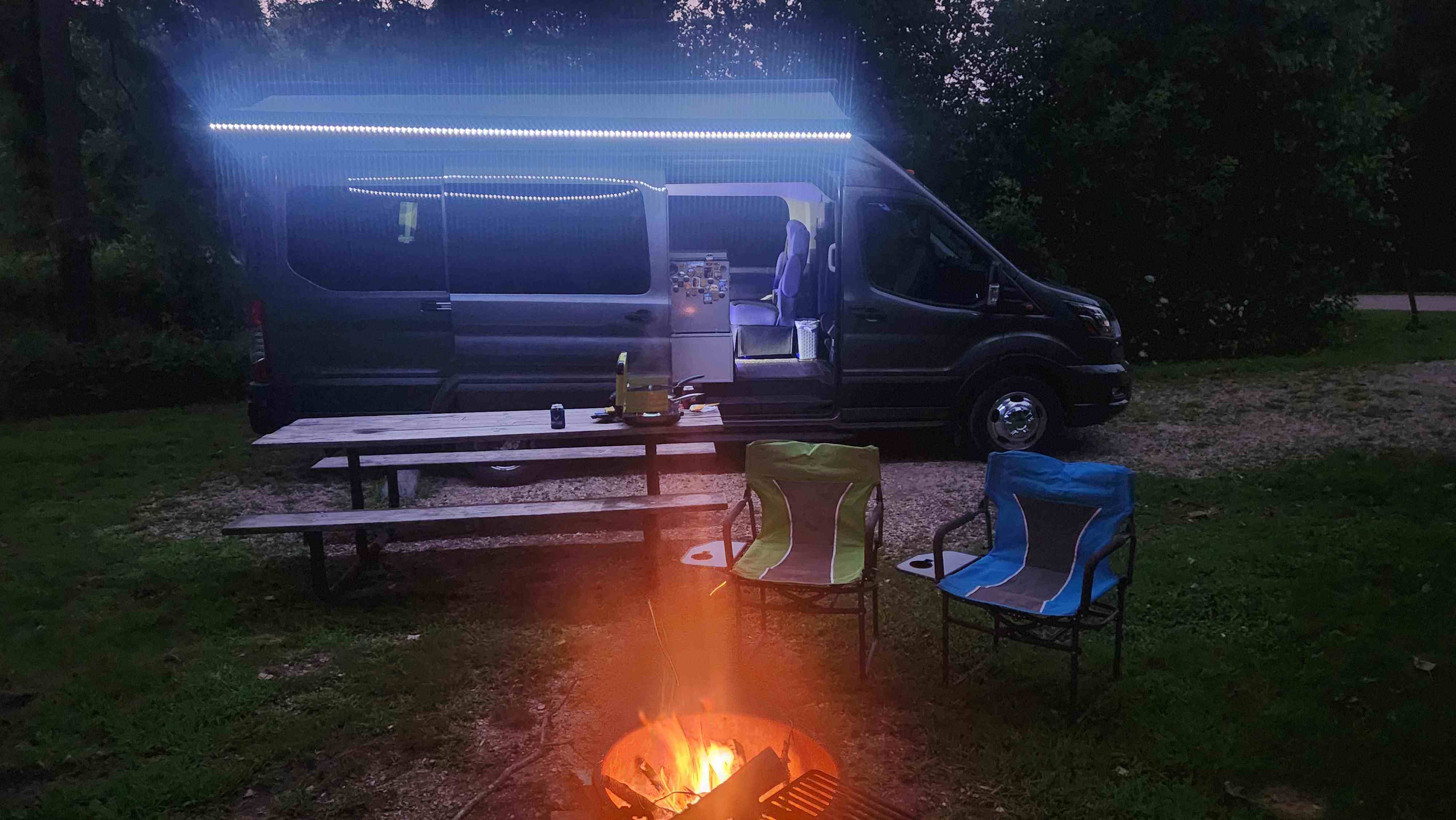
Simple by Design
Perhaps the most important part of the electrical system from an owner’s perspective is how little attention it should require during ordinary travel. Capability does not have to mean complexity for the person using it.
The Mini-T system is designed to operate largely in the background as different sources contribute energy and onboard equipment uses it. Solar can contribute when sunlight is available, driving can replenish stored energy, and shore power provides another charging source when the campervan is connected at home or at a campsite.
This balance—meaningful capability with straightforward operation—is intentional. Instead of making electrical management a central part of camping, the system is designed to support the trip while the traveler focuses on everything else.
A Foundation for Flexible Travel
The electrical system is not a standalone feature—it supports everything the Mini-T Campervan is designed to do. Whether used as an everyday vehicle, a weekend camper or for extended travel, the system works in the background as the Mini-T moves between driving, camping off-grid and connecting to shore power when it is available.
For those comparing campervans or micro RVs, understanding how the electrical system actually performs away from hookups can be far more meaningful than looking at individual components alone. The important questions are practical ones: what can be used when shore power is unavailable, how is stored energy replenished, and how much involvement does the system require from the traveler?
In the Mini-T Campervan, the objective is straightforward: provide the electrical capability travelers need while keeping the experience of using it simple. That combination supports the flexibility at the heart of campervan travel—the ability to arrive somewhere interesting, settle in and enjoy being there without making an electrical hookup or generator part of every stop.
DLM-Distribution / Campervans is a licensed manufacturer and dealer located in Lake Crystal, Minnesota, serving clients around the country.
Contact Dave: 651-285-7089 or Candy: 507-382-9446 today!