
Choosing Between a Campervan and a Larger RV
Walk through an RV show or campground and it is easy to assume that more space means more capability. A larger kitchen, bigger bathroom, additional storage, separate sleeping areas, and more room to stretch out certainly have value. If the RV is going to spend several weeks or months parked in one place, those differences can become important very quickly. But RV travel does not always happen while the RV is parked.
Some travelers wake up at a campground and spend most of the day somewhere else. They drive into town for breakfast, visit a national park, stop at a trailhead, follow a scenic road, pick up groceries, explore a museum, meet friends for dinner, and return to camp after sunset. Others prefer arriving at a favorite campground, setting up once, and making that campsite home for the next several weeks. Those are very different ways of using an RV, and they begin to explain why the question is not simply whether a campervan or larger RV is better.
The more useful question is: What do you want the RV to make easier?
When the Campground Is the Destination
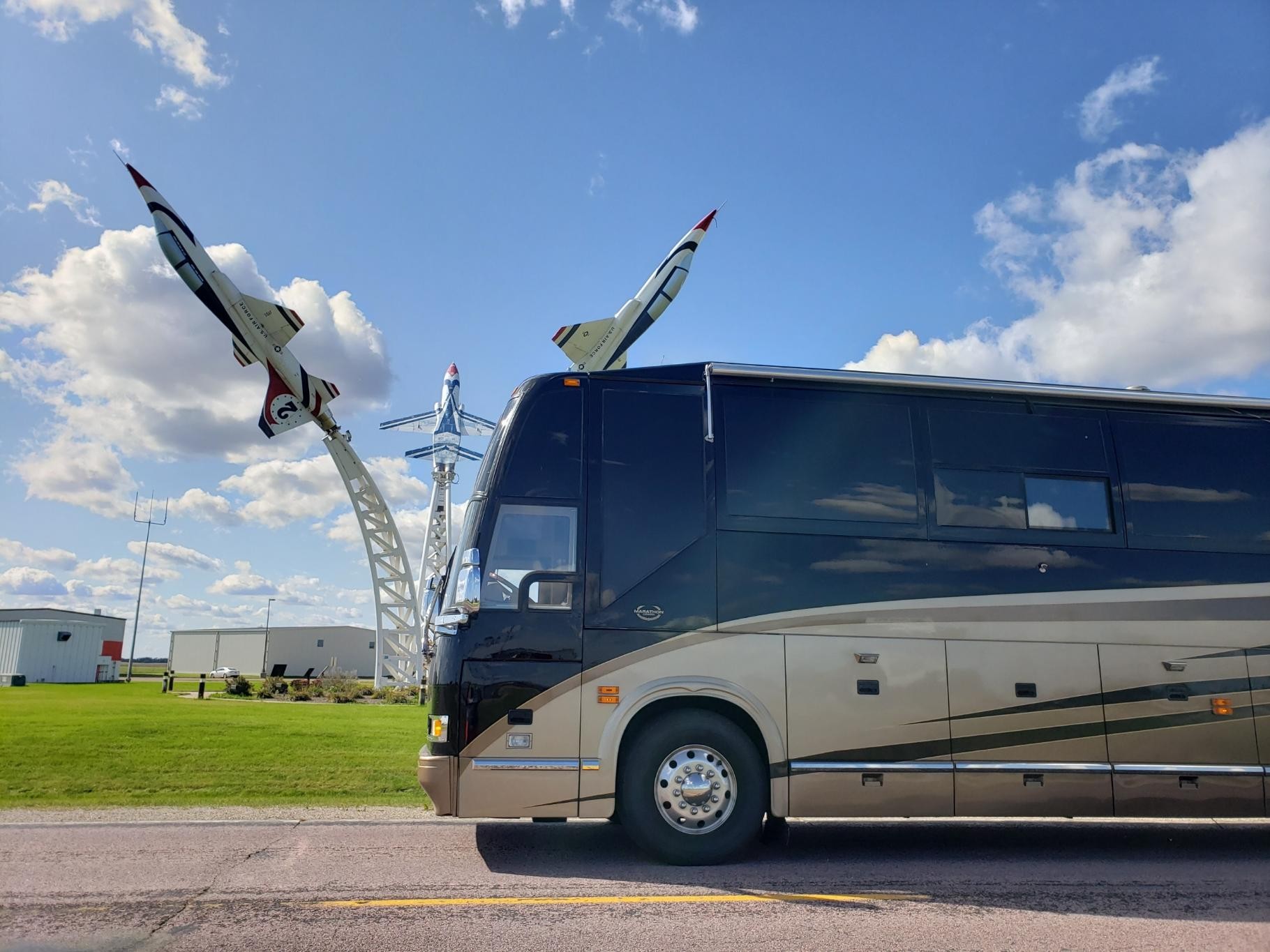
There are good reasons larger RVs exist within the RV classifications. A fifth wheel, travel trailer, or Class A motorhome can provide considerably more interior living space than a small campervan. For travelers spending long periods at one campground, that room can become part of the experience rather than something they merely carry down the highway.
A larger refrigerator, more kitchen space, additional storage, separate living and sleeping areas, and room to relax indoors can matter when days turn into weeks or an RV becomes a seasonal residence. Once everything is set up, there may be little reason to move the RV until it is time for the next destination. Chairs come out, neighbors become familiar, routines develop, and the campsite itself becomes home base.
For someone who wants to arrive, settle in, and stay awhile, carrying more living space can be a perfectly reasonable tradeoff.
When the Campground Is Only Where the Day Begins
Other travelers use an RV very differently. They may spend the night in a campground, but after breakfast they are ready to go somewhere. The day's destination might be a national park, a small downtown, a scenic overlook, a beach, a hiking trail, a restaurant, a museum, or another campground several hundred miles away. In this style of travel, the RV spends considerably more time functioning as a vehicle.
That changes what becomes important. Parking, fuel economy, and maneuverability matter. The ability to pull into an ordinary parking space matters. So does being able to change plans without wondering whether the next road, parking area, or destination will comfortably accommodate the RV.
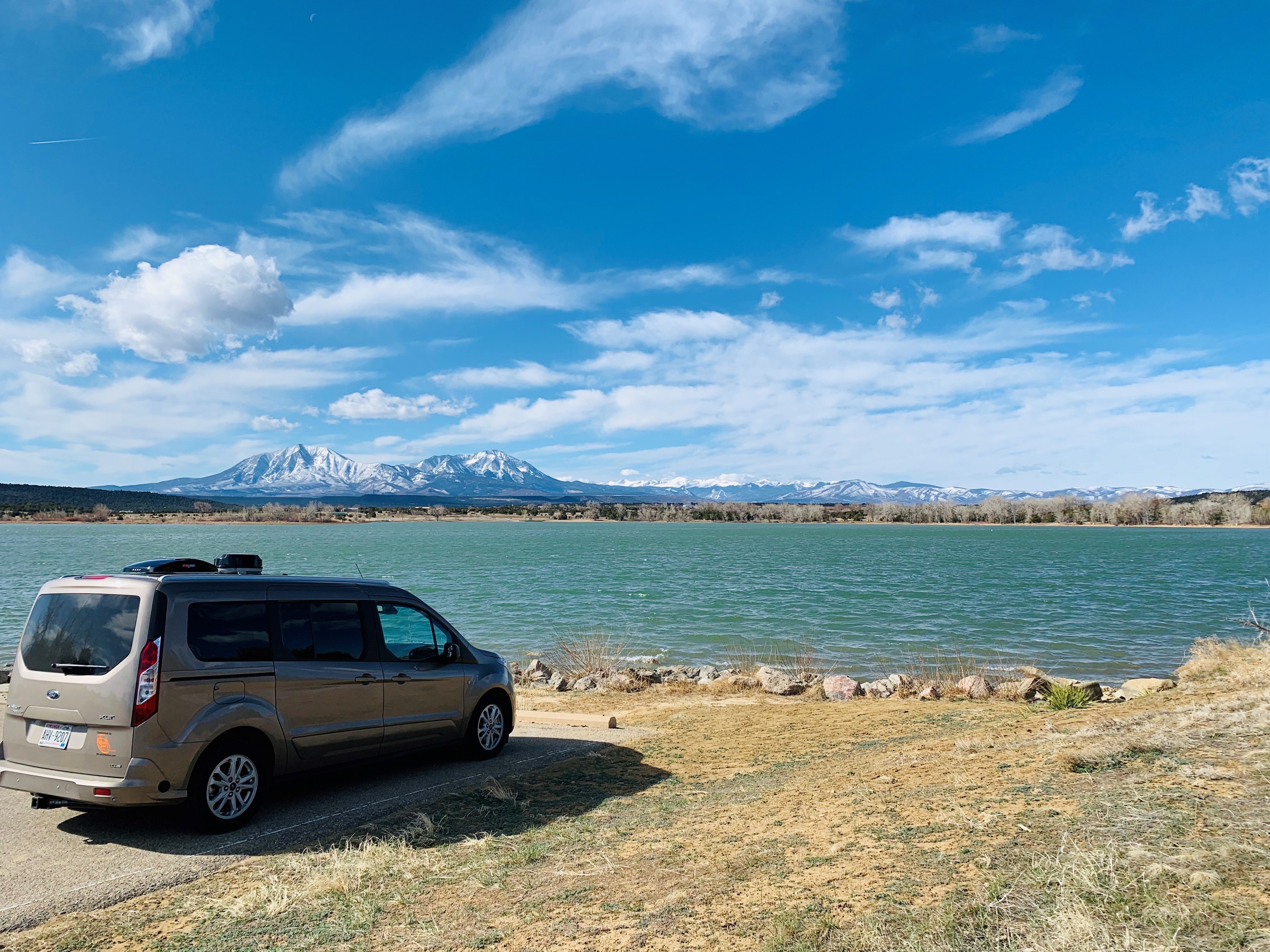
A smaller Mini-T Campervan approaches RV travel from this direction. The sleeping accommodations and camping conveniences travel with you, but the vehicle remains manageable enough that exploring beyond the campground can remain a normal part of the day.
Think About Tuesday, Not Just Vacation
One of the easiest mistakes to make when choosing an RV is evaluating it entirely around the trip you hope to take. The two-week national park vacation is exciting to think about. So is the winter escape, the cross-country road trip, or the campground beside the lake. But an RV is owned on all the other days too.
Where will it be parked between trips? Does it need an off-site storage facility? How much preparation is involved before leaving? Can it be washed easily? Can you drive it into town once you reach your destination? Could you use it for something other than camping? These questions can matter more over several years of ownership than whether one RV has a larger countertop or another has more interior floor space.
Some Mini-T Campervan models are manufactured around this broader idea of everyday practicality. Depending on the model and garage dimensions, a Mini-T can fit in a residential garage, use standard parking spaces, go through a standard car wash, and serve as everyday transportation when it is not being used for camping. That changes the relationship between the owner and the RV. Instead of retrieving it whenever a trip is planned, the campervan can simply be part of ordinary life.
Interior Space Is Valuable. So Is Outside Access.
A larger RV wins an easy comparison if the only measurement is interior room. There is simply no reason to pretend otherwise. But most RV vacations are not taken entirely inside the RV. The mountains are outside. So are the beaches, trails, national parks, restaurants, historic towns, lakes, scenic highways, family visits, festivals, overlooks, and places that made the trip worth taking in the first place.
That creates an interesting tradeoff. More interior space can make the hours spent inside an RV more comfortable. A smaller vehicle can make some of the hours spent outside it easier to reach. Neither advantage is imaginary. The question is which one will influence more of the trip you actually want to take.
There Is Also the Matter of Getting There
Look at a map and two campgrounds may appear to be the same distance from home. The experience of reaching them can be very different depending on the RV. Fuel stops, parking lots, mountain roads, city traffic, construction zones, restaurant stops, grocery stores, ferry crossings, and scenic pullouts are all part of traveling before the campsite ever appears.
For some owners, operating a larger RV becomes second nature and the additional size is a worthwhile exchange for what waits inside when they arrive. Other travelers place a higher value on having an RV that drives and parks more like the vehicles they already use every day. This is one reason specifications alone do not tell the whole story. The RV with the most amenities on paper is not automatically the one that will make a particular trip easier.
How Often Would You Go If Leaving Were Easier?
Purchase decisions tend to focus on what an RV has. Ownership eventually reveals something else: how easy it is to use. If preparing the RV means retrieving it from storage, loading another vehicle, planning around its size, and setting aside enough time to make the effort worthwhile, trips may naturally become larger and less frequent.
If the campervan is already at home, stocked with some of the things normally needed for travel, and easy enough to drive for an ordinary weekend, the threshold for leaving can become much lower. A free Saturday may become an overnight at a nearby state park. Visiting friends a few hours away might turn into a weekend trip. Good fall weather can be enough reason to leave Friday afternoon rather than waiting for the next major vacation.
That does not show up on an RV specification sheet, but over several years of ownership it can become one of the biggest differences between two vehicles.
Your Travel Style May Change
There is another reason not to think of the decision as campervan versus larger RV: people change. Someone who spends several years touring the country may eventually find a favorite winter campground and decide to stay for months at a time. At that point, additional living space may become considerably more valuable than it once was.
The opposite can happen too. Someone who has owned a larger motorhome or trailer may reach a point where setting up and staying in one place is no longer what sounds interesting. They may want to cover more miles, visit more parks, spend less time managing the RV, or simply make travel easier to begin. Neither traveler was wrong the first time. Their lives changed, and eventually the RV that best supports those lives may change with them.
Look at the Entire Ownership Experience
Fuel economy deserves consideration, but so do storage, insurance, maintenance, campsite choices, service, parking, and how frequently the RV is likely to be used. Purchase price matters, but it is only one part of what an RV will ask of its owner over time.
This is where comparing dramatically different RVs by a single number becomes less useful. A larger RV may consume more fuel but provide exactly the living space an owner wants for months at a seasonal campsite. A smaller campervan may provide less room inside while being easier to store, drive, park, and use throughout the year. The better value is not automatically the less expensive vehicle or the one with the longest equipment list. It is the one whose compromises occur in places that matter least to you.
Pay Attention to What Happens After You Arrive
There is a simple exercise that can make the decision clearer. Forget about the RV for a moment and think about a good travel day. Where did you wake up? What did you do after breakfast? Did you spend the afternoon relaxing at the campsite, or did you drive somewhere? Did you cook dinner inside, sit outside with neighbors, explore a town, hike until sunset, or move another hundred miles down the road?
Then think about the next morning. If the best part of the trip is settling into a destination and making the RV itself part of home, additional living space may deserve considerable weight. If the best part is waking up and wondering where you can go next, mobility may deserve more.
That is a much more useful way to choose an RV than asking which one is bigger, smaller, more luxurious, or has the most features.
The Right RV Should Make Your Kind of Travel Easier
A larger RV can provide a wonderful place to settle in. A smaller campervan can make it remarkably easy to keep moving. Between those two ideas are countless ways people actually travel, and there is no need for one approach to defeat the other.
The important part is recognizing which inconveniences you are willing to accept in exchange for the experiences you value. More room usually comes with more vehicle to manage. A smaller footprint asks you to live with less interior space while giving some of that freedom back on the road. Once you understand which side of that tradeoff matters more in your own travels, choosing between a campervan and a larger RV becomes considerably easier.
Because the best RV is not necessarily the one you can do the most inside. It may be the one that helps you do more once you step outside.
Happy Travels & Happy Camping!
DLM-Distribution / Campervans is a licensed manufacturer and dealer located in Lake Crystal, Minnesota, serving clients around the country.
Contact Dave: 651-285-7089 or Candy: 507-382-9446 today!