
NEWS
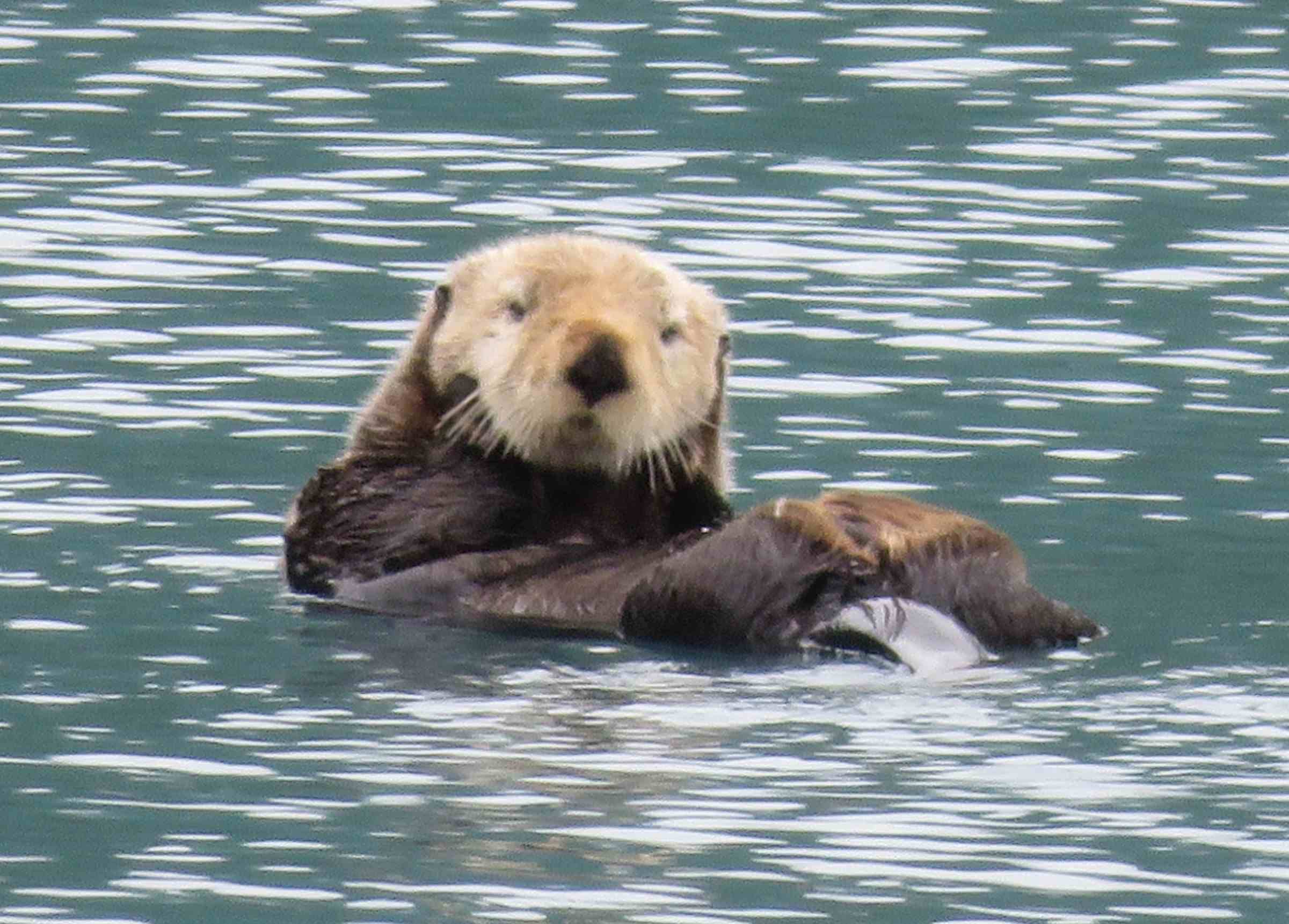
Driving to Alaska is often described as a once-in-a-lifetime adventure. Yet many travelers who complete the journey discover something unexpected: one trip rarely feels like enough.
The vast landscapes, abundant wildlife, mountain scenery, and sense of freedom found along the route create an experience that stays with people long after they return home. For many, the drive to Alaska becomes less of a bucket-list item and more of an invitation to return and explore even further.
The Road to Alaska Is Part of the Destination
One of the most remarkable aspects of an Alaska road trip is that the journey itself is every bit as memorable as the destination. Long before reaching Alaska, travelers pass through some of the most scenic and remote regions of North America.
The route through the northern United States, British Columbia, and the Yukon offers towering mountain ranges, crystal-clear lakes, vast forests, and stretches of open road that seem to continue forever.
Many travelers find the experience aligns naturally with scenic road trips across the United States, where the drive itself becomes a major part of the adventure.
Mile Zero of a Legendary Highway
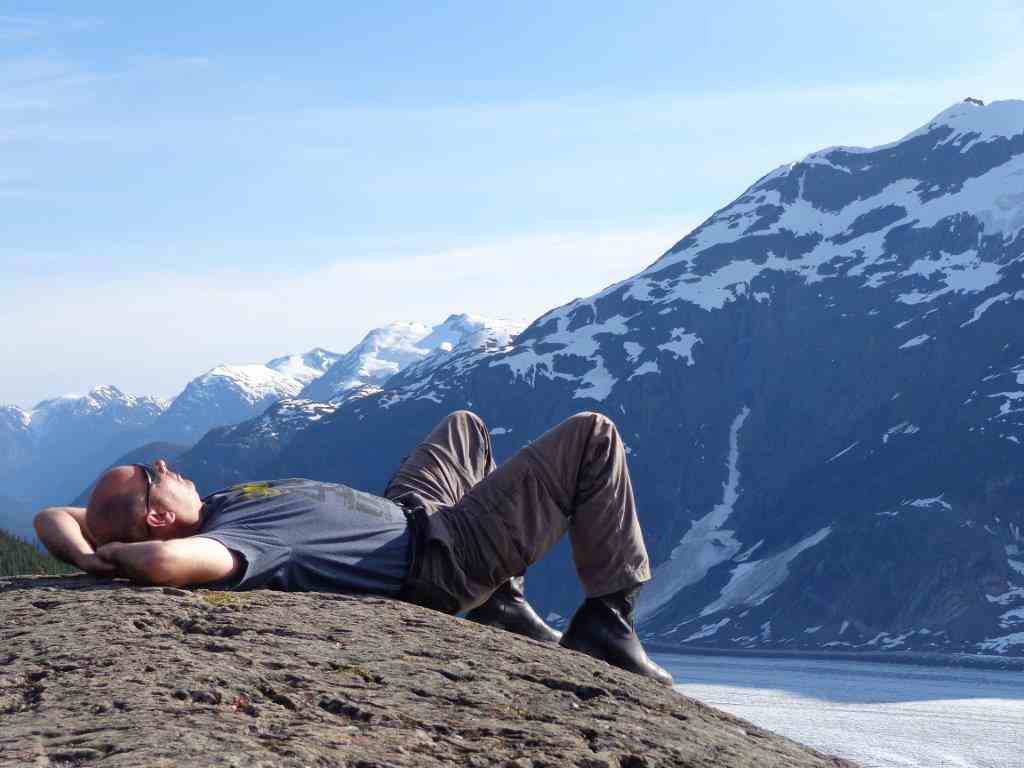
Most Alaska travelers begin their journey at Dawson Creek, British Columbia, known as Mile 0 of the historic Alaska Highway. Constructed during World War II, the Alaska Highway was originally built to provide a military supply route connecting Alaska to the rest of North America.
Today, it remains one of the world's great road trips, stretching more than 1,300 miles through some of the most spectacular wilderness found anywhere on the continent.
Driving the highway offers a unique connection to both history and the rugged landscapes that helped shape the route.
Planning Time and Distance
A round-trip drive to Alaska can range from approximately 8,000 to more than 12,000 miles depending on starting location, side trips, and the destinations visited within Alaska itself.
While some travelers complete the journey in a few weeks, those who allow additional time often find the experience far more rewarding. Unexpected wildlife sightings, scenic overlooks, local recommendations, and spontaneous detours frequently become the highlights of the trip.
Leaving room for flexibility often creates some of the best memories.
Driving the Alaska Highway (ALCAN)
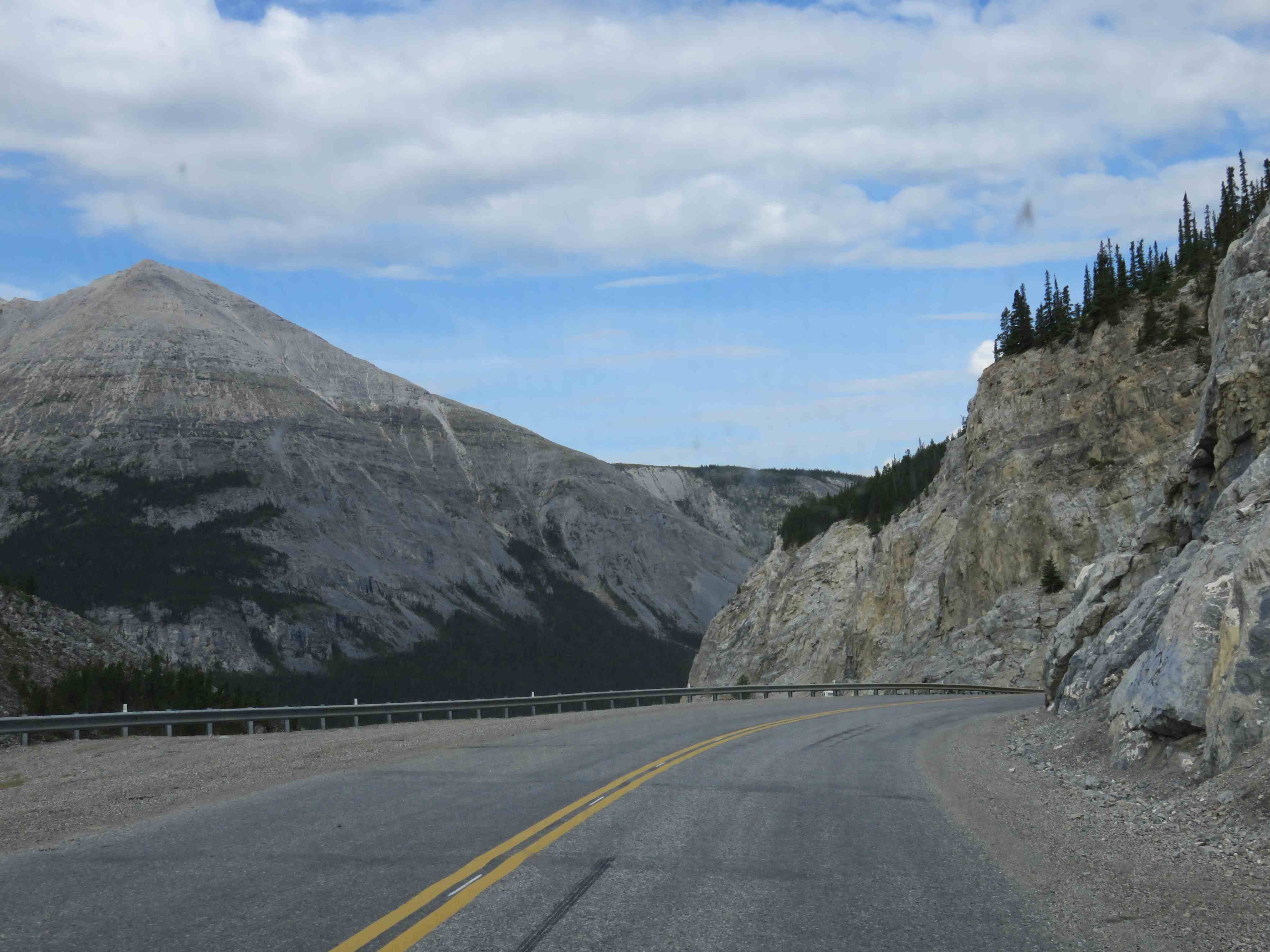
The Alaska Highway, often referred to simply as the ALCAN, has earned legendary status among road travelers. Although some still imagine the route as a rough gravel road, most of the highway is paved and well maintained.
Construction zones and frost-heaved sections remain part of the experience, but overall the route is accessible and enjoyable for travelers who take their time and drive attentively.
Historic communities, roadside lodges, mountain passes, and scenic pull-offs help break up the miles and provide opportunities to experience the character of northern Canada.
Iconic Stops Along the Way
Part of what makes the Alaska Highway so memorable is the variety of destinations found along the route. Travelers often stop at the Sign Post Forest in Watson Lake, one of the highway's most famous landmarks, where thousands of signs from around the world have been added over the decades.
Muncho Lake offers brilliant turquoise waters surrounded by mountains, while Liard River Hot Springs provides an opportunity to soak in naturally heated mineral water deep within the northern wilderness.
As travelers approach Alaska, communities such as Tok, Fairbanks, and Delta Junction become gateways to additional adventures throughout the state.
Changing Landscapes and Wildlife
The scenery changes constantly throughout the journey. Dense forests give way to broad valleys, mountain ranges rise unexpectedly on the horizon, and rivers carve through vast stretches of wilderness.
Wildlife sightings are often among the most memorable experiences. Moose, black bears, grizzly bears, bison, mountain goats, caribou, stone sheep, and countless bird species are regularly spotted along portions of the route.
These encounters serve as a reminder that much of the journey passes through regions where nature remains largely untouched.
Fuel, Stops, and Route Awareness
Fuel stations become less frequent in portions of northern British Columbia and the Yukon. Most experienced travelers develop a simple habit: refuel when convenient rather than waiting until necessary.
Route awareness, weather conditions, and seasonal construction updates all contribute to a smoother experience.
Travelers often benefit from understanding RV rest area overnight rules and guidelines, along with the availability of campgrounds and roadside stops throughout the route.
Camping Along the Route
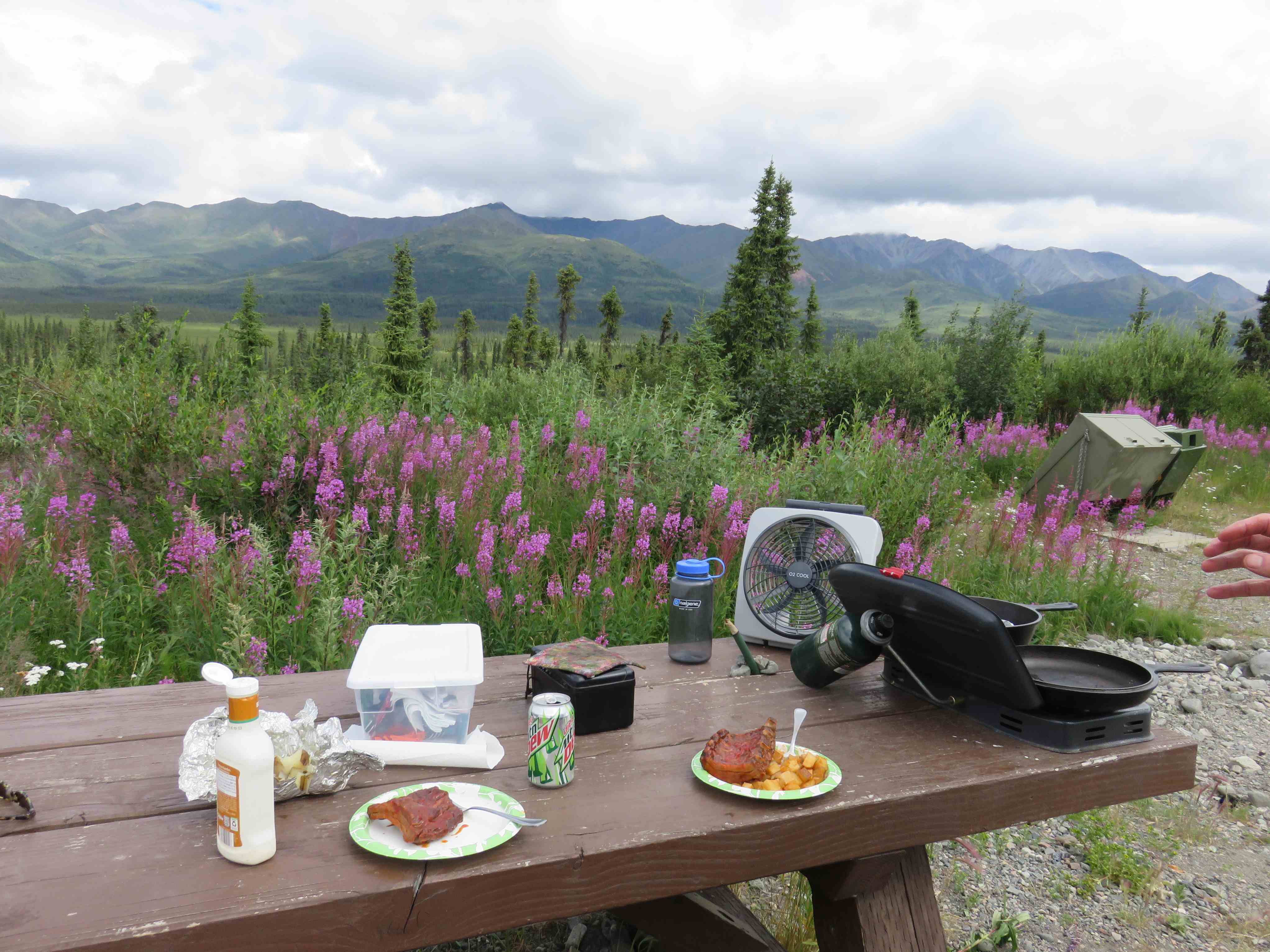
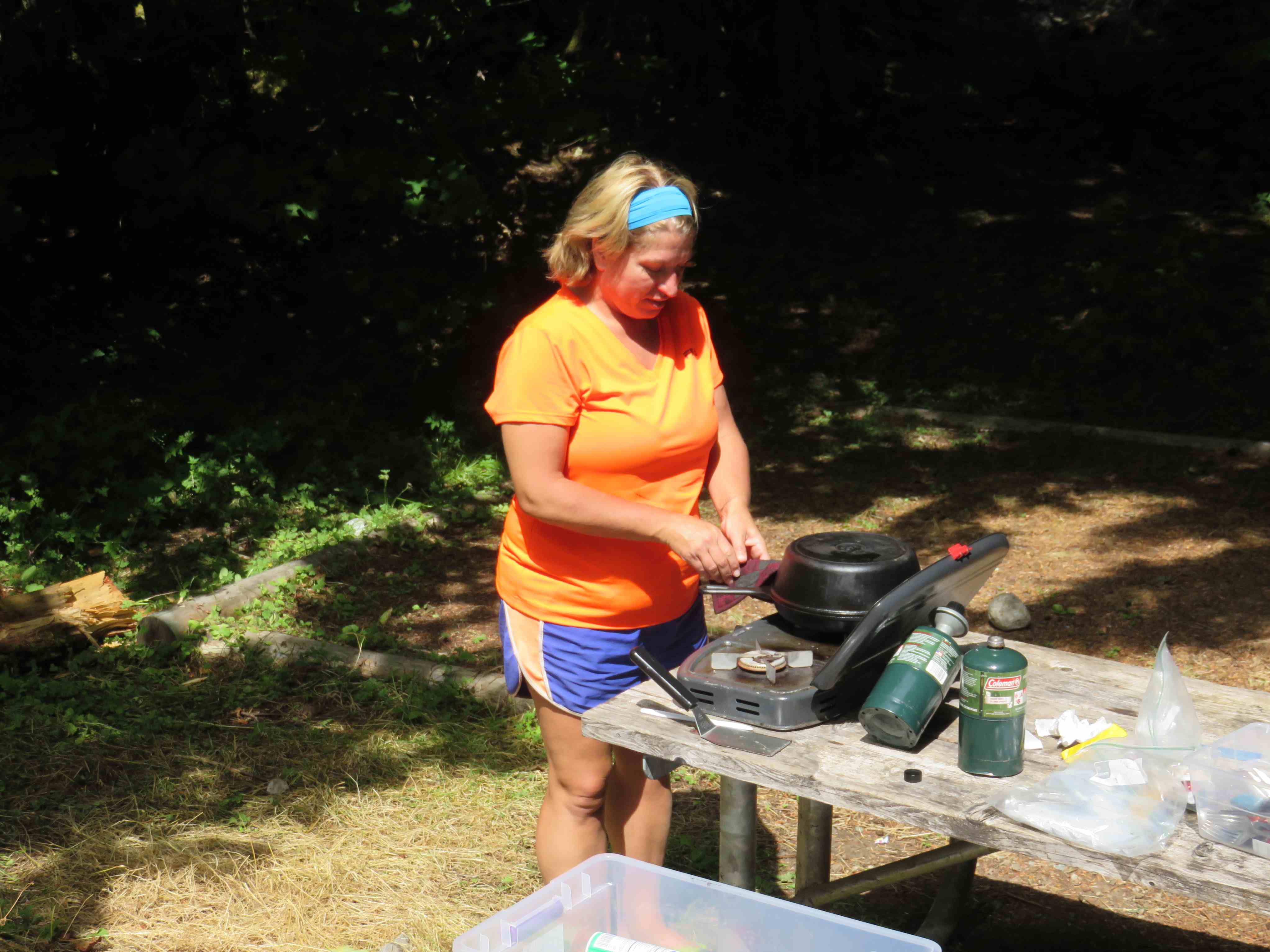
Camping opportunities are abundant. Travelers can choose from full-service campgrounds, provincial parks, government campgrounds, and scenic roadside locations where overnight stays are permitted.
Many of the most memorable campsites are the simplest ones—places overlooking a mountain valley, beside a remote lake, or tucked beneath towering pines.
Compact travel setups, including smaller campervans, are often particularly well suited for this type of travel. They make it easier to access smaller campgrounds, scenic pull-offs, and remote destinations while remaining comfortable for long-distance touring.
The Community of Alaska Travelers
One of the unexpected rewards of an Alaska road trip is the sense of community that develops among travelers. It is common to encounter the same vehicles multiple times throughout the journey, leading to conversations, recommendations, and shared experiences.
Campgrounds, fuel stops, visitor centers, and scenic overlooks often become gathering places where stories are exchanged and friendships begin.
These interactions add a unique social element to what might otherwise seem like a remote wilderness adventure.
Exploring Beyond the Highway
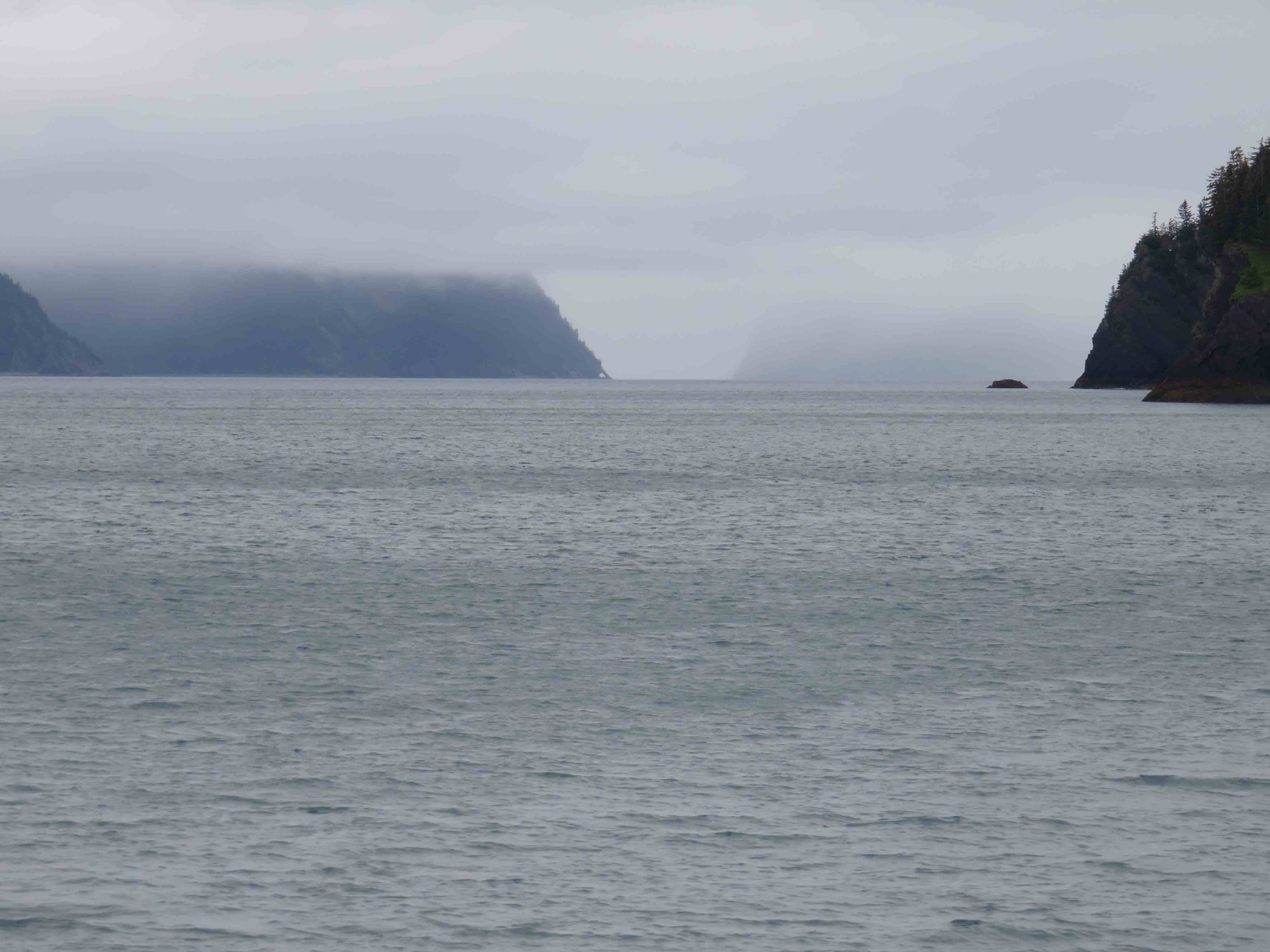
While reaching Alaska is a major accomplishment, the adventure rarely ends there. National parks, coastal communities, glacier regions, wildlife refuges, and scenic ferry routes offer countless opportunities for further exploration.
The Alaska Marine Highway provides a unique way to experience portions of the state from the water, while destinations such as Denali National Park, Kenai Fjords National Park, and Wrangell-St. Elias National Park reward travelers willing to venture beyond the main highways.
These opportunities pair naturally with broader travel themes such as national park travel planning resources and extended road-trip exploration.
Why One Trip Is Never Enough
Many travelers begin the journey to Alaska believing they are checking off a bucket-list destination. By the time they return home, they often realize they have only scratched the surface.
The Alaska Highway, the Yukon, northern British Columbia, and Alaska itself contain far more experiences than can be absorbed in a single trip. New routes, changing seasons, different wildlife encounters, and destinations missed the first time create endless reasons to return.
That is why so many people who drive to Alaska once eventually find themselves planning a second trip. The memories of the road, the scenery, and the freedom found along the way have a way of calling travelers back.

DLM-Distribution / Campervans is a licensed manufacturer and dealer located in Lake Crystal, Minnesota, serving clients around the country.
Contact Dave: 651-285-7089 or Candy: 507-382-9446 today!