
NEWS
National parks across the United States offer some of the most diverse and accessible landscapes in the country—from desert canyons and alpine peaks to coastal shorelines and dense forests. For many travelers, the question is not whether to visit, but how to experience these places in a way that is flexible, efficient, and comfortable.
Traveling by campervan has become an increasingly practical way to explore national parks, allowing visitors to move between destinations at their own pace while staying close to the environments they came to see.
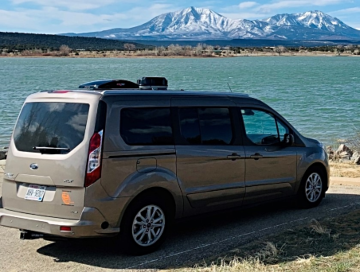
Understanding Camping Options in National Parks
Most national parks offer a range of camping options, but availability and access vary widely. Developed campgrounds typically include designated sites, restrooms, and sometimes electrical hookups. These locations are often in high demand and may require reservations months in advance, especially during peak travel seasons.
In contrast, some parks and surrounding public lands offer more primitive or dispersed camping opportunities. These locations provide fewer amenities but allow for a quieter, more immersive experience.
Vehicle size can play an important role in campsite availability. Smaller campervans are often able to access a wider range of sites, including older campgrounds or more remote areas where larger RVs may not fit.
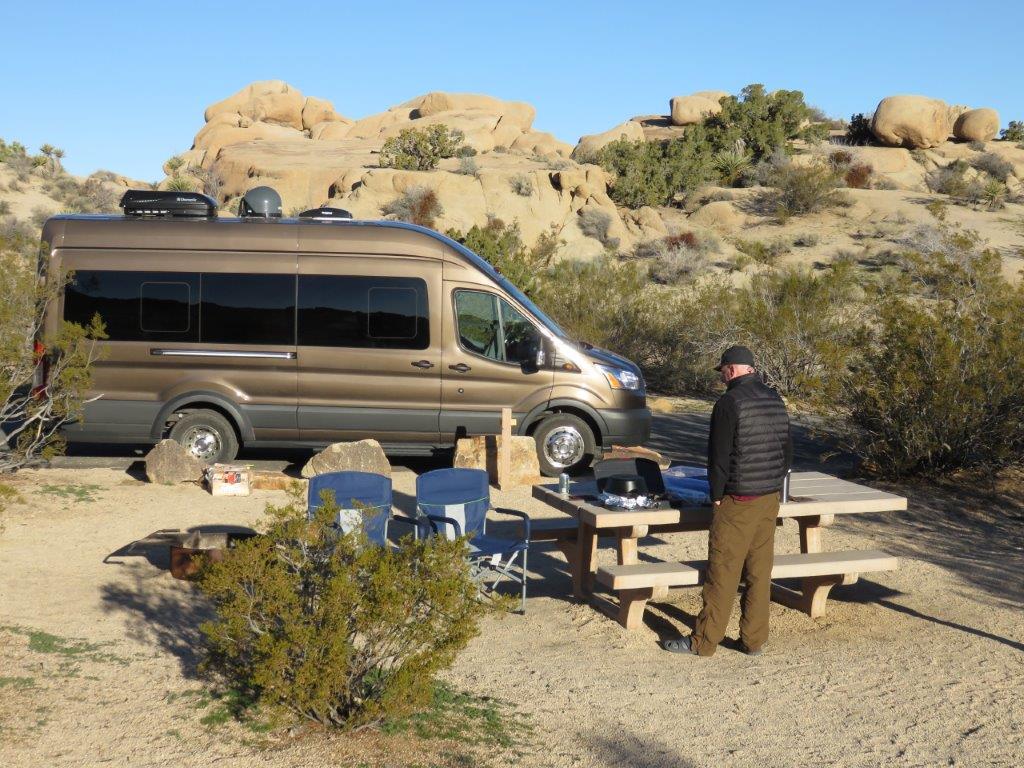
Planning Ahead: Reservations, Seasons, and Access
National park travel requires planning, particularly during spring, summer, and fall. Popular parks such as Yellowstone, Yosemite, and Zion frequently reach capacity, and some now use timed-entry systems to manage traffic.
Campground reservations are typically managed through Recreation.gov, and booking early is strongly recommended. In some parks, first-come, first-served sites still exist, but availability can be unpredictable.
Weather and elevation also affect access. Roads, campgrounds, and services may be closed seasonally, particularly in higher elevations. Checking park alerts and road conditions before arrival is essential.
Driving and Navigating Within National Parks
Road conditions inside national parks can vary from well-maintained highways to narrow, winding routes with steep grades. Some areas include vehicle length restrictions, limited turnaround space, or tight parking conditions at trailheads and overlooks.
In these environments, smaller vehicles are often easier to manage. Parking is more accessible, scenic pull-offs are easier to use, and navigating crowded areas becomes less stressful—especially during peak visitation hours.
For travelers looking to balance mobility and overnight capability, this is where compact campervans stand out. Articles like Why Smaller, Garageable RVs Are Gaining Attention explore how size and usability influence travel experiences in real-world conditions.
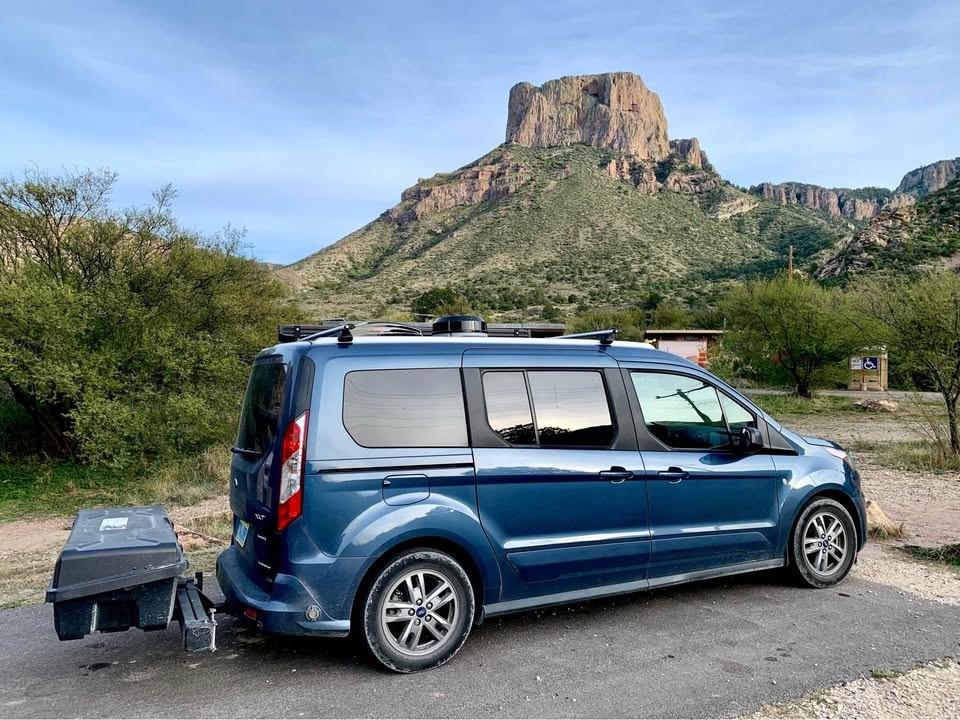
Daily Life in a Campervan at the Park
Spending time in a national park often means early mornings, full days outdoors, and quiet evenings. Having a simple, self-contained space to rest, eat, and recharge can make a significant difference in how enjoyable the experience feels.
A campervan allows you to stay close to trailheads, scenic drives, and key park features without needing to return to off-site lodging each night. It also provides flexibility if plans change due to weather, crowds, or personal preference.
This approach to travel—combining transportation and overnight capability—has led many to consider vehicles designed for both everyday driving and camping. RVs for Everyday Use: Featuring the Mini-T Campervan Lineup outlines how this type of setup supports a more adaptable style of travel.
Leave No Trace and Responsible Travel
National parks are protected spaces, and preserving them requires responsible behavior from every visitor.
Following Leave No Trace principles is essential: pack out all waste, stay on designated roads and trails, respect wildlife, and follow campground rules. Many parks have strict regulations regarding overnight parking, food storage, and waste disposal.
Understanding and respecting these guidelines ensures that parks remain accessible and enjoyable for future visitors.
Why Many Travelers Are Choosing Campervans
The appeal of campervan travel is not just about convenience—it is about flexibility.
Being able to adjust your route, extend your stay, or move on without being tied to hotel reservations creates a different kind of travel experience. It allows for a more natural pace, where decisions are based on conditions and interest rather than fixed schedules.
For national park travel in particular, where conditions can change quickly and opportunities often appear unexpectedly, that flexibility becomes a meaningful advantage.
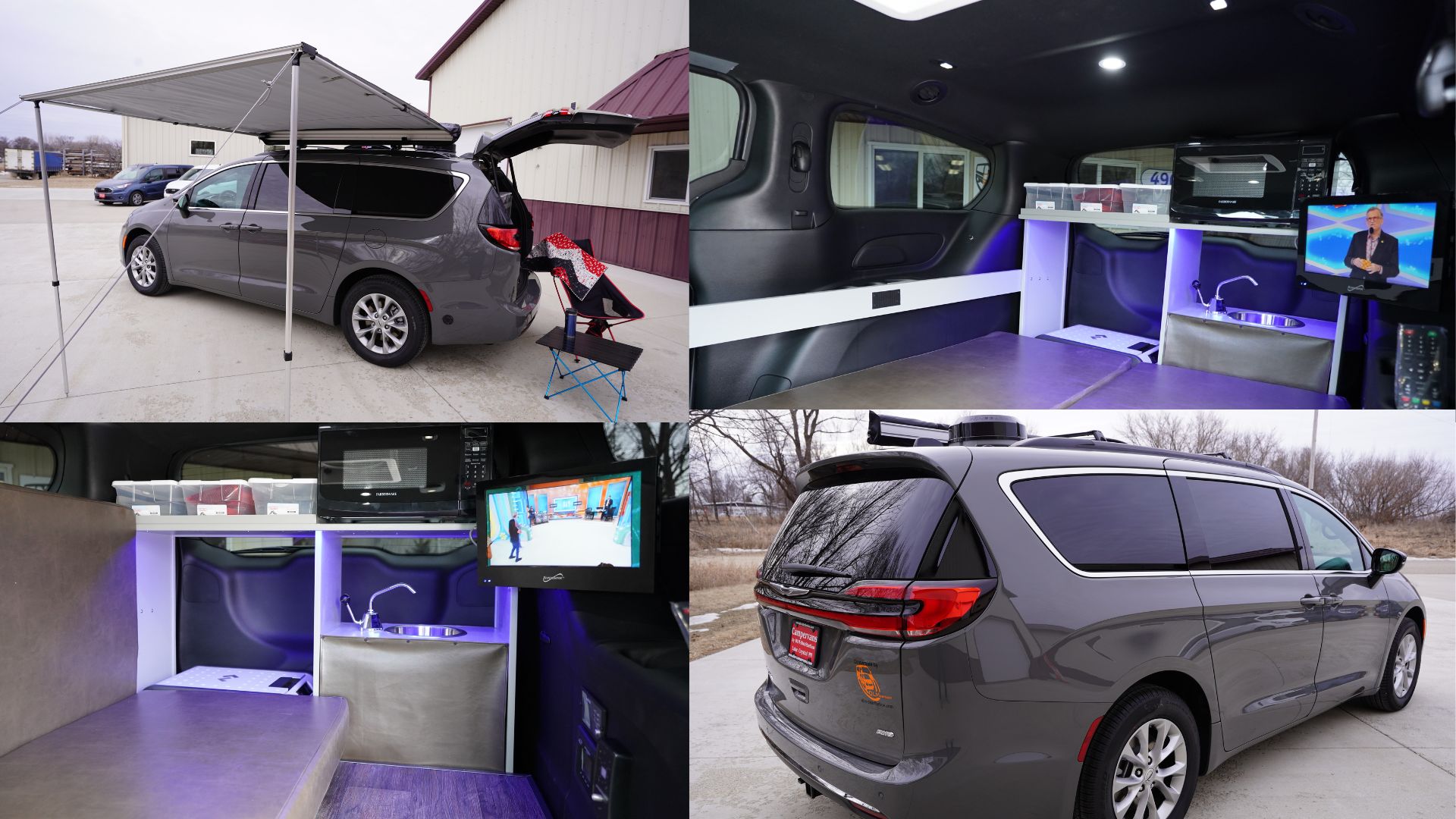
Frequently Asked Questions About National Park Camping
Do you need reservations for national park campgrounds?
In many cases, yes. Most developed campgrounds in popular national parks require reservations, often made months in advance. Some parks still offer first-come, first-served sites, but availability can be limited—especially during peak travel seasons. As a general rule, the smaller your RV or campervan, the more likely you are to find a last-minute campsite.
Can you park overnight anywhere in a national park?
No. Overnight parking is only allowed in designated campgrounds or approved backcountry areas with proper permits. Sleeping in parking lots, pull-offs, or trailheads is generally not permitted unless specifically posted otherwise.
What size RV is allowed in national parks?
Each park—and often each campground—has its own vehicle length restrictions. Many campgrounds accommodate vehicles under 20–25 feet more easily, while larger RVs may be limited to specific sites. This is one reason smaller campervans are often easier to accommodate across a wider range of parks.
Final Thoughts
Exploring national parks is not about covering the most ground—it is about experiencing each place in a way that feels unhurried and intentional.
Whether you are visiting a single park or planning a multi-state trip, how you travel plays a major role in what that experience becomes.
For many, a campervan offers a practical balance of mobility, comfort, and simplicity—making it easier to focus less on logistics and more on the landscapes, trails, and moments that make national parks worth visiting.
Safe travels and enjoy the road ahead.

DLM-Distribution / Campervans is a licensed manufacturer and dealer located in Lake Crystal, Minnesota, serving clients around the country.
Contact Dave: 651-285-7089 or Candy: 507-382-9446 today!