
NEWS
Understanding RV Classifications: From Compact Campervans to Large Motorhomes
Recreational vehicles come in many shapes, sizes, and classifications. For first-time buyers, travelers exploring different RV lifestyles, or those comparing travel options, understanding RV classifications can help simplify the process of choosing the right type of vehicle for camping, touring, road trips, and long-distance travel.
While RVs are commonly grouped into categories such as Class A, Class B, Class C, travel trailers, and fifth wheels, the real differences often come down to how the RV is used, where it can travel comfortably, how easy it is to drive, and how naturally it fits into everyday life.
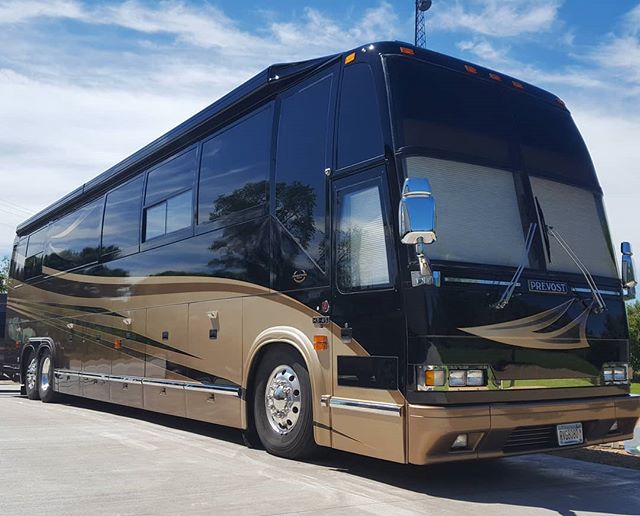
Class A Motorhomes
Class A motorhomes are among the largest RVs on the road. Built on heavy-duty commercial-style chassis platforms, they are designed primarily for extended travel, resort camping, and long-term RV living.
These motorhomes often feature large living spaces, expansive storage areas, residential-style amenities, and multiple slide-outs. Due to their size, Class A RVs can provide a very comfortable camping experience once parked, particularly for travelers spending long periods at a destination.
However, larger motorhomes can also require additional planning when it comes to parking, campground selection, fuel consumption, maneuverability, and storage. Many owners store larger RVs off-site due to residential parking restrictions or garage limitations.
Class A motorhomes are commonly chosen by travelers prioritizing interior living space above mobility or daily-driving practicality.
Class C Motorhomes
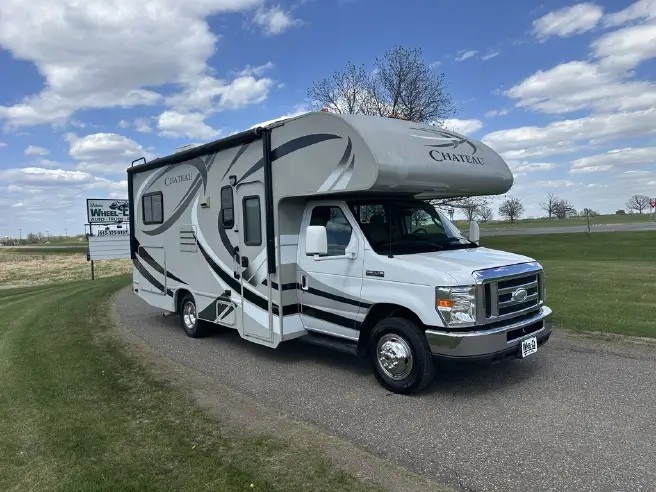
Class C motorhomes are recognizable by the over-cab sleeping or storage area extending above the driver compartment. These RVs are built on cutaway van or truck chassis and are often viewed as a middle ground between large Class A coaches and smaller campervans.
Class C RVs vary widely in size and configuration. Some are relatively compact and maneuverable, while others approach the size and complexity of larger motorhomes.
Families often appreciate Class C RVs because of their sleeping capacity and flexible floorplans. Many include larger refrigerators, bathrooms, dinettes, entertainment systems, and additional sleeping areas.
At the same time, larger Class C models may still present challenges related to parking, residential storage, and fuel economy compared to smaller RV platforms.
Class B Campervans
Class B campervans are built on van chassis platforms and represent one of the most versatile categories in the RV industry.
Unlike oversized motorhomes, Class B campervans are designed to combine travel flexibility with practical drivability. Their smaller size often makes them easier to park, easier to maneuver in cities and campgrounds, and more practical for touring, scenic travel, weekend trips, and spontaneous road travel, some even fit in a standard garage.
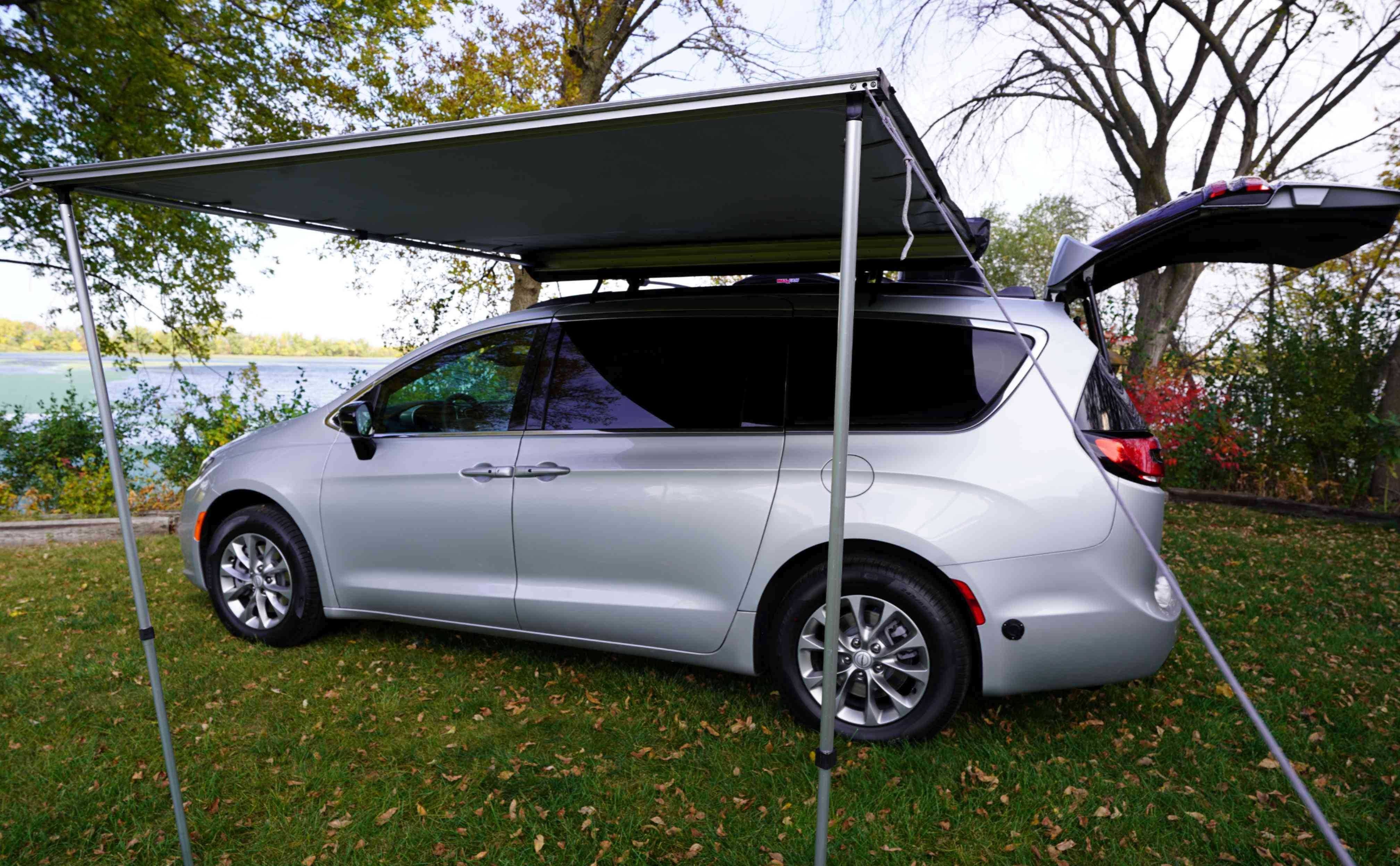
Many Class B campervans include sleeping accommodations, refrigerators, microwaves, sinks, power systems, roof ventilation, solar charging capabilities, and off-grid camping functionality while still maintaining the feel and drivability of a traditional vehicle.
Within the Class B category, there are significant differences between compact campervans and larger high-roof commercial van conversions.
Compact Class B campervans are often selected by travelers looking for fuel efficiency, ease of driving, garage parking capability, HOA-friendly ownership, and the ability to use the campervan as both a daily driver and travel vehicle.
Larger high-roof Class B campervans may provide additional standing room and expanded interior space but can require more attention when parking, storing, or navigating tighter urban areas.
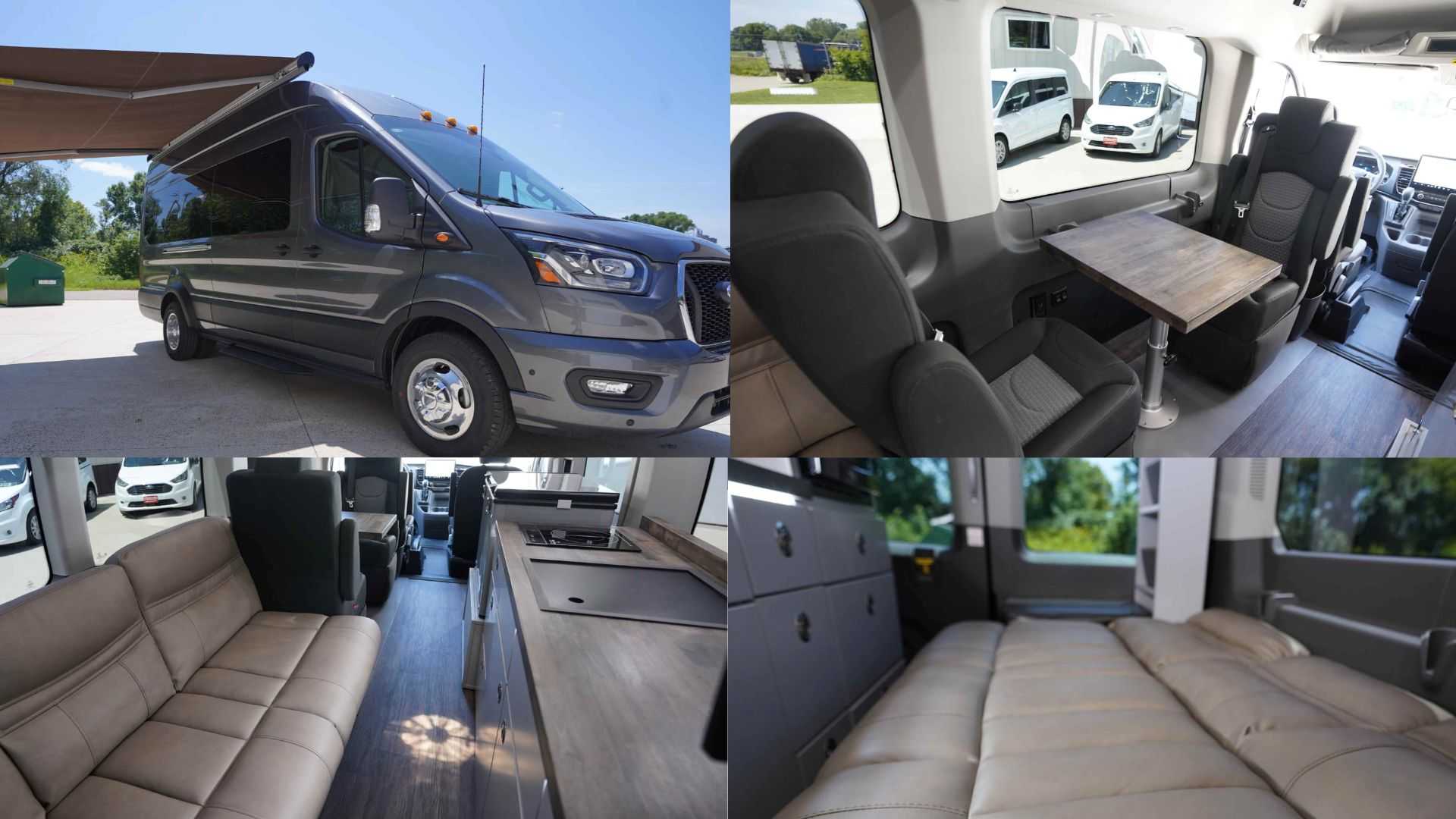
For many travelers, the appeal of a Class B campervan comes from simplicity, mobility, and the ability to travel comfortably without the size and complexity associated with larger RV categories.
Travel Trailers
Travel trailers are towable RVs designed to be pulled behind an SUV, truck, or other capable vehicle.
One advantage of a travel trailer is the ability to unhitch the trailer at a campground and use the tow vehicle independently for sightseeing or errands.
Travel trailers are available in a wide range of sizes and layouts, from compact lightweight campers to larger multi-room configurations.
The experience of towing, backing, parking, and storing a trailer varies depending on the trailer size and the capability of the tow vehicle. Some owners enjoy the flexibility of towable RVs, while others prefer the simplicity of an all-in-one motorized RV.
Travel trailers remain a popular option for seasonal camping, family vacations, and travelers who already own a suitable tow vehicle.
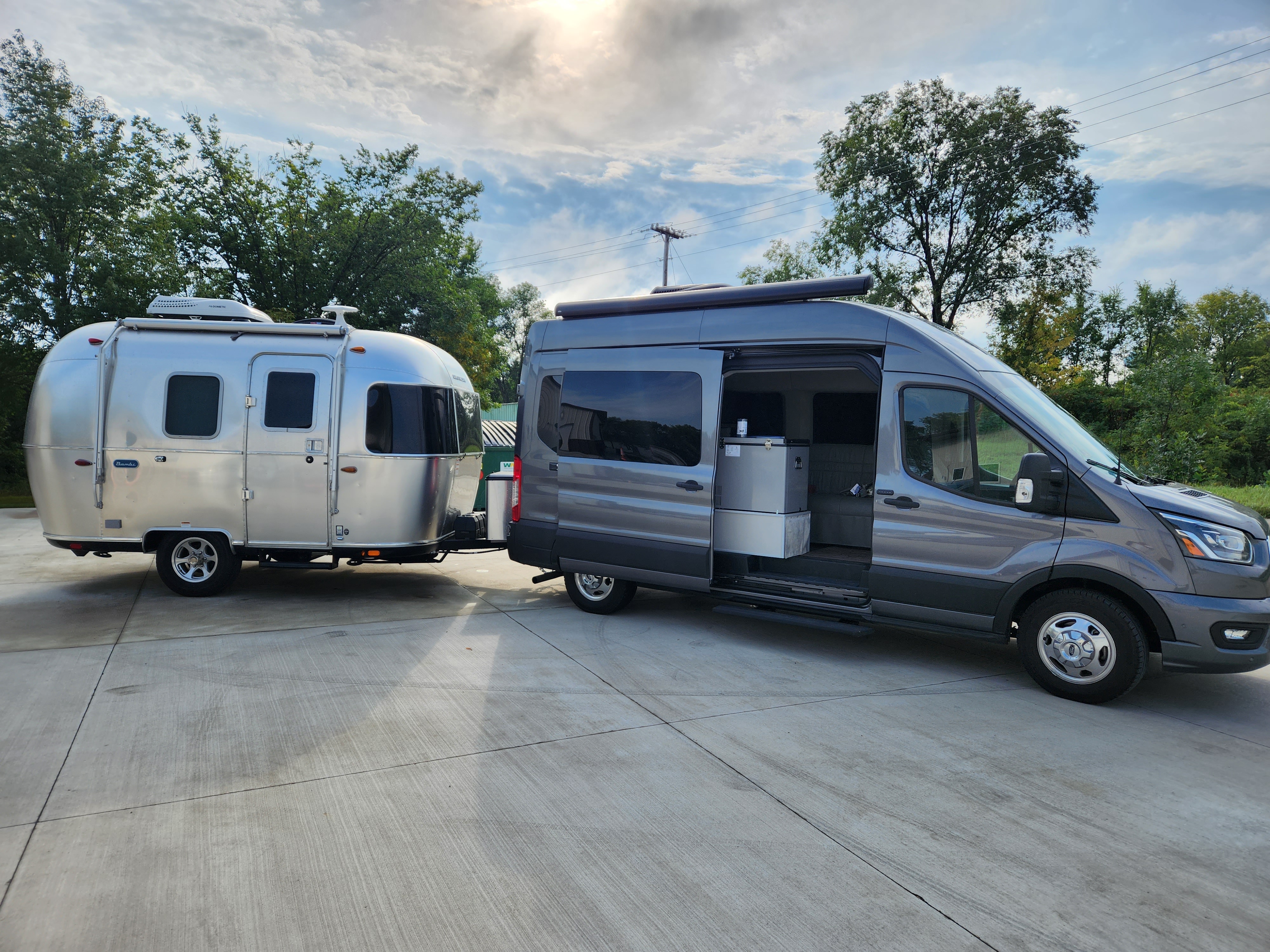
Fifth Wheels
Fifth wheel RVs are large towable campers that connect to a special hitch mounted in the bed of a pickup truck.
These RVs are known for spacious interiors, residential-style layouts, and significant storage capacity. Some models include multiple slide-outs, full kitchens, washer and dryer setups, large entertainment areas, and separate bedroom spaces.
Because fifth wheels require heavy-duty pickup trucks for towing, ownership often involves managing both a large tow vehicle and the RV itself.
Fifth wheels are commonly favored by long-term travelers, snowbirds, and those prioritizing extended-stay comfort over mobility and compactness.
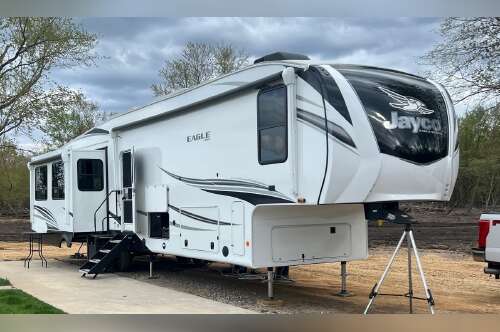
Truck Campers
Truck campers mount directly into the bed of a pickup truck and create a highly self-contained camping setup.
These RVs are often appreciated for their off-road capability, compact footprint, and ability to reach remote camping areas that may be difficult for larger RVs to access.
Truck campers can vary significantly in size and equipment level, from minimalist camping units to highly equipped models with kitchens, bathrooms, and sleeping quarters.
The overall experience depends heavily on the truck platform, payload capacity, and intended travel style.
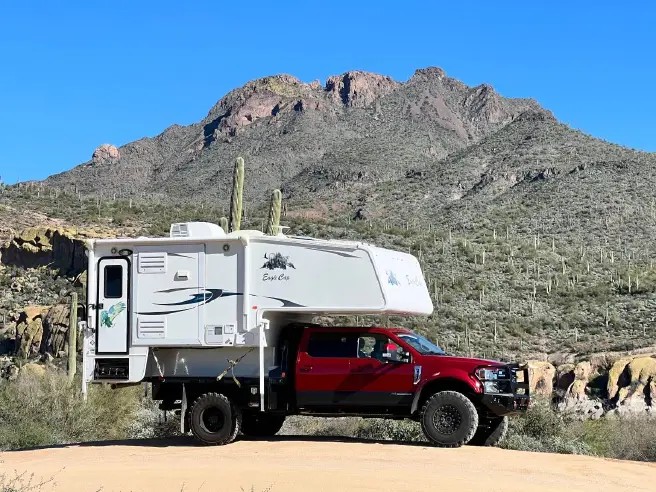
Toy Haulers
Toy haulers are RVs designed with integrated cargo space for transporting motorcycles, ATVs, golf carts, bicycles, or other recreational equipment.
Available in both travel trailer and fifth wheel configurations, toy haulers combine living space with garage-style utility areas.
Many travelers who enjoy motorsports, off-road recreation, or active outdoor lifestyles appreciate the flexibility of carrying equipment while still having full camping accommodations.
The size and towing requirements of toy haulers vary considerably depending on the amount of cargo space and living amenities included.
Choosing the Right RV Classification
There is no single “best” RV classification for everyone. The ideal RV often depends on how a person travels, how frequently they camp, where they intend to go, how comfortable they are driving larger vehicles, and whether the RV needs to fit naturally into everyday life.
Some travelers prioritize interior space and residential comfort. Others value fuel efficiency, maneuverability, ease of parking, or the ability to travel spontaneously without extensive planning.
Questions buyers commonly consider include:
-
Will the RV be used for occasional travel or extended living?
-
Is residential storage or HOA compliance important?
-
Does the RV need to serve as a daily-use vehicle?
-
Will the RV primarily stay in campgrounds, or will it be used for touring and road travel?
-
Is towing experience or truck ownership already part of the plan?
-
How important are fuel efficiency and maneuverability?
Understanding RV classifications helps travelers focus less on marketing terminology and more on choosing an RV that realistically matches their travel style and long-term ownership goals.
The Evolution of RV Travel
The RV industry continues to evolve as travelers look for more flexibility, easier ownership experiences, and vehicles that fit naturally into changing lifestyles.
For some, that means large motorhomes with residential comfort. For others, it means compact campervans capable of everyday driving and weekend travel.
Regardless of classification, RV travel continues to offer something many travelers value deeply: the freedom to travel on their own schedule, explore new places, and experience the journey itself as part of the destination.
Source reference: RV classifications and categories referenced from RV Industry Association RVIA materials.
Happy Camping!

DLM-Distribution / Campervans is a licensed manufacturer and dealer located in Lake Crystal, Minnesota, serving clients around the country.
Contact Dave: 651-285-7089 or Candy: 507-382-9446 today!