
NEWS
Do Campervans Need Showers? What RV Owners Discover
One of the most common questions people ask when considering a campervan is simple: Do campervans have showers?
The answer is yes—many campervans do. But the more important question might be whether a built-in shower is actually necessary.
For first-time buyers, the idea of a bathroom inside the vehicle often feels essential. It represents independence, comfort, and the ability to travel anywhere without relying on outside facilities.
Yet experienced RV travelers frequently discover that their expectations about onboard showers change once real travel begins.
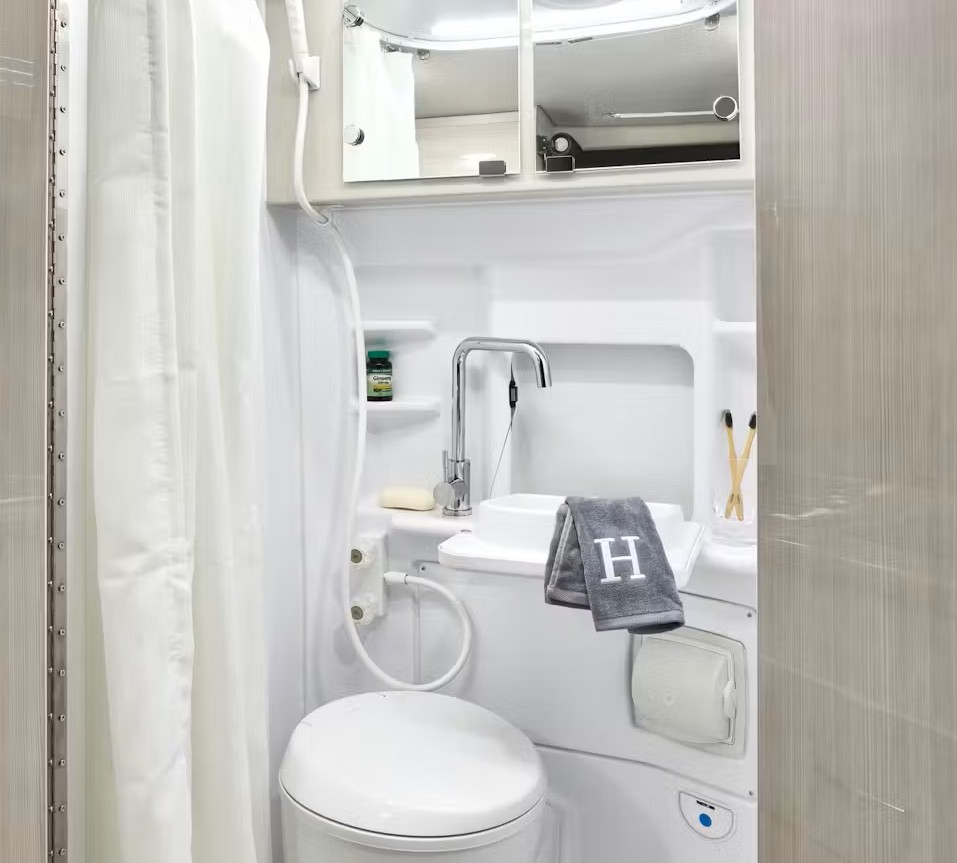
The Expectation: A Fully Self-Contained Bathroom
When people imagine RV travel, they often picture a small apartment on wheels. A bed, kitchen, seating area, and bathroom all neatly contained inside the vehicle.
Manufacturers know this expectation exists, which is why many RV floorplans prominently feature bathrooms and showers. For larger motorhomes with significant interior space and large water tanks, this can make perfect sense.
In compact RVs and Class B campervans, however, the design trade-offs become much more noticeable.
The Reality of the Class B Campervan Shower
In smaller motorhomes, most onboard showers are part of what is called a wet bath. In this design, the shower, sink, and toilet share a small enclosed space.
While the system works, it also introduces several practical considerations.
First, water capacity in campervans is limited. Freshwater tanks commonly hold between 10 and 30 gallons. A typical shower uses roughly two gallons of water per minute, meaning even a short shower can quickly consume a large portion of the available supply.
Second, moisture must be managed carefully. After showering, the entire compartment becomes damp and needs to be dried and ventilated. In compact vehicles, humidity can spread quickly through the living space if not handled properly.
Finally, the shower occupies valuable interior square footage—space that could otherwise contribute to storage, seating, or an open living layout.
These realities are why the Class B campervan shower often ends up being used less frequently than new owners initially expect.
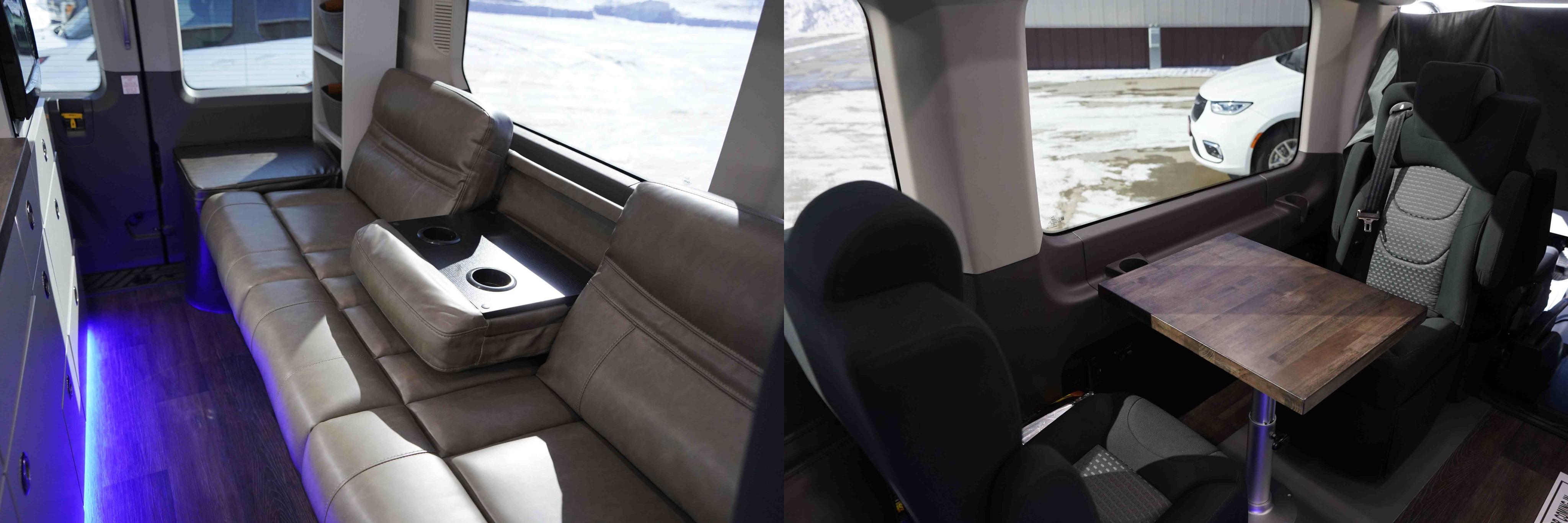
How Travel Habits Change Over Time
Many RV owners report a similar experience after their first few trips. They try the onboard shower once or twice, then gradually begin using other options.
Campground shower facilities, for example, are extremely common throughout North America. State parks, national parks, and private campgrounds often provide well-maintained shower buildings with unlimited hot water and proper ventilation.
Travel centers such as Love’s, Pilot, and Flying J also offer private shower suites designed for long-haul drivers and travelers. These facilities are often surprisingly comfortable and convenient.
Some travelers also rely on nationwide gym memberships, which provide consistent access to showers across thousands of locations.
For remote camping, portable outdoor shower systems can offer a simple solution without permanently dedicating interior space to a bathroom.
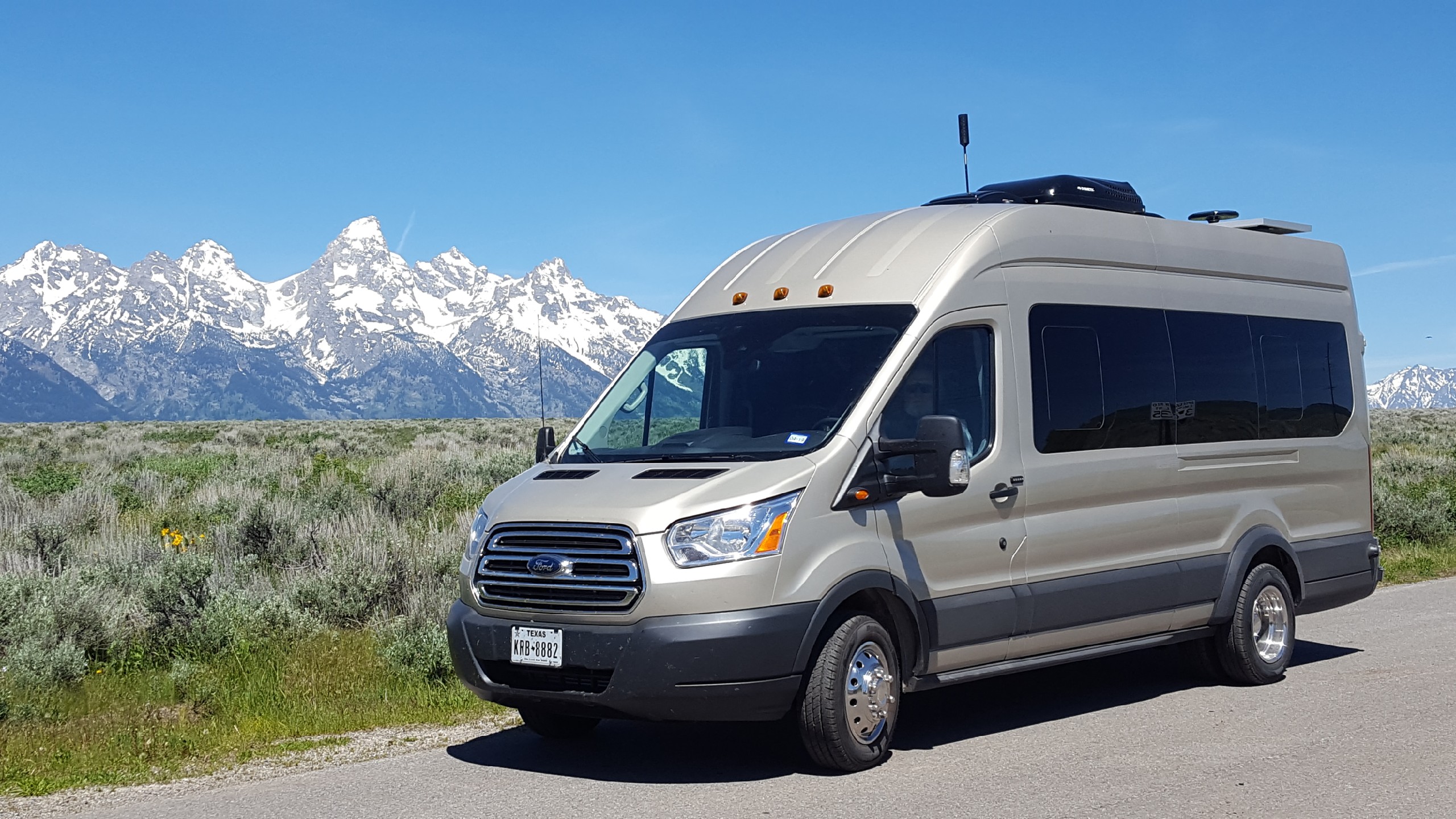
The Design Trade-Off in Small RVs
In larger motorhomes, adding a shower rarely creates major compromises because there is plenty of space to work with.
Campervans are different.
Every feature inside a compact RV competes for limited square footage. Including a wet bath means sacrificing space that could otherwise be used for storage, electrical systems, or a more open interior layout.
This is why some campervan designs intentionally skip the built-in shower altogether. Instead of dedicating space to a feature that may be used only occasionally, the layout prioritizes living comfort and practical functionality.
Travelers who spend time on the road often come to appreciate this approach. You can explore this idea further in Why Skipping the Built-In Shower in Your Campervan Just Makes Sense.
Choosing the Right Campervan Layout
The question is not whether showers are good or bad. Rather, it is whether they align with how someone plans to travel.
For travelers who frequently stay in developed campgrounds or populated areas, external shower facilities are widely available and often more comfortable than a small wet bath.
For those planning extended remote travel with limited infrastructure, having an onboard shower may provide additional flexibility.
Understanding your travel style is far more important than simply checking off features on a specification list.
This topic is explored further in our article on The Appeal of the Built-In Shower.
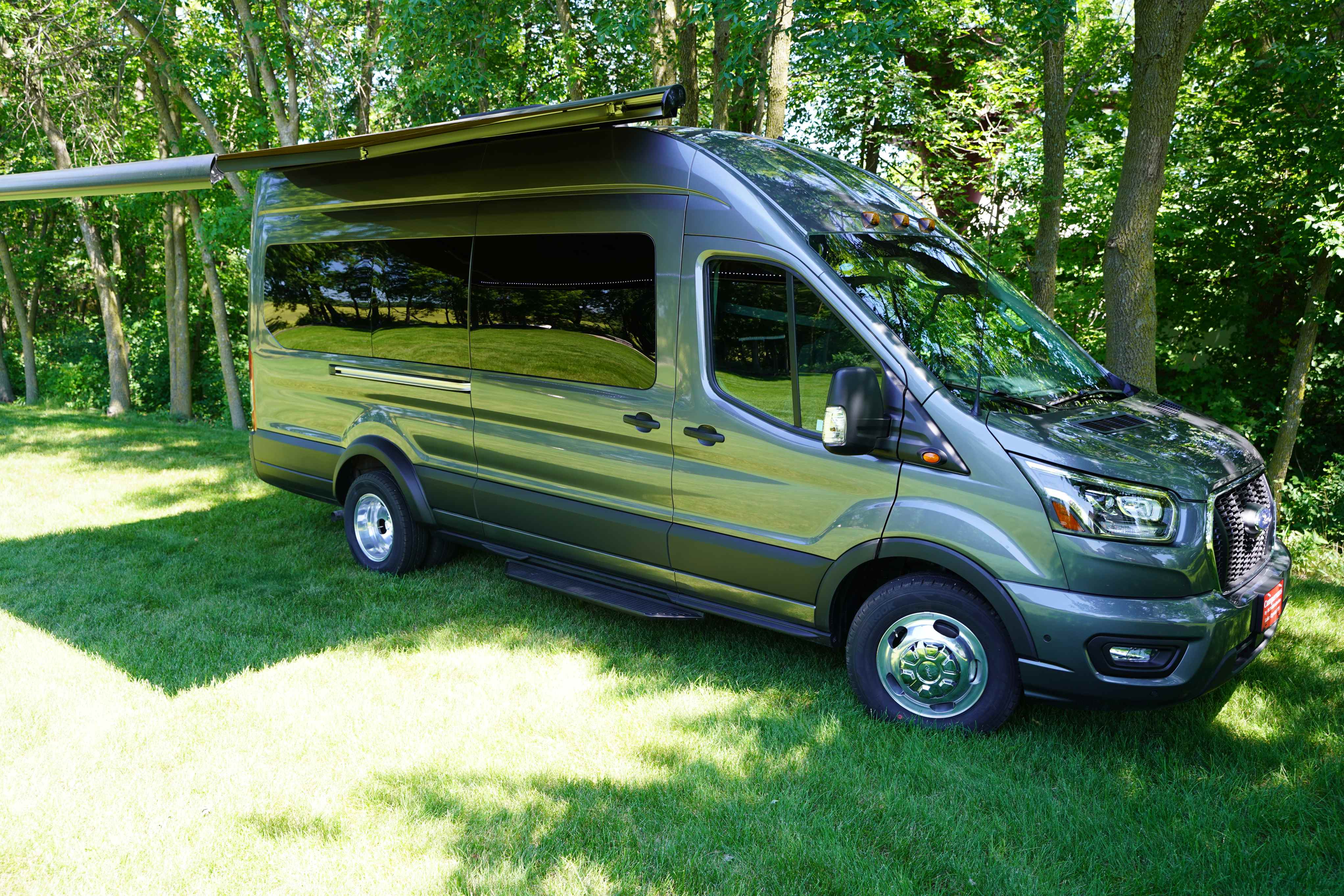
What Experienced RV Travelers Often Say
Ask longtime RV owners about their experiences and you will often hear similar advice: focus on the features you will use every day.
Comfortable seating, efficient storage, reliable electrical systems, and an open interior layout tend to matter far more during daily travel than amenities that look appealing but see limited use.
That perspective often changes how people evaluate campervan design.
Final Thought
So, do campervans need showers?
The answer depends on the traveler. For some people it is an important feature. For many others, it becomes something they rarely use once they discover the variety of convenient alternatives available on the road.
In compact campervans especially, thoughtful design often means prioritizing everyday comfort and efficient use of space.
Understanding how travel habits evolve can help buyers choose a campervan layout that truly fits the way they want to explore.
— DLM-Distribution

DLM-Distribution / Campervans is a licensed manufacturer and dealer located in Lake Crystal, Minnesota, serving clients around the country.
Contact Dave: 651-285-7089 or Candy: 507-382-9446 today!