
The Surprising Reason Many Compact Campervans Don't Include a Shower
One of the first questions many people ask when shopping for a campervan is simple:
Does it have a shower?
It is an understandable question. Most people associate RV travel with having everything under one roof, and a built-in shower can sound like an essential part of that experience.
Yet after spending time on the road, many experienced campervan travelers come to a different conclusion. They intentionally choose a small campervan without a built-in shower—not because they want fewer comforts, but because they want the interior space to work better for the way they actually travel.
In a compact RV, every design choice involves a tradeoff. A shower requires more than a faucet and a drain. It also requires floor space, fresh-water capacity, wastewater storage, plumbing, ventilation, cleaning, maintenance, and a place for the entire compartment to dry after use.
For many travelers, the real question is not whether a shower is useful.
It is whether a built-in shower is the best use of limited interior space.

What a Compact RV Shower Is Really Like
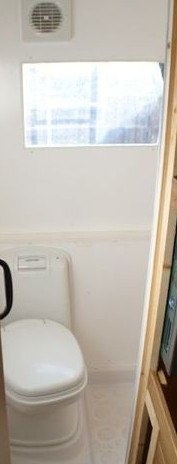
In many small Class B campervans, the shower is part of a wet bath—a compact compartment where the shower and toilet share the same space. It can work, but the shower itself is only part of the experience.
The bigger issue is often what comes afterward.
Walls and fixtures need time to dry. Moisture and condensation have to be managed. Towels need somewhere to hang. The compartment may need to be wiped down, ventilated, and kept clear of anything that should remain dry.
Over time, many owners discover that the onboard shower is not the easiest or most comfortable place to bathe. The space may be tight, water use must be watched carefully, and the cleanup can feel disproportionate to the few minutes spent showering.
That is why the shower compartment in some compact RVs eventually becomes something else entirely: a place for jackets, towels, backpacks, shoes, or travel gear.
Water Capacity Changes the Equation
Water is one of the most limited resources in a compact campervan. Even a short shower can use a surprising amount of the available fresh water, and every gallon used becomes wastewater that must be stored and later emptied.
That same supply may also be needed for drinking, meal preparation, handwashing, dishes, and everyday cleanup. Adding an indoor shower therefore affects the entire water system, requiring more tank capacity, plumbing, weight, and maintenance.
For many compact campervan travelers, carrying enough water for daily needs and using dedicated shower facilities along the route is a simpler and more practical balance.
Where Many Campervan Owners Actually Shower
One reason an onboard shower becomes less important is that comfortable bathing options are widely available along many travel routes.
Campground Showers
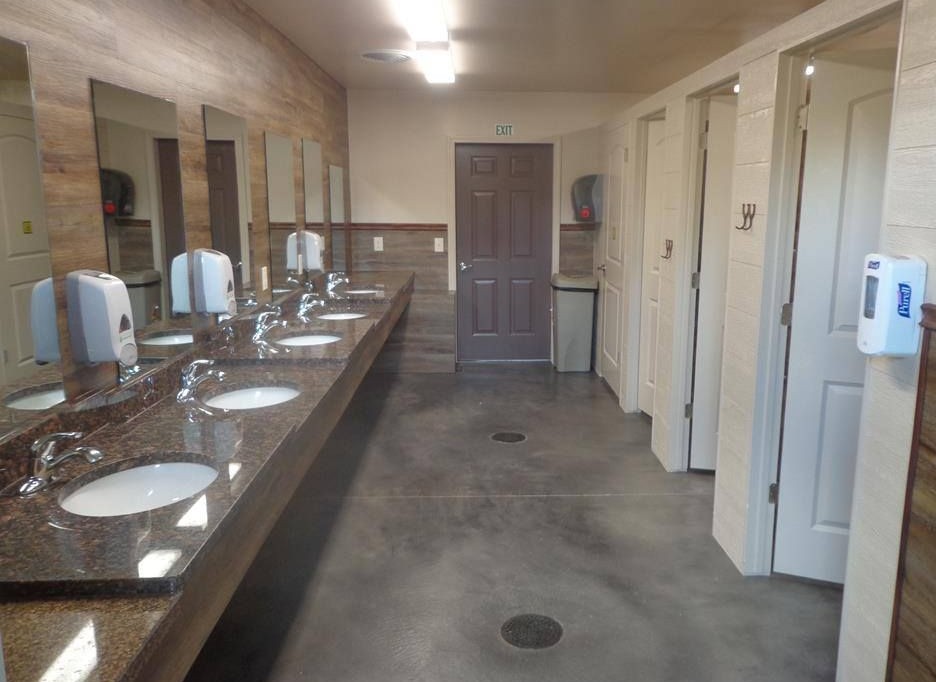
Developed campgrounds, state parks, private RV parks, and many public recreation areas provide shower facilities designed specifically for bathing. These facilities offer more room, proper ventilation, and longer showers without drawing down the campervan's water supply. Many state park and private campground shower buildings are considerably larger and more comfortable than the wet baths found in compact RVs.
Truck Stop Showers
Major travel centers such as Love's, Pilot, and TA offer private showers that are popular with professional drivers and long-distance travelers. They are often spacious, clean, and equipped with towels and plenty of hot water.

Gym Showers
Travelers with nationwide gym memberships often use gym facilities while moving between cities and towns. This can be especially practical during longer road trips when a familiar, reliable shower option is useful.
Hotel Day Use and Recreation Facilities
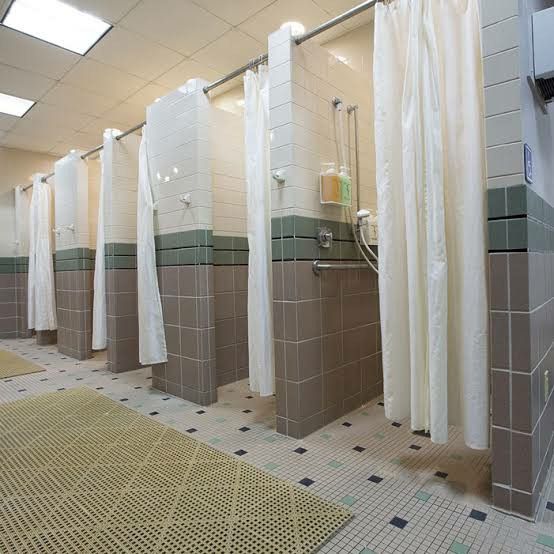
Some hotels, community centers, aquatic facilities, and recreation complexes offer day-use access to showers, pools, or fitness areas. Availability varies, but these can be useful options during extended travel.
Portable and Outdoor Shower Options
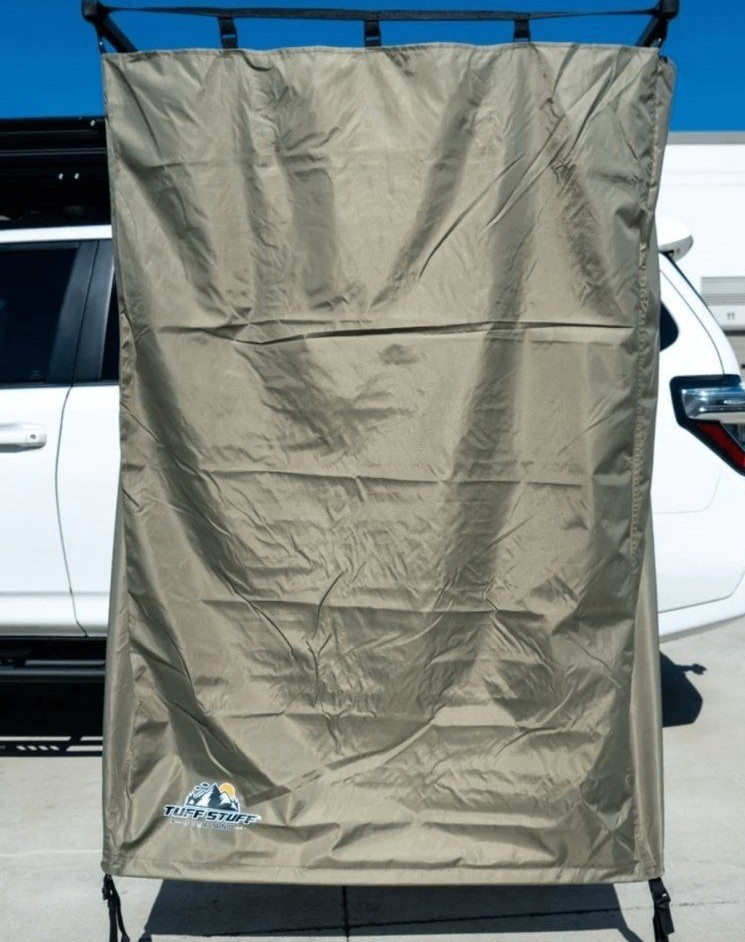
Travelers heading off-grid may use solar shower bags, rechargeable pump showers, exterior rinse systems, or privacy tents. These options are particularly helpful after hiking, biking, beach trips, or muddy outdoor activities.
Bathing Wipes and No-Rinse Products
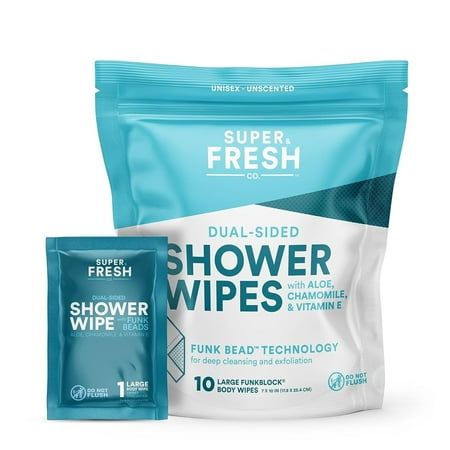
Backpackers, hikers, and remote travelers have long used bathing wipes and no-rinse cleansers between traditional showers. These products are not a permanent replacement for bathing, but they are practical for short gaps between facilities.
The Space You Gain Matters Every Day
Designing a campervan without a permanent wet bath allows that valuable space to be used every day instead of only occasionally.
In a compact campervan, every square foot has to earn its place. Many manufacturers choose to devote that space to larger beds, improved seating, additional storage, refrigeration, electrical systems, or simply creating a more open interior. Those are features travelers often enjoy every day.
A wider aisle matters every time someone moves through the campervan. Better storage matters every time gear is packed away. More usable living space improves rainy afternoons, meal stops, quiet evenings, and overnight stays. Those are benefits travelers experience every single day, while a built-in shower may only be used occasionally.
This is why thoughtful campervan design is less about fitting in the longest possible list of features and more about deciding which features deserve permanent space.
A Shower Is More Than a Feature
Every onboard system has consequences. A built-in shower may require larger water tanks, wastewater storage, plumbing lines, pumps, drains, ventilation, waterproof surfaces, and ongoing cleaning and maintenance.
Those systems add weight, complexity, and potential service needs. They also influence the layout of the entire campervan.
That does not mean a shower is a poor choice for every traveler. Someone who spends long periods far from facilities, regularly camps off-grid, or strongly prefers having a private indoor shower may decide that the tradeoff is worthwhile.
But for travelers who frequently use campgrounds, state parks, travel centers, gyms, and established routes, the balance may be very different.
The best choice depends on how the campervan will actually be used.
Designed Around Everyday Use
In a compact campervan, good design is often about restraint.
It means deciding which comforts improve the experience every day and which features may sound appealing during the shopping process but add more complexity than value in actual use.
This is the thinking behind campervans that prioritize comfortable sleeping space, refrigeration, practical storage, electrical capability, easy movement, and an open interior instead of a built-in wet bath.
The absence of a shower is not automatically a compromise. In many cases, it reflects a deliberate decision to use limited space where it provides the greatest benefit.
Travelers still have access to hot showers. They simply use facilities designed for that purpose while keeping the campervan interior more comfortable, practical, and easier to maintain.

The Better Question to Ask
The question is not whether a built-in shower can be useful.
For some travelers, absolutely.
The better question is whether it deserves permanent space inside a compact campervan.
For many experienced travelers, the answer is no. They would rather enjoy a more open interior every day and take advantage of campground, truck stop, gym, hotel, or portable shower options when needed.
That choice reflects a broader design philosophy.
A well-designed campervan is not the one with the longest list of features. It is the one that devotes its limited space to the features travelers use most.
Good campervan design is often about deciding what you will enjoy every day—not simply what you may use once in a while.
Happy Camping!

DLM-Distribution / Campervans is a licensed manufacturer and dealer located in Lake Crystal, Minnesota, serving clients around the country.
Contact Dave: 651-285-7089 or Candy: 507-382-9446 today!