
NEWS
Why RV Owners Are Downsizing to Smaller Class B Campervans
For years, larger RVs were seen as the ultimate way to travel—offering space, amenities, and the ability to bring everything along for the journey. But over time, many owners find that the reality of owning and using a large RV begins to shift.
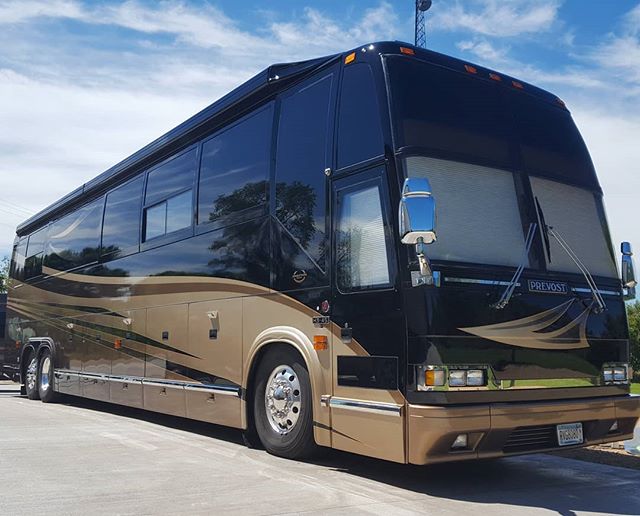
Across the country, more RV owners are choosing to downsize—not because they want less, but because they want something that better fits how they actually travel.
When Size Becomes a Limitation
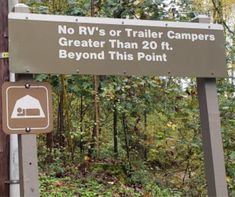
Large RVs offer space, but that size often comes with tradeoffs. Driving can require planning around fuel stops, parking, and road restrictions. Campgrounds—especially in state and national parks—may have length limitations that reduce where you can stay.
What begins as freedom can gradually turn into coordination, where the vehicle starts to dictate the trip instead of supporting it.
Driving Becomes Part of the Experience Again
One of the most noticeable changes after downsizing is how much easier travel becomes. Smaller Class B campervans drive more like a standard vehicle, making them easier to handle in cities, scenic areas, and everyday situations.
Instead of planning around the vehicle, the vehicle adapts to the trip—opening up more spontaneous stops and less stressful travel days.
Fuel Efficiency and Travel Costs
Fuel is one of the most consistent expenses in RV travel, and larger motorhomes tend to consume significantly more—especially over long distances. As travel patterns shift toward more frequent trips rather than extended stays, fuel efficiency becomes increasingly important.
Many owners find that downsizing helps reduce overall travel expenses, aligning with a broader shift toward practical, cost-conscious travel, as discussed in how campervans help reduce travel and transportation costs.
Maintenance and Complexity
With size often comes complexity. Larger RVs typically include more systems—generators, slide-outs, plumbing, and additional mechanical components—all of which require maintenance over time.
Smaller campervans simplify that equation. Fewer systems generally mean fewer things to maintain, repair, or troubleshoot, allowing owners to spend more time traveling and less time managing upkeep.
Storage and Everyday Practicality
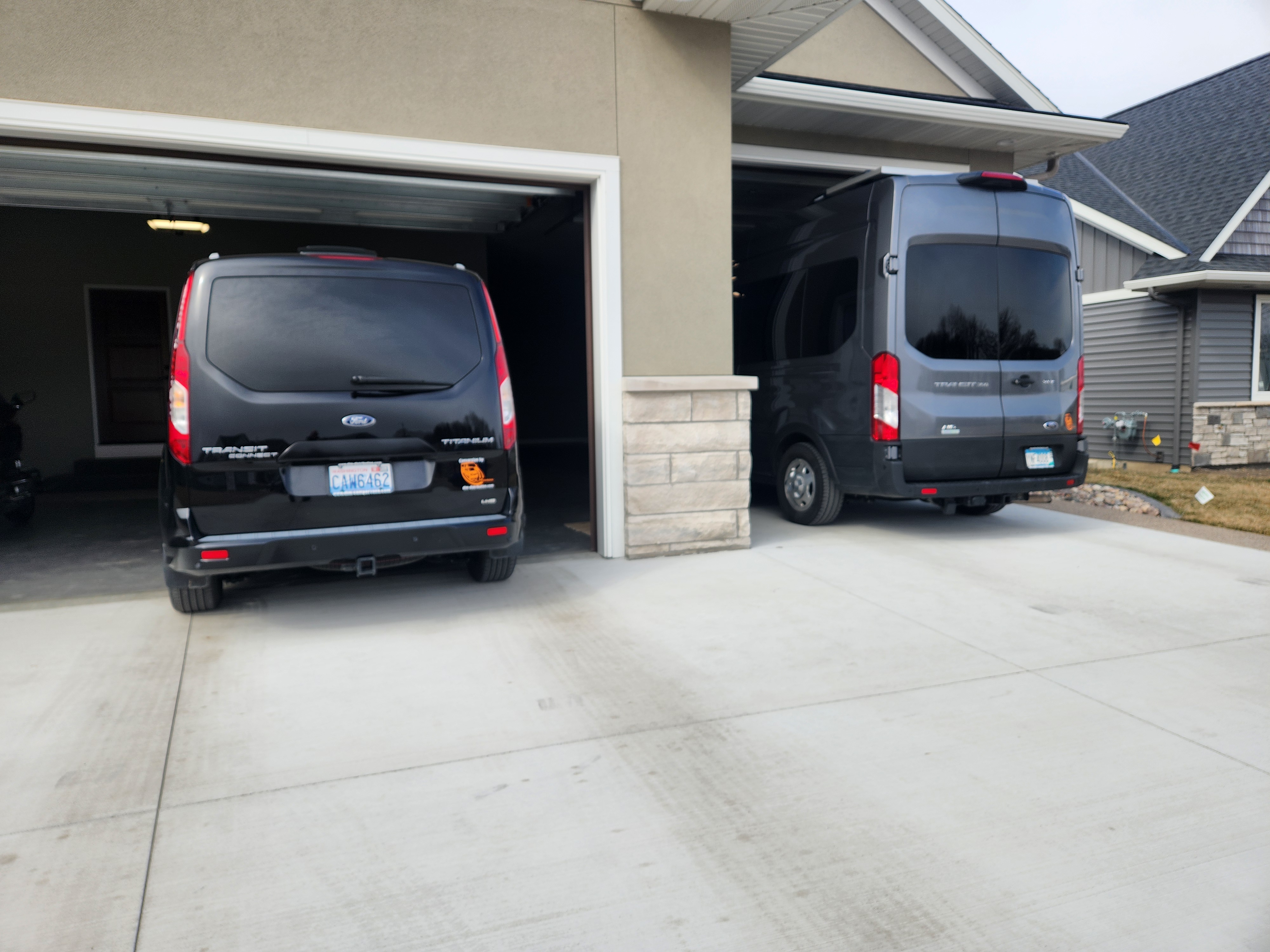
One of the biggest turning points for many RV owners is storage. Large motorhomes often require off-site storage, adding both cost and inconvenience. Preparing for a trip can take more time, and spontaneous travel becomes less likely.
Downsizing to a smaller, garageable campervan allows owners to keep their vehicle at home. This not only reduces storage costs but also makes it easier to stay ready for travel at any time.
This is especially important for those living in regulated communities, where vehicle size and storage limitations can affect ownership, as explained in how campervans fit within HOA guidelines.
Access to More Destinations
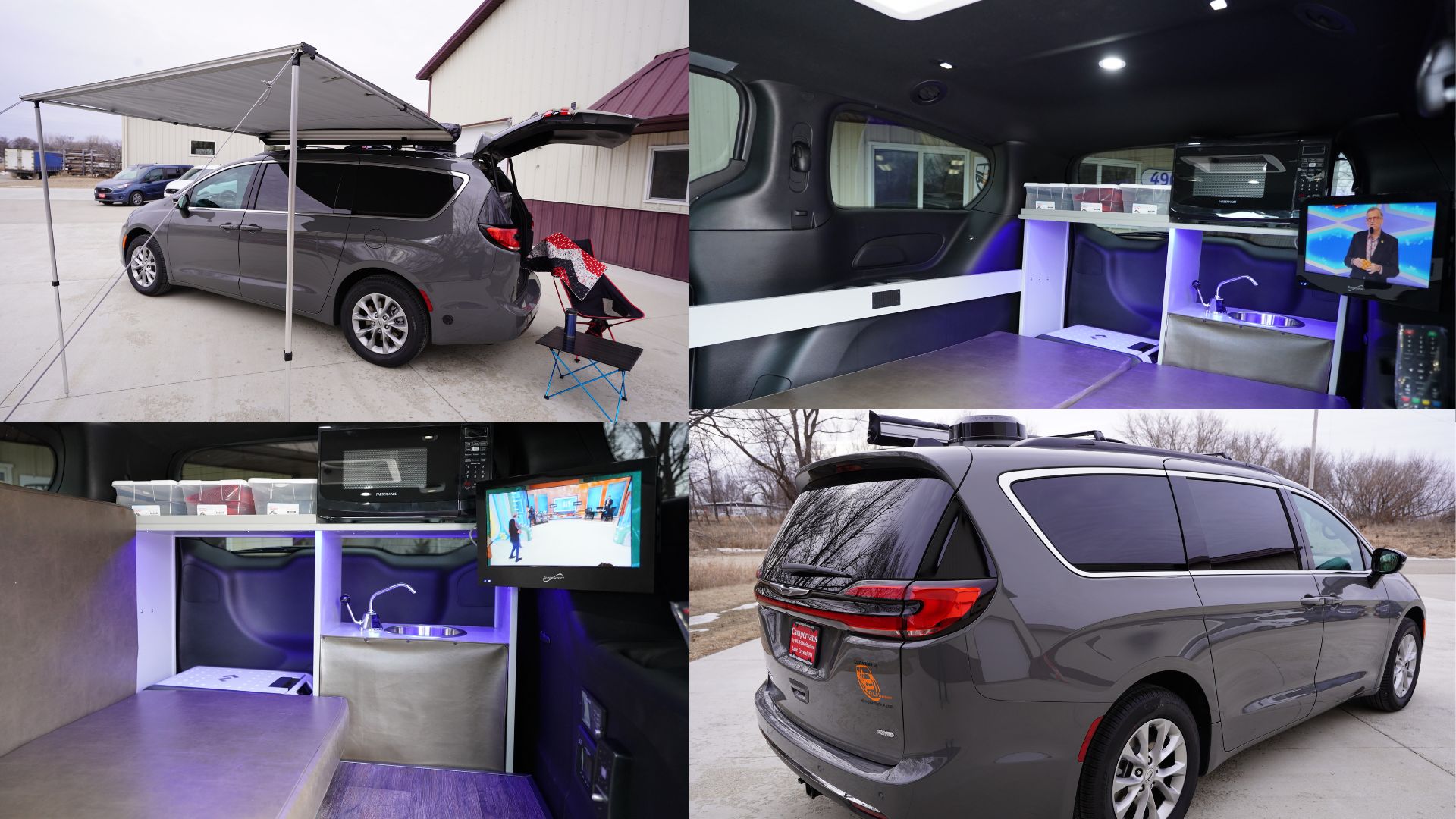
Not all campgrounds are designed for large RVs. Many national and state parks have length restrictions that limit access for larger rigs, particularly in older or more scenic areas.
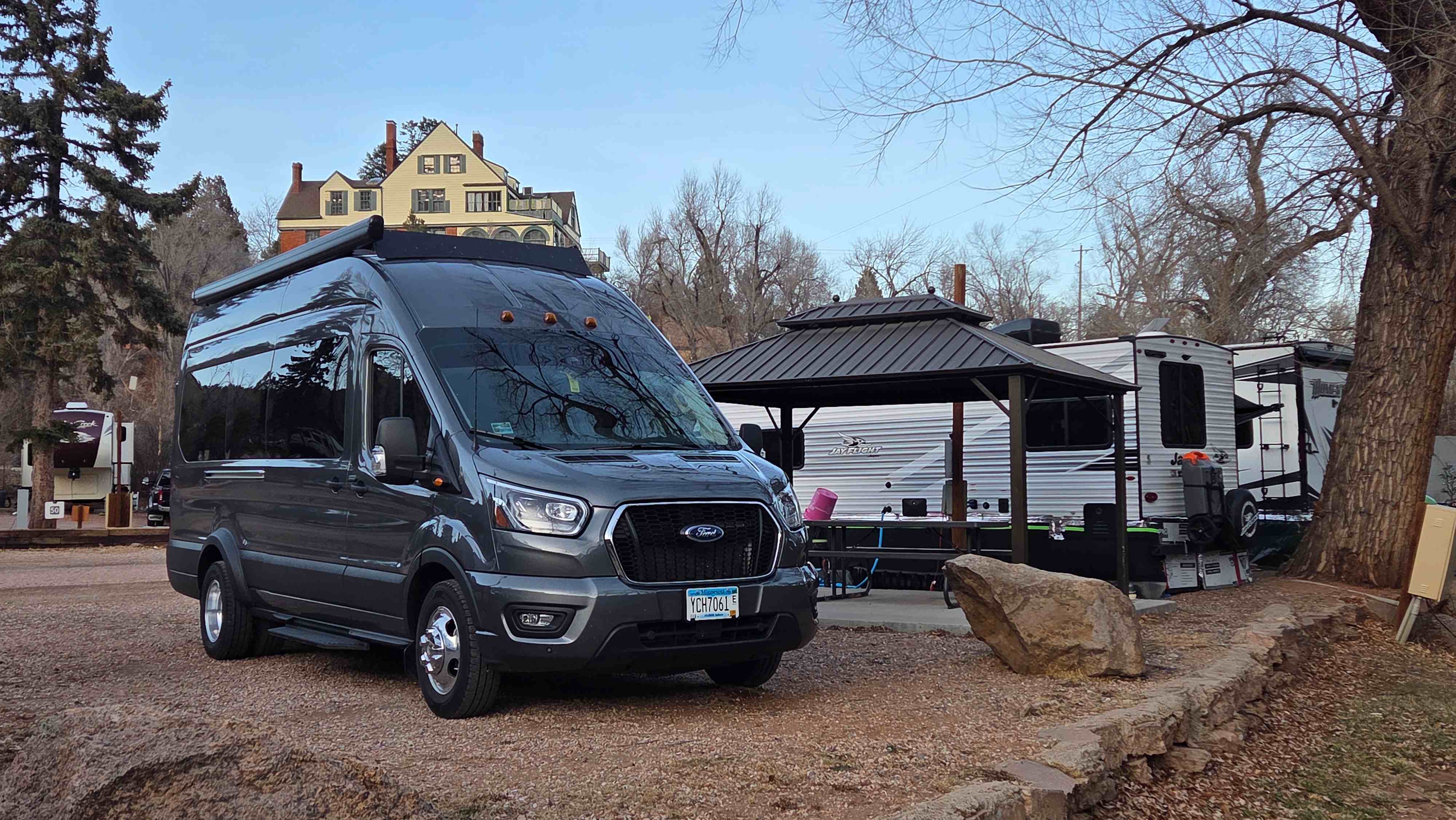
Smaller campervans provide access to a wider range of campsites, allowing travelers to stay closer to the places they actually want to experience.
A Shift in Travel Style
Downsizing is often less about giving something up and more about changing how travel happens. Larger RVs tend to favor longer, highly planned trips, while smaller campervans support more flexible travel.
Weekend trips, visiting family, or adjusting plans based on weather or interest become easier when the vehicle itself is simple to use and always accessible.
This shift aligns with the growing preference for traveling on your own schedule, where flexibility replaces rigid planning.
Why Downsizing Isn’t About Giving Something Up
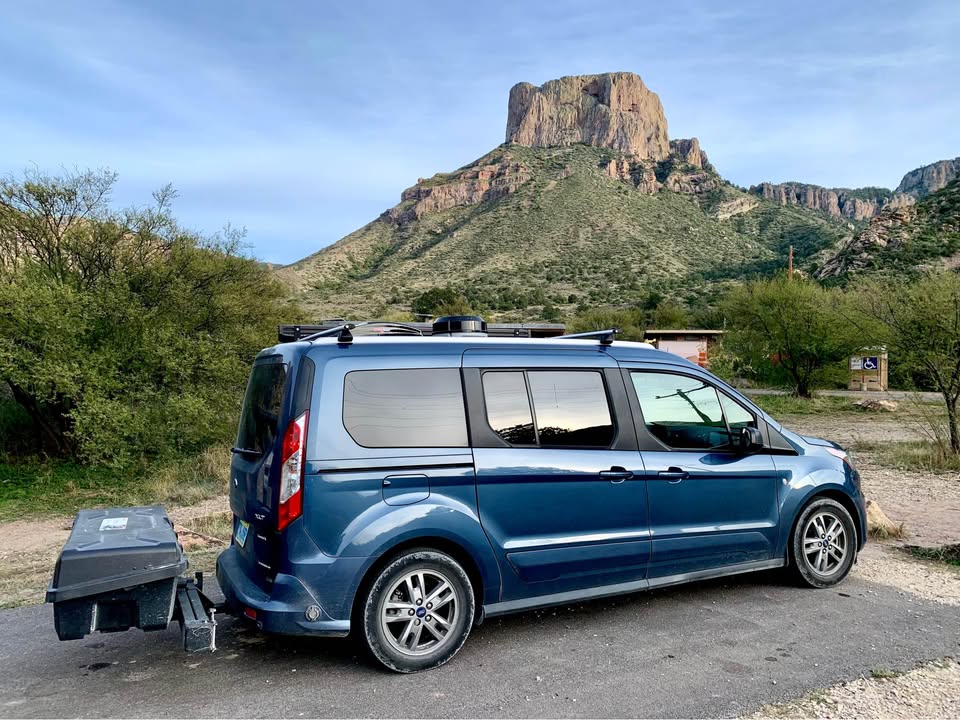
Choosing a smaller RV is not about sacrificing comfort—it’s about aligning the vehicle with how it’s actually used. For many owners, the result is a more practical, efficient, and enjoyable travel experience.
Downsizing removes barriers. It simplifies ownership. And in many cases, it leads to traveling more often—not less.
Choosing What Fits Your Travel Life
There is no single “right” RV for everyone. Larger motorhomes continue to serve a purpose for extended stays, but for many people, a smaller Class B campervan provides a better balance of usability, efficiency, and freedom.
The decision to downsize is rarely about the vehicle alone—it’s about making travel easier, more accessible, and more aligned with everyday life.
Happy Camping!

DLM-Distribution / Campervans is a licensed manufacturer and dealer located in Lake Crystal, Minnesota, serving clients around the country.
Contact Dave: 651-285-7089 or Candy: 507-382-9446 today!