
NEWS
Stay Connected While Camping: Cell Boosters, WiFi, and Satellite Internet
For many travelers, camping provides an opportunity to step away from crowded schedules, daily routines, and constant distractions. At the same time, staying connected has become increasingly important for navigation, weather information, remote work, trip planning, emergency communication, and keeping in touch with family and friends.
Whether traveling by campervan, RV, or tent, reliable internet and communication options are no longer limited to cities or developed campgrounds. With the right combination of technology, it is now possible to maintain dependable connectivity across a wide range of environments, including remote public lands and off-grid camping areas.
Understanding how different systems work—and where each performs best—can make a significant difference when planning extended travel or time outdoors.
Cell Phone Boosters: Improving Weak Cellular Signals
Cell phone boosters remain one of the most practical tools for improving weak cellular coverage while traveling. These systems do not create service where none exists, but they can strengthen weak existing signals enough to improve phone calls, texting, hotspot performance, and mobile data reliability.
Most systems use an exterior antenna to capture available signal, an amplifier to strengthen it, and an interior antenna to rebroadcast the improved signal inside the vehicle.
For campervan and RV travelers who rely on mobile hotspots, navigation apps, weather services, or internet-based communication, a quality booster can make a noticeable difference in rural areas, forests, mountains, and campgrounds where signals fluctuate.
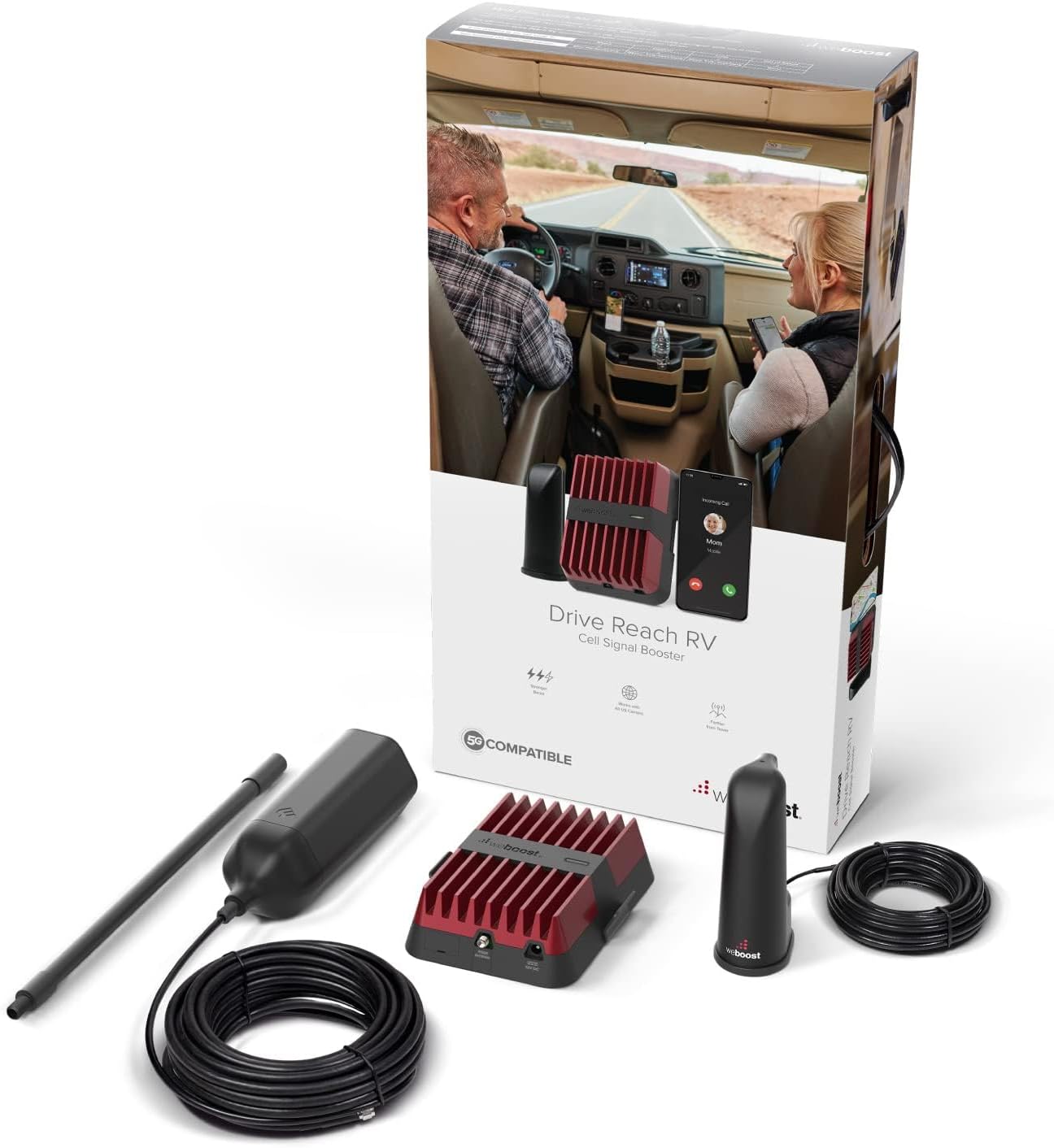
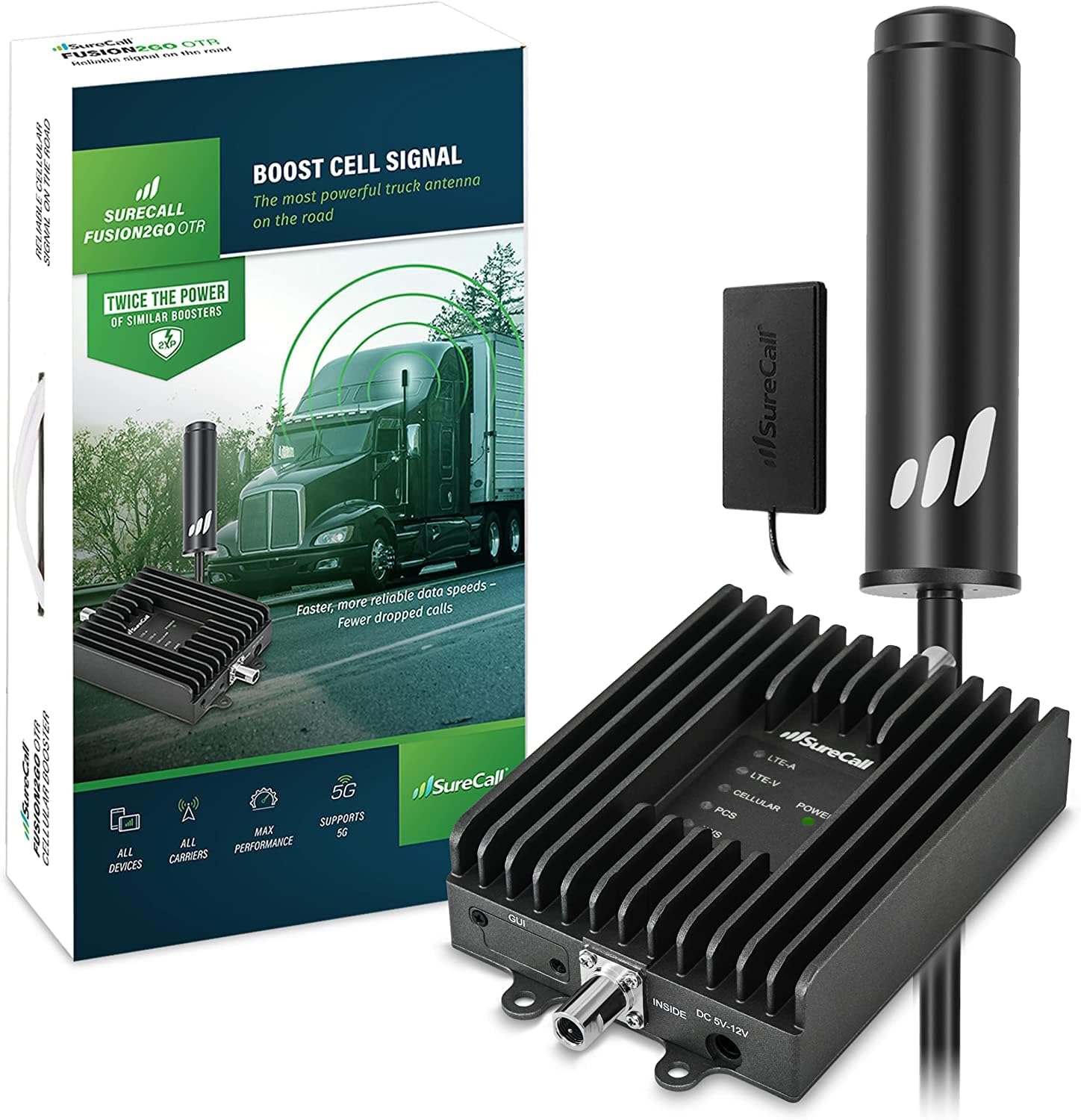
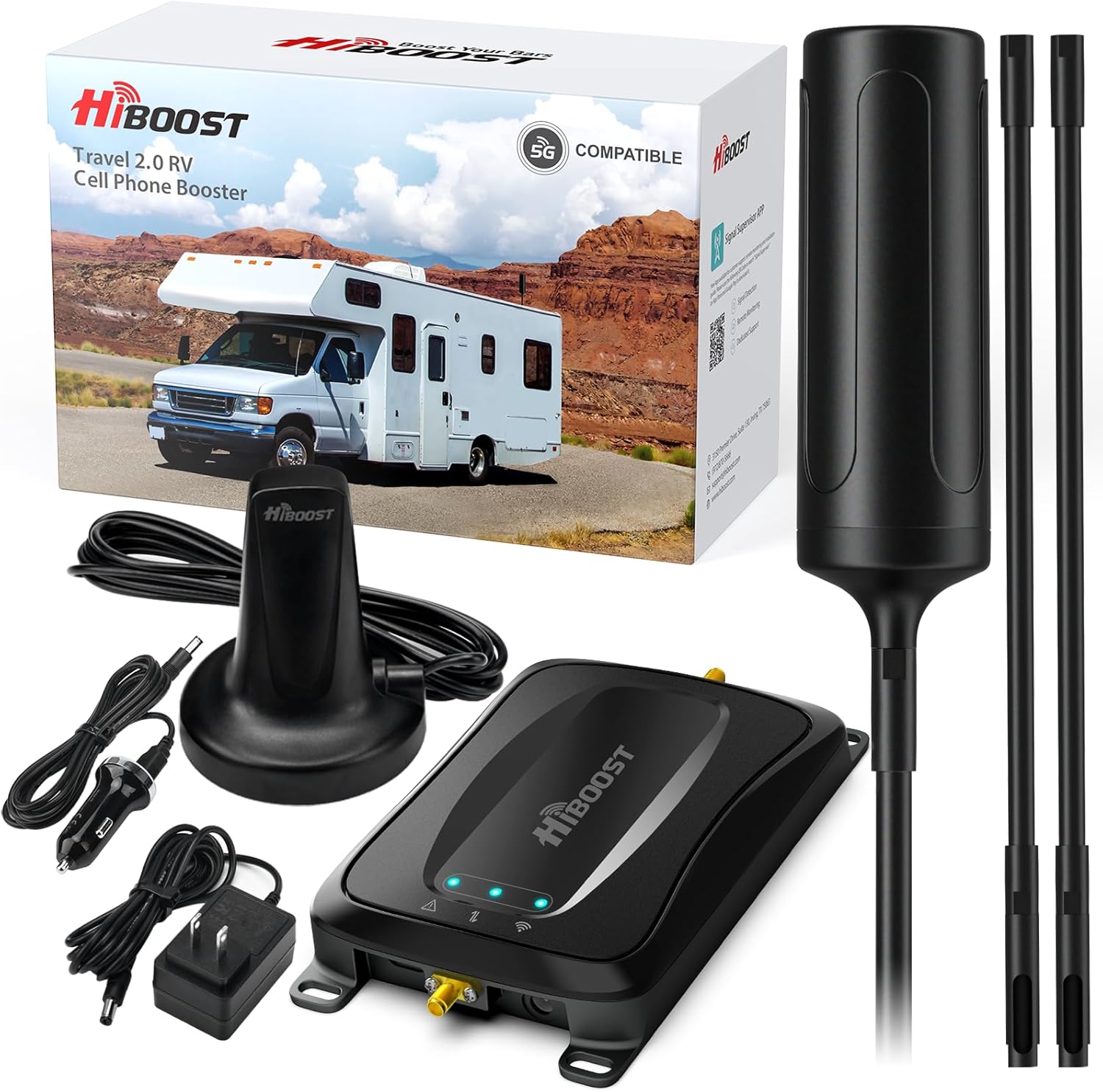
Important: Cell boosters improve weak signals but cannot generate service in areas with no cellular coverage at all.
Mobile Hotspots and Cellular Internet
When cellular service is available, smartphones and dedicated mobile hotspots often provide the simplest and most efficient internet solution for camping travel.
Most modern travelers now use cellular hotspots to support laptops, tablets, streaming devices, navigation systems, and remote work setups directly from campgrounds, scenic pull-offs, or overnight stops.
Coverage quality depends heavily on carrier infrastructure and location. Verizon and AT&T often perform well across rural parts of the United States, while T-Mobile coverage continues expanding rapidly in many populated and suburban areas.
Combining a hotspot with a quality cell booster frequently improves both speed and reliability, particularly in marginal coverage areas.
Reliable connectivity also depends on having adequate onboard power. Efficient campervan electrical systems and internet connectivity setups become increasingly important when powering multiple devices, charging equipment, or supporting remote work while traveling.
Campground WiFi: Helpful but Often Limited
Many campgrounds now advertise WiFi access, but real-world performance can vary considerably depending on infrastructure quality, signal distance, terrain, weather, and the number of connected users.
In busy campgrounds, speeds may slow significantly during evening hours when many campers are online simultaneously. Trees, terrain, and distance from the campground router can also weaken signals.
WiFi extenders and directional antennas may improve weak campground connections, especially for campers positioned farther from the primary access point. Even so, campground WiFi is usually best viewed as a secondary or supplemental internet source rather than a dependable primary connection.
For travelers requiring more consistent internet access, cellular or satellite-based systems are typically more reliable long-term solutions.
Starlink Satellite Internet and Off-Grid Connectivity
Satellite-based internet systems, particularly Starlink, have dramatically expanded internet availability for RV and campervan travelers exploring remote areas beyond reliable cell coverage.
With a relatively open view of the sky, Starlink can provide high-speed internet suitable for video conferencing, streaming, navigation updates, remote work, and cloud-based communication in locations where traditional cellular service may be unavailable.
This has made satellite internet especially valuable for travelers spending extended time in national forests, dispersed camping areas, state parks, and other remote outdoor locations.
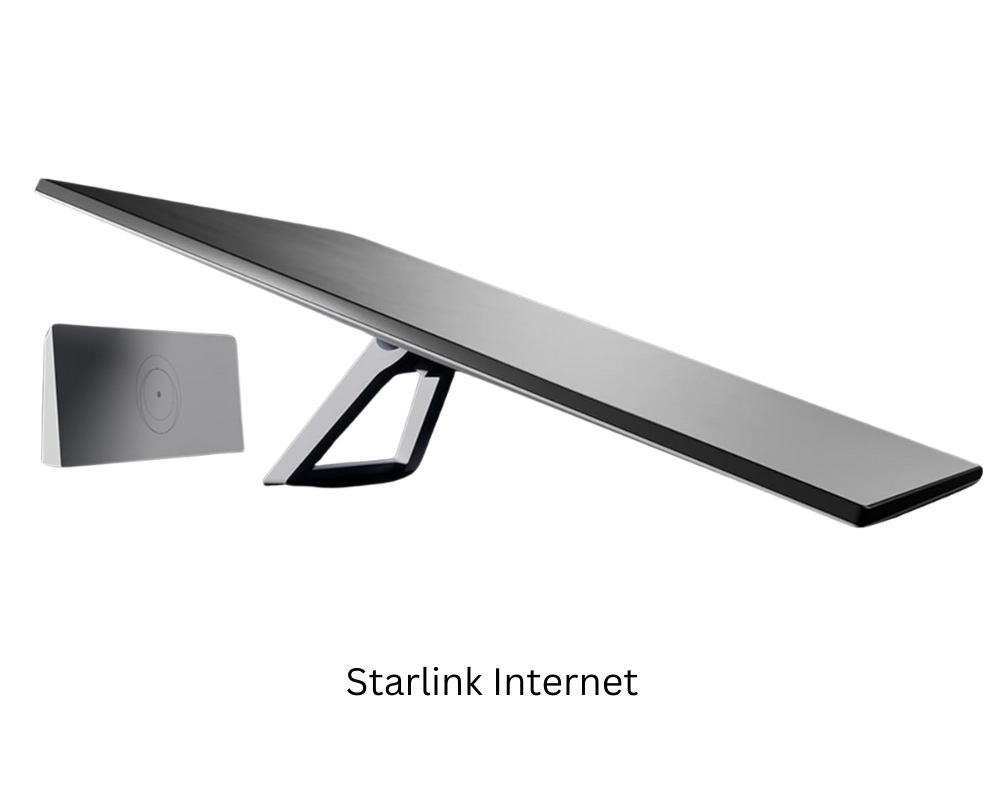
Unlike cellular systems, however, satellite internet generally requires more electrical power, additional setup time, and clear sky visibility. Tree cover, steep canyon walls, and weather conditions can occasionally affect performance.
Many travelers also overlook the fact that Starlink provides internet access rather than traditional cellular phone service. However, when internet is available, many smartphones can still make and receive calls using WiFi calling or VOIP-based communication services, even in areas without nearby cell towers.
For campervan owners focused on efficient travel and manageable power usage, balancing connectivity with energy consumption becomes an important part of off-grid travel planning. Compact and efficient campervans designed for everyday travel often simplify that balance considerably.
Choosing the Right Connectivity Setup
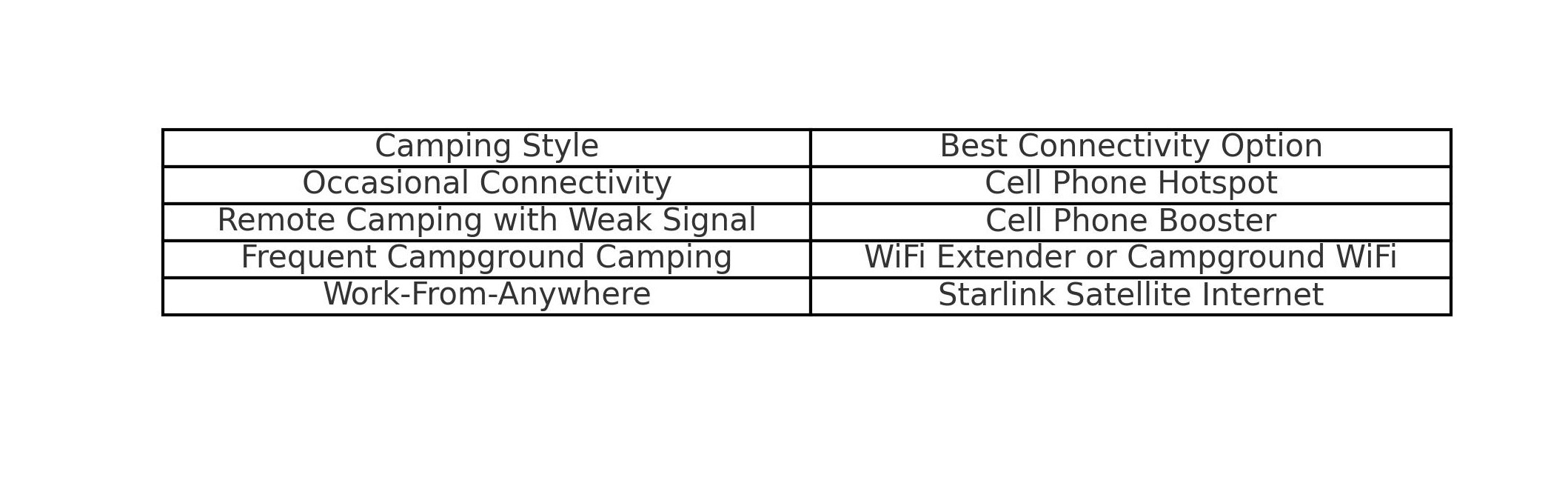
The best connectivity solution depends largely on how and where you travel.
For travelers who primarily stay near populated areas or established campgrounds, a mobile hotspot combined with a quality cell booster is often more than sufficient.
For extended remote travel where cellular coverage becomes unreliable, satellite internet systems provide an additional layer of flexibility and independence.
Many experienced travelers eventually adopt a layered approach—using cellular data as the primary connection while relying on campground WiFi or satellite internet when needed.
Staying Connected on Your Own Terms
Modern camping no longer requires choosing entirely between connectivity and getting away from it all.
With the right setup, travelers can remain reachable when necessary while still enjoying the slower pace and quieter experiences that make camping appealing in the first place.
For many campervan and RV travelers, the real advantage is flexibility—having the ability to connect when needed while still deciding when it is time to unplug and simply enjoy the surroundings.
Happy Camping!
DLM-Distribution / Campervans is a licensed manufacturer and dealer located in Lake Crystal, Minnesota, serving clients around the country.
Contact Dave: 651-285-7089 or Candy: 507-382-9446 today!