
NEWS
Starlink Internet for Campervans and Off-Grid Travel
Reliable internet access has become an important part of campervan and RV travel for many people. Whether working remotely, checking weather conditions, navigating unfamiliar roads, uploading photos, or staying in touch with family, connectivity now influences how and where people travel.
For campervan owners who spend time beyond traditional campgrounds, internet access can become more challenging. Cellular hotspots and campground WiFi often work well near towns, highways, and developed areas, but coverage can quickly fade in national forests, remote state parks, mountain regions, and backcountry camping areas.
Satellite-based systems such as Starlink Roam have helped change expectations by making internet access possible in many places beyond normal cellular coverage. For compact campervans, including the Mini-T Campervan, this can add another layer of flexibility for those who want to travel farther while remaining connected when needed.
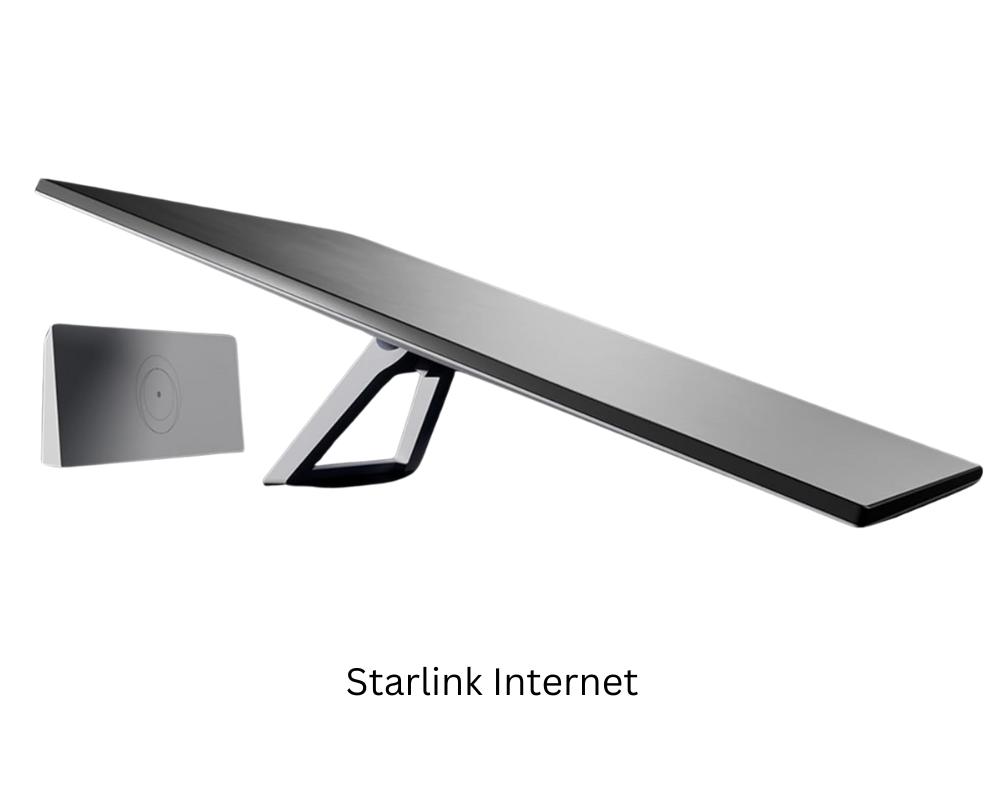
Choosing the Right Starlink Setup
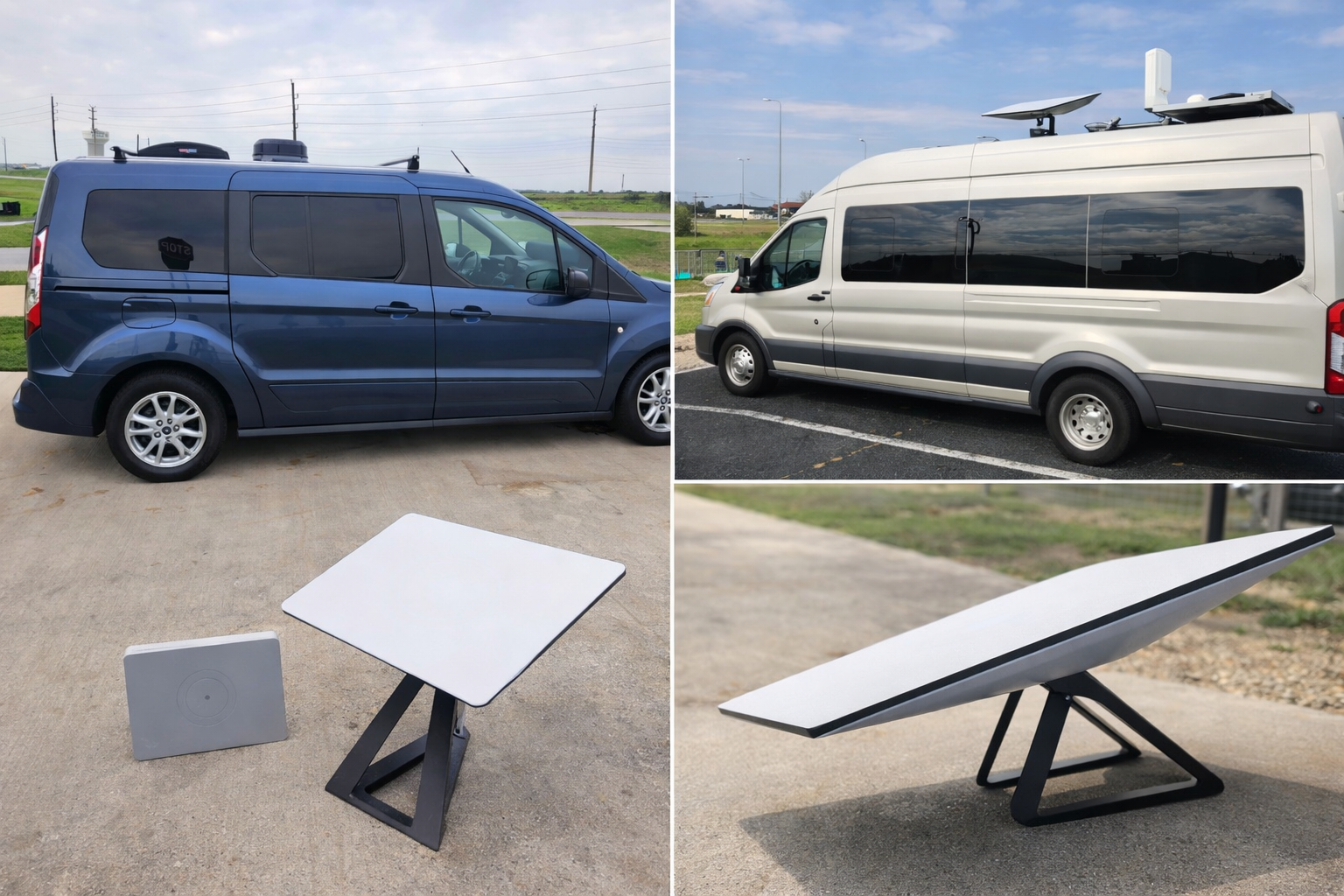
For compact campervans, the Starlink Mini is often the most practical option. Its smaller size, lower power requirements, and portable design make it easier to store, transport, and set up without taking up unnecessary space.
The Starlink Mini can be placed in an open area when parked, helping maintain a clearer view of the sky. That flexibility is especially useful in wooded campgrounds, shaded campsites, or areas where a roof-mounted system may be partially blocked by trees or nearby structures.
For those who prefer convenience over portability, roof-mounted Starlink systems are also available. A fixed installation can reduce setup time and keep the system ready whenever the vehicle is parked in a suitable location.
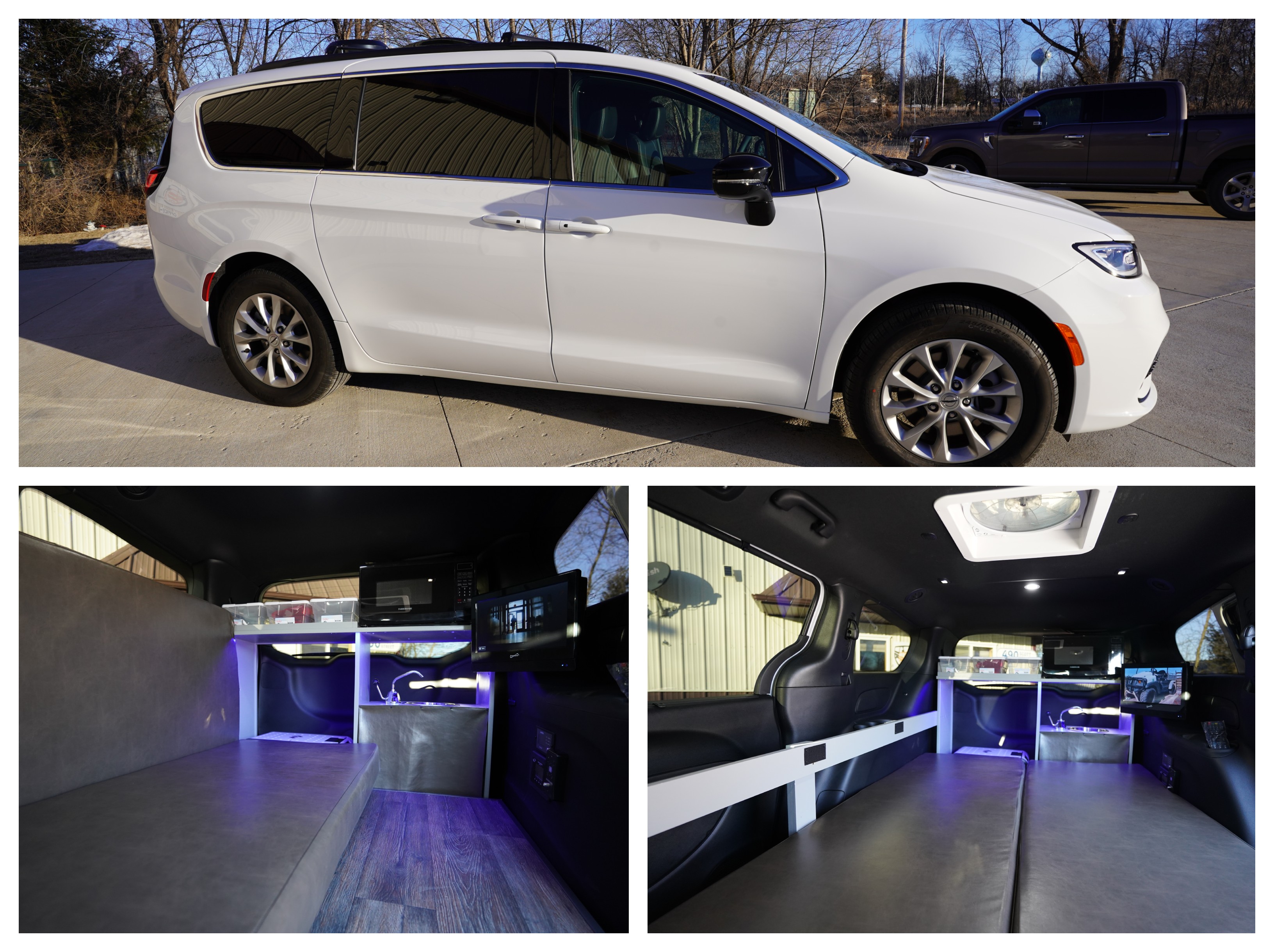
Powering Starlink While Off-Grid
Power consumption is one of the most important considerations when using satellite internet in a campervan. The Starlink Mini typically operates in the 25–40 watt range under normal use, making it far more practical for compact campervans than larger satellite systems with higher power demands.
This lower power draw pairs well with the Mini-T Campervan’s integrated electrical system. Designed to support off-grid use, the system allows house batteries to charge through solar, the alternator while driving, or shore power when available.
The balanced approach discussed in how the Mini-T Campervan electrical system works helps support devices such as Starlink while reducing dependence on campground hookups.
For many people, that means more freedom to stay connected from state parks, scenic pull-offs, quiet campgrounds, and remote travel routes without needing to plan every stop around internet availability.
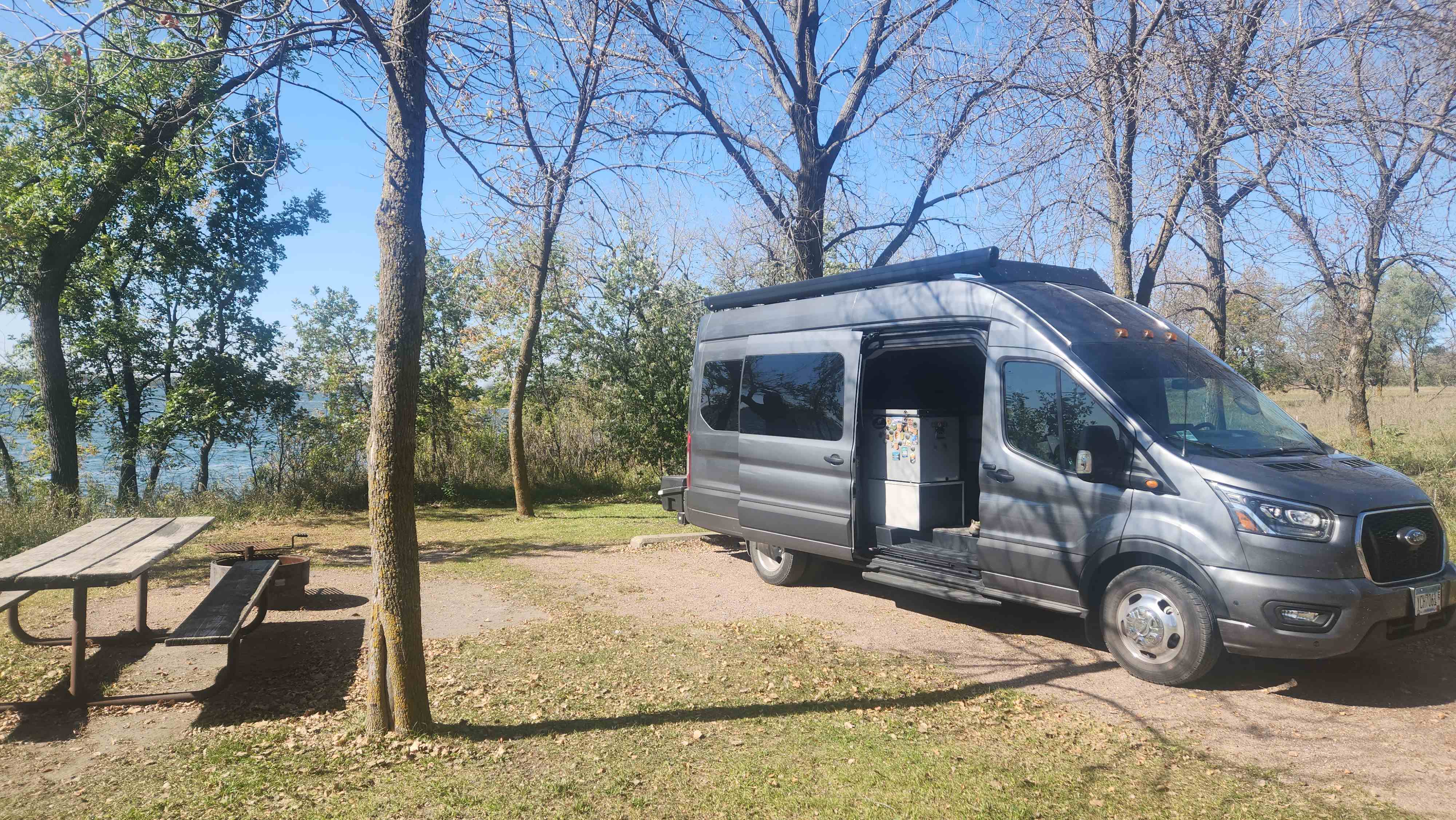
Options for High-Roof Campervans
Larger campervans can support additional Starlink options depending on their available roof space, power capacity, and intended use.
For Mini-T HR High-Roof Campervans, both portable and roof-mounted Starlink systems may be practical depending on travel style. The Starlink Mini remains a strong choice for efficiency, while larger Flat High-Performance systems may appeal to those who want a permanently mounted system with higher capacity.
Because larger Starlink systems can require significantly more power than the Mini version, electrical capacity should always be considered before choosing a setup. For owners spending long periods off-grid, power planning matters just as much as internet performance.
Combining Starlink with Cellular Connectivity
Starlink can be especially helpful in remote areas, but cellular-based internet still has an important place in RV and campervan travel. In populated areas, along major highways, and near many developed campgrounds, a built-in vehicle WiFi system or smartphone hotspot may provide simple and efficient connectivity.
Many campervan owners use a layered approach: cellular data when service is available, campground WiFi when it is reliable, and satellite internet when traveling beyond normal coverage areas.
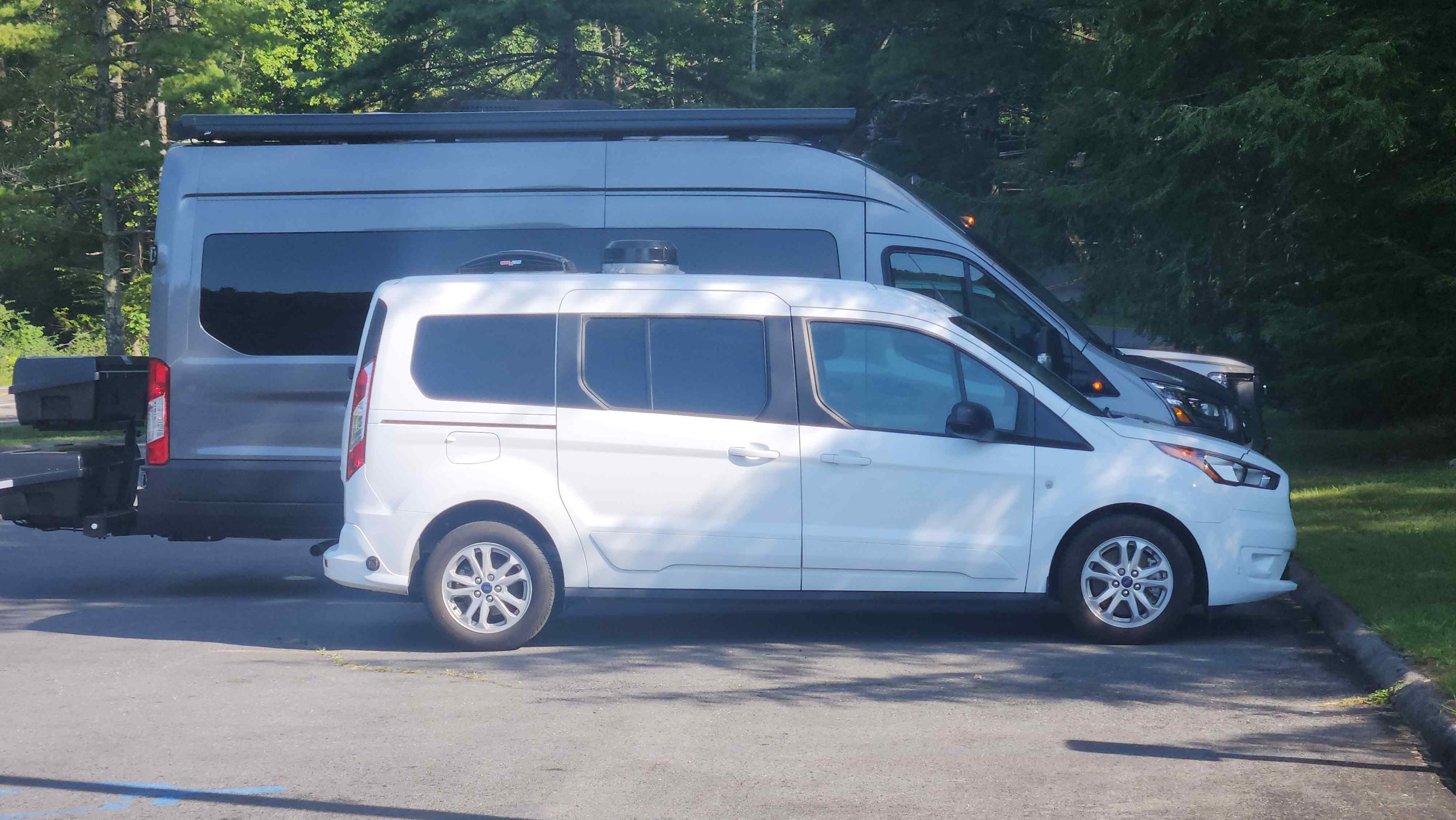
Across the Mini-T Campervan lineup, including models based on the Ford Transit Connect, Chrysler Pacifica, and Voyager platforms, that kind of flexibility supports a wide range of travel habits, from weekend camping to extended road trips.
Internet Service and Phone Communication
One detail sometimes overlooked is that Starlink provides internet service rather than traditional cellular phone service. However, when internet access is available, many smartphones can still place and receive calls through WiFi calling or internet-based VOIP apps.
In practical terms, that can allow communication in places where nearby cellular towers may not exist. For people camping in remote areas, this distinction matters. Starlink does not replace a cellular phone plan, but it can support internet-based calling and messaging when properly configured.
Staying Connected While Traveling
Reliable internet access can expand what is possible while traveling. For some, that means remote work from a campground. For others, it means better navigation, weather awareness, communication, entertainment, or the ability to stay in touch while exploring less populated parts of the country.
With the right combination of cellular connectivity, satellite internet, and efficient power management, a campervan can support connected travel without limiting where the road leads.
For many RV and campervan owners, connectivity is no longer just about convenience. It has become part of practical, flexible, and safer travel.
DLM-Distribution / Campervans is a licensed manufacturer and dealer located in Lake Crystal, Minnesota, serving clients around the country.
Contact Dave: 651-285-7089 or Candy: 507-382-9446 today!