
Gooseberry Falls State Park: Where Minnesota’s North Shore Begins to Unfold
There is a point when driving north from Duluth when Lake Superior begins to change the character of the trip. The road follows the shoreline, rocky cliffs appear between the trees, small towns give way to longer stretches of forest, and the journey starts to feel distinctly different from the rest of Minnesota. For generations of travelers, Gooseberry Falls State Park has been one of the places that defines that transition.
Located along Highway 61 north of Two Harbors, Gooseberry Falls is easy to visit for a few hours, but it also rewards travelers who give it more time. The waterfalls are the obvious attraction, yet the park extends well beyond them, connecting the Gooseberry River, forest, historic stone structures and the rugged shoreline of Lake Superior into one remarkably varied landscape.
It is also a place that changes dramatically with the seasons. Spring brings rushing water and cool air off the lake. Summer fills the forest with green. Autumn brings some of Minnesota’s most anticipated fall color, while winter transforms familiar waterfalls and trails into a landscape of snow and ice. Returning at a different time of year can feel like discovering the park again.
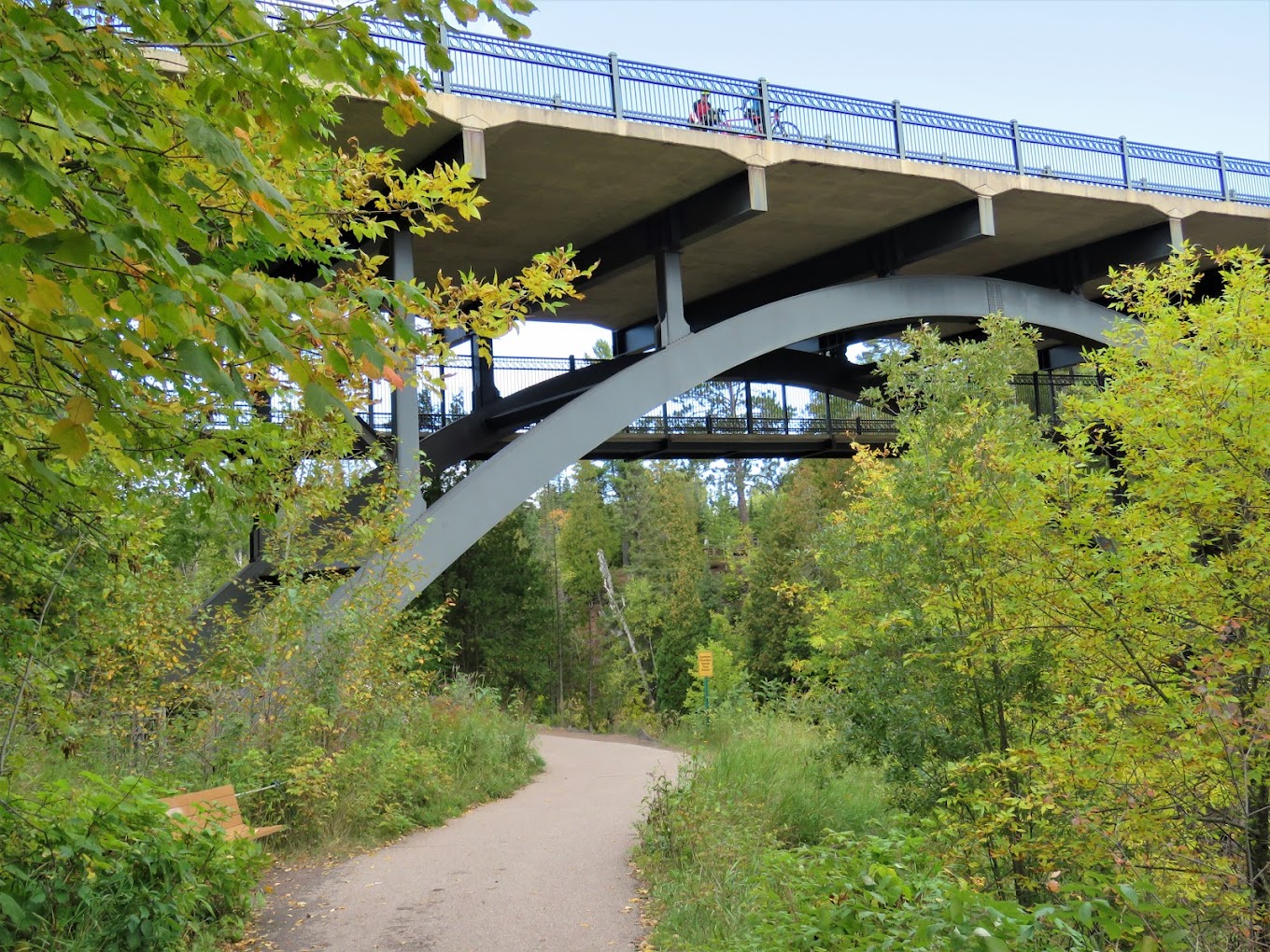
More Than a Waterfall Stop
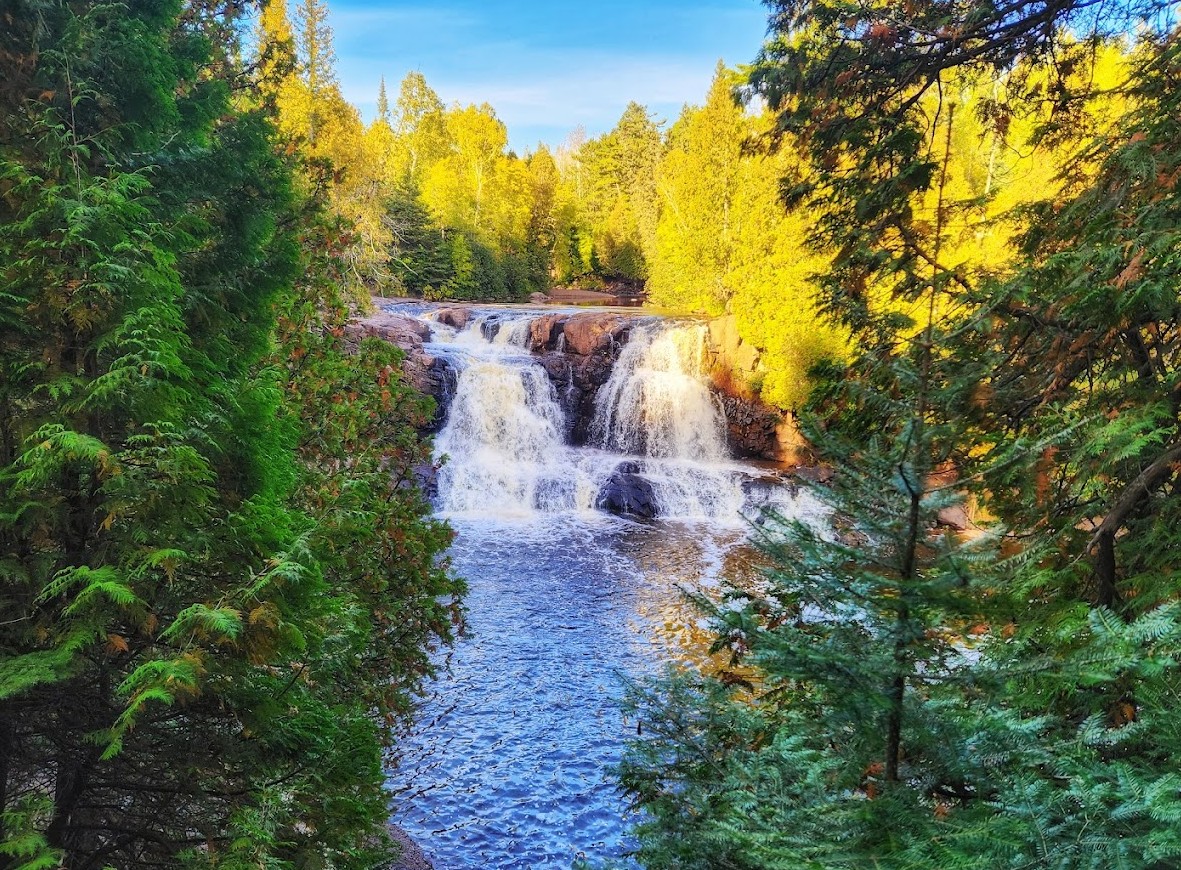
For a first-time visitor, the falls naturally command attention. The Gooseberry River drops through a succession of Upper, Middle and Lower Falls as it travels toward Lake Superior, with trails and viewpoints making it possible to experience the river from several perspectives. Water levels vary considerably throughout the year, and that is part of what makes repeat visits interesting. During spring runoff the river can be powerful and loud; at other times, exposed rock reveals more of the geology beneath it.
That rock is part of a much older North Shore story. The dark volcanic formations surrounding the river originated more than a billion years ago, and water, ice and time have continued shaping the landscape ever since. Standing beside the falls is therefore not simply about seeing moving water. The river provides a remarkably accessible look at the geology that helped create this portion of Minnesota.
Human history has also become part of the scenery. During the 1930s, Civilian Conservation Corps crews developed many of the stone structures, retaining walls and other features associated with the park. Built from local materials and designed to complement their surroundings, the CCC work has aged so naturally into the landscape that it can be easy to overlook just how much of the park’s character it helps create.
Rather than separating the natural and historic sides of Gooseberry Falls, it is worth noticing how closely they exist together. Trails lead from rushing water past stonework created nearly a century ago and onward through forests toward Lake Superior. A relatively short walk can reveal several different chapters of the North Shore story.
Follow the River Toward Lake Superior
Visitors who only see the main waterfalls experience the most famous part of Gooseberry Falls, but not necessarily all of its personality. Following the trails farther from the busiest viewpoints gradually changes the experience. The sound of the falls recedes, the forest becomes more prominent, and eventually the enormous presence of Lake Superior takes over.
That transition from river to lake is one of the reasons to allow more time here. Gooseberry Falls is not simply a waterfall attraction beside Highway 61. The park reaches the Lake Superior shoreline, where rock, water and changing weather create the kind of scenery for which the entire North Shore is known.
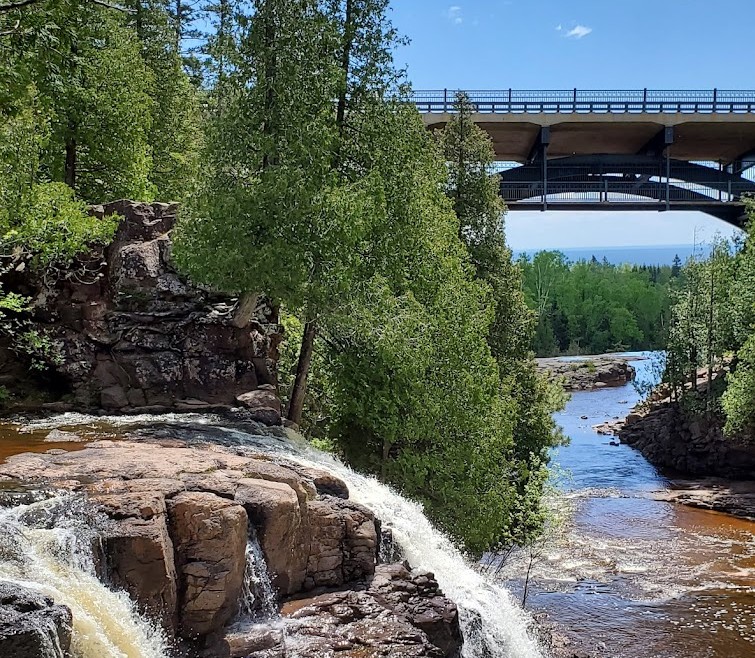
The park’s trail system makes it possible to choose the day you want. That might mean an easy walk around the falls, several hours exploring the river and shoreline, or incorporating Gooseberry into a longer hiking trip. The Superior Hiking Trail passes through the park as it continues along the North Shore, connecting Gooseberry to a much larger landscape beyond its boundaries.
Cyclists and walkers can experience the area from another perspective on the Gitchi-Gami State Trail. Rather than treating each attraction along Highway 61 as an isolated destination, trails like these help reveal how closely the communities, forests, rivers and shoreline of the North Shore are connected.
Staying After the Day Visitors Leave
Gooseberry Falls can become busy during popular summer weekends and peak fall-color periods. That makes camping in the park a very different experience from simply stopping during the middle of the day.
Early morning and evening bring a quieter rhythm. There is time for another walk after dinner, an early start before the parking areas become busy, or simply sitting outside as the temperature drops and another North Shore day comes to an end.
The park campground has non-electric campsites among the trees, making it a good choice for travelers who enjoy a more traditional state-park camping experience. For a campervan, a North Shore trip can be particularly simple: arrive, settle into the site and use the same vehicle the next morning to continue exploring Highway 61.
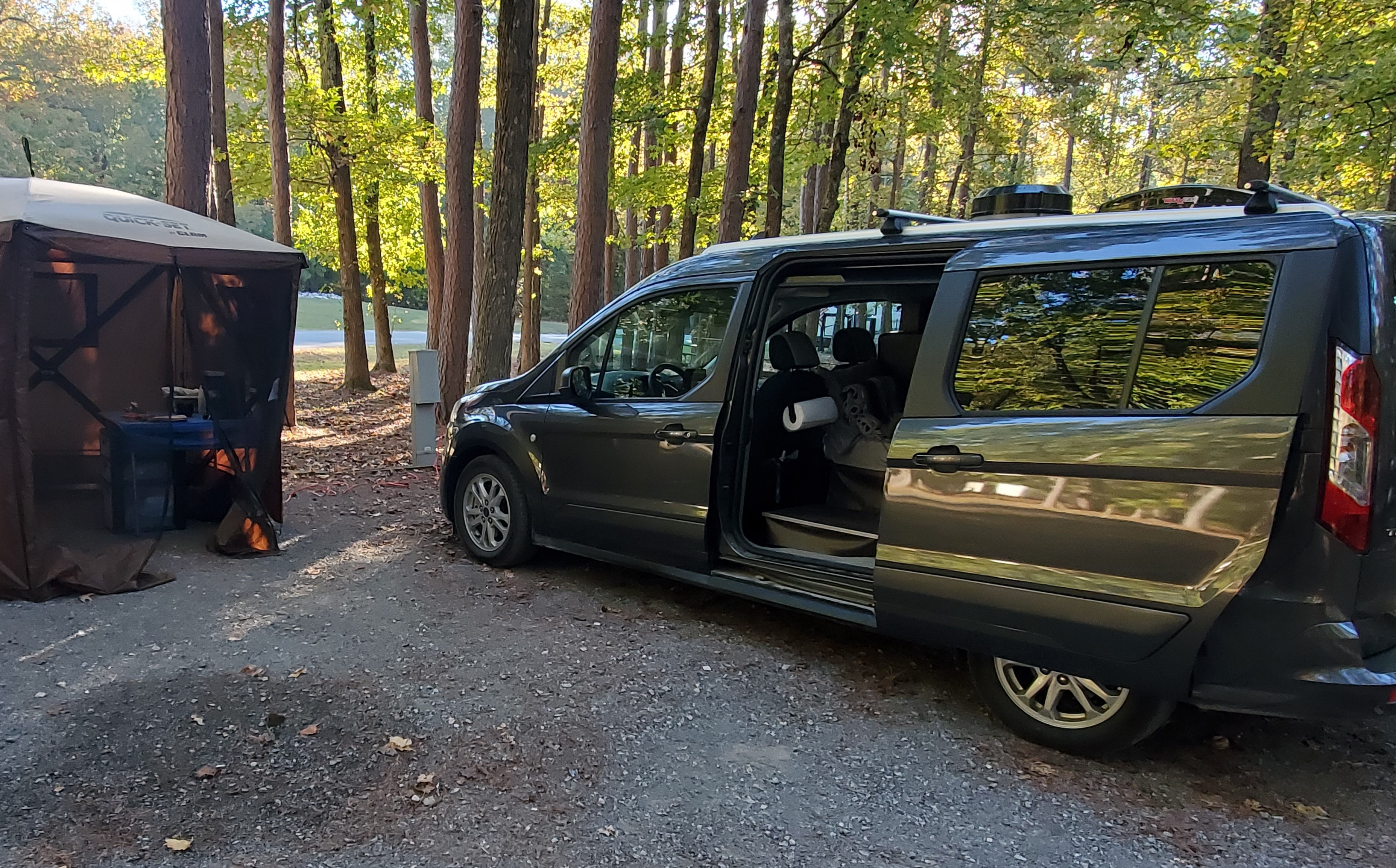
That freedom becomes especially useful on the North Shore because so much of the experience happens between destinations. An overlook may deserve an unplanned stop. A trail may look more interesting than expected. Lunch may turn into an hour beside Lake Superior. The region rewards travelers who leave some room in the schedule.
Gooseberry as Part of the North Shore Journey
One of the best reasons to visit Gooseberry Falls is everything surrounding it. Two Harbors is just down Highway 61, while continuing north leads toward Split Rock Lighthouse, Palisade Head, Tettegouche State Park and eventually the communities and landscapes farther up the North Shore.
There is no need to treat those places as a checklist. In fact, the North Shore is often better when you do the opposite. Choose a few destinations, leave time between them and allow the lake and Highway 61 to determine some of the day.
Split Rock Lighthouse might become a longer stop than expected because the lake is perfectly calm. A roadside overlook might be worth pulling into because waves are crashing against the rocks. A short hike could turn into an afternoon. On another day, fog may roll across Lake Superior and completely change a view you have seen many times before.
This unpredictability is part of the appeal. The North Shore is not merely a collection of attractions connected by a highway. The drive itself is part of the destination.
A Different Gooseberry in Every Season
There is no single best time to experience Gooseberry Falls because each season emphasizes something different. Spring is about water, with snowmelt feeding the river and bringing the falls to life. Summer invites longer hikes and evenings outdoors. Autumn surrounds the river valley with changing leaves and draws travelers from across Minnesota to Highway 61.
Winter may offer the greatest transformation. Ice forms around the falls, snow quiets the forest and the crowds of warmer months largely disappear. Familiar trails take on a different character, and Lake Superior can shift from calm to dramatic as winter weather moves across the region.
Those differences help explain why Gooseberry Falls remains meaningful even to people who have visited many times. You can know where the trail goes and what is around the next bend, yet weather, water and season ensure that the scene is never exactly the same.
A Place That Becomes Part of the North Shore
Gooseberry Falls does not need to be the only destination of a North Shore trip, nor does it need to be hurried through on the way to somewhere farther north. Its location makes it particularly good at being something in between—a place to begin exploring, spend a night, stretch a road trip into another day, or return to years after a first visit.
For travelers collecting stamps in a Minnesota State Park Passport, it may begin as another park to add to the book. For families, it may become the place children remember climbing around the river with their parents. For hikers, photographers, campers and road trippers, it can simply be one of those destinations that always seems worth another stop.
And perhaps that is why Gooseberry Falls has become such an enduring part of Minnesota travel. The waterfalls may bring people through the entrance the first time, but the larger North Shore experience is what keeps bringing them back.
Happy Camping!

DLM-Distribution / Campervans is a licensed manufacturer and dealer located in Lake Crystal, Minnesota, serving clients around the country.
Contact Dave: 651-285-7089 or Candy: 507-382-9446 today!