
What First-Time Class B RV Owners Should Know
Buying your first Class B RV opens the door to a different kind of travel. Instead of planning every trip around hotel reservations, restaurant schedules, and the need to return home at a particular time, you have the opportunity to bring your own sleeping accommodations and many of your everyday conveniences along for the journey.
But owning a campervan is also different from owning a conventional passenger vehicle. Even the smallest Class B motorhome introduces new considerations involving electrical systems, water, camping arrangements, maintenance, and how you plan to use the vehicle between trips.
Fortunately, campervan ownership does not have to be complicated. Understanding a few practical details before your first trip can make the entire experience more enjoyable and help you choose a vehicle that fits the way you actually want to travel.
Start with How You Actually Want to Travel
Before choosing a Class B RV, consider what your trips will really look like. Some travelers imagine spending weeks at a time in one campground, while others prefer covering long distances, visiting national parks, exploring small towns, or spending a night or two somewhere interesting before moving on.
These different travel styles can call for very different vehicles. A large high-roof campervan may appeal to someone who wants to spend considerable time inside, while a smaller campervan may be a better choice for travelers who expect to spend most of their days exploring and primarily use the vehicle for sleeping, meals, and relaxing between activities.
It is also worth thinking about how often you will use the RV. A campervan that is comfortable to drive, easy to park, and practical for ordinary transportation may get considerably more use than a larger motorhome that requires special planning every time it leaves home.
There is no universal answer. The right campervan depends on what you enjoy doing, where you want to go, and how much vehicle you want to manage along the way.

Driving a Class B RV Is Familiar, but Size Still Matters
One of the reasons Class B motorhomes appeal to first-time RV buyers is that they are built on automotive van platforms. Steering, braking, and everyday operation are generally familiar to anyone accustomed to driving a passenger vehicle, truck, or SUV.
However, not all Class B RVs are the same size. A full-size high-roof campervan may require additional attention when entering parking areas, navigating narrow streets, or approaching overhead obstructions. A smaller campervan can feel much closer to driving an ordinary family vehicle.
Before your first trip, learn the vehicle's actual height, length, width, and loaded weight. These measurements matter at parking garages, low-clearance structures, campground entrances, and locations where vehicle size is restricted. Remember that roof-mounted equipment can affect overall height.
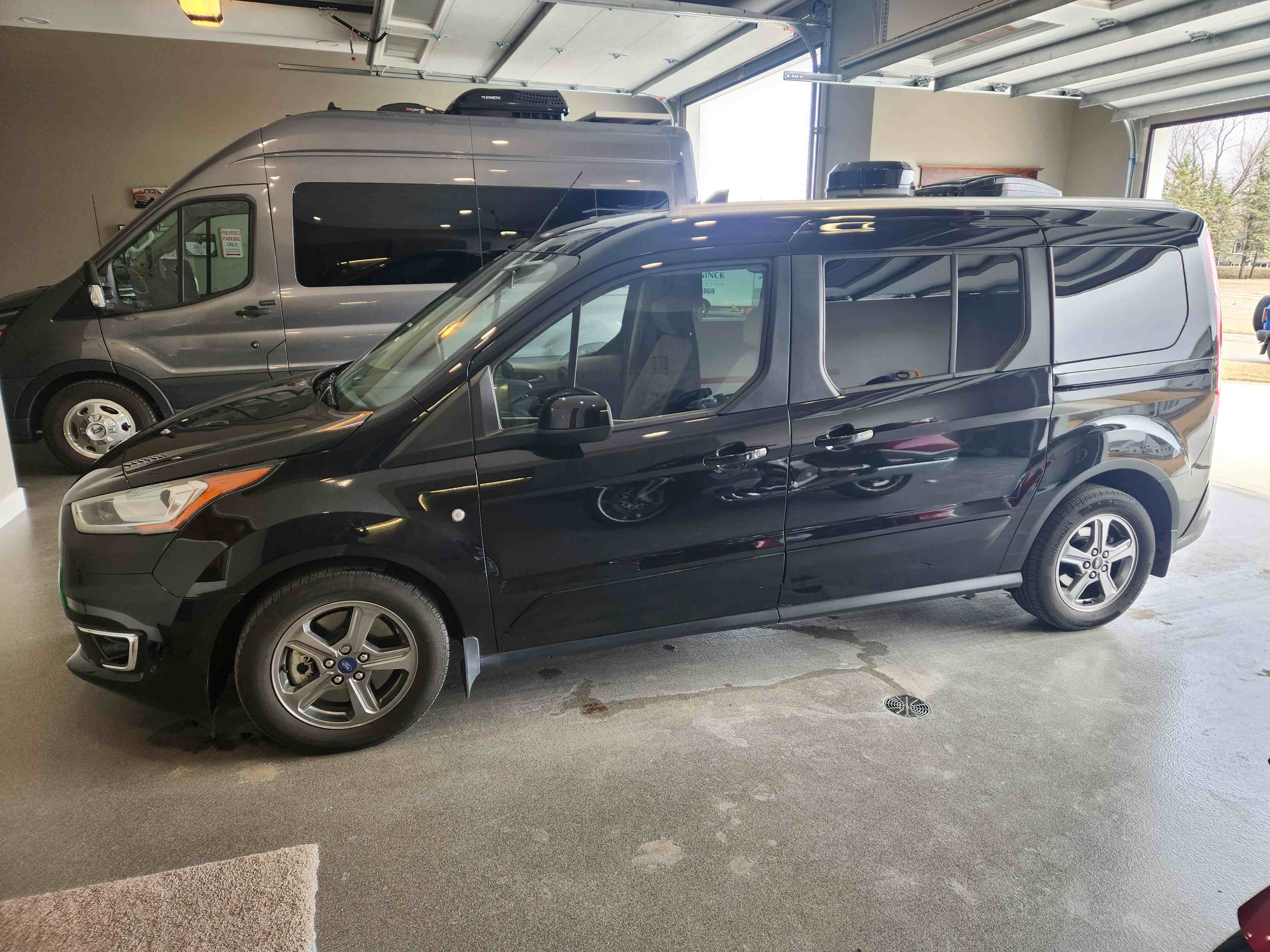
Some smaller Class B campervans, including garageable Mini-T Campervan models, are designed to fit in standard residential garages. Others, including high-roof campervans, require taller storage accommodations. These differences are worth considering long before the first trip.
Where You Store Your Campervan Is Part of the Ownership Decision
New RV buyers often concentrate on what happens during a vacation and give less thought to where the vehicle will spend the rest of the year. Yet storage can become one of the most significant practical considerations of ownership.
Many traditional RVs require outdoor parking or rented storage space. This can mean additional expense, greater exposure to weather, and the inconvenience of retrieving the vehicle before each trip.
For a campervan that fits in a residential garage, the experience can be quite different. The vehicle is protected from the elements, available whenever needed, and easier to keep ready for an unexpected weekend away. Garage storage is also an important advantage for homeowners in HOA-regulated communities where outdoor RV parking may be restricted.
For those who want one vehicle that can serve both travel and everyday transportation, garageability can make ownership considerably more practical. A campervan does not have to sit unused between vacations when it can also be part of your regular routine.
This is one reason some travelers place considerable value on using a campervan for everyday driving, rather than reserving it exclusively for vacations.
Understand Your Campervan's Electrical System Before the First Trip
One of the biggest adjustments for first-time RV owners is learning how electrical power works when the vehicle is parked.
At home, we rarely think about where electricity comes from. In a campervan, available power depends on battery capacity, the electrical system's design, charging methods, and whether the vehicle is connected to an external power source.
Some campervans rely heavily on campground electrical hookups or generators. Others use house batteries, inverters, solar charging, and charging while driving to provide electricity without requiring a generator.
For example, the Mini-T Campervan uses an integrated electrical system that provides 120V power off-grid, including operation of its microwave within the system's available capacity. Solar charging, charging while driving, and shore power provide different ways to replenish the house batteries.
Regardless of the campervan, the important lesson is understanding what equipment can operate, how much energy different appliances consume, and how the batteries are recharged. Even a well-equipped off-grid system has limits, and solar production varies with weather, season, and parking conditions.
Before leaving on your first trip, practice using the electrical controls, check how the system displays battery information, and understand when shore power may be useful. A little familiarity makes overnight stays considerably more relaxing.
Water, Food Preparation, and Everyday Camping Routines
Another part of campervan ownership is learning how the vehicle supports ordinary daily activities.
Depending on the model, a Class B RV may have a built-in water system, sink, refrigerator, microwave, portable cooking equipment, or a more elaborate kitchen arrangement. Larger motorhomes sometimes include full bathrooms and extensive plumbing systems, while smaller campervans often use simpler equipment that requires less space and maintenance.
Before your first camping trip, learn how to fill the fresh-water supply, use the sink, and empty or maintain any wastewater containers. Understand which equipment must be winterized when temperatures fall below freezing.
Food preparation is another area where simple arrangements can work surprisingly well. A refrigerator, microwave, sink, and a few practical cooking supplies can support enjoyable meals without requiring a large kitchen. Many travelers find that preparing breakfast in the campervan, packing a picnic lunch, and enjoying an occasional restaurant dinner provides a comfortable balance.
It is also helpful to become familiar with campground facilities. Even when your campervan provides many of the essentials, established campgrounds can offer showers, restrooms, potable water, and other services that make longer trips more comfortable.

Learn the Difference Between Campgrounds and Off-Grid Camping
First-time campervan owners sometimes assume that every overnight stop requires a full-service RV campground. Others imagine that owning a campervan means they can park and sleep almost anywhere.
The reality lies somewhere between those two ideas.
Established campgrounds provide designated campsites and may offer electrical hookups, water, restrooms, showers, and other amenities. State parks, national parks, national forests, and private campgrounds all offer different experiences, with varying reservation requirements and vehicle restrictions.
Off-grid camping, sometimes called boondocking, generally means camping without external electrical or water hookups. Where permitted, this can provide greater flexibility and access to quieter settings. However, overnight parking and camping rules vary considerably by location, and a place where daytime parking is allowed is not necessarily a legal overnight campsite.
For your first few trips, consider staying at established campgrounds while learning your campervan's systems. Once you are comfortable managing power, water, supplies, and overnight routines, exploring additional camping options becomes much easier.

Pack for the Trip, Not for Every Possible Situation
One lesson experienced campervan travelers often learn is that bringing more equipment does not necessarily make a trip more enjoyable.
Because storage is limited, every item should have a useful purpose and a practical place to go. Too much equipment can make the interior feel cluttered, complicate everyday routines, and add unnecessary weight.
Start with comfortable bedding, appropriate clothing, basic toiletries, food, drinking water, charging cables, and the supplies needed for your planned activities. Add equipment as you discover what you genuinely use rather than filling every storage compartment before the first trip.
Think about the activities you enjoy most. Someone traveling to hiking destinations may want to prioritize outdoor footwear and daypacks, while another traveler might prefer bicycles, photography equipment, or fishing gear.
Weight matters as well. Every RV has limits for passengers, cargo, and equipment. Knowing the vehicle's carrying capacity and loading it appropriately is an important part of safe ownership.
A thoughtfully packed campervan is often easier to live with than one carrying equipment for every imaginable occasion.
Fuel Economy and Travel Costs Deserve Attention
Class B RVs vary considerably in purchase price, fuel consumption, insurance costs, maintenance requirements, and storage expenses. A large high-roof campervan and a smaller minivan-based campervan may both be classified as Class B motorhomes, but their ownership costs can be quite different.
Fuel economy becomes especially important when traveling long distances. A few miles per gallon may not seem significant during a short weekend trip, but the difference adds up when covering several thousand miles across the country.
New buyers should consider more than the initial purchase price. Think about fuel, insurance, tires, routine servicing, campground expenses, storage, and whether you plan to maintain a separate everyday vehicle.
These expenses will vary from one owner to another. Someone traveling several months each year may have different priorities from someone taking frequent weekend trips. Understanding your expected use makes it easier to establish a realistic ownership budget.
Maintenance Includes Both the Vehicle and the Camping Equipment
A Class B RV combines an automotive vehicle with equipment designed for camping. Both require attention, although the amount of maintenance depends on the complexity of the conversion.
The vehicle itself needs ordinary automotive care, including oil changes, tire inspections, fluid checks, brake maintenance, and service according to the chassis manufacturer's recommendations.
The camping conversion introduces additional responsibilities. House batteries, charging equipment, plumbing components, ventilation systems, and other installed features should be maintained according to the manufacturer's instructions.
Owners in northern climates also need to consider freezing temperatures. Water systems and related components may require winterization even when the vehicle itself remains suitable for ordinary winter driving.
It is wise to learn these procedures before the season changes rather than discovering them during the first freezing night.
Understand Warranty Coverage and Available Support
One area worth investigating before purchasing any campervan is the support available after delivery.
A Class B RV involves two related but different areas of service: the underlying vehicle and the camping conversion. Understanding which manufacturer is responsible for each system can prevent considerable confusion later.
Vehicle warranties generally apply to the automotive chassis and its covered components, while conversion warranties address the equipment and workmanship covered by the campervan manufacturer. Coverage terms, service arrangements, and responsibilities vary, so buyers should review the documentation before purchasing.
It is also worth asking how conversion-related service is handled when traveling far from the manufacturer. Some companies coordinate service through outside repair facilities, while others have different arrangements.
DLM-Distribution, for example, provides nationwide conversion warranty assistance for Mini-T Campervan owners and continues to answer ownership and troubleshooting questions after the warranty period. That ongoing assistance does not extend the warranty itself, but it gives owners a familiar point of contact when questions arise.
Whatever campervan you choose, knowing whom to contact and understanding how service is arranged can make ownership easier.
Take Time to Learn Your Campervan Before Leaving on a Long Trip
There is a natural temptation to purchase a campervan and immediately head out on a major cross-country adventure. That can be exciting, but spending a little time getting familiar with the vehicle beforehand can make the trip much more enjoyable.
Practice converting the sleeping area, organizing your belongings, operating the refrigerator and microwave, connecting shore power, and checking battery status. Learn where essential controls and equipment are located.
A first overnight stay close to home or at a familiar campground is a useful way to discover small things you may have overlooked. You might realize you prefer a different pillow, need an additional charging cable, or want to reorganize the storage area.
These are easy adjustments when you have time to make them. Once your routine becomes familiar, the campervan begins to feel less like a collection of equipment and more like a comfortable place of your own.
Remember That You Don't Need to Plan Every Mile
Perhaps the greatest adjustment for new campervan owners is discovering that travel can become less rigid.
When your sleeping accommodations, food, and everyday essentials are traveling with you, there is less pressure to reach a particular hotel at a particular hour. You can spend additional time at a scenic overlook, explore an interesting town, or adjust your plans when the weather changes.
That freedom doesn't eliminate the need for planning. Popular campgrounds may require advance reservations, and remote destinations deserve careful preparation. But it does allow travelers to build flexibility into their journeys rather than treating every day as a fixed schedule.
For many owners, this becomes one of the most enjoyable aspects of Class B travel. The road between destinations becomes part of the experience rather than simply a way to get somewhere else.
Choosing a Class B RV That Fits Your Life
There is no single Class B RV that is right for everyone. Some travelers want maximum interior standing room, large bathrooms, and extensive onboard equipment. Others prefer a smaller vehicle that is easier to drive, economical to operate, and practical to keep at home.
The Mini-T Campervan lineup illustrates these different priorities. Its garageable models emphasize everyday usability and easy storage, while the larger Mini-T HR offers an alternative for travelers who value interior standing room and a high-roof layout.
The important decision is not simply how much equipment a campervan contains, but whether its design supports the way you intend to use it.
Before buying, imagine an ordinary travel day. Where will you park? How will you prepare meals? What will you do when it rains? Where will the vehicle stay between trips? How much maintenance and expense are you comfortable managing?
The answers to those questions often reveal far more about the right campervan than a long list of optional equipment.

The Best Part of Class B Ownership Is Using It
For first-time owners, the most rewarding part of campervan travel often comes after the initial learning period. Once driving, parking, sleeping arrangements, and everyday systems become familiar, taking a trip can be surprisingly simple.
A weekend away no longer needs to involve extensive packing or complicated arrangements. A visit to family can become a road trip. A scenic highway can lead to an unplanned overnight stay. A favorite state park can become somewhere you return to throughout the year.
And sometimes the most enjoyable trips are the ones that were never part of the original plan. A few extra days, a different route home, or a stop in a town you have never visited can become a memorable part of the journey.
That is one of the pleasures of traveling with your own accommodations. You have the freedom to make the trip your own, with the familiar comforts of your campervan along the way.
For a first-time Class B owner, learning how everything works is simply the beginning. The real enjoyment comes from the places you visit, the people you meet, and the experiences you collect along the road.
Happy Travels & Happy Camping!
DLM-Distribution / Campervans is a licensed manufacturer and dealer located in Lake Crystal, Minnesota, serving clients around the country.
Contact Dave: 651-285-7089 or Candy: 507-382-9446 today!