
NEWS
Fuel Economy in Class B Campervans: What Matters and How Mini-T Compares
Fuel efficiency is one of the most important—yet often overlooked—factors when choosing a Class B campervan. While floorplans and interior features typically receive the most attention, fuel economy plays a major role in how often a campervan is used, how affordable ownership becomes over time, and how practical long-distance travel feels in real-world conditions.
Across the Mini-T Campervan lineup, fuel efficiency is not treated as an afterthought. Instead, it is integrated into the overall design philosophy behind each platform, supporting a style of travel that is practical, flexible, and realistic for frequent use.

Real-World Factors That Influence Fuel Economy
Fuel mileage is affected by more than manufacturer specifications alone. Driving speed, terrain, elevation, cargo weight, wind conditions, tire pressure, and driving habits all influence real-world fuel economy. Highway travel with steady speeds generally improves efficiency, while stop-and-go traffic, mountain driving, aggressive acceleration, and heavier loads reduce it.
Even with these variables, the underlying vehicle platform remains one of the most important factors—and this is where compact campervan design creates a measurable advantage.
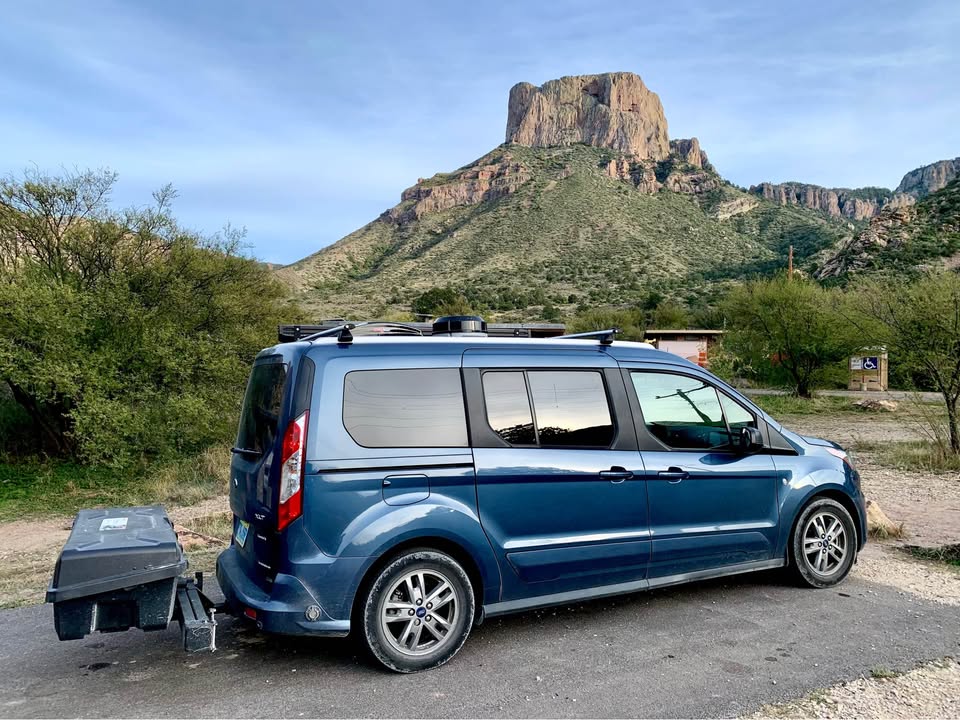
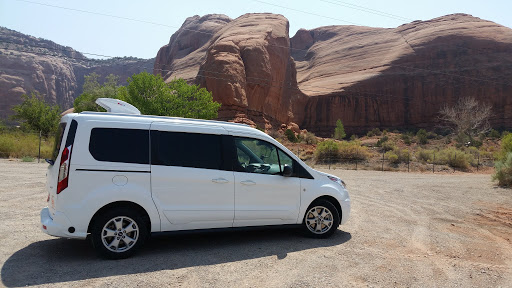
Ford Transit Connect Mini-T Campervan
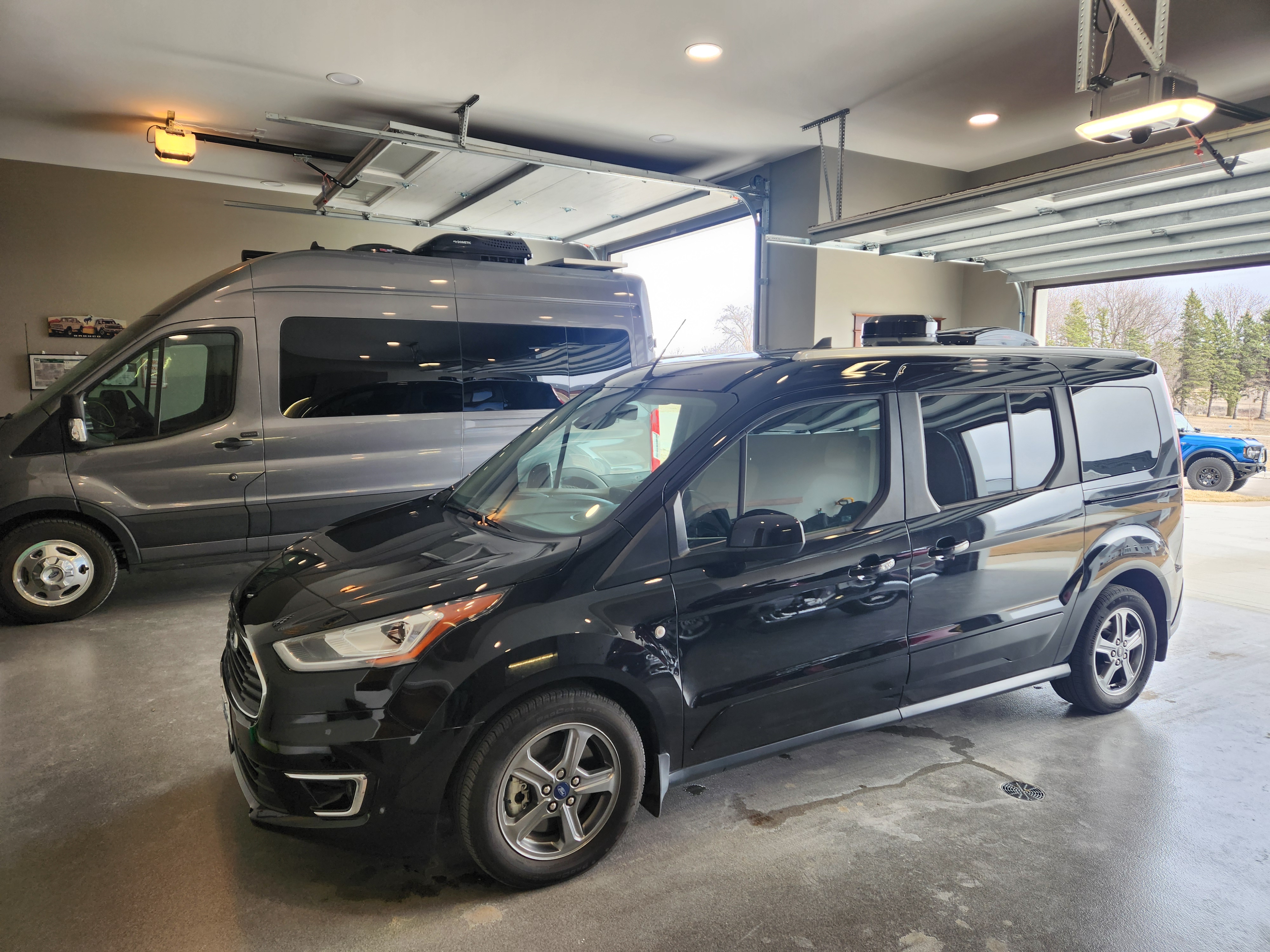
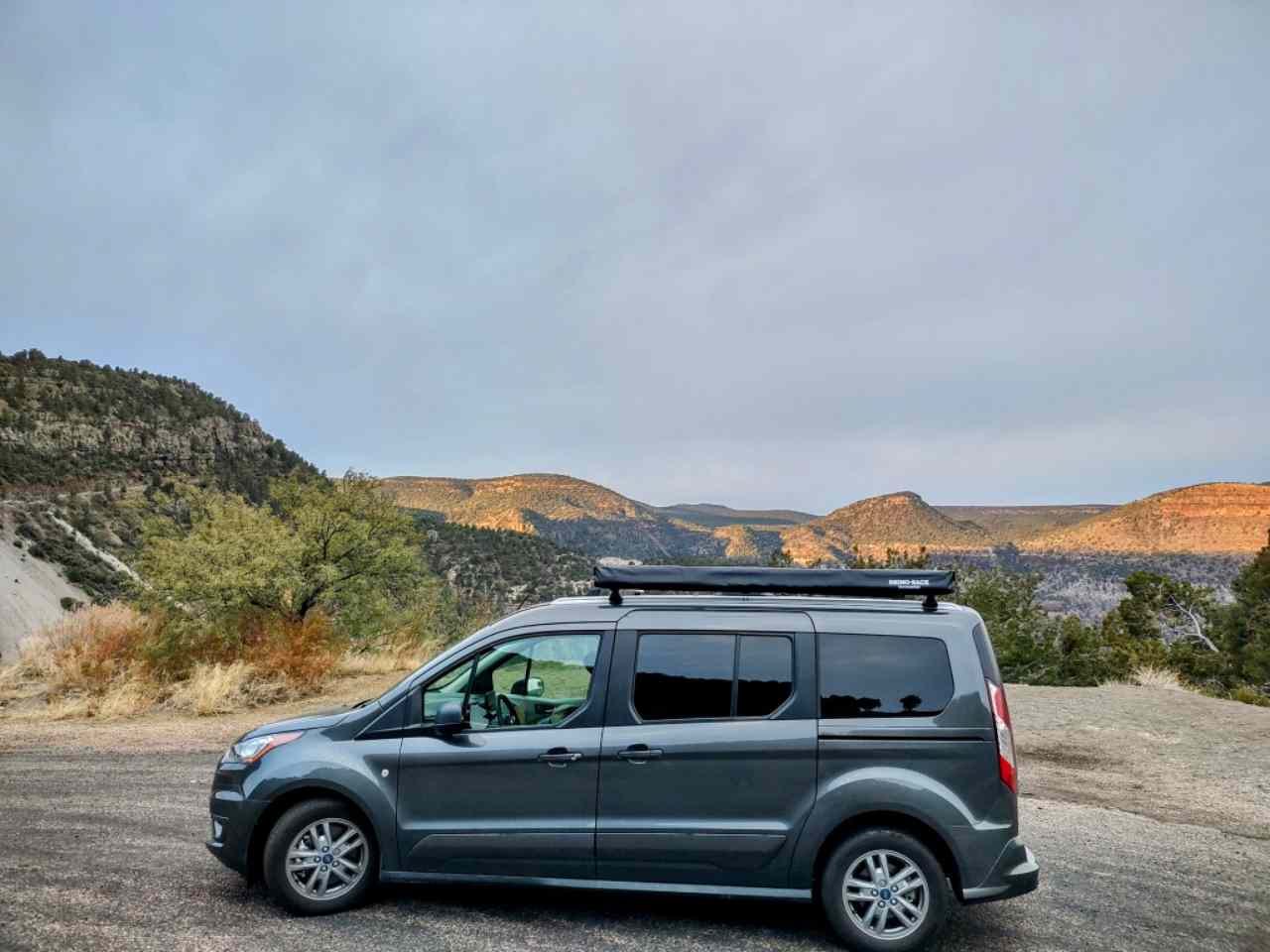
The Ford Transit Connect Mini-T Campervan represents the most fuel-efficient option within the Mini-T lineup. Typical real-world performance averages approximately 24 MPG in city driving and up to 28 MPG on the highway.
These figures are notable within the Class B category, where many larger campervans often operate in the mid-teens once fully equipped for travel. The Transit Connect platform maintains a lighter overall weight and car-like driving profile, helping it achieve fuel economy levels much closer to standard passenger vehicles than traditional RVs.
This level of efficiency encourages more frequent travel while helping reduce overall operating costs during longer trips.
Chrysler Voyager Mini-T Campervan
The Chrysler Voyager Mini-T Campervan offers a balance between fuel efficiency, interior room, and V6 performance. Built on a front-wheel-drive platform, fuel economy typically ranges from approximately 19 to 28 MPG depending on driving conditions and travel load.
While slightly lower than the Transit Connect in some situations, the Voyager still remains significantly more efficient than many traditional Class B campervans. It provides increased interior space and additional power while maintaining fuel use levels that still support regular travel and everyday practicality.
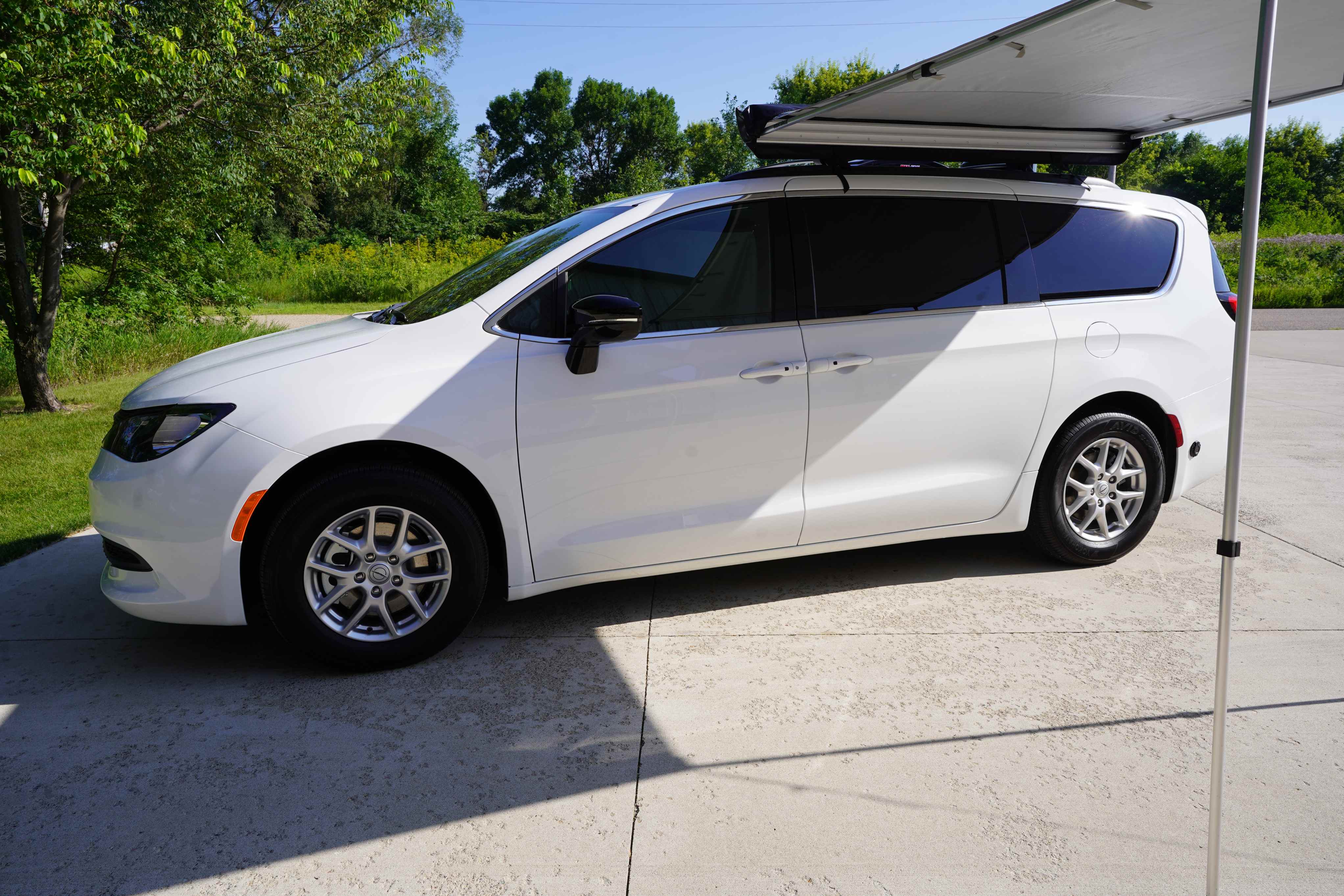
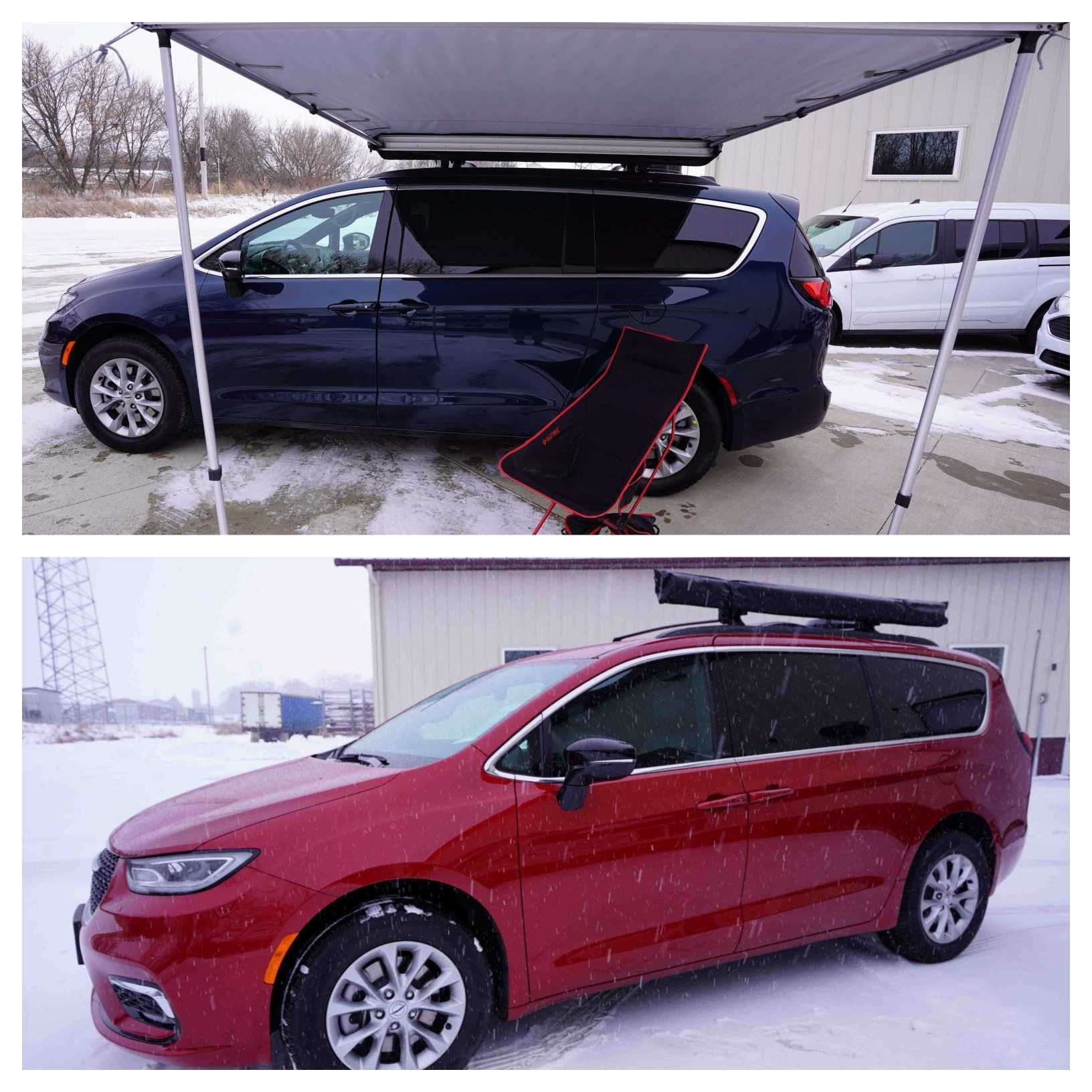
Chrysler Pacifica AWD Mini-T Campervan
The Chrysler Pacifica AWD Mini-T Campervan is designed for travelers prioritizing all-weather capability, towing strength, and confident road handling. Equipped with all-wheel drive and a V6 engine, fuel economy generally ranges from approximately 17 to 25 MPG.
Although AWD systems naturally reduce fuel efficiency compared to front-wheel-drive platforms, the Pacifica Mini-T remains efficient relative to most AWD-capable campervans. The result is a practical balance between traction, capability, comfort, and overall travel range.
Mini-T HR (High Roof) Considerations
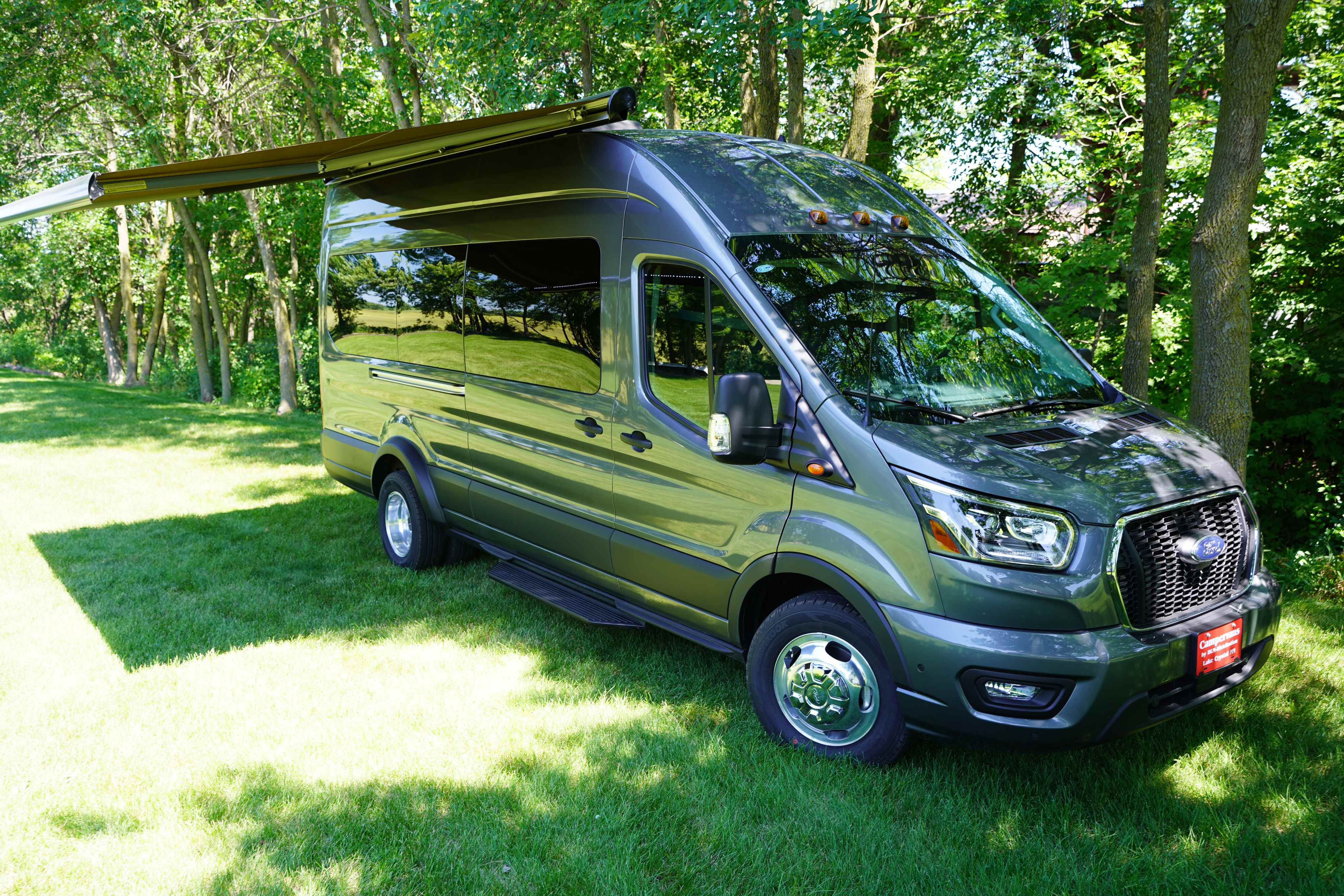
The Mini-T HR Campervan expands the lineup with increased interior standing room and a more spacious high-roof layout. Built on the AWD Ford Transit platform, the Mini-T HR is designed for travelers wanting additional open living space and greater comfort during extended touring.
As expected, the larger chassis, taller roofline, and increased overall weight result in lower fuel economy compared to smaller Mini-T models. However, within the high-roof Class B category, the Mini-T HR remains efficient relative to many similarly sized campervans while still delivering the usability and practical travel focus that defines the Mini-T lineup.
Why Fuel Efficiency Matters in Real Travel
Fuel economy influences far more than fuel cost alone. It directly affects how often a campervan is used, how far trips can extend, and whether ownership feels practical for regular travel throughout the year.
Many larger RVs provide additional interior space but come with fuel consumption levels that discourage frequent use. In contrast, efficient campervan platforms support a different style of ownership—one centered around spontaneous trips, scenic touring, weekend camping, and consistent travel rather than occasional vacations alone.
This shift toward practical efficiency closely connects with broader discussions surrounding practical RV ownership and travel habits, where usability and flexibility often become more important than sheer vehicle size.
Efficiency That Encourages More Travel
Across all platforms, the Mini-T Campervan lineup emphasizes fuel efficiency as part of a broader philosophy focused on practical travel and manageable ownership. By combining compact dimensions, balanced weight, and capable vehicle platforms, Mini-T Campervans support travel that feels realistic for frequent use rather than limited to occasional trips.
For travelers who value affordability, flexibility, comfort, and the ability to travel more often, fuel efficiency becomes far more than a simple specification—it becomes one of the defining characteristics of the ownership experience itself.
Happy Camping!

DLM-Distribution / Campervans is a licensed manufacturer and dealer located in Lake Crystal, Minnesota, serving clients around the country.
Contact Dave: 651-285-7089 or Candy: 507-382-9446 today!