
NEWS
Is It Cheaper to Tow a Camper or Drive a Motorhome?
Cost is often one of the first considerations when choosing how to travel by RV. For many buyers, the question comes down to a simple comparison: is it more affordable to tow a camper or to drive a motorhome?
The answer is not always straightforward. While purchase price plays a role, the true cost of RV ownership extends well beyond the initial investment. Fuel, maintenance, storage, insurance, and how often the vehicle is used all contribute to the overall financial picture. For a broader overview of how these options compare beyond cost alone, see Motorhome vs Pull-Behind Camper: Which Is Better?.
Looking Beyond the Purchase Price
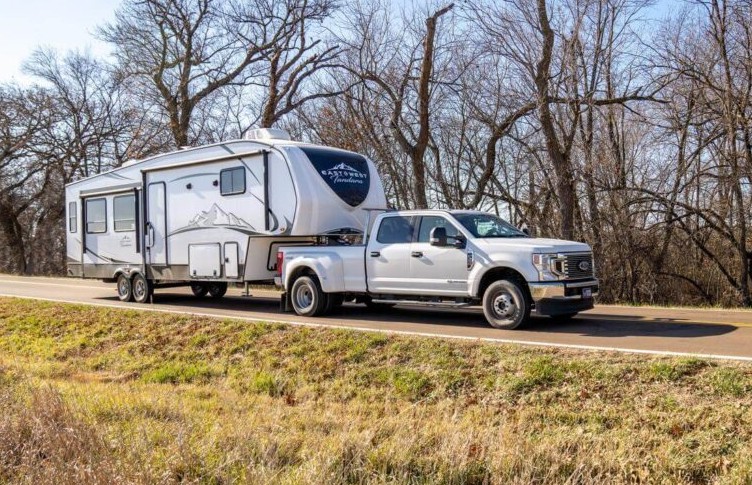
At first glance, towable campers often appear to be the more affordable option. Travel trailers and fifth wheels typically have a lower upfront cost compared to motorhomes. However, this comparison can be misleading without considering the full setup required.
Towing a camper usually requires a properly equipped truck or SUV. For some buyers, this means upgrading to a more capable vehicle, which can significantly increase total costs. Factoring in the combined price of both the camper and tow vehicle provides a more accurate comparison.
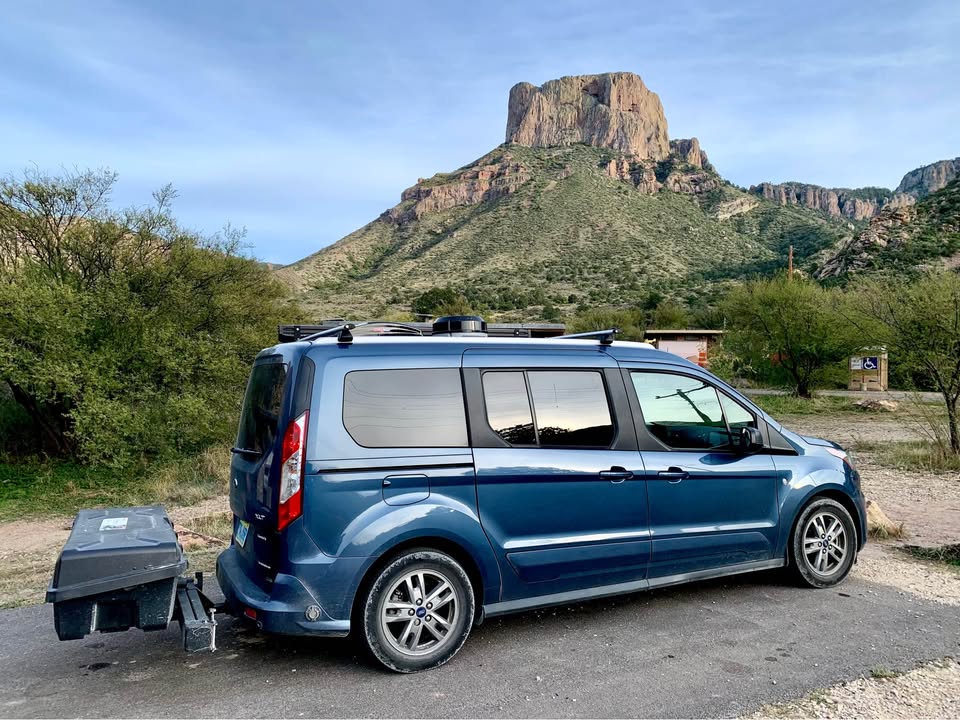
Motorhomes, on the other hand, combine transportation and living space into a single unit. Smaller options, such as a compact Class B campervan, are often considered by travelers looking for a simplified, all-in-one approach.
Fuel Costs and Efficiency
Fuel is one of the most consistent expenses in RV travel. Towing a camper adds weight and aerodynamic drag, which can reduce fuel efficiency—especially over long distances or in mountainous terrain.
Motorhomes vary widely in fuel consumption depending on size and design. Larger Class A and Class C models tend to use more fuel, while smaller Class B motorhomes are often more efficient and easier to drive in a variety of conditions.
For travelers focused on long-term affordability, fuel efficiency plays a key role in overall travel costs and should be evaluated alongside purchase price.
Maintenance and Wear
Maintenance costs differ depending on the type of RV and how it is used. With a towable camper, both the trailer and the tow vehicle require upkeep. This can include tires, brakes, suspension components, and drivetrain wear caused by towing.
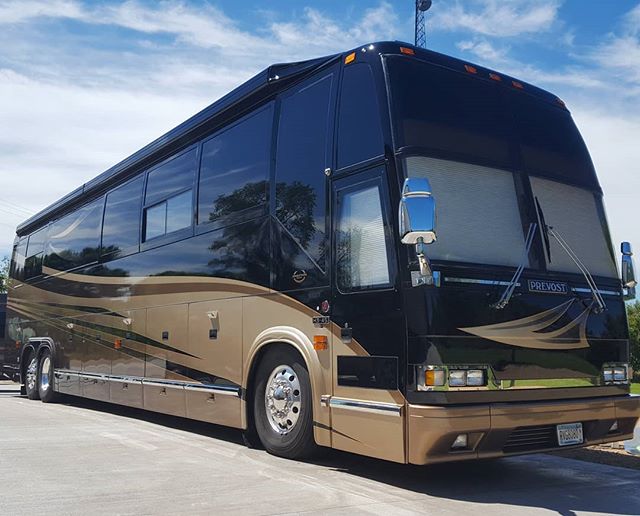
Motorhomes consolidate these systems into one vehicle, but maintenance may be more specialized depending on the model. Routine service, repairs, and long-term wear should all be considered when comparing options.
Over time, the cost of maintaining two separate units versus one combined vehicle can shift the financial balance in either direction.
Storage and Accessibility
Storage is an often-overlooked cost. Many larger RVs and trailers require off-site storage, which can add recurring monthly expenses and reduce convenience.
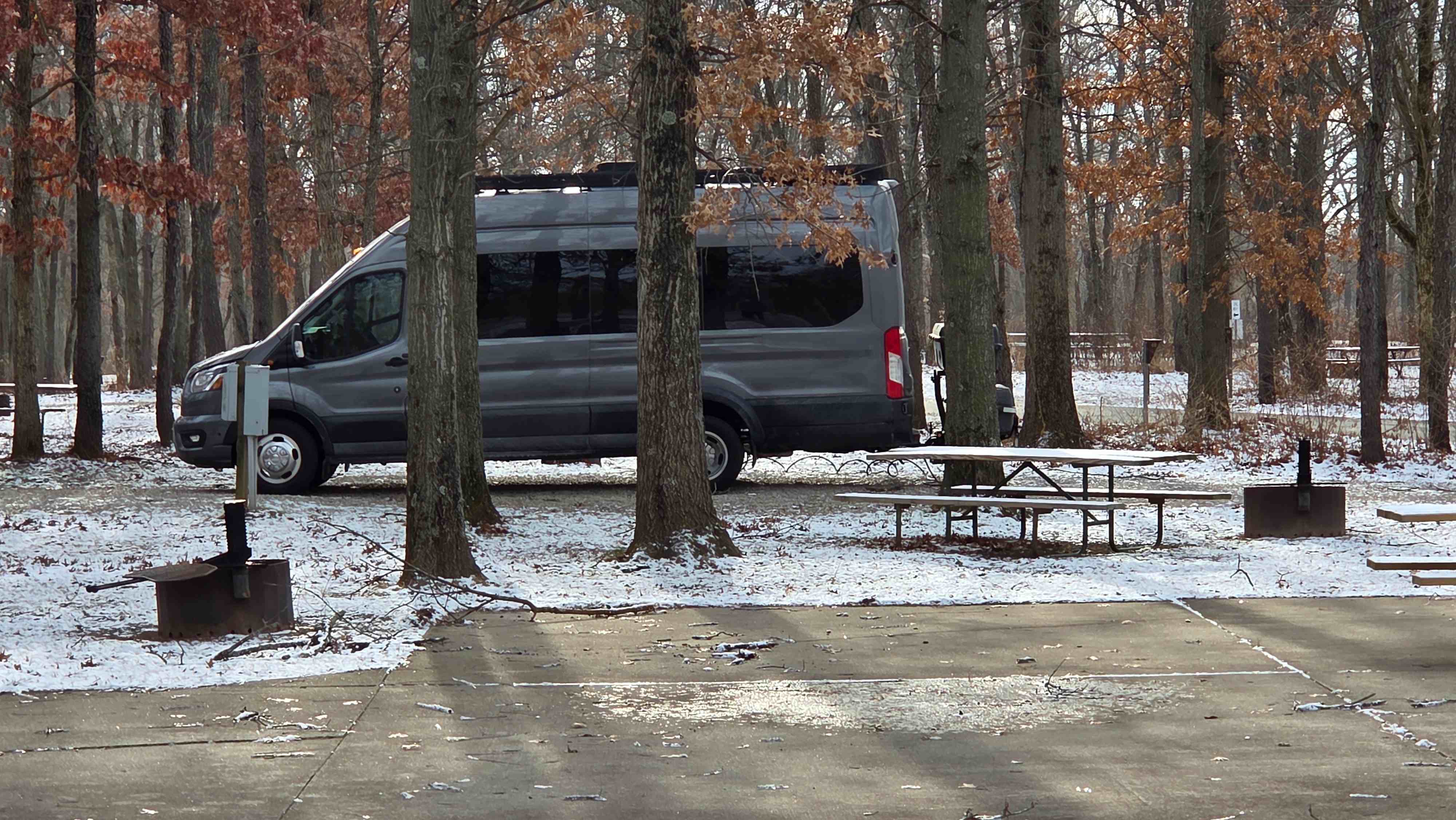
Some smaller motorhomes are designed with residential storage in mind. Options like a garageable RV allow owners to store their vehicle at home, potentially eliminating storage fees while making it easier to use more frequently.
Accessibility can influence not only cost, but how often the RV is actually used—an important factor when considering long-term value.
Frequency of Use and Cost Per Trip
One of the most important—and often overlooked—factors in cost is how frequently the RV is used. A lower-cost trailer that sits unused for long periods may end up being more expensive per trip than a motorhome used regularly.
Vehicles that are easier to drive, park, and store tend to be used more often. This can spread ownership costs across more trips, reducing the effective cost per mile or per night traveled.
For many travelers, the ability to take shorter, more frequent trips plays a significant role in determining overall value.
Insurance and Registration
Insurance costs vary depending on the type of RV, its value, and how it is used. Towable campers typically require a separate policy, while the tow vehicle carries its own insurance.
Motorhomes are insured as a single unit, though coverage levels can vary based on usage, storage, and travel patterns. Registration fees and taxes may also differ depending on state requirements.
Comparing these ongoing costs provides additional clarity when evaluating long-term affordability.
So, Which Is Cheaper?
There is no one-size-fits-all answer. Towable campers often have a lower entry cost, but may require a more expensive vehicle and additional setup. Motorhomes typically cost more upfront, but simplify the travel experience and may reduce certain ongoing expenses.
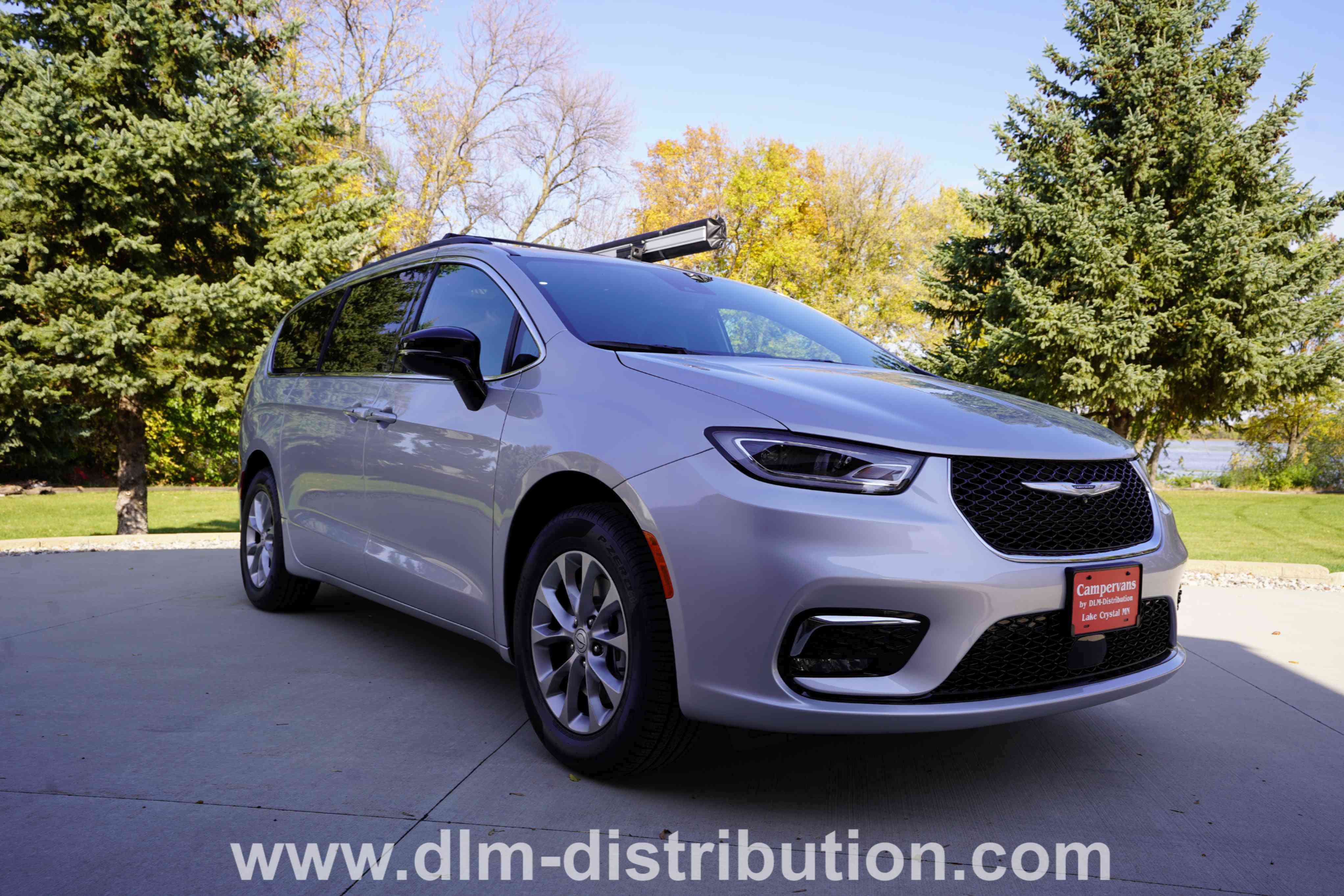
For some travelers, especially those seeking simplicity and frequent use, a smaller motorhome such as a Mini-T Campervan offers a balance between cost, efficiency, and usability.
Ultimately, the most affordable option is the one that aligns with how you actually travel—not just how it looks on paper.
A Practical Approach to RV Costs
Rather than focusing solely on initial price, evaluating total cost of ownership provides a clearer picture. Fuel, maintenance, storage, and frequency of use all influence whether towing or driving is the better financial choice.
Understanding these factors allows travelers to make informed decisions that support both their budget and their preferred style of travel.
Happy Camping!
DLM-Distribution / Campervans is a licensed manufacturer and dealer located in Lake Crystal, Minnesota, serving clients around the country.
Contact Dave: 651-285-7089 or Candy: 507-382-9446 today!