
NEWS
Why Practical Campervans Are Reshaping RV Travel
For decades, much of the RV industry moved steadily toward larger vehicles, increasingly elaborate interiors, and rising ownership costs. Bigger motorhomes, taller campervans, and luxury-focused designs often became the standard image associated with RV travel.
Yet a quieter shift has been taking place alongside that growth.
An increasing number of travelers are looking for something fundamentally different—not necessarily more luxury or more size, but more usability. They want travel that feels approachable, flexible, and realistic within everyday life rather than reserved for occasional vacations.
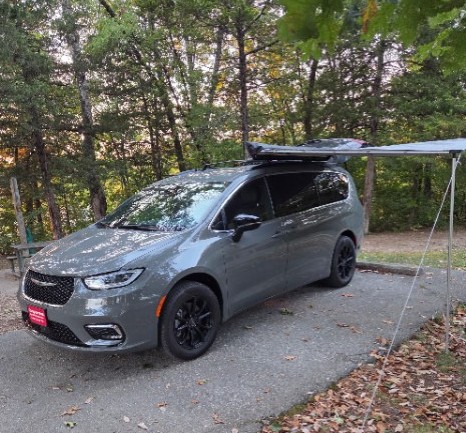
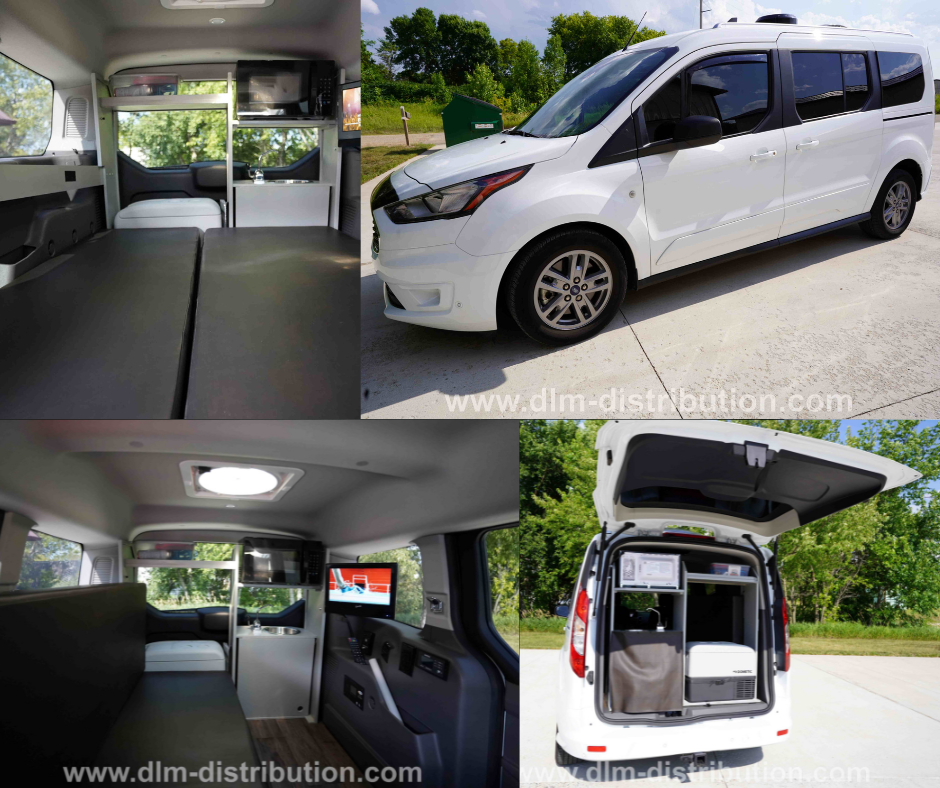
That shift is helping reshape interest around compact campervans, particularly practical models built on familiar passenger vehicle platforms like the AWD Chrysler Pacifica and the Ford Transit Connect Campervan.
A Different Type of Campervan Buyer Is Emerging
The growing interest in smaller campervans is not being driven solely by traditional RV owners downsizing. In many cases, it is attracting entirely different buyers—people who may never have considered RV ownership in the past.
Some are professionals seeking flexible travel options without the burden of oversized vehicles. Others are retirees who still enjoy road trips but no longer want the complexity associated with large motorhomes. Many live in suburban neighborhoods or communities with residential parking restrictions where storing a traditional RV becomes difficult or impractical.
Many homeowners discover these challenges only after purchasing a large RV and realizing it cannot legally remain parked in a driveway or on the street overnight.
What many of these travelers share is a preference for simplicity.
They want a vehicle that is easy to drive, comfortable in everyday traffic, manageable in parking lots, and realistic to own long term. They are often less interested in campground status or luxury branding and more focused on flexibility, mobility, and ease of use.
That changing mindset is creating a noticeable gap within the RV industry—one that many manufacturers still do not fully address.

Why the Pacifica Platform Resonates With Travelers
One reason the Chrysler Pacifica platform has gained attention within the campervan market is because it begins with familiarity.
Unlike commercial-style cargo vans or oversized RV platforms, the Pacifica drives much like a passenger vehicle. Visibility, ride quality, handling, and safety systems feel approachable to drivers already accustomed to everyday transportation.
That matters more than many people initially realize.
One of the greatest barriers to RV ownership is often not camping itself—it is the reality of living with the vehicle when not traveling. Larger RVs frequently require dedicated storage, careful route planning, specialized parking considerations, and higher operating costs.
A compact campervan changes that relationship. Travel becomes easier to integrate into ordinary life rather than something requiring a completely separate lifestyle.
This practical ownership approach aligns closely with broader shifts occurring across the travel industry, where flexibility and convenience increasingly outweigh excess size or complexity.
The Underserved Middle of the Campervan Market
The compact campervan segment remains surprisingly underserved despite growing interest.
At one end of the market are high-end luxury campervans with pricing that places them far outside the reach of many practical travelers. At the other end are DIY-style conversions that often prioritize appearance or internet trends over long-term functionality, integrated systems, or consistency in design.
Between those two extremes is a growing group of travelers simply looking for a well-designed, practical campervan that supports real-world use.
This is where companies like DLM-Distribution have gradually built a distinct identity.
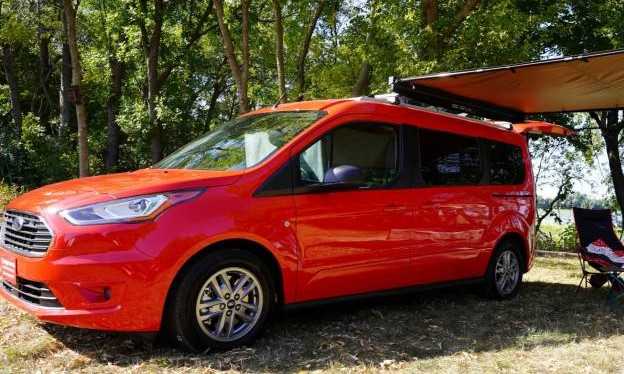
Rather than focusing primarily on excess luxury or oversized designs, the Mini-T Campervan lineup emphasizes practicality: fuel efficiency, manageable dimensions, integrated off-grid functionality, and everyday drivability.
The approach reflects a different philosophy from much of the traditional RV industry. Instead of treating the campervan as a separate recreational product used only occasionally, the focus shifts toward creating a vehicle that comfortably supports both travel and daily life.
That distinction has become increasingly important as more buyers prioritize flexibility over excess.
Travel Behavior Is Changing
The growing popularity of compact campervans also reflects broader changes in how people travel.
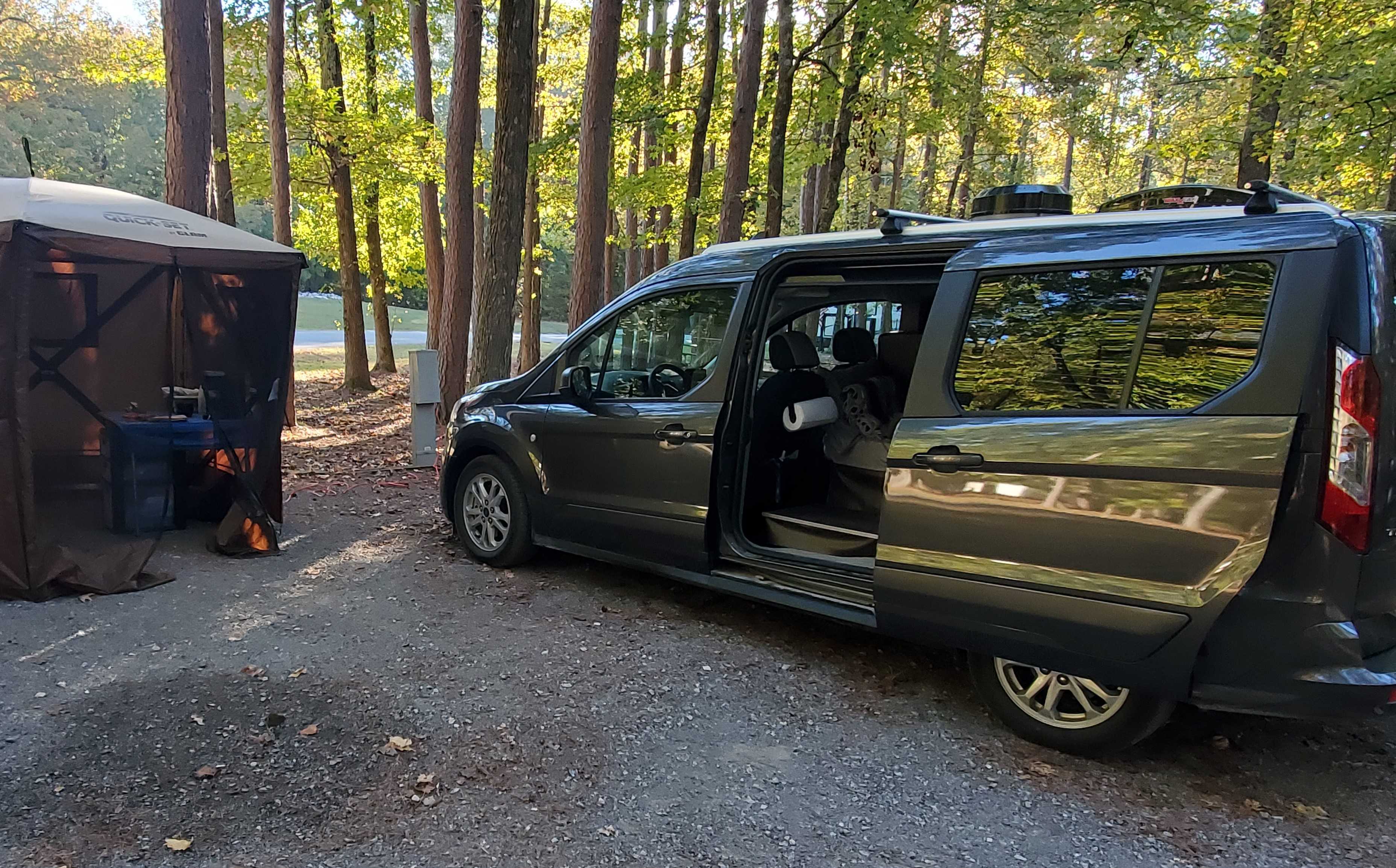
Rather than planning only large annual vacations, many travelers now favor shorter and more frequent trips. Weekend escapes, regional touring, state park travel, scenic drives, and flexible overnight stays often fit more naturally into modern schedules.
Compact campervans support that style of travel particularly well because they reduce friction. Travelers can leave on shorter notice, navigate urban and rural areas more comfortably, and avoid many of the logistical concerns associated with larger RVs.
In many ways, the appeal is less about traveling farther and more about making travel easier to enjoy consistently.
For many travelers, the appeal increasingly comes from flexible campervan travel and shorter road trips that feel easier to integrate into everyday life.
Garageability and Everyday Ownership Matter More Than Many Realize
Another factor quietly influencing the campervan market is storage and ownership practicality.
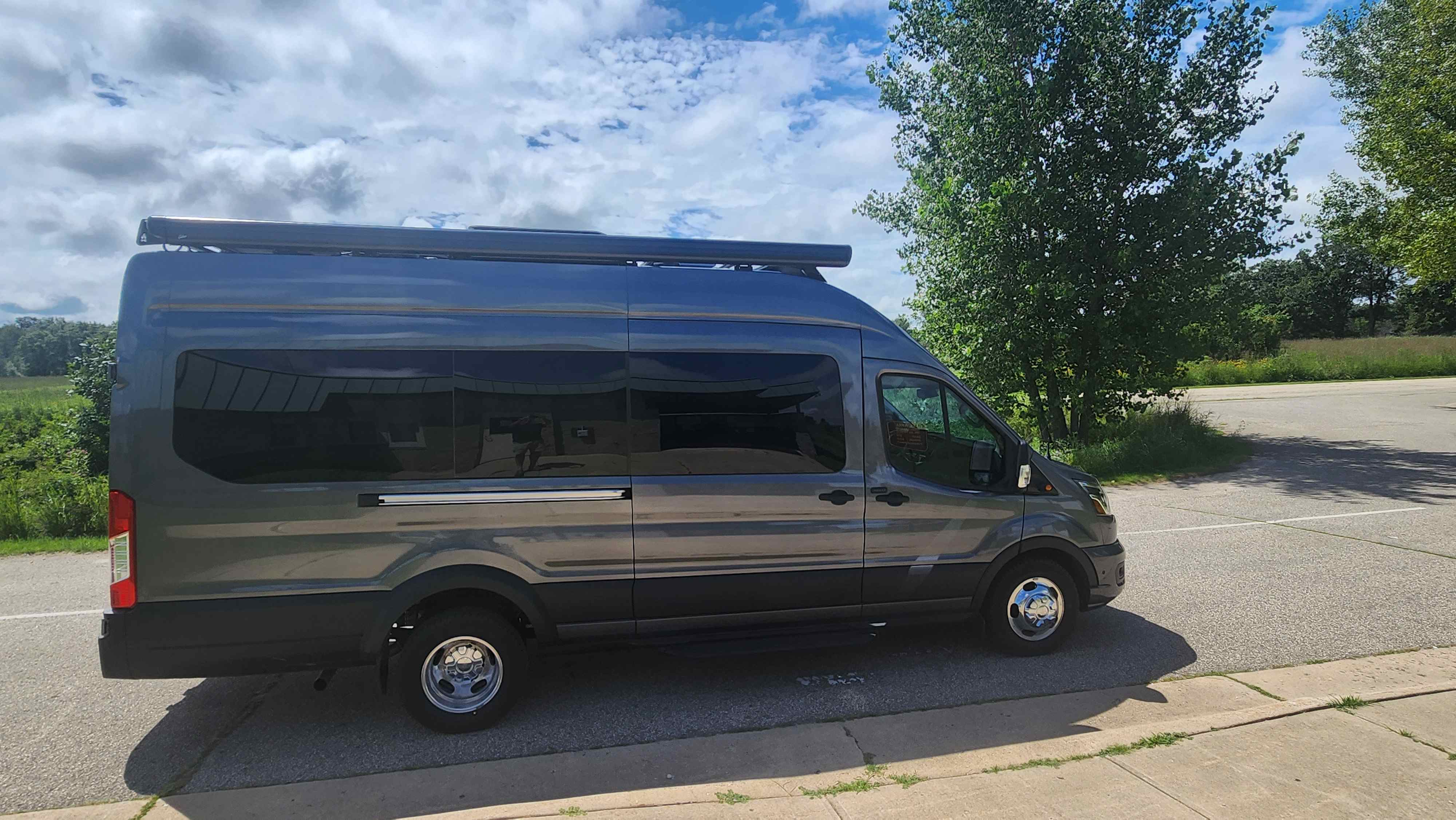
Many homeowners associations place restrictions on oversized RV parking, while off-site storage can add both inconvenience and long-term cost. Larger campervans may also become difficult to integrate into daily routines because of height, maneuverability, or neighborhood parking policies.
Compact campervans designed around residential practicality address those concerns directly.
For many buyers, the ability to comfortably store a campervan at home and use it naturally throughout the year changes the entire ownership experience. The vehicle becomes more likely to be used regularly rather than sitting unused between vacations.
The broader conversation around HOA-friendly and garageable campervans has grown steadily as more travelers seek RV options that fit realistically into suburban living environments.
For travelers comparing different RV ownership approaches, the growing interest in garageable Class B campervans reflects a broader move toward practicality, flexibility, and everyday usability.
The Future of Campervans May Be Simpler Than Expected
The future of campervan travel may not ultimately belong to the largest or most elaborate vehicles. Increasingly, it appears to favor designs that make travel easier to integrate into ordinary life.
For many travelers, freedom is no longer defined by size alone. It is defined by flexibility, simplicity, and the ability to leave without overcomplicating the experience.
As travel habits continue evolving, compact campervans centered around practicality rather than excess may become one of the most significant long-term shifts within the RV industry.
For homeowners balancing residential parking requirements with a desire to travel and camp, smaller garageable campervans continue gaining attention as a practical alternative to larger RVs.
DLM-Distribution / Campervans is a licensed manufacturer and dealer located in Lake Crystal, Minnesota, serving clients around the country.
Contact Dave: 651-285-7089 or Candy: 507-382-9446 today!