Published March 12, 2026  •  Updated July 29, 2026
Category: Camping & Outdoor Living

Traveling with Sleep Apnea: Can You Reliably Use a CPAP in a Mini-T Campervan?

Yes. Your household CPAP can be used in a Mini-T Campervan through its built-in 120-volt electrical system, allowing you to sleep comfortably even when you are camping away from campground electrical hookups.

For many people who rely on a CPAP machine every night, the real question is not about batteries, adapters, or electrical theory. It is much simpler:

If I buy a Mini-T Campervan, will my household CPAP work while I travel?

You plug your CPAP into the Mini-T Campervan’s built-in 120-volt outlet much as you would at home. The campervan supplies dependable overnight power while you sleep, allowing your normal bedtime routine to remain just that—normal.

There is no generator to start before bed, no separate portable power station to assemble, and no need to limit every trip to campsites with shore power simply because you use a CPAP.

That is the part that matters most. Your nightly routine can remain familiar, and the trip can remain about where you are going rather than how you will power the machine when you arrive.

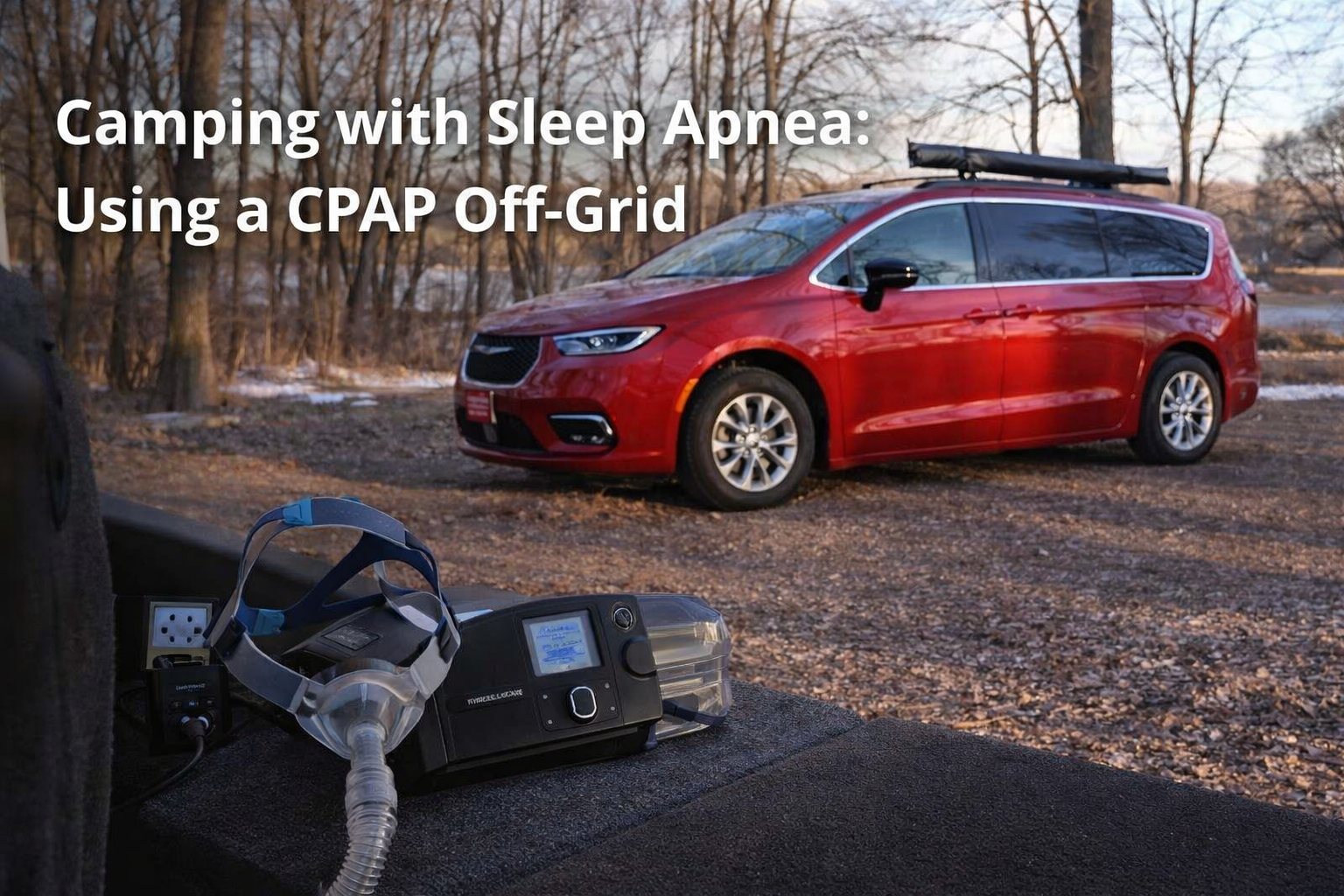
Household CPAP machine ready for overnight use inside a Mini-T Campervan


Sleep Apnea Does Not Have to Decide Where You Travel

A sleep apnea diagnosis changes part of the bedtime routine, but it does not have to change the life surrounding it. You can still spend the night beside a lake, camp near the beginning of tomorrow’s trail, follow a scenic road farther than expected, visit family several states away, or choose a quiet state park campsite without wondering whether an electrical pedestal will be waiting there.

Many CPAP camping articles begin by asking readers to compare batteries, calculate watt-hours, study power labels, and carry additional equipment. That information may be useful for someone tent camping or backpacking, but it can make ordinary campervan travel sound far more complicated than it needs to be.

In a Mini-T Campervan, the electrical system is already part of the vehicle. The household-style outlet is already there. The stored power is already there. The ways of replenishing that power are already integrated into the way the campervan travels.

The result is not merely that the CPAP can operate. It is that the question can be answered quickly and confidently so the traveler can move on to more interesting decisions.


Sleeping Much as You Do at Home

One of the advantages of traveling in a Mini-T Campervan is that your nightly routine does not need to change very much.

When it is time for bed, place the CPAP where it can sit securely, connect the machine to the built-in 120-volt outlet, and use it much as you normally would at home. The campervan quietly supplies the power while you sleep.

There is no generator to start, no portable battery pack to manage before bed, and no reason to replace your familiar household CPAP with a different machine simply because you are traveling.

At DLM-Distribution, we have experienced firsthand what it means to rely on dependable overnight power while traveling with a CPAP. That experience shaped the way we think about campervan travel. The goal is not simply to provide electricity. It is to remove one more thing travelers have to think about before they go to sleep.


How the Mini-T Supplies Off-Grid Power

The Mini-T Campervan by DLM-Distribution includes an integrated electrical system designed for everyday campervan use both with and without campground hookups.

Stored energy remains available after the vehicle is parked, and the built-in inverter supplies standard 120-volt power through familiar household-style outlets. While traveling, the system recharges as the vehicle is driven. Roof-mounted solar also contributes during daylight hours, and shore power can be used whenever it is available or convenient.

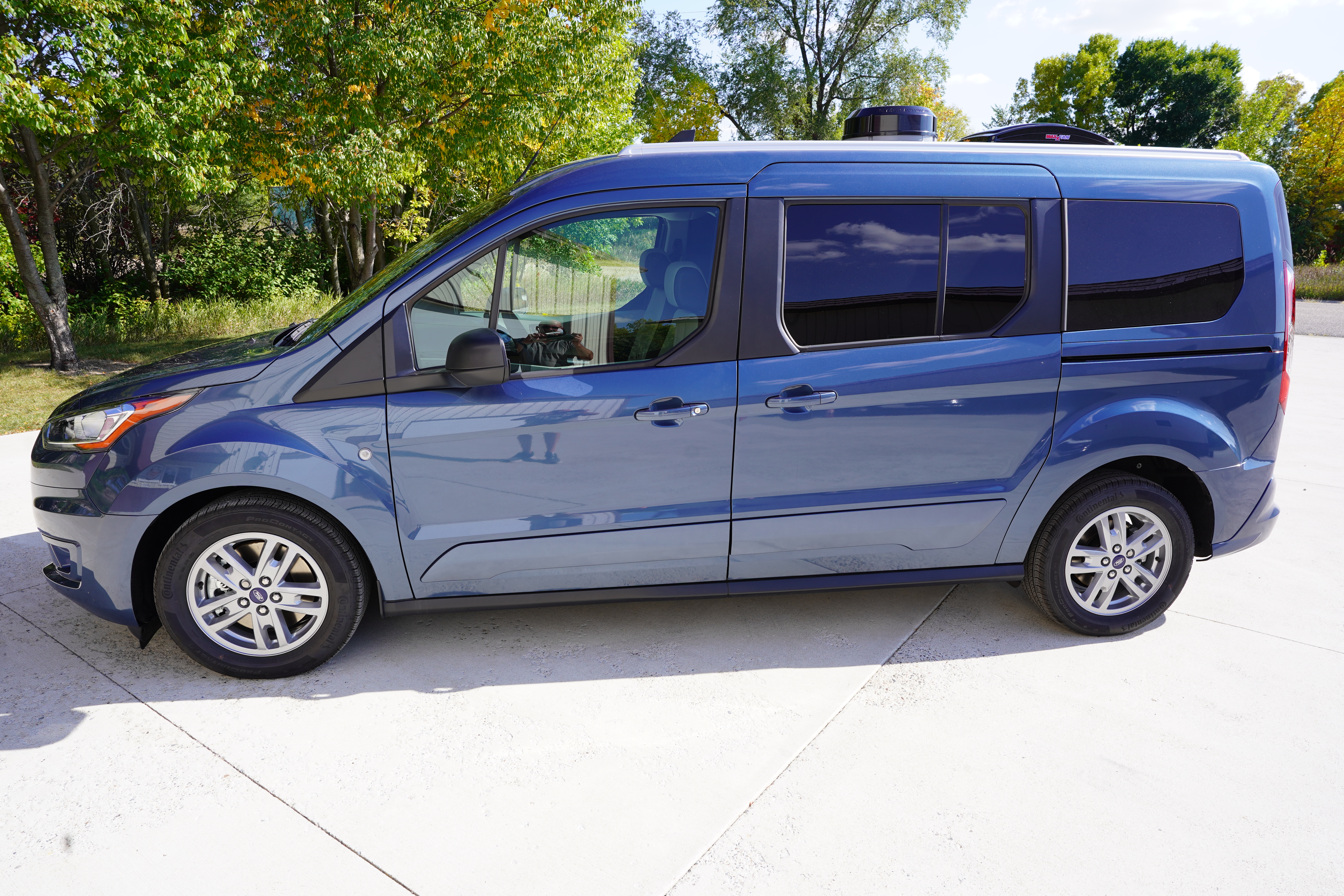
Integrated Mini-T Campervan electrical system supporting off-grid overnight power

These charging sources work together. Driving to the next destination helps replenish the electrical system. Sunlight can contribute while the campervan is parked. A night at a powered campsite can restore energy before another off-grid stay. The owner does not need to choose one charging method and depend on it exclusively.

As explained in how the Mini-T Campervan electrical system works, the advantage is not simply having a battery or an inverter. It is having a complete system designed to store, replenish, and deliver usable power throughout a trip.

For a CPAP user, that means household power is available when it is time to sleep, without making electrical hookups the center of every travel decision.


You Do Not Need an Electrical Campsite Every Night

Campground electricity can still be useful. It may be convenient during a longer stay, after several cloudy days, or whenever you simply want to connect to shore power. The point is not that powered campsites should be avoided.

The point is that they no longer have to determine the itinerary.

One night you may choose a primitive campsite because it is beside the lake. Another night you may prefer a full-service campground with shore power. The important difference is that the campsite is chosen because it fits the trip—not because your CPAP required it.

Freedom comes from being able to choose the place where you want to wake up.

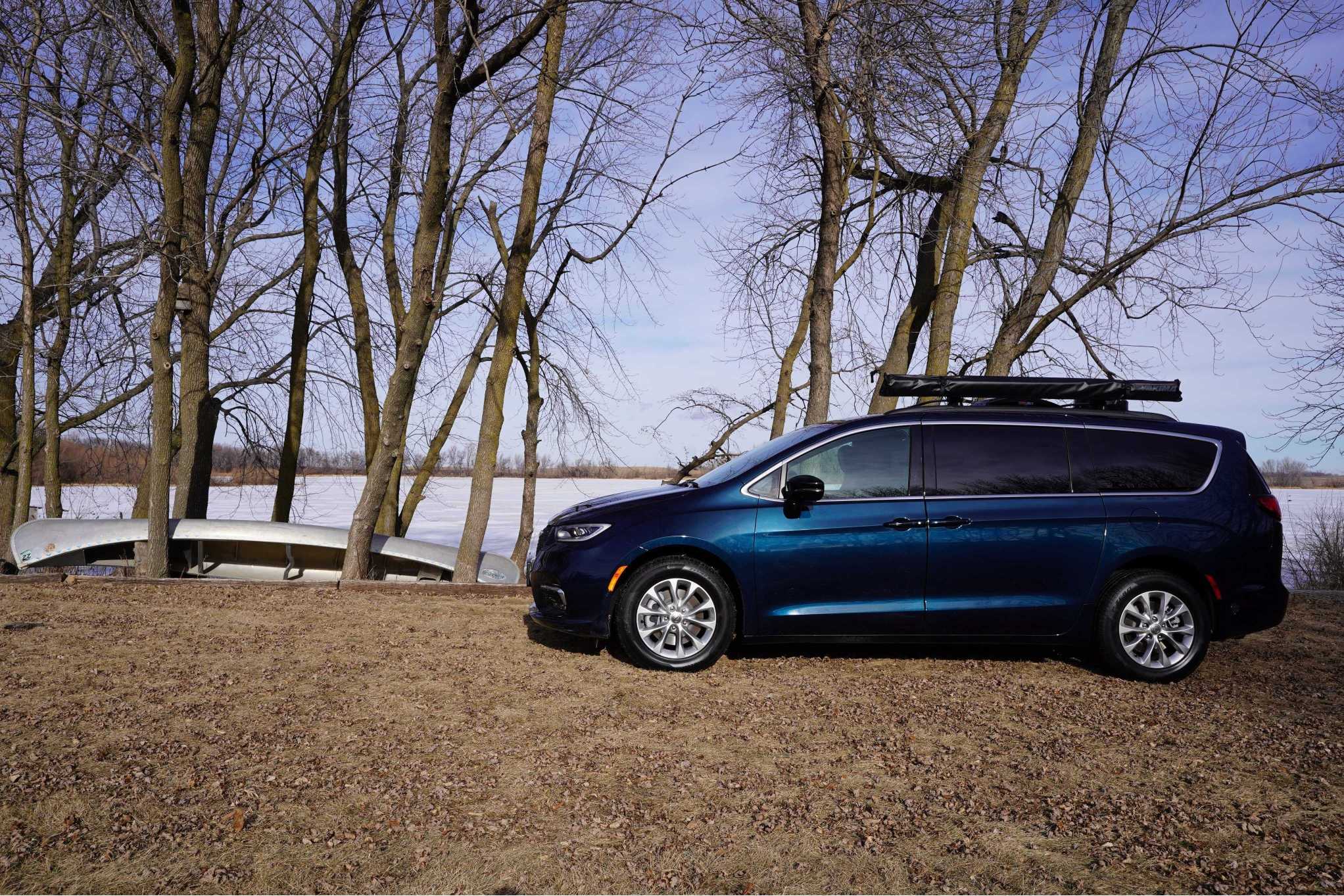
Mini-T Campervan set up for comfortable overnight camping away from electrical hookups


What About the CPAP Humidifier?

Heated humidifiers and heated tubing naturally use more electricity than airflow alone. In a properly charged Mini-T Campervan, they can still be used as part of the normal household CPAP setup.

For most travelers, the practical approach is simple: begin an off-grid stay with the electrical system well charged, allow driving and solar to replenish the batteries as you travel, and use shore power whenever it conveniently fits the itinerary.

The system was designed to support travel, not to require constant calculations before bedtime.


What If You Stay in One Place for Several Days?

A traveler moving regularly between destinations benefits from charging while driving. Someone remaining in the same shaded campsite for several days will naturally replenish less energy through the vehicle and may receive less solar input.

That does not mean a CPAP suddenly becomes difficult to use. It simply means the electrical system should be considered in the context of the entire stay. Beginning with a strong charge, paying attention to weather and shade, and occasionally using shore power can keep a longer off-grid visit comfortably balanced.

This is much like managing other normal travel resources. You notice fuel before entering a remote region, water before staying farther from services, and stored power before remaining parked for several days. None of those details needs to dominate the trip.


A Few Sensible Habits

Although CPAP use in a Mini-T Campervan is straightforward, a few familiar habits still make sense. Keep the machine on a stable surface, route the hose and cord where they will not be pulled loose during the night, and empty the humidifier chamber before driving if the machine manufacturer recommends doing so.

It is also worth trying the setup once before the first long trip. Spend a night in the campervan, plug the CPAP into the outlet you plan to use while traveling, and decide where the machine, hose, mask, and other bedtime items fit best.

Once that routine is established, there should be very little to reconsider each night.


The First Morning Usually Answers the Question

Before the first overnight trip, it is natural to wonder whether everything will feel different. Will the machine operate normally? Will the campervan remain quiet? Will you wish you had chosen a campsite with hookups?

Then morning comes.

The CPAP worked as expected. The campervan remained quiet. The coffee is ready, the campground is beginning to wake, and the day ahead has nothing to do with batteries, outlets, or medical equipment.

Perhaps there is a trail nearby. Perhaps the road continues along the lake. Perhaps the next campground has not been chosen yet.

That is usually the moment people realize sleep apnea never stopped them from traveling. It simply required dependable overnight power—and the campervan quietly took care of the rest.

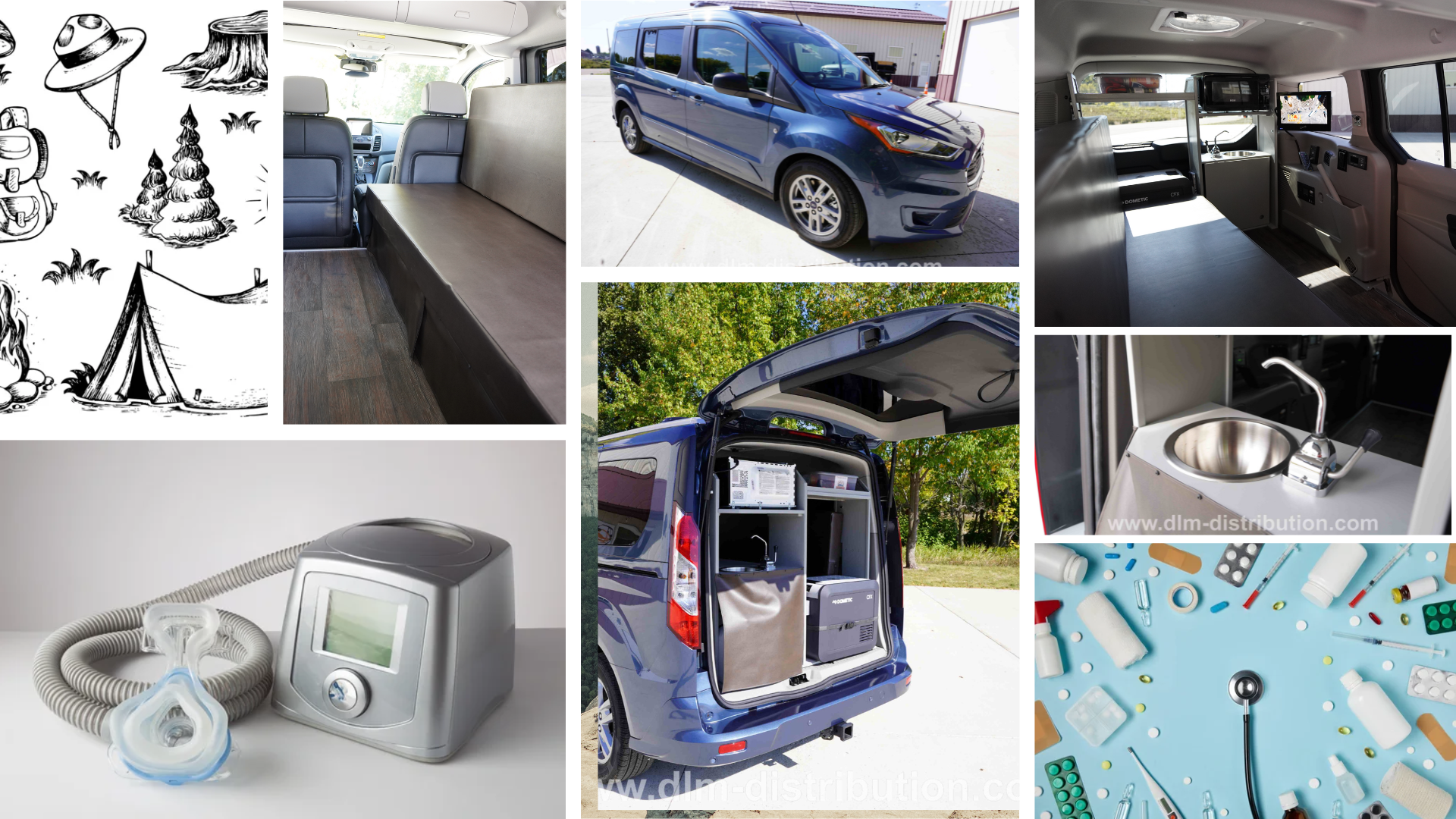
Mini-T Campervan supporting comfortable travel and dependable overnight CPAP use


When Travel Becomes About the Places Again

A CPAP machine is important. Dependable electricity is important. Yet neither needs to become the story of the trip.

With a Mini-T Campervan, your household CPAP plugs into the built-in 120-volt power system and operates while you camp away from electrical hookups. Driving, solar charging, stored energy, and shore power work together in the background, giving you more freedom to choose campsites for their location rather than their electrical service.

You can stay near the lake because you want to see the morning light on the water. You can camp close to the trail because tomorrow’s hike matters more than a powered site across the park. You can follow the smaller road a little farther because there is no need to race toward an outlet before bedtime.

The CPAP still does its job.

The Mini-T quietly does its job.

The memories come from the places you visit, not from the equipment that helped you get there.

This article provides general travel information and is not medical advice. Continue using your CPAP according to the directions of your healthcare provider and the machine manufacturer.


Explore current Mini-T Campervan inventory

View current Mini-T Campervan inventory from DLM-Distribution


DLM-Distribution / Campervans is a licensed manufacturer and dealer located in Lake Crystal, Minnesota, serving clients around the country.

Contact Dave: 651-285-7089 or Candy: 507-382-9446 today!

```