
NEWS
Why Many Mini-T Campervan Owners Prefer Automotive Air Conditioning
Air conditioning is one of the most discussed features in RV and campervan travel, especially for people planning summer trips, overnight stops, or extended travel through warmer climates. Traditional RVs typically rely on large rooftop air conditioning units powered by generators or campground hookups. While effective in some situations, rooftop systems also add weight, height, wind resistance, noise, and additional power demands.
The Mini-T Campervan lineup takes a different approach by using the factory-engineered automotive climate control systems already built into the vehicle platform itself.
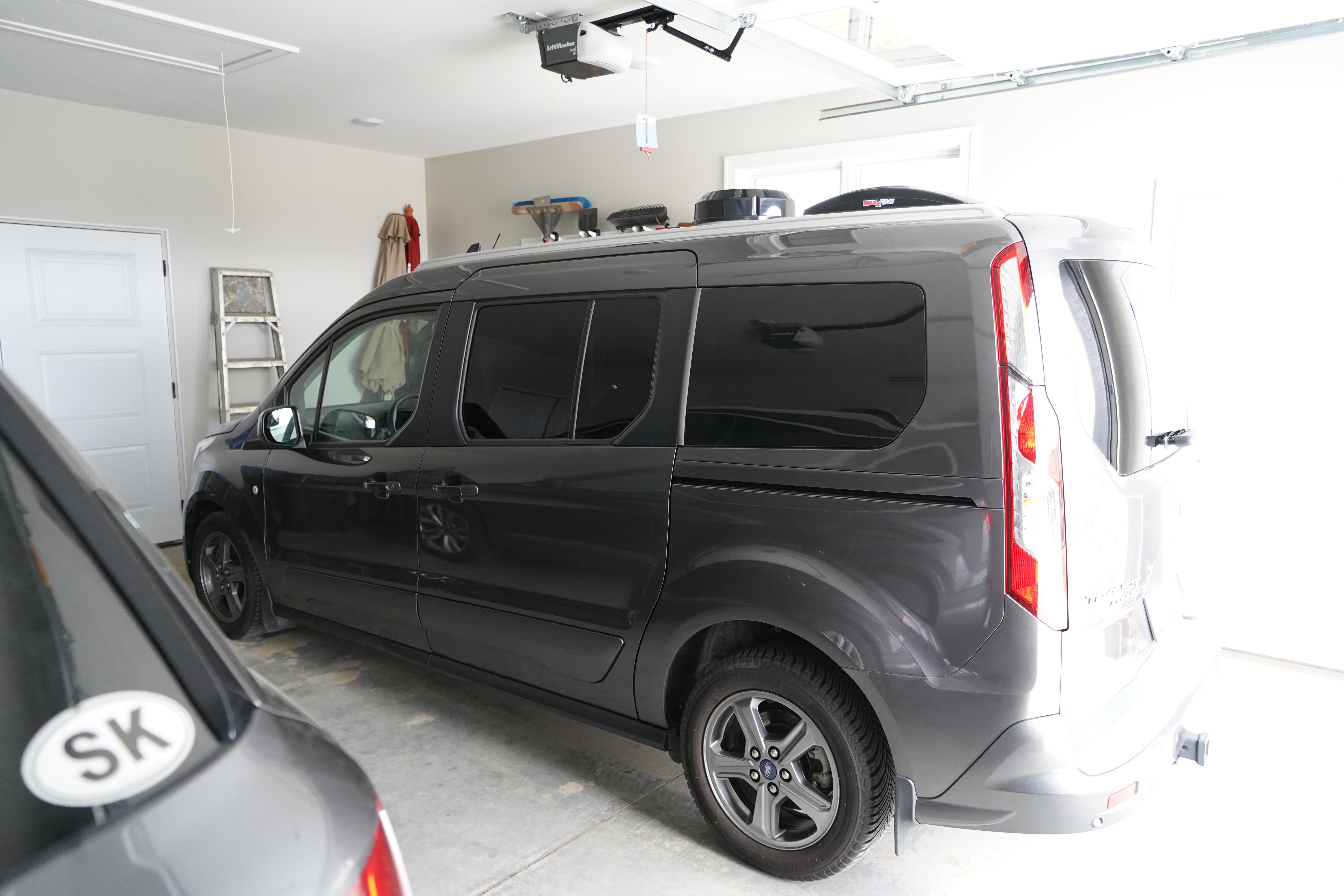
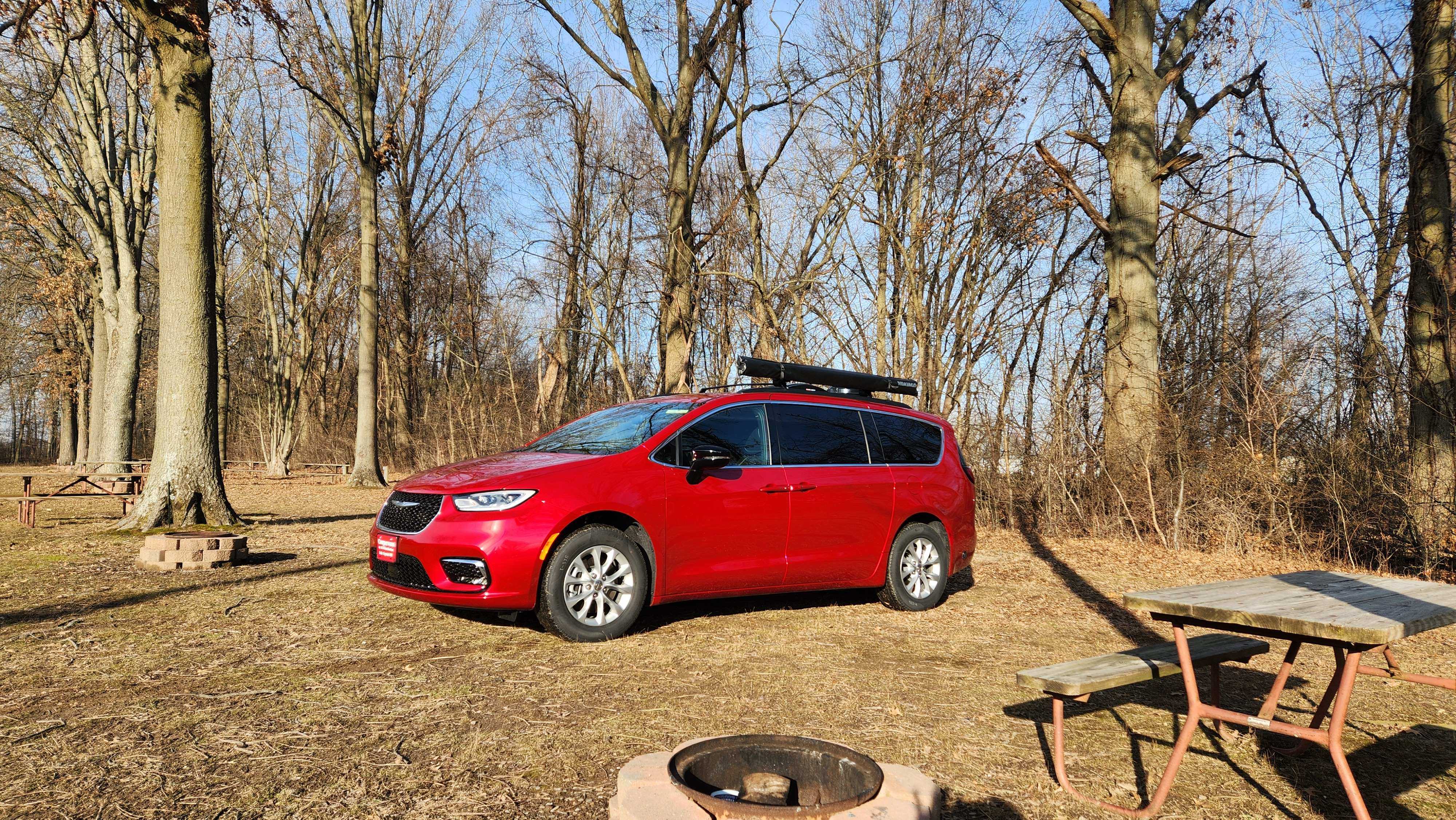
Rather than adding a large rooftop air conditioning unit to the standard garageable Mini-T Campervans built on the Transit Connect and AWD Pacifica Mini-T Campervan platforms, DLM-Distribution utilizes the highly efficient front and rear automotive air conditioning systems designed by the vehicle manufacturer.

Why Avoid a Rooftop RV Air Conditioner?
Traditional rooftop RV air conditioning systems are large, heavy, and power intensive. A typical rooftop AC unit can weigh close to 100 pounds while consuming valuable roof space that could otherwise be used for solar charging systems, ventilation, or maintaining a lower vehicle profile.
For smaller campervans, rooftop systems also create several practical tradeoffs:
• Increased vehicle height
• Reduced fuel efficiency from added wind resistance
• More exterior noise
• Greater electrical demand
• Reduced roof space for solar systems and ventilation fans
• Increased generator dependence in many RV setups
Perhaps most importantly for many owners, adding a rooftop AC unit eliminates the ability for many campervans to fit inside a standard residential garage.
The standard Mini-T Campervan models are intentionally designed to remain low-profile and garage-friendly while still offering full camping capability.
Automotive Air Conditioning Performs Surprisingly Well
One of the advantages of using the vehicle’s factory automotive air conditioning system is how efficiently it cools the compact interior space of the campervan.
Unlike many larger RVs where dashboard air conditioning struggles to cool the rear living area, the Mini-T Campervan uses integrated front and rear automotive ducting systems designed specifically for passenger comfort throughout the vehicle.
Owners frequently report that the automotive system cools the campervan interior quickly, quietly, and more effectively than they expected, even during warmer travel conditions.
Because the system is engineered by the original vehicle manufacturer, it also benefits from factory reliability, factory serviceability, and significantly quieter operation compared to many rooftop RV air conditioning systems.
Off-Grid Cooling Without a Generator
One of the more overlooked advantages of automotive air conditioning in compact campervans is off-grid practicality.
When parked for short breaks, roadside stops, meals, or overnight situations, running the engine-driven automotive air conditioning system often consumes surprisingly little fuel. Modern vehicle engines at idle typically use fuel very efficiently, especially compared to the fuel consumption, noise, vibration, and maintenance associated with portable generators.
For many travelers, this creates a quieter and simpler cooling solution while traveling off-grid.
Integrated systems designed for off-grid campervan travel and connectivity also benefit from lower electrical demand compared to attempting to operate large rooftop RV air conditioners from battery systems alone.
The Mini-T HR Takes a Different Approach
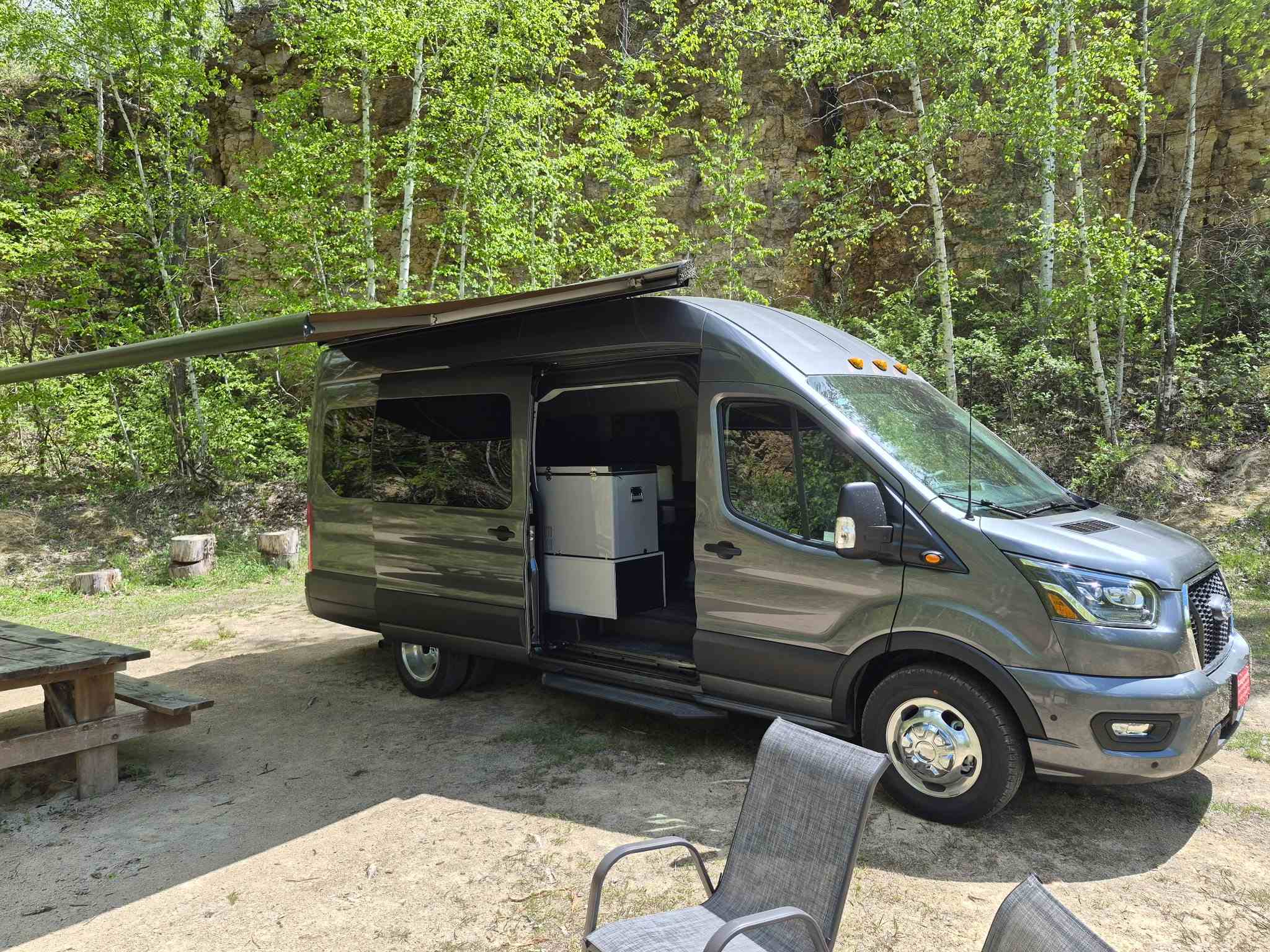
The Mini-T HR Campervan, built on the AWD Ford Transit 350 HD platform, does include a rooftop air conditioning system due to the larger interior volume and standing-height high-roof design.
Interestingly, many Mini-T HR owners still report using the vehicle’s engine-driven front and rear automotive air conditioning far more often than the rooftop unit while driving or during shorter stops.
Owners commonly note that the automotive system cools the interior faster, operates more quietly, and performs extremely well while traveling or stopping off-grid without needing shore power.
The rooftop AC remains valuable for campground hookups and extended stationary stays, but many travelers find themselves relying primarily on the factory automotive system during normal travel days.
Efficiency Through Simplicity
The Mini-T Campervan approach reflects a broader philosophy of practical efficiency rather than simply adding larger RV-style systems wherever possible.
By utilizing existing automotive engineering already designed into the vehicle, the Mini-T avoids much of the additional complexity, weight, electrical demand, and generator dependence commonly associated with traditional RV cooling systems.
For many travelers, the result is a campervan that feels simpler to own, quieter to operate, easier to store, and more comfortable to travel in day after day.
A Different Way to Think About RV Cooling
Traditional RV rooftop air conditioners certainly have their place, particularly in larger motorhomes designed around campground hookups and extended stationary stays.
But for compact campervans focused on mobility, efficiency, off-grid capability, and everyday drivability, automotive air conditioning often proves to be a far more practical solution than many first-time buyers initially expect.
The Mini-T Campervan demonstrates that staying comfortable on the road does not always require larger systems, generators, or oversized rooftop equipment. In many cases, efficient automotive engineering already provides exactly what travelers need.
Happy Camping!

DLM-Distribution / Campervans is a licensed manufacturer and dealer located in Lake Crystal, Minnesota, serving clients around the country.
Contact Dave: 651-285-7089 or Candy: 507-382-9446 today!