
NEWS
Making Money While Camping: Workamping and Life on the Road
For many people, camping is no longer limited to weekends or short summer vacations. More are finding ways to spend extended time on the road while still maintaining income, flexibility, and a sense of independence. From campground hosting and seasonal jobs to remote freelance work, combining travel with income has steadily become part of the broader camping and campervan lifestyle.
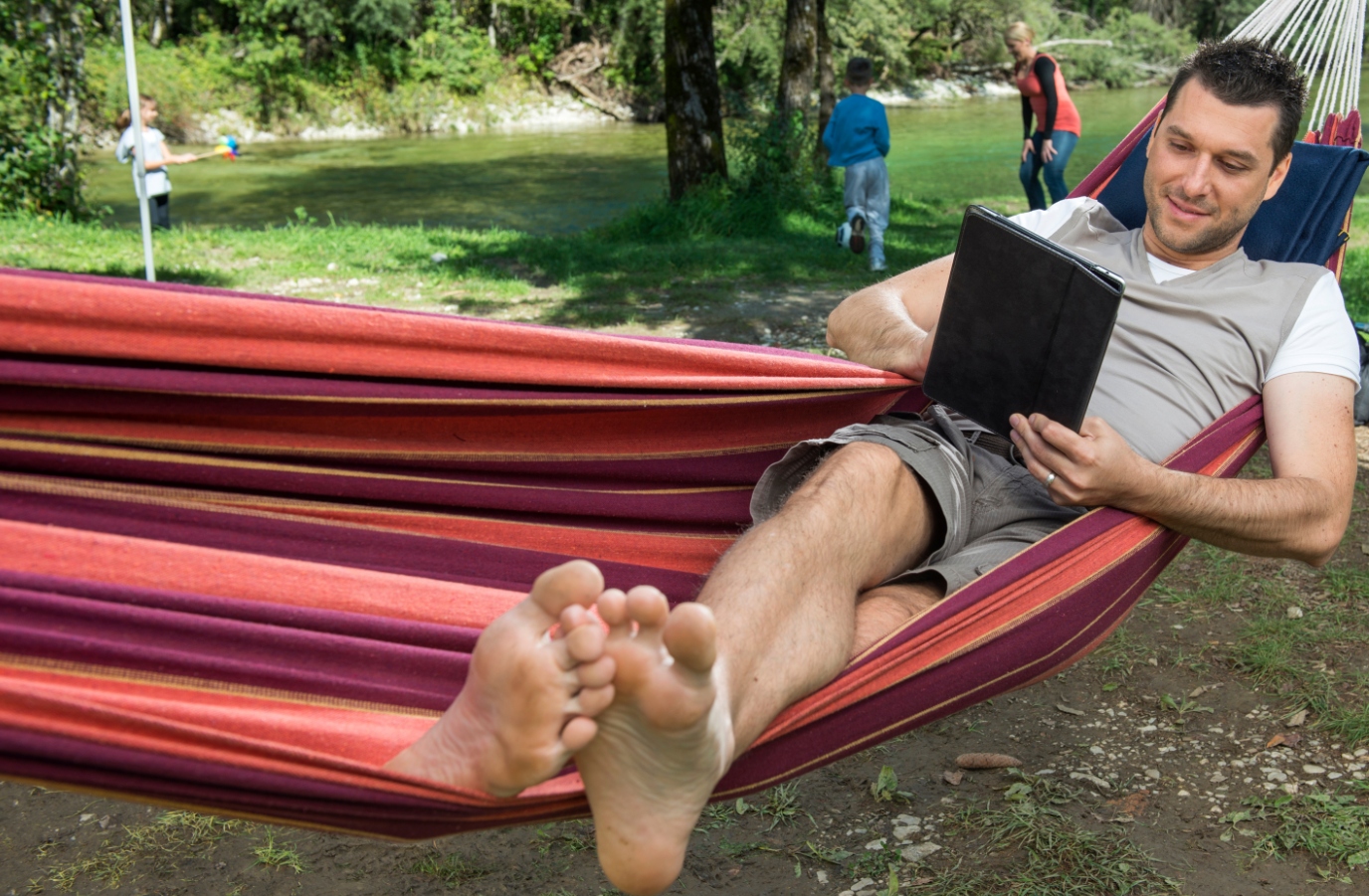
Often referred to as workamping, this approach allows campers and road travelers to experience new places while helping offset travel expenses along the way. For retirees, remote workers, seasonal campers, and those simply looking for a different pace of life, workamping can offer a completely different way to experience the outdoors.
Reliable internet access is now available across much of the country through campground Wi-Fi, cellular networks, and satellite-based systems such as Starlink. Combined with flexible work arrangements and fuel-efficient campervans, spending extended time on the road has become far more realistic than it once was.
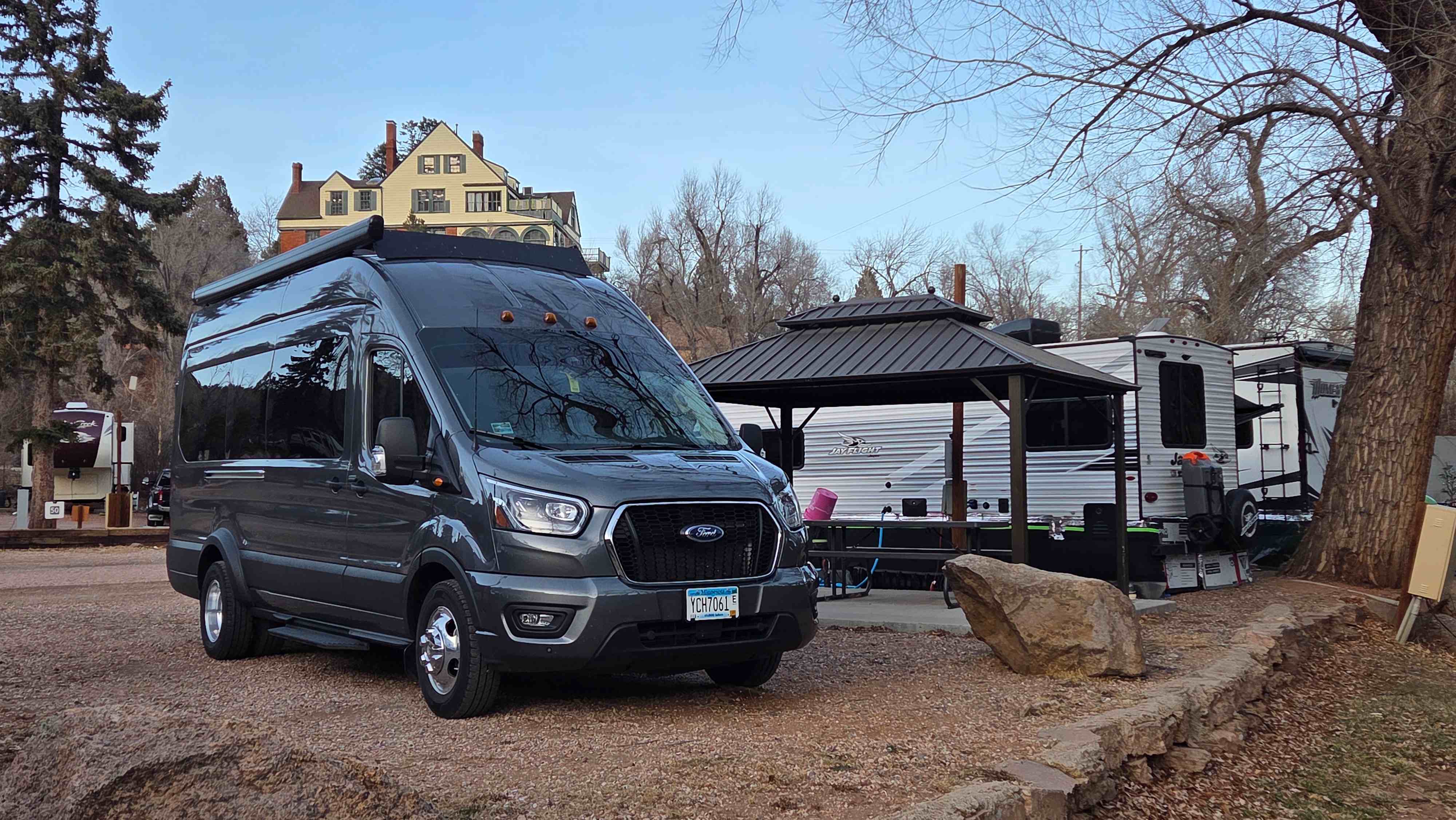
Vehicles like the Mini-T Campervan, with its compact size, fuel efficiency, and integrated off-grid electrical system, have naturally become part of this evolving style of travel for those seeking flexibility without the size and complexity often associated with larger motorhomes.
What Is Workamping?
Workamping generally refers to exchanging labor, skills, or remote work for income, campsite accommodations, or both while traveling. Some positions are seasonal and tied directly to campgrounds or tourism, while others are fully remote and can be done from almost anywhere with a reliable internet connection.
For some, workamping becomes a full seasonal lifestyle. Others simply use it to extend trips, reduce costs, or add structure and purpose to longer periods on the road.
One reason workamping continues to grow is the flexibility it offers. Many campers spend weeks or months in places they genuinely enjoy while still maintaining an income stream and reducing many of the costs traditionally associated with extended travel.
Campground Hosting
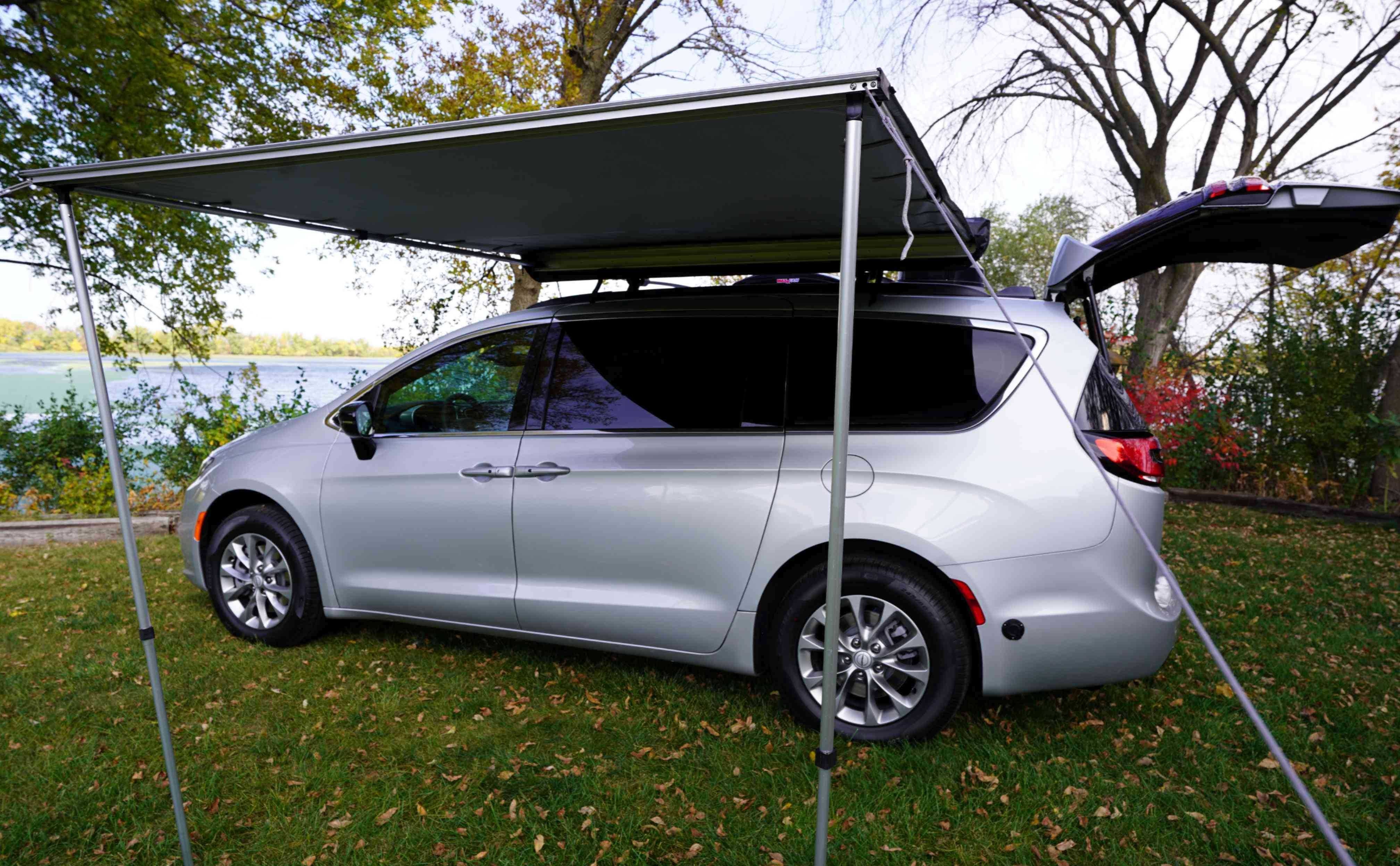
One of the most common forms of workamping is campground hosting. Campground hosts often help welcome guests, answer questions, monitor campsites, assist with light maintenance, and help visitors understand campground rules and local attractions.
In many cases, campground hosts receive a free campsite and utilities in exchange for their time. Some positions also provide hourly pay or seasonal stipends.
For those who enjoy meeting people and spending time outdoors, campground hosting can be an enjoyable way to stay in scenic locations for extended periods. State parks, national forests, county campgrounds, and private campgrounds frequently look for reliable seasonal help during peak travel months.
Many campers interested in extended travel eventually explore opportunities connected to state park camping, national park travel, and seasonal campground operations.
Remote Work From the Campsite
Remote work has dramatically changed how many people approach travel. Writers, editors, photographers, consultants, customer service representatives, software developers, and online business owners are increasingly working while spending extended time on the road.
Reliable mobile internet and improved campground connectivity now make it possible for many remote workers to remain productive from campgrounds, rest areas, scenic pull-offs, or small-town coffee shops.
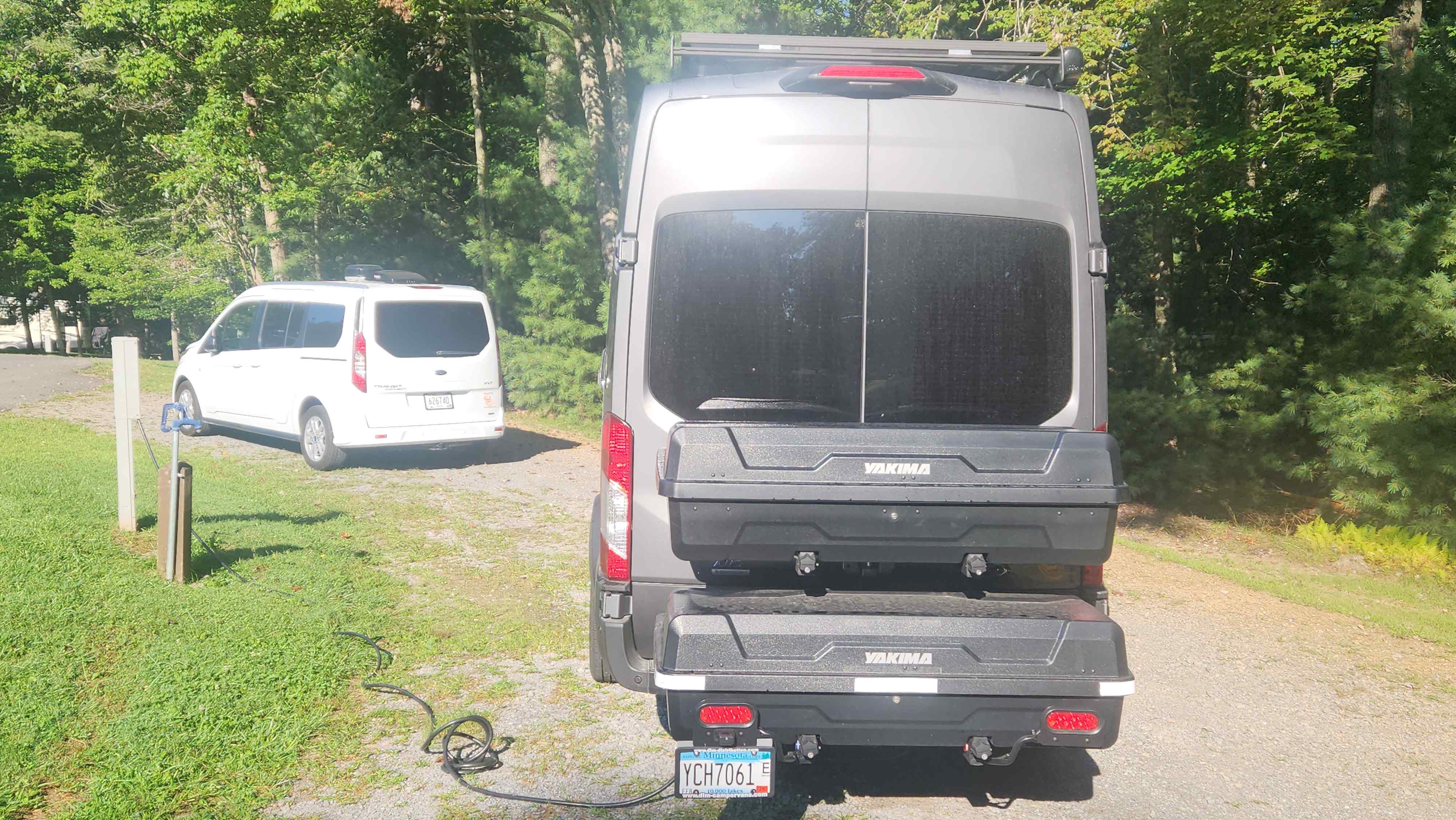
Compact campervans are particularly well suited for this style of travel because they remain practical for both transportation and camping. Smaller campervans are easier to maneuver through cities, national park roads, and everyday errands while still providing comfortable overnight accommodations.
This balance between mobility and practicality is one reason many people have shifted toward smaller Class B campervans rather than larger RVs that may be more difficult to park, store, or drive regularly.
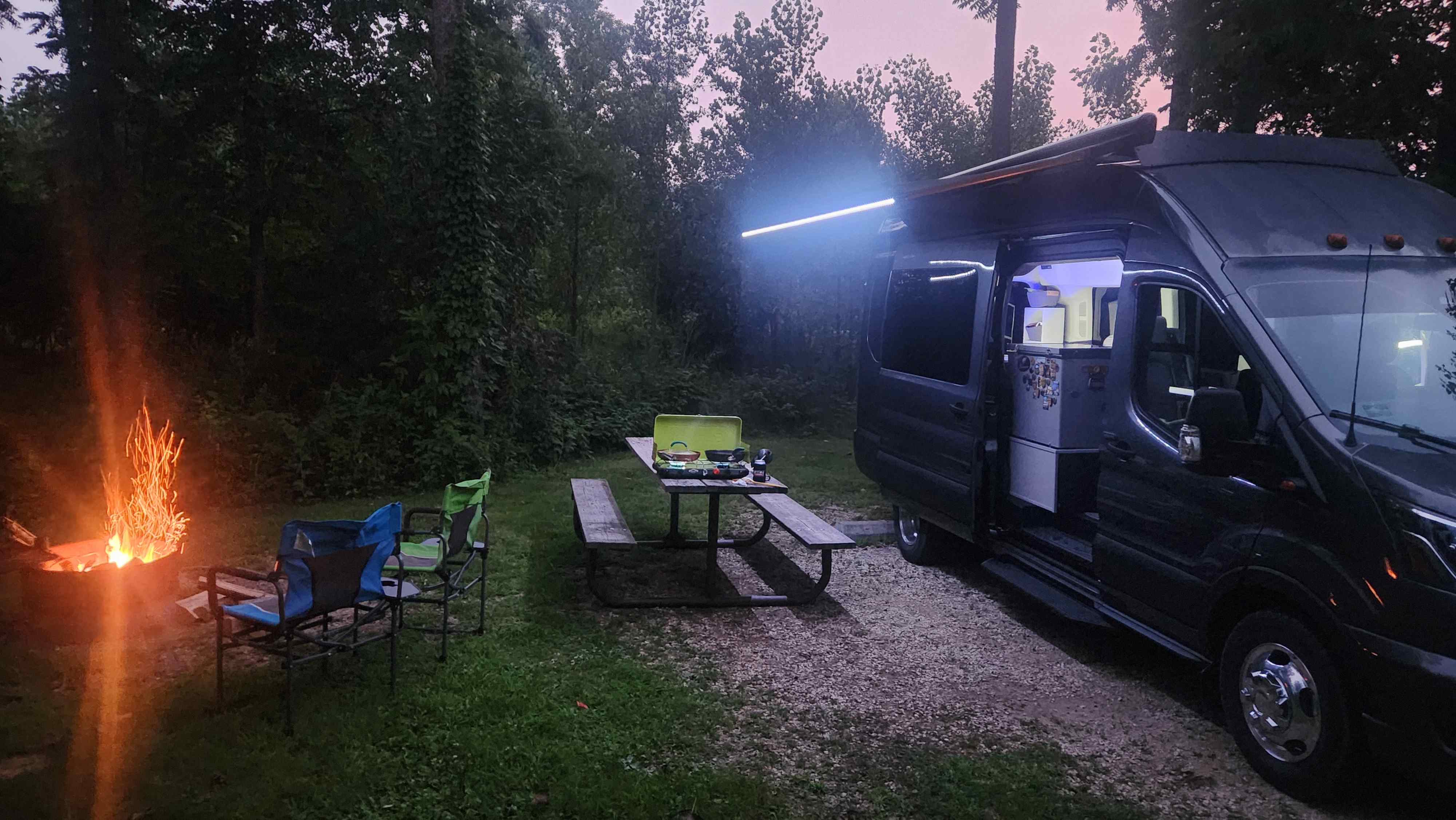
Creative Work on the Road
Life on the road often creates opportunities for creative income. Photography, videography, blogging, travel writing, and online content creation have become common ways campers and outdoor enthusiasts document and share their experiences.
Some create travel guides, campground reviews, hiking resources, or outdoor cooking content. Others focus on landscape photography, drone footage, or documenting regional travel experiences and lesser-known destinations.
While only a small percentage generate full-time income through creative work alone, many use these skills to supplement travel expenses while building projects they genuinely enjoy.
The most successful long-term travel content usually focuses less on selling and more on useful information, practical insight, and authentic observations from the road.
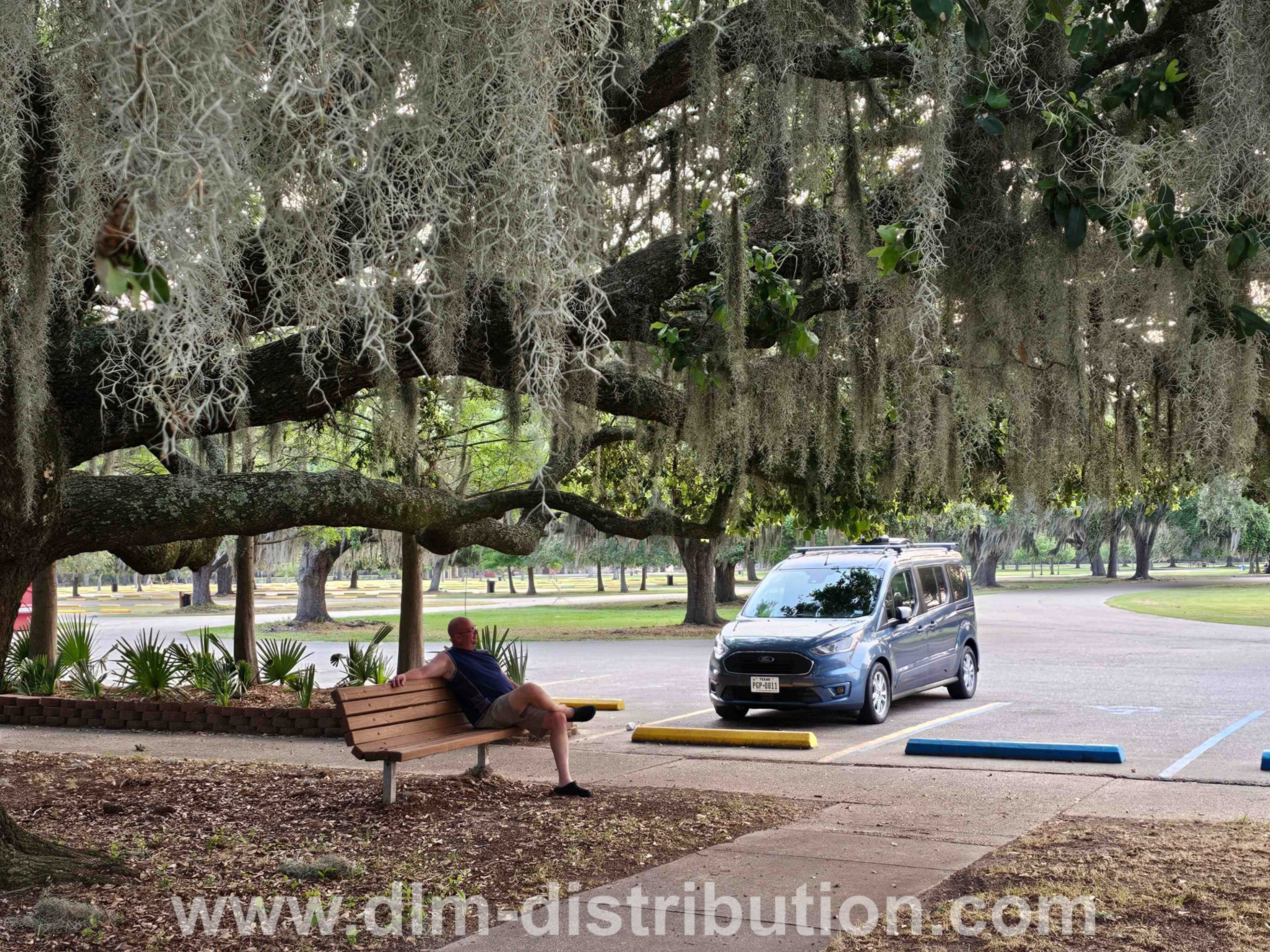
Seasonal and Local Jobs
Not all workamping involves remote work. Seasonal tourism communities often need temporary help during busy travel periods. Jobs may include working in gift shops, restaurants, marinas, visitor centers, camp stores, tour operations, or agricultural businesses.
In many smaller tourism-driven communities, seasonal workers become an important part of the local economy during peak travel months.
For those who enjoy staying in one region for several weeks or months, these jobs can provide both income and a deeper connection to the places they visit.
Living Simpler While Traveling
One reason workamping appeals to many people is that it often encourages a simpler style of living. Many begin focusing less on rushing through destinations and more on spending meaningful time in places they genuinely enjoy.
Smaller campervans naturally support this mindset. They encourage efficient packing, manageable travel habits, and flexibility while reducing many of the operating costs associated with larger RVs.
For some, the appeal is financial. For others, it is lifestyle flexibility, reduced stress, or the ability to wake up in different places without rigid schedules.
As more people look for practical ways to travel longer while maintaining flexibility at home, interest continues to grow in RVs for everyday use, smaller garageable campervans, and vehicles that are easier to drive, maintain, and comfortably use for extended trips.
Travel With Purpose
Making money while camping is rarely about getting rich quickly. More often, it is about creating flexibility — extending time on the road, reducing expenses, meeting people, and building experiences that might otherwise be difficult within a traditional routine.
For some, workamping lasts a season. For others, it gradually becomes part of a long-term lifestyle built around mobility and exploration.
Whether hosting at a campground, working remotely beside a lake, photographing scenic landscapes, or simply spending more time outdoors, workamping continues to reshape how many people think about both work and travel.
The road no longer has to represent time away from life. For many, it simply becomes another way of living it.

DLM-Distribution / Campervans is a licensed manufacturer and dealer located in Lake Crystal, Minnesota, serving clients around the country.
Contact Dave: 651-285-7089 or Candy: 507-382-9446 today!