
The Real Advantages of a Garageable Class B Campervan
When shopping for a recreational vehicle, most people naturally focus on what happens during a camping trip. Sleeping accommodations, electrical power, refrigeration, storage, and interior comfort all influence the decision. Yet one of the most important considerations often receives less attention: Where will the RV be kept when it is not traveling?
For many owners, that question has a lasting effect on the convenience and expense of RV ownership. A recreational vehicle that requires off-site storage creates different responsibilities than one that can be parked inside the garage at home.
That is where a garageable campervan offers some meaningful advantages. Beyond its compact dimensions, a garageable Class B RV can simplify storage, maintenance, trip preparation, and everyday transportation while still providing comfortable accommodations for camping and travel.
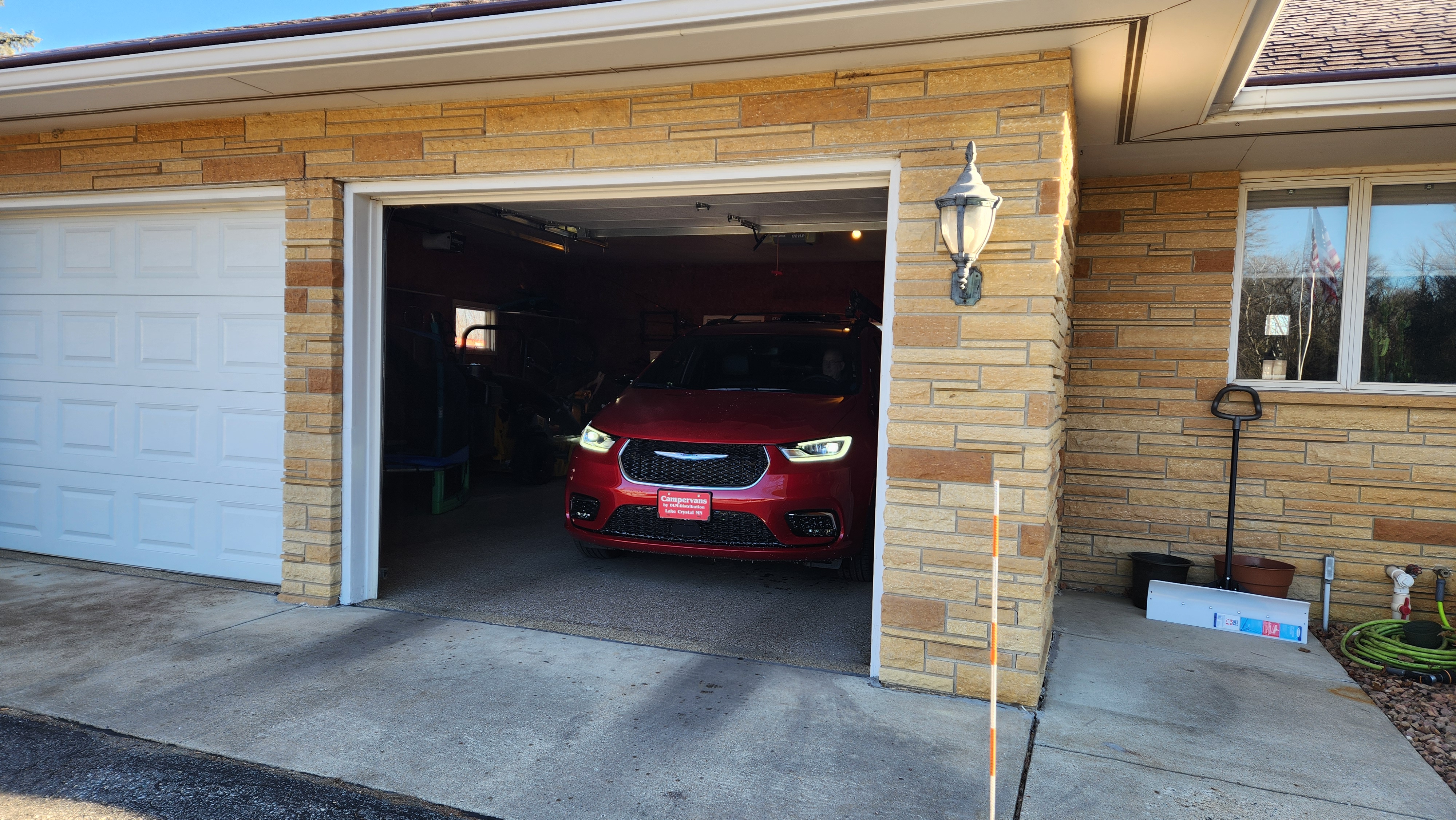
Protecting an RV From the Elements
Recreational vehicles spend a considerable amount of their lives parked. For larger motorhomes and travel trailers, that often means extended exposure to sunlight, rain, snow, ice, wind, and changing temperatures. Over time, outdoor storage can contribute to fading, deterioration of exterior materials, weathering of seals, and additional cleaning and maintenance.
Indoor garage storage offers a practical way to reduce much of that exposure. Keeping a campervan under cover helps protect its exterior finish, windows, roof equipment, and other components from the conditions that affect vehicles parked outdoors year-round.
In northern climates, the benefits are particularly noticeable during winter. A garage-stored campervan is protected from accumulating snow and ice, making inspections, cleaning, and preparation for travel considerably more convenient. In warmer regions, reduced exposure to intense sunlight can help preserve exterior finishes and interior materials.
Garage storage does not eliminate the need for routine maintenance, battery care, or proper winterization. However, it provides a more controlled storage environment that can make those responsibilities easier to manage.
Reducing the Need for Off-Site RV Storage
One of the less obvious expenses of owning a larger recreational vehicle is finding somewhere to keep it. Many homeowners do not have sufficient driveway space, and some neighborhoods restrict outdoor RV parking. As a result, owners may need to rent space at a commercial storage facility.
Storage costs vary considerably depending on location, security, vehicle size, and whether covered or enclosed parking is available. Even a relatively modest monthly charge becomes a recurring ownership expense over several years.
A campervan that fits inside an existing residential garage may eliminate the need for separate RV storage altogether. It can also reduce the time and transportation involved in retrieving an RV before a trip and returning it afterward.
For travelers comparing recreational vehicles, storage should be considered alongside insurance, fuel, maintenance, registration, and other operating expenses. The RV True Cost of Ownership Calculator provides a useful way to evaluate how these expenses can differ between RV types and ownership arrangements.
Garage Storage and HOA Considerations
Homeowners associations, condominium communities, and residential developments sometimes establish rules governing recreational vehicle parking. These restrictions may address vehicle dimensions, parking duration, visibility from the street, or whether an RV can remain outdoors on residential property.
A garageable campervan can offer an important advantage because it may be stored entirely inside the home's existing garage rather than occupying an outdoor parking space.
However, garage storage should not be interpreted as automatic HOA approval. Individual associations may have their own vehicle classifications and restrictions. Prospective owners should review their governing documents and confirm applicable requirements before purchasing any recreational vehicle.
For homeowners who want the convenience of RV travel while maintaining a residential appearance consistent with neighborhood expectations, indoor storage can be one of the most useful features of a compact campervan.
Measuring the Garage Before Choosing a Campervan
Not every vehicle described as compact will fit inside a residential garage. Exterior height is especially important because roof-mounted equipment, antennas, ventilation systems, and other accessories can increase the vehicle's overall dimensions.
Many residential garages have nominal seven-foot door openings, but the actual usable clearance may be smaller. Door tracks, weather seals, flooring transitions, overhead equipment, and the position of the garage door itself can affect the available space. Interior length and width must also accommodate the vehicle while allowing room to open doors and move around it.
The Ford Transit Connect Mini-T and Chrysler Pacifica AWD Mini-T Campervans have overall heights of approximately 80 inches, including their installed rooftop camping equipment. Both were designed with residential garage compatibility in mind, although actual fit must always be verified.
Before making a purchase, homeowners can use the RV Garage Fit Calculator to compare their garage dimensions with the size of a prospective campervan. Measuring the actual opening and available interior space is more reliable than assuming a vehicle will fit based on the advertised garage-door size alone.
Keeping a Campervan Accessible Throughout the Year
Convenient access is another important advantage of garage storage. When a campervan is parked at home, owners can load clothing, food, camping supplies, and other essentials gradually rather than organizing everything around a trip to a storage facility.
Routine tasks also become easier. Checking tire pressures, inspecting equipment, cleaning the interior, maintaining batteries, and organizing supplies can be handled at convenient times without traveling elsewhere to access the vehicle.
That accessibility can make shorter trips more appealing. A nearby state park, a weekend fishing trip, a visit with family, or an overnight stop along a scenic highway may require less preparation when the campervan is already parked at home.
The benefit is not necessarily that every trip becomes spontaneous. Rather, owning a readily accessible campervan removes some of the logistical steps that can discourage people from using a recreational vehicle as often as they would like.
One Vehicle for Transportation and Camping
Garageability is particularly useful when combined with a campervan that remains practical for ordinary transportation. The garageable Mini-T Campervan models are designed to provide camping accommodations without giving up the manageable dimensions of their underlying vehicle platforms.
The Ford Transit Connect Mini-T offers compact exterior dimensions, front-wheel drive, and fuel economy of approximately 24–28 MPG. The Chrysler Pacifica AWD Mini-T provides a larger sleeping area, a V6 powertrain, and all-wheel drive while remaining suitable for many residential garages.
Both provide sleeping accommodations for two, refrigeration, a microwave, a sink with fresh water, ventilation, organized storage, and an integrated electrical system that supports off-grid camping without requiring a generator for normal inverter-powered appliances.
These features allow the same vehicle to serve several purposes. It can be used for shopping, appointments, visiting family, scenic day trips, and everyday transportation, then provide comfortable sleeping and camping accommodations when travel plans extend overnight.
For some households, that flexibility may reduce the need to maintain a separate recreational vehicle used only occasionally. For others, it simply means their campervan remains useful throughout the year rather than sitting idle between vacations.
Maintenance and Long-Term Ownership Convenience
Owning an RV involves responsibilities that continue between camping trips. Batteries need attention, water systems require seasonal care, tires should be inspected, and equipment should be checked periodically.
Having the campervan stored in a garage can make these tasks more convenient. Owners have ready access to the vehicle and can address small maintenance items before they become larger problems. Interior cleaning, equipment inspections, and preparing supplies for the next trip can be completed without scheduling access to a storage facility.
Garage storage may also provide a more comfortable place to perform routine work during unfavorable weather. Although the garage does not replace proper maintenance or professional service when needed, convenient access can encourage more consistent vehicle care.
For owners who intend to keep their campervan for many years, these practical considerations deserve attention alongside the vehicle's camping features and driving characteristics.
When a Larger RV May Be the Better Choice
Garageable campervans are not the ideal solution for every traveler. Larger Class B motorhomes, Class C motorhomes, travel trailers, and fifth wheels can offer advantages that smaller vehicles cannot duplicate.
Travelers who prioritize interior standing room, separate sleeping areas, larger bathrooms, extensive onboard water capacity, or spacious accommodations for extended stationary stays may find a larger recreational vehicle better suited to their needs.
There is also a distinction within the Mini-T lineup. The larger Ford Transit-based Mini-T HR offers standing-height interior space and additional amenities, but its approximately ten-foot exterior height means it is not designed for standard residential garage storage.
The appropriate choice depends on how an RV will actually be used. Someone who spends months at a campground may value interior living space more than garage compatibility. A traveler who frequently visits small towns, scenic roads, state parks, and family destinations may place greater importance on convenient driving, parking, and storage.
Neither approach is universally better. The important consideration is selecting a vehicle whose capabilities and ownership requirements match the intended style of travel.
The Value of an RV That Fits Your Life
The advantages of a garageable Class B campervan extend well beyond fitting through a garage door. Indoor storage can help protect the vehicle, reduce dependence on commercial RV storage, simplify routine maintenance, and make trip preparation more convenient.
When combined with everyday driving capability and comfortable camping accommodations, garageability can change the way a recreational vehicle fits into a household. Instead of requiring separate storage arrangements and special planning for every outing, the campervan can remain accessible and useful throughout the year.
For travelers who value scenic road trips, state parks, weekend camping, and the flexibility to explore on their own schedule, that practical approach to RV ownership can be every bit as important as the features inside the campervan.
Happy Travels & Happy Camping!

DLM-Distribution / Campervans is a licensed manufacturer and dealer located in Lake Crystal, Minnesota, serving clients around the country.
Contact Dave: 651-285-7089 or Candy: 507-382-9446 today!