Homeowners associations can be remarkably different from one community to another. For some homeowners, an HOA provides exactly what they want: less exterior maintenance, shared amenities, neighborhood standards, and a community structure that makes everyday life easier. For others, association fees or particular rules may not fit the way they want to live.
Neither experience defines HOA living as a whole.
The more useful question is not whether an HOA is good or bad. It is whether a particular association is well managed, financially sound, and compatible with the lifestyle you want.

What an HOA Actually Does
At its most basic level, a homeowners association provides a structure for managing responsibilities and standards shared by a neighborhood or community. Depending on the property, that can include common areas, landscaping, snow removal, exterior maintenance, private roads, recreational facilities, insurance on shared property, architectural standards, and other services.
What an HOA is responsible for varies significantly from one community to another. A condominium association may have very different obligations from a townhome development or a neighborhood of detached single-family homes. That is why the association's governing documents matter more than assumptions about what an HOA normally does.
In Minnesota, many condominiums, townhomes, and planned communities are organized as common interest communities. Their associations operate within state law as well as their declarations, bylaws, articles, rules, and other governing documents. For a prospective homeowner, those documents help answer the questions that matter most: What does the association maintain? What does the homeowner maintain? What are the rules? How are decisions made? And what will ownership actually cost?
Rules: Protection or Restriction?
Rules are often the first thing people think about when they hear the word HOA. Some buyers appreciate standards intended to protect the appearance and character of a neighborhood. Others worry about giving up too much control over their property.
Both perspectives are reasonable.
Association rules can address subjects such as exterior changes, landscaping, parking, pets, rentals, fences, sheds, boats, trailers, and recreational vehicles. The important question is not simply whether an HOA has rules. The question is whether its rules are compatible with the way you want to live.
Someone who enjoys gardening may care deeply about landscaping provisions. A dog owner may focus on pet rules. Someone planning to travel for several months each winter may want to understand snow removal, home-watch expectations, and maintenance responsibilities. An RV owner should pay particular attention to vehicle parking and storage provisions.
This is why reviewing the actual governing documents before purchasing a home is so important. A beautifully maintained community with excellent amenities may still be the wrong fit if one of its rules conflicts with something important to the buyer. Conversely, rules that initially sound restrictive may make perfect sense once the purpose and day-to-day operation of the community are understood.
Understanding HOA Fees and What They Pay For
HOA fees are another area where the monthly number by itself rarely tells the whole story.
A lower association fee is not automatically a better value, and a higher fee is not automatically expensive. The meaningful question is what the fee covers and whether the association is collecting enough to responsibly maintain the property and services it is obligated to provide.
Depending on the community, assessments may support lawn care, snow removal, common-area maintenance, exterior building maintenance, insurance on common property, utilities for shared spaces, pools, fitness facilities, clubhouses, private streets, management, and long-term replacement reserves. Other associations may provide only a small number of those services.
That distinction becomes especially important when comparing HOA ownership with a property where the homeowner pays for everything individually. Lawn service, snow removal, exterior repairs, recreational memberships, and other expenses do not disappear simply because they are not included in an HOA fee. They are simply paid for differently.
Financial health matters as much as the current assessment. Buyers should pay attention to the association's budget, reserves, major anticipated expenses, insurance, and any history or possibility of special assessments. A well-maintained property requires money over time, whether those costs arrive predictably through regular assessments or unexpectedly through repairs and special assessments.
Community Life Can Be Part of the Value
Not every HOA is built around social interaction, and not every homeowner wants an active social calendar. But in communities where substantial shared amenities are part of the design, those spaces can become much more than items on a real-estate listing.
Fitness rooms, swimming pools, pickleball courts, gathering areas, community kitchens, gardens, walking areas, and clubhouses can create natural opportunities for neighbors to meet. Participation remains a personal choice, but having those opportunities close to home can add a dimension to neighborhood life that is difficult to create through individual homeownership alone.
One local example is Siesta Hills in Mankato, Minnesota. Siesta Hills is not an age-restricted 55+ community, but its low-maintenance approach, extensive amenities, and active community atmosphere naturally appeal to many retirees and empty nesters looking for qualities often associated with a 55+ lifestyle.

What makes that example useful is not that every HOA should look like Siesta Hills. It is that it demonstrates how an association can become part of the lifestyle residents are choosing rather than simply an organization that collects dues and enforces rules.
Why HOA Living Can Make Sense in Minnesota
Climate gives HOA services a particularly practical dimension in Minnesota.
Snow needs to be removed whether a homeowner is home or spending part of January somewhere warmer. Grass continues growing while someone is traveling in July. Freeze-and-thaw cycles, seasonal exterior maintenance, landscaping, and common-area upkeep all remain part of property ownership.
For homeowners who would rather spend less time managing those recurring responsibilities, an association that handles some or all of them can simplify daily life. The value may become even more apparent for retirees, empty nesters, frequent travelers, and snowbirds who want the ability to leave home for extended periods without arranging every routine exterior task individually.
This does not mean every HOA provides those services. It means buyers should look closely at what a particular association actually includes and decide whether those services have value in their own lives.
HOA Living and RV Ownership Are Not Inherently Incompatible
Recreational vehicles are a good example of why compatibility matters more than generalizations.
A homeowner with a large motorhome, fifth wheel, or travel trailer may need to pay close attention to restrictions involving driveway parking, outdoor storage, or where recreational vehicles may be kept. In some communities, off-site RV storage may be the practical solution.
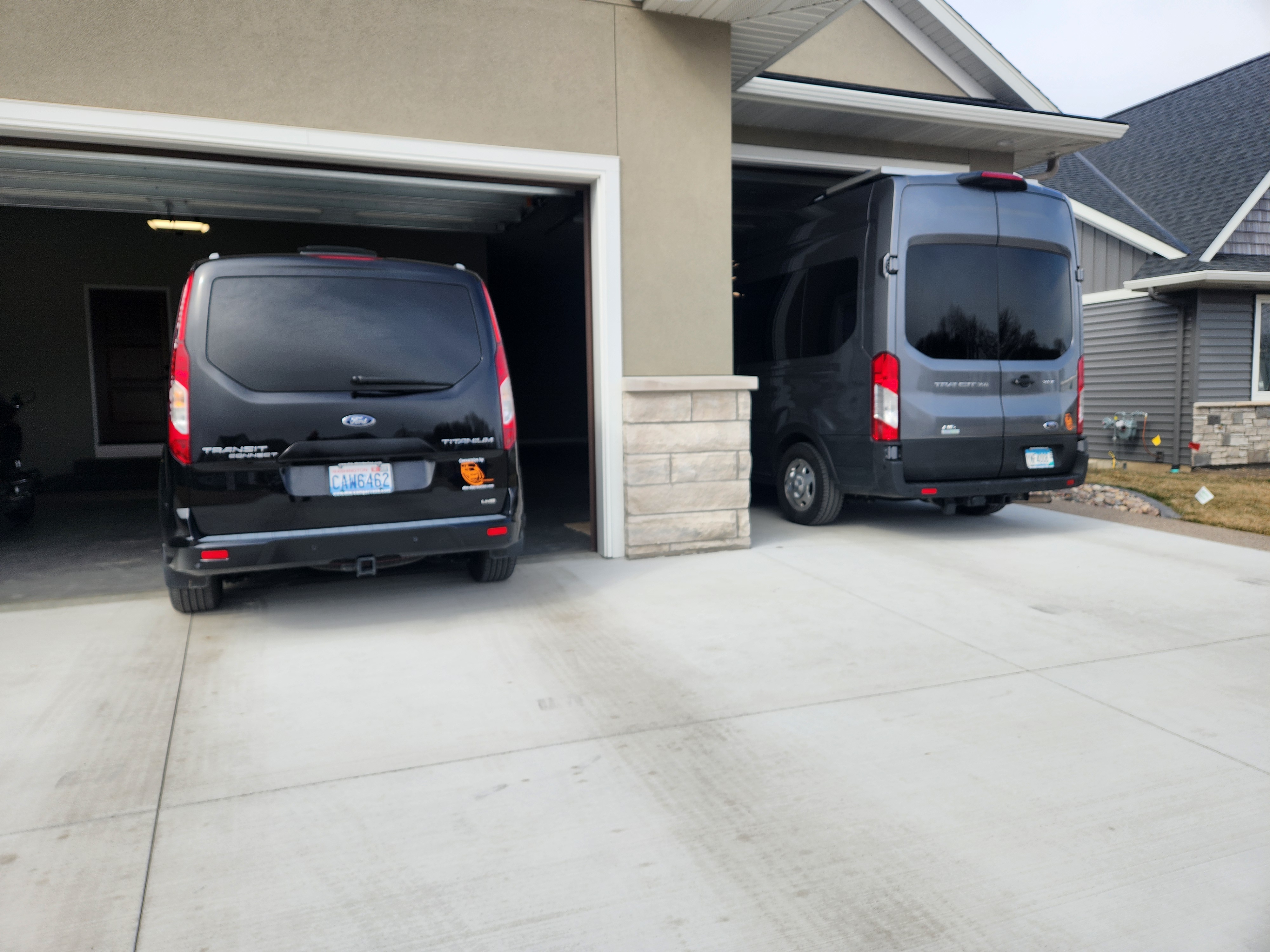
For travelers who prefer a smaller RV, garageability can change that equation considerably. A campervan that fits completely inside the homeowner's garage may integrate far more naturally into an HOA neighborhood than a larger RV requiring outdoor storage.
At approximately 6 feet 8 inches tall and just over 17 feet long, the Mini-T fits in a residential garage and standard parking spaces. For owners with available garage space, that means the campervan can simply come home with them instead of being taken to a separate RV storage facility after every trip.
HOA rules vary, and owners should always review the documents governing their particular property. But RV ownership and HOA living are not inherently incompatible—especially when the RV fits where passenger vehicles normally belong.

For homeowners interested in how low-maintenance community living can complement frequent travel, HOA communities and a travel-friendly lifestyle can work together particularly well when the home, community rules, and vehicle are chosen with the same priorities in mind.
Look Beyond the Amenities List
A swimming pool or clubhouse is easy to notice during a home tour. The less visible parts of an association deserve just as much attention.
How involved are homeowners in the community? How are board decisions communicated? Are common areas well maintained? Does the association appear to plan for long-term expenses? What responsibilities remain with the individual homeowner? Are the rules consistently applied? Do the services being provided match the monthly cost?
Those questions often reveal more about day-to-day HOA ownership than the amenities brochure.

A strong community can also provide something that is difficult to quantify financially: familiarity. Shared spaces, neighborhood events, casual conversations, and repeated interactions can gradually turn a collection of homes into a community.
That will matter more to some homeowners than others, and that is precisely the point. HOA living is not one-size-fits-all.
Before Buying Into an HOA
A prospective buyer should understand the association before becoming part of it. In Minnesota, buyers of homes in many common interest communities receive association disclosures and governing documents as part of the purchase process. Those materials deserve more than a quick glance.
Read the declaration, bylaws, and rules. Understand the current assessment and what it covers. Review available financial information and reserves. Ask about planned projects and special assessments. Determine what insurance the association provides and what the homeowner must insure separately. If parking, pets, rentals, exterior changes, travel, or RV ownership matter to you, find the provisions addressing those subjects rather than assuming they will be allowed or prohibited.
The goal is not to find an HOA with no rules or no costs. It is to understand what you are buying into before you buy it.
The Right HOA Should Fit the Way You Want to Live
HOA living can provide meaningful advantages: shared maintenance, neighborhood standards, amenities, community spaces, and a structure that can make homeownership simpler. It can also involve fees, rules, shared decision-making, and obligations that some homeowners would rather manage independently.
Neither side should be ignored.
The best HOA is not necessarily the one with the most amenities, the lowest monthly fee, or the fewest rules. It is the one whose responsibilities, finances, standards, and community culture align with what the homeowner values.
For some people, that means a quiet neighborhood with minimal shared services. For others, it means resort-style amenities and an active social environment. For travelers, it may mean exterior maintenance that continues while they are away and a garage where a campervan can wait for the next trip.
When those pieces fit together, an HOA can do more than maintain a neighborhood. It can remove everyday responsibilities, protect shared investments, create opportunities for connection, and support the way residents actually want to spend their time.

DLM-Distribution / Campervans is a licensed manufacturer and dealer located in Lake Crystal, Minnesota, serving clients around the country.
Contact Dave: 651-285-7089 or Candy: 507-382-9446 today!