
A Guide to National Park Passes: From Senior Lifetime to Military and More
America's national parks, national forests, wildlife refuges, monuments, historic sites, recreation areas, and other public lands offer some of the most memorable travel experiences in the country. For road-trippers, retirees, veterans, families, hikers, photographers, and campervan travelers, the right federal recreation pass can make those trips easier and more affordable.
The best-known option is the America the Beautiful—the National Parks and Federal Recreational Lands Pass. This pass program covers access to thousands of federal recreation sites managed by agencies such as the National Park Service, U.S. Forest Service, U.S. Fish and Wildlife Service, Bureau of Land Management, Bureau of Reclamation, and U.S. Army Corps of Engineers.
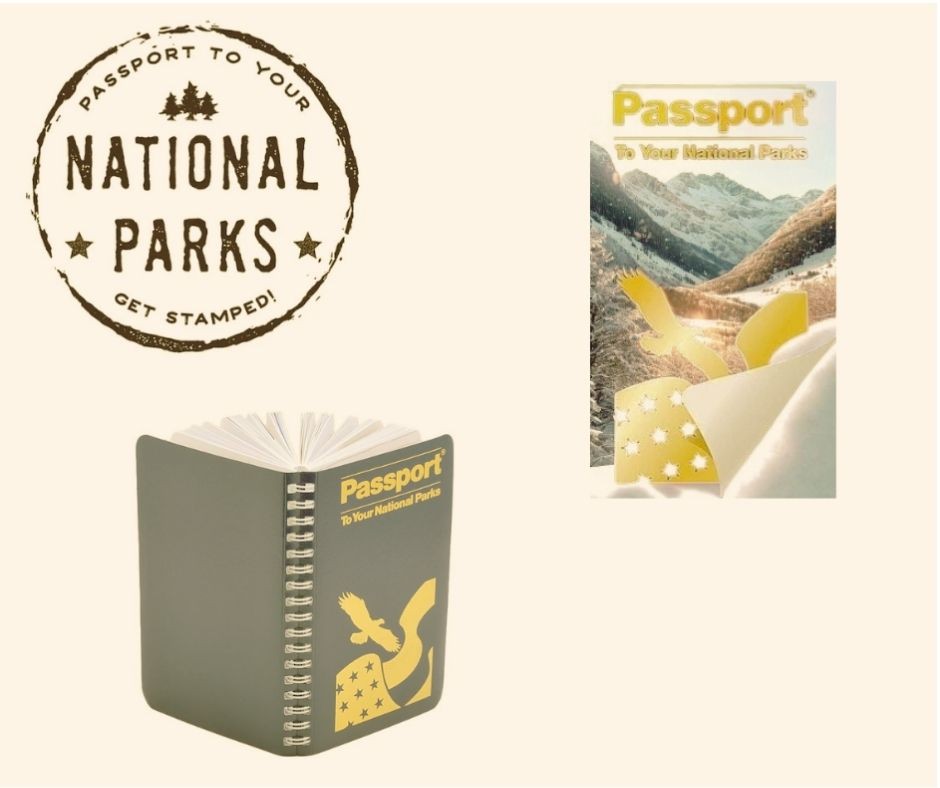
Because pass rules, eligibility requirements, and pricing can change, this guide avoids treating dollar amounts as permanent. Instead, it explains the major pass types, who may qualify, what the passes usually cover, what they may not cover, and why they are especially useful for campervan travelers.
Why a National Park Pass Matters
A federal recreation pass can quickly become one of the most useful items in a traveler's glove box. Many national parks and federal recreation areas charge entrance or standard day-use fees. For someone visiting only one park, paying at the entrance station may be simple enough. But for travelers visiting multiple parks, forests, monuments, recreation areas, or historic sites in a year, a pass can save time and money.
For campervan travelers, the value is even greater. A single road trip might include a national park, a national forest scenic drive, a wildlife refuge, a historic site, a lakeshore, and a Bureau of Land Management recreation area. Having the right pass makes it easier to say yes to detours and unplanned stops along the way.
Passes are also helpful because they encourage people to explore beyond the most famous parks. While places like Yellowstone, Grand Canyon, Yosemite, Great Smoky Mountains, and Acadia receive much of the attention, the pass program also applies to many lesser-known federal recreation sites that can be just as rewarding for road-trippers.
What the America the Beautiful Pass Usually Covers
The America the Beautiful pass series generally covers entrance fees at national parks and national wildlife refuges. It also generally covers standard amenity or day-use fees at many sites managed by agencies such as the U.S. Forest Service, Bureau of Land Management, Bureau of Reclamation, and U.S. Army Corps of Engineers.
At parks that charge by private vehicle, the pass typically covers the pass holder and passengers in a non-commercial vehicle. At sites that charge per person, the pass may cover the pass holder and a set number of accompanying adults, depending on site rules. Children under a certain age are often admitted free, but travelers should always check the current rules for the site they plan to visit.
The important point is this: the pass is most useful for entrance and standard day-use access. It is not a universal all-access ticket for every activity or service on federal lands.
What These Passes May Not Cover
One common misunderstanding is assuming that a national park pass covers everything once you arrive. It usually does not.
Federal recreation passes may not cover camping fees, reservation fees, special tours, timed-entry reservations, parking managed by a separate authority, ferry fees, concession-operated services, museum admission where the pass is not accepted, or expanded amenity fees. Some passes, such as the Senior Pass and Access Pass, may provide discounts on certain expanded amenity fees at some locations, including camping, boat launches, swimming, or guided tours. However, those discounts are not universal and should be confirmed locally.
For campervan travelers, this distinction matters. A pass may cover the entrance fee to a park, but campground reservations, campsite fees, dump stations, showers, or special permits may still be separate.
Annual Passes for Frequent Visitors
The standard annual pass is designed for people who visit federal recreation sites often but do not qualify for a specialized pass. It is especially useful for travelers planning multiple national park or public land visits within a year.
This pass can make sense for couples, families, long-distance road-trippers, photographers, hikers, and campervan travelers who expect to visit several fee areas. Even if a traveler does not have one major national park trip planned, several smaller visits to federal sites can add up quickly.
Recent updates have created separate annual pass categories for residents and non-residents. Because these policies and prices can change, travelers should confirm current details through the National Park Service, USGS Store, or Recreation.gov before purchasing.
The Senior Pass: Annual and Lifetime Options
The Senior Pass is one of the most valuable options in the federal pass program. It is available to U.S. citizens and permanent residents who meet the age requirement. Senior travelers may choose an annual pass or a lifetime pass.
For retirees, snowbirds, and frequent road-trippers, the lifetime version is often especially appealing. It can support years of travel to national parks, national forests, historic sites, wildlife refuges, monuments, and scenic federal recreation areas.
The Senior Pass may also provide discounts on some expanded amenity fees at certain locations. These may include camping, swimming, boat launching, or guided tours, depending on the site. Because discounts vary, it is always wise to check with the specific park, campground, or recreation area before assuming a discount applies.
For campervan travelers, the Senior Pass can become part of a long-term travel strategy. It supports seasonal road trips, shoulder-season camping, national park visits, and public lands exploration without repeatedly paying entrance fees at every stop.
Military Passes for Service Members, Veterans, and Gold Star Families
Current U.S. military members and their dependents, U.S. military veterans, and Gold Star Families may qualify for free America the Beautiful military passes. Current service members and dependents are generally eligible for a Military Annual Pass, while veterans and Gold Star Families may qualify for a Military Lifetime Pass.
These passes honor service while encouraging military families and veterans to explore America's public lands. They can be especially meaningful for veterans who enjoy national parks, historic sites, public campgrounds, fishing, hiking, scenic drives, and road trips.
Eligibility documentation may be required, and the process can vary depending on whether the pass is obtained online or in person. Veterans and service members should check current requirements before ordering or visiting a pass-issuing location.
The Access Pass for Visitors with Permanent Disabilities
The Access Pass is a lifetime pass for U.S. citizens or residents who have been medically determined to have a permanent disability. It provides access to thousands of federal recreation sites and may provide discounts on certain expanded amenity fees at some locations.
The Access Pass is an important part of making public lands more accessible. For eligible travelers, it can reduce the cost of exploring national parks, wildlife refuges, national forests, historic sites, and other federal recreation areas.
As with the Senior Pass, discounts on camping and other expanded amenities are not always the same at every location. Travelers should check site-specific rules before making reservations or assuming a discount applies.
Every Kid Outdoors Pass
The Every Kid Outdoors Pass encourages fourth grade students and their families to experience public lands. It provides a way for families to visit national parks and federal recreation areas during a child's fourth grade year.
This pass can be a great reason to plan a family road trip, introduce children to hiking and camping, or build a vacation around national parks, historic sites, or wildlife refuges. For families traveling by campervan, it can turn a school-year benefit into a memorable outdoor education experience.
The Volunteer Pass
The Volunteer Pass is available to people who contribute qualifying volunteer hours at participating federal recreation sites. It recognizes the work of volunteers who help maintain, protect, and support public lands.
For travelers who spend significant time on the road, volunteering can be a meaningful way to give back. Campground hosting, trail work, visitor services, habitat restoration, interpretation, and site maintenance all help keep public lands available for others.
Those interested in earning a Volunteer Pass should check with participating federal agencies and local sites to understand current hour requirements and qualifying service opportunities.
Where to Get a National Park or Federal Recreation Pass
Passes can often be obtained online or in person. Online options may include the USGS Store and Recreation.gov, depending on the pass type and whether the traveler wants a physical or digital pass. Many federal recreation sites also issue certain passes in person, though availability varies by location.
Ordering online can be convenient, but travelers should allow enough time for processing and delivery if they need a physical pass before a trip. In-person purchase or pickup can be useful when beginning a trip near a national park or federal recreation office, but not every site issues every pass type.
Proof of eligibility may be required for Senior, Military, Access, Every Kid Outdoors, and Volunteer passes. Requirements can include proof of age, residency, citizenship, military status, disability documentation, school-year eligibility, or verified volunteer hours.
Digital Passes and Physical Passes
Federal recreation passes have increasingly become available in both physical and digital formats. A physical pass can be useful for travelers who prefer something visible at entrance stations or who visit areas with limited cell service. A digital pass can be convenient for those who prefer to manage travel documents on a phone.
Campervan travelers should think about how and where they travel. If you often visit remote parks, national forests, or areas with unreliable service, a physical pass may still be worth carrying. If you use digital passes, make sure you understand whether offline access is available and whether the site accepts that format.
Many travelers keep a physical pass in the vehicle so it is always available for spontaneous stops.
Why These Passes Are Especially Useful for Campervan Travelers
Campervan travel is built around flexibility. A road trip may begin with one destination in mind but change along the way because of weather, road conditions, campground availability, scenic detours, or an interesting sign pointing toward a historic site or recreation area.
A federal recreation pass supports that kind of travel. It removes some of the hesitation around unplanned stops and encourages travelers to explore more places. For Mini-T Campervan owners, the combination of a compact vehicle and a public lands pass can make travel feel more open-ended and practical.
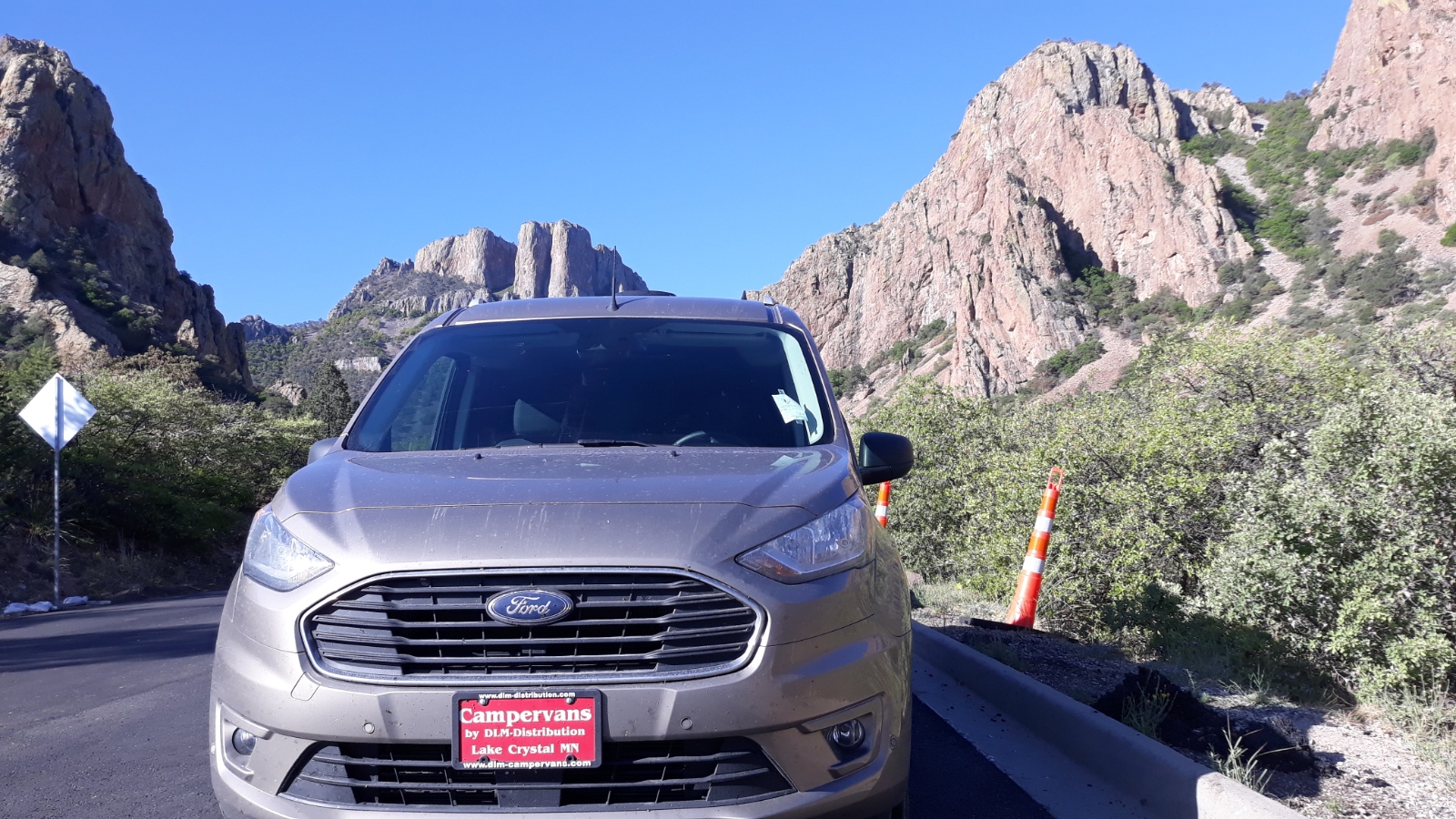
A compact campervan is easy to park at visitor centers, scenic overlooks, trailheads, historic sites, picnic areas, and campground loops. A national park pass makes it easier to include those places in the route. Together, they encourage the kind of travel many people enjoy most: simple, flexible, scenic, and full of worthwhile stops.
Planning Tips Before You Travel
Before relying on any pass, check the official website for the specific park or recreation area you plan to visit. Confirm whether the pass is accepted, what fees it covers, whether timed-entry reservations are required, and whether camping or special-use fees are separate.
Make sure the pass is signed if required and carried by the eligible pass holder. Some passes are non-transferable and must be used by the person whose name or signature is associated with the pass.
If traveling during peak season, remember that a pass does not guarantee parking, campsite availability, or entry during capacity restrictions. Reservations, timed-entry permits, campground bookings, shuttle tickets, or vehicle permits may still be required.
For shoulder-season or off-season travel, check road conditions, campground opening dates, water availability, and visitor center hours. Public lands are accessible in many seasons, but services can vary widely.
Which Pass Is Right for You?
The best pass depends on who you are and how you travel.
If you visit federal recreation sites frequently but do not qualify for a specialized pass, an annual pass may be the right fit.
If you are an eligible senior traveler, the Senior Pass may be one of the best long-term values in outdoor travel.
If you are a current service member, veteran, dependent, or Gold Star Family member, a Military Pass may provide free access to many federal recreation lands.
If you have a qualifying permanent disability, the Access Pass may provide lifetime access and possible discounts at many sites.
If you have a fourth grader in the family, the Every Kid Outdoors Pass can help introduce a child to national parks and public lands.
If you volunteer regularly with federal recreation agencies, the Volunteer Pass may be a meaningful benefit.
Final Thoughts
National park and federal recreation passes are more than discounts. They are invitations to explore the country more often and with fewer barriers. They encourage road trips, family travel, veteran travel, retirement travel, educational trips, hiking, camping, scenic drives, and visits to places that help tell America's natural and cultural story.
For campervan travelers, the right pass belongs alongside maps, campground reservations, hiking shoes, and a flexible itinerary. It can turn a planned trip into a richer journey by making it easier to stop at the places you might otherwise drive past.
Whether you qualify for a Senior Pass, Military Pass, Access Pass, Every Kid Outdoors Pass, Volunteer Pass, or standard annual pass, the goal is the same: get outside, explore public lands, and make more memories along the way.
Safe Travels and Happy Camping!

DLM-Distribution / Campervans is a licensed manufacturer and dealer located in Lake Crystal, Minnesota, serving clients around the country.
Contact Dave: 651-285-7089 or Candy: 507-382-9446 today!