
Exploring Oregon: From Rugged Coastlines to Volcanic Peaks
Some states are defined by a single landmark. Oregon is defined by the road between them.
A morning may begin beside crashing Pacific waves, continue through evergreen forests and fertile valleys, climb into volcanic mountains, and end beneath a sky filled with stars over the high desert. Few places in North America offer such dramatic changes in scenery within a single day’s drive, making Oregon one of the country’s most rewarding destinations for travelers who enjoy discovering what lies around the next bend.
It is also a state that rewards flexibility. Some of the best memories are not created by following a rigid itinerary, but by stopping at an unexpected waterfall, lingering in a small coastal town, choosing the scenic highway instead of the faster route, or deciding that one more night beside a mountain lake sounds better than continuing on. Oregon has a remarkable way of encouraging travelers to slow down and enjoy the journey as much as the destination.
The Oregon Coast: America’s Scenic Edge
The Oregon Coast stretches for more than 360 miles, but its appeal is not measured only by distance. Highway 101 winds through fishing villages, historic lighthouses, forested headlands, quiet state parks, and beaches where enormous sea stacks rise from the surf. Around nearly every bend, another overlook or side road offers a reason to stop.
Cannon Beach remains one of Oregon’s most photographed destinations, with Haystack Rock standing just offshore. Nearby Ecola State Park adds forested trails and sweeping coastal views, while communities such as Tillamook, Newport, Florence, and Bandon each bring their own character to the journey. Farther south, the Samuel H. Boardman State Scenic Corridor reveals rugged cliffs, natural bridges, secluded coves, and some of the most dramatic shoreline in the Pacific Northwest.
The beauty of the Oregon Coast is not found in one famous beach. It is found in the rhythm of the drive itself. Scenic overlooks appear without warning, tide pools invite exploration, fishing boats return to working harbors, and nearly every small town offers another reason to linger. Many travelers discover that the coast is less about reaching a destination than enjoying everything between them.
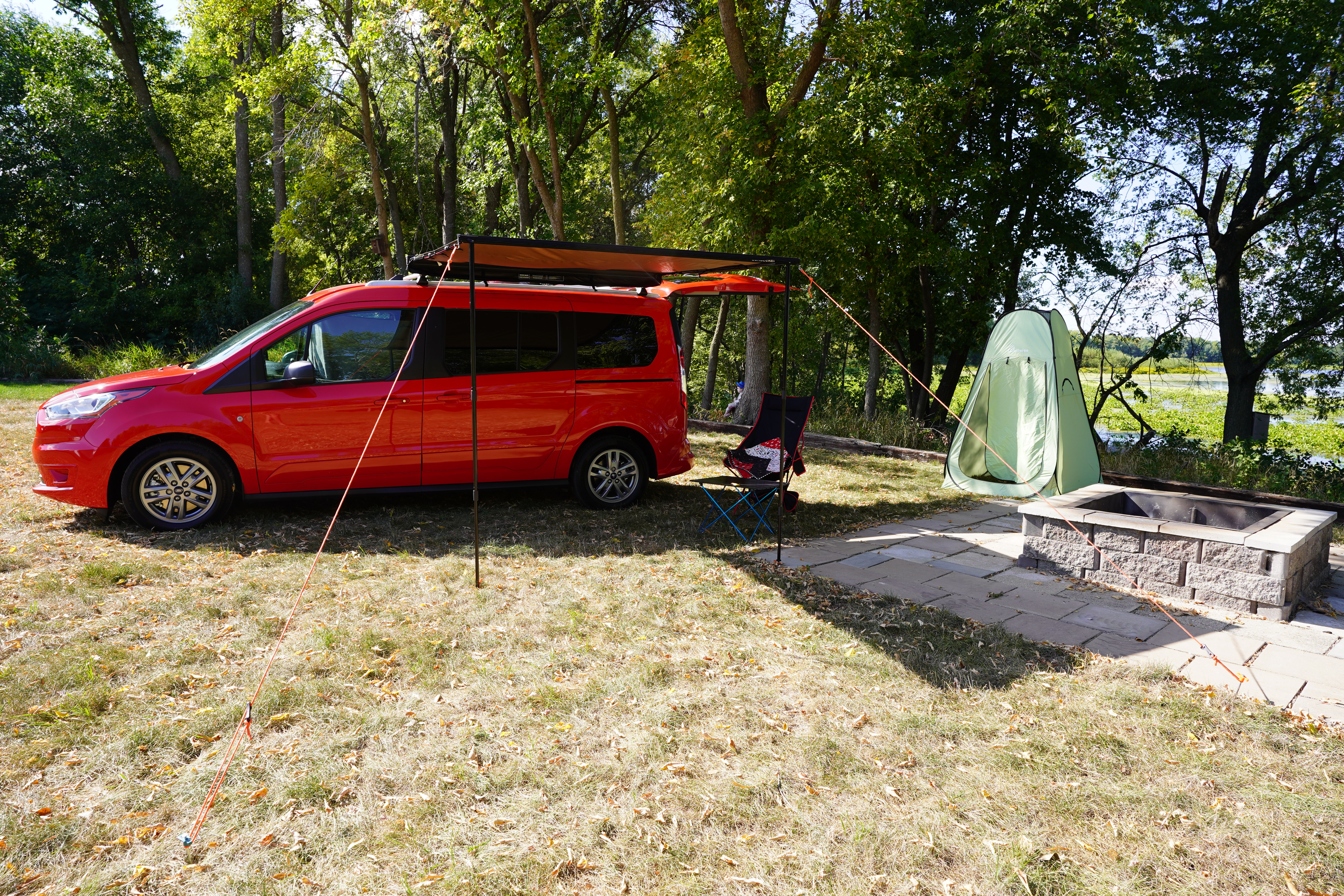
A smaller campervan is particularly comfortable along this route. It is easier to enter scenic pullouts, navigate coastal communities, visit historic downtowns, and settle into older campgrounds without feeling limited by vehicle size. That freedom makes it natural to stop whenever the view, weather, or mood suggests it.
Beyond the Coast: Oregon’s Volcanic Heart
Leaving the Pacific behind, the Cascade Mountains reveal another side of Oregon. Snow-capped volcanoes rise above forests, rivers, and mountain lakes, creating countless opportunities for hiking, wildlife viewing, fishing, paddling, and camping. The transition from coast to mountains can happen surprisingly quickly, yet the landscape feels entirely different.
Crater Lake National Park is one of the state’s defining destinations. Formed by the collapse of Mount Mazama thousands of years ago, the lake is surrounded by steep caldera walls and filled with water of an almost impossible blue. Driving Rim Drive reveals changing perspectives throughout the day, while trails, overlooks, and picnic areas encourage visitors to stay far longer than they may have planned.
Farther north, Mount Hood rises above forests, rivers, and alpine meadows that change dramatically with the seasons. Scenic highways circle the mountain, connecting historic lodges, trailheads, lakes, and recreation areas. Nearby Bend has become one of Oregon’s premier outdoor communities, offering convenient access to lava fields, mountain biking, paddling, fishing, and the spectacular Cascade Lakes Scenic Byway.
These mountain regions are especially rewarding for travelers who resist the urge to hurry. A trail that looks like a quick stop may lead to a waterfall or alpine viewpoint. A lakeside picnic area may become the place where the afternoon disappears. In Oregon, unplanned time often becomes the most memorable part of the trip.

Waterfalls, Rivers, and Scenic Highways
The Columbia River Gorge reminds travelers that sometimes the road itself is the destination. Historic bridges, towering cliffs, waterfalls, and sweeping river views appear one after another along routes that encourage frequent stops. The Historic Columbia River Highway remains one of America’s classic scenic drives, combining natural beauty with remarkable early road engineering.
Multnomah Falls is deservedly famous, but it is only one part of the experience. Smaller waterfalls, short hiking trails, historic structures, and quiet viewpoints throughout the Gorge often become equally memorable. Hood River adds another dimension with its riverfront setting, orchards, restaurants, and views of the surrounding mountains.
Silver Falls State Park offers an entirely different waterfall experience. The Trail of Ten Falls carries hikers through a lush forest and, in several places, behind the falling water itself. Even visitors who do not complete the full loop can experience some of the park’s most impressive scenery on shorter trail sections.
These are the kinds of places where flexibility becomes valuable. A beautiful trail, an inviting picnic area, or an unexpected overlook often deserves more time than the original schedule allowed. Traveling with a place to eat, rest, and sleep close at hand makes it easier to follow that instinct.
Discovering Oregon’s High Desert
Many first-time visitors never venture east of the Cascades, yet Oregon’s high desert is among its greatest surprises. The forests gradually give way to sagebrush plains, colorful rock formations, open ranchland, and distant mountain ranges. Roads become quieter, horizons broaden, and the night sky grows noticeably darker.
Smith Rock State Park rises dramatically above the Crooked River and attracts hikers, photographers, and climbers from around the world. Trails range from gentle riverside walks to steep climbs that reveal broad views across central Oregon. The landscape feels sculpted rather than merely formed, with cliffs, spires, and ridgelines changing color throughout the day.
Farther east, the Painted Hills and John Day Fossil Beds National Monument reveal geological layers that tell millions of years of Earth’s history. The colors of the hills shift with changing light and moisture, while nearby fossil exhibits and trails add context to a landscape that might otherwise seem almost otherworldly.
Eastern Oregon rewards travelers willing to move more slowly and plan with a little care. Fuel, food, and services may be farther apart than they are along the coast or in the Willamette Valley, but that remoteness is part of the experience. Wide-open landscapes, quiet roads, and star-filled skies create an Oregon far removed from the state’s more familiar images.
Wine Country, Historic Towns, and Local Discoveries
The Willamette Valley has earned international recognition for its wineries, particularly Pinot Noir, but the region offers much more than wine tasting. Rolling farmland, covered bridges, farmers markets, locally owned restaurants, and welcoming towns create an atmosphere that encourages visitors to slow their pace.
McMinnville provides a walkable historic center and convenient access to surrounding vineyards. Silverton offers small-town character near Silver Falls State Park. Hood River combines outdoor recreation with orchards and a lively downtown, while Ashland and Jacksonville bring theater, history, gardens, and distinctive architecture to southern Oregon.
These communities are not simply stops between larger attractions. They are places where a road trip begins to feel personal. A conversation in a café, a local museum, a produce stand, or an evening walk through a historic downtown can become as memorable as the scenery that first inspired the journey.
Scenic Roads Worth Following
Oregon is filled with roads that deserve to be traveled for their own sake. Highway 101 follows the Pacific through coastal forests and seaside communities. The Historic Columbia River Highway links waterfalls and river overlooks. The Cascade Lakes Scenic Byway passes alpine lakes beneath volcanic peaks, while the Volcanic Legacy Scenic Byway connects central and southern Oregon landscapes shaped by fire, ice, and time.
Other routes, including McKenzie Pass, reveal lava fields, mountain viewpoints, forests, and rivers within relatively short distances. Seasonal closures can affect some high-elevation roads, so checking conditions before departure is important. When the roads are open, choosing the scenic route often transforms a simple drive into one of the best parts of the trip.
Camping Across Oregon
Oregon’s network of national forests, state parks, national park campgrounds, and public lands makes camping one of the most rewarding ways to experience the state. Oceanfront campgrounds, mountain forests, lakeside campsites, river valleys, and high-desert parks each provide a completely different setting while remaining connected by memorable roads.
Choosing where to spend the night often becomes one of the most enjoyable decisions of the trip. One evening may be spent listening to waves roll onto the beach. The next may find you beneath towering Douglas firs, beside a mountain lake, or overlooking a quiet river. Oregon’s campground diversity is every bit as impressive as its scenery.
Many coastal and state park campgrounds fill quickly during summer, making reservations worthwhile when a specific destination or date matters. National forests and less heavily traveled inland areas may provide quieter alternatives, particularly for travelers who are comfortable keeping their plans flexible. Campground services vary considerably, and some of the most scenic sites offer few or no hookups.
A self-contained campervan makes those quieter campsites easier to enjoy. With onboard conveniences and the ability to camp comfortably without depending on hookups, some of Oregon's most memorable campgrounds become practical options rather than places to simply drive past. Solar-supported power, onboard conveniences, and the ability to travel without depending on full hookups open the door to places where the surroundings are the primary amenity.
When to Travel
Summer offers the most dependable access to mountain roads, campgrounds, and high-elevation trails, but it is also the busiest season. Spring brings waterfalls, wildflowers, and greener landscapes, although snow may linger in the Cascades and some roads can remain closed. Autumn often provides mild days, changing foliage, fewer crowds, and a slower pace throughout much of the state.
Winter can be beautiful along the coast and in Oregon’s cities, while the mountains become destinations for skiing, snowshoeing, and other cold-weather recreation. Travelers crossing the Cascades should be prepared for rapidly changing conditions and seasonal traction requirements.
Weather can vary dramatically at any time of year. It is entirely possible to begin the morning beside a cool, foggy Pacific Ocean, spend the afternoon crossing a sunny mountain pass, and finish the evening beneath clear desert skies. Packing layers and leaving room in the itinerary for changing conditions makes the journey more comfortable.
Wildfire smoke and temporary closures can also affect summer and early autumn travel. Checking current road, park, and forest conditions before moving into remote areas is a sensible part of planning, especially when traveling east of the Cascades or through heavily forested regions.
Why Oregon Is So Well Suited to Campervan Travel
Oregon rewards curiosity. Scenic pullouts appear around unexpected bends. Small museums, local cafés, hiking trails, waterfalls, and roadside viewpoints regularly tempt travelers to change their plans. A campervan makes those decisions easier because transportation, basic cooking facilities, and a comfortable place to spend the night travel together.
The Mini-T Campervan is particularly well suited to Oregon’s varied roads and campgrounds. Its smaller footprint is comfortable in coastal communities, mountain passes, scenic overlooks, historic downtowns, and campsites originally designed before oversized RVs became common. It provides the conveniences that make extended travel enjoyable without separating travelers from the places they came to experience.
Whether spending the night beside the Pacific, beneath towering Douglas firs, near a volcanic lake, or under the stars of the high desert, the focus remains where it belongs—on the landscape, the journey, and the memories taking shape along the way.

Every Visit Reveals Another Oregon
Few travelers experience all of Oregon in a single visit, and that is precisely what keeps people returning. One journey may revolve around lighthouses and coastal sunsets. The next may explore volcanic landscapes, waterfalls, mountain lakes, vineyards, or quiet high-desert roads where traffic is measured in minutes rather than seconds.
Traveling by campervan makes those opportunities easier to embrace. Rather than watching Oregon pass through the windshield on the way to a hotel reservation, you become part of the landscape itself. You have the freedom to stay a little longer when a place exceeds expectations, take the scenic road simply because it looks interesting, and wake the next morning already surrounded by the destination you came to experience.
Long after individual campgrounds, scenic highways, and trail names begin to fade from memory, you'll likely remember something else entirely: the feeling of watching the Pacific disappear in your mirror, standing beside a waterfall you hadn't planned to visit, or waking to the quiet stillness of an Oregon forest. That's the gift this state offers. It rewards curiosity, encourages exploration, and reminds us that the finest journeys are rarely measured only by the miles we travel, but by the moments we collect along the way.
Happy Camping!

DLM-Distribution / Campervans is a licensed manufacturer and dealer located in Lake Crystal, Minnesota, serving clients around the country.
Contact Dave: 651-285-7089 or Candy: 507-382-9446 today!