
Exploring Washington State: National Parks, Scenic Drives, and Campervan Adventures
Few states offer the geographic variety found in Washington. Within a single road trip, travelers can experience snow-covered volcanic peaks, temperate rainforests, rugged Pacific beaches, alpine lakes, island communities, and landscapes that change dramatically from one side of the Cascade Mountains to the other. The contrast between Washington's lush western forests and the drier valleys and open country east of the mountains makes exploring the state especially rewarding.
Washington is also a wonderful destination for travelers who enjoy combining scenic driving with outdoor recreation. National parks, state parks, national forests, historic communities, and waterfront destinations provide opportunities to hike, photograph wildlife, paddle quiet lakes, explore coastal trails, and discover places that might otherwise be overlooked on a more structured vacation.
Traveling by campervan makes it possible to experience these different landscapes at a comfortable pace. A morning might begin beside a mountain lake, followed by a drive through a forested mountain pass and an afternoon exploring a small town. On another day, the destination might be a rocky Pacific beach or a ferry crossing between island communities. Washington rewards travelers who allow enough time to enjoy the journey rather than simply moving from one attraction to another.
Mount Rainier National Park: Glaciers, Wildflowers, and Mountain Scenery
Mount Rainier is one of Washington's most recognizable landmarks. Rising to 14,410 feet, this active volcano dominates the surrounding landscape, with glaciers extending down its slopes and forests, rivers, waterfalls, and alpine meadows filling the valleys below. On clear days, the mountain can be seen from considerable distances, but experiencing its scale and beauty from within Mount Rainier National Park is something entirely different.
The Paradise area is especially well known for its mountain views and seasonal wildflower displays. During the warmer months, trails lead through alpine meadows with views of glaciers and surrounding peaks. Sunrise, on the northeastern side of the mountain, provides another spectacular perspective and access to high-elevation hiking opportunities when seasonal roads are open.
For visitors who enjoy forest scenery, the Ohanapecosh area offers a quieter experience among towering trees, clear streams, and moss-covered woodland. Trails in this part of the park provide an opportunity to appreciate the lower-elevation environment that is sometimes overshadowed by the mountain itself.
Mount Rainier is a destination where seasonal conditions deserve particular attention. Snow can remain at higher elevations well into summer, and some park roads close during winter. Visitors should check current road conditions, entrance requirements, campground availability, and any reservation or timed-entry policies before arriving.

Olympic National Park: Rainforests, Mountains, and the Pacific Coast
Olympic National Park offers one of the most unusual combinations of landscapes in the National Park System. Located on Washington's Olympic Peninsula, the park protects temperate rainforests, glacier-covered mountains, and stretches of wild Pacific coastline. Each environment has its own character, and exploring all three provides an excellent reason to spend several days in the region.
The Hoh Rain Forest is one of the park's most memorable destinations. Enormous trees, hanging moss, ferns, and lush vegetation create a landscape shaped by abundant rainfall. Walking through this forest feels very different from hiking in the drier mountain regions of the West. Short nature trails allow visitors to appreciate the forest at an unhurried pace, while longer routes extend deeper into the wilderness.
Along the Pacific coastline, Rialto Beach, Ruby Beach, and the Kalaloch area offer dramatic scenery where driftwood, sea stacks, rocky shorelines, and powerful ocean waves define the landscape. Tide pools can reveal fascinating marine life when conditions are suitable, although visitors should always pay attention to tides, surf, and changing coastal weather.
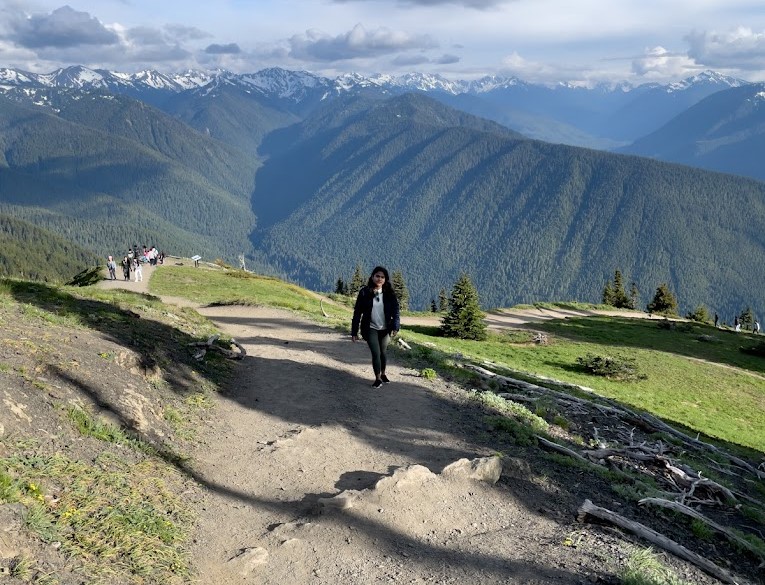
Hurricane Ridge provides yet another perspective, with mountain views and hiking opportunities above the forests below. Because Olympic National Park surrounds a large central wilderness area, traveling between its major attractions generally requires driving around portions of the peninsula rather than crossing directly through the park. Allowing several days for the Olympic Peninsula makes the experience much more enjoyable.
Deception Pass State Park and Washington's Island Country
North of Seattle, Deception Pass State Park offers a memorable combination of dramatic bridges, forested islands, rocky shorelines, and powerful tidal currents. The famous Deception Pass Bridge connects Whidbey and Fidalgo Islands across narrow waterways where changing tides create a constantly moving landscape.
The park offers hiking trails, beaches, scenic overlooks, and opportunities to enjoy the surrounding waters. Visitors can spend time walking along the shoreline, photographing the bridge from different viewpoints, or exploring the wooded trails that connect many of the park's natural features. The combination of forest and saltwater scenery makes Deception Pass one of the most distinctive state park destinations in Washington.
Whidbey Island itself is worth exploring beyond the park. Coastal communities, small harbors, historic areas, and scenic roads offer a relaxed contrast to the busier Seattle metropolitan region. The island's road network and ferry connections make it possible to incorporate the area into a larger journey around Puget Sound.
For campervan travelers, Washington's island communities add another dimension to the road trip experience. Ferry travel can be an enjoyable part of the journey, although schedules, vehicle dimensions, fares, and reservation requirements should be reviewed in advance. Popular crossings can become busy during summer weekends and holidays.

North Cascades National Park and the North Cascades Highway
One of Washington's most spectacular scenic drives follows State Route 20 through the North Cascades. Often called the North Cascades Highway, this route passes through rugged mountain country with steep forested valleys, dramatic peaks, waterfalls, and strikingly colored reservoirs.
The North Cascades National Park complex protects an extraordinary mountain landscape, much of which is accessible primarily by trail rather than road. Travelers driving the highway can still enjoy impressive views from developed overlooks and nearby recreation areas. Diablo Lake is particularly memorable for its turquoise-colored water, a result of fine glacial sediment suspended in the lake.
The drive between the western Cascade foothills and the Methow Valley reveals how dramatically Washington's scenery changes with elevation and geography. Dense forests gradually give way to more open landscapes on the eastern side of the mountains, making the journey an experience in itself.
State Route 20 is subject to seasonal winter closures through the high mountains, so this route requires planning. When open, it is an excellent addition to a Washington campervan itinerary, particularly for travelers who appreciate scenic highways and mountain photography.
Lake Wenatchee, Leavenworth, and the Eastern Cascades
Lake Wenatchee State Park provides another opportunity to enjoy Washington's mountain scenery. Surrounded by forested slopes and distant peaks, the lake offers a beautiful setting for camping, paddling, swimming, and relaxing beside the water during warmer months. Its location also makes it convenient for exploring the surrounding Cascade foothills.
The nearby community of Leavenworth is known for its Bavarian-inspired architecture, restaurants, shops, and mountain setting. While it attracts visitors throughout the year, the town is especially appealing as a stop during a scenic drive through central Washington. Travelers can enjoy a meal, walk through downtown, and explore nearby recreation areas before continuing their journey.
Farther east, Wenatchee and the Columbia River Valley introduce another side of the state. Orchards, river scenery, and the drier landscape east of the Cascades contrast sharply with the rainforests and coastal environments of western Washington.
This transition is one of the most interesting aspects of a Washington road trip. Within a relatively manageable distance, travelers can move from dense evergreen forests into open valleys and sunlit hillsides, experiencing several different environments without leaving the state.
Mount Baker-Snoqualmie National Forest: Scenic Roads and Mountain Recreation
Stretching along the western slopes of the Cascade Mountains, Mount Baker-Snoqualmie National Forest protects a vast landscape of forests, rivers, waterfalls, mountain lakes, and high-elevation recreation areas. Its proximity to several major population centers makes portions of the forest accessible for day trips, while more remote areas reward travelers who want to spend additional time exploring.
The Mount Baker Highway, State Route 542, is particularly scenic as it travels east from the Bellingham area toward the mountains. Forested valleys, river crossings, and mountain views make the drive enjoyable even for visitors who are not planning a lengthy hike. The upper portion of the route provides access to the Artist Point area when seasonal snow conditions permit.
Farther south, the Snoqualmie Pass region offers another gateway to the Cascades. Waterfalls, lakes, hiking trails, and mountain viewpoints are found throughout the surrounding national forest. Snoqualmie Falls, near the community of Snoqualmie, is a well-known regional attraction that can fit naturally into a trip through this part of Washington.
National forest travel also requires awareness of local conditions. Some roads are paved and easily accessible, while others are narrow, unpaved, or unsuitable for certain vehicles. Campground availability and road access can change with weather, maintenance, and seasonal closures. Checking individual destinations before traveling helps avoid unnecessary detours.
Seattle, the San Juan Islands, and Washington's Waterfront Communities
Washington's natural attractions are only part of the experience. Seattle offers an appealing change of pace with waterfront attractions, museums, restaurants, public markets, and views across Puget Sound. Pike Place Market, the Seattle waterfront, and the Space Needle are familiar destinations, but neighborhoods, parks, and smaller cultural attractions also make the city worth exploring.
North of Seattle, the San Juan Islands provide a different atmosphere. Accessible by ferry, islands such as San Juan, Orcas, and Lopez offer scenic roads, small communities, shoreline parks, and opportunities for kayaking and wildlife viewing. Whale-watching excursions are popular, although sightings depend on season and conditions and should never be assumed.
Other waterfront communities around Puget Sound and the Olympic Peninsula provide excellent opportunities to experience the region's maritime character. Harbors, fishing boats, historic downtown areas, and ferry terminals are part of daily life in many of these communities. For travelers who enjoy exploring beyond the most familiar tourist attractions, these stops can become some of the most memorable parts of a trip.
Planning a Washington Campervan Road Trip
Washington is well suited for campervan travel, but its geography rewards thoughtful planning. Mountain ranges, waterways, ferries, and large wilderness areas can make travel distances longer than they first appear on a map. A destination that seems relatively close in a straight line may require a substantial drive around mountains or water.
Rather than trying to visit every major attraction in a single week, consider concentrating on a few regions. An Olympic Peninsula journey could include Olympic National Park, coastal communities, and Puget Sound ferry travel. A Cascade Mountains itinerary might combine Mount Rainier, Snoqualmie Pass, Lake Wenatchee, Leavenworth, and the North Cascades Highway. Travelers with more time can connect several regions into a longer journey.
Campground reservations are particularly important near popular national parks during summer. National park campgrounds, Washington state parks, national forest campgrounds, and private RV parks provide a range of options, but amenities and vehicle restrictions vary. Some locations offer electrical hookups and developed facilities, while others provide a more rustic camping experience.
Weather also deserves attention. Western Washington can be cool and wet, particularly near the coast and in rainforest areas, while eastern Washington often experiences warmer and drier summer conditions. Mountain weather can change rapidly, and snow may affect higher elevations even when conditions are pleasant in nearby valleys.
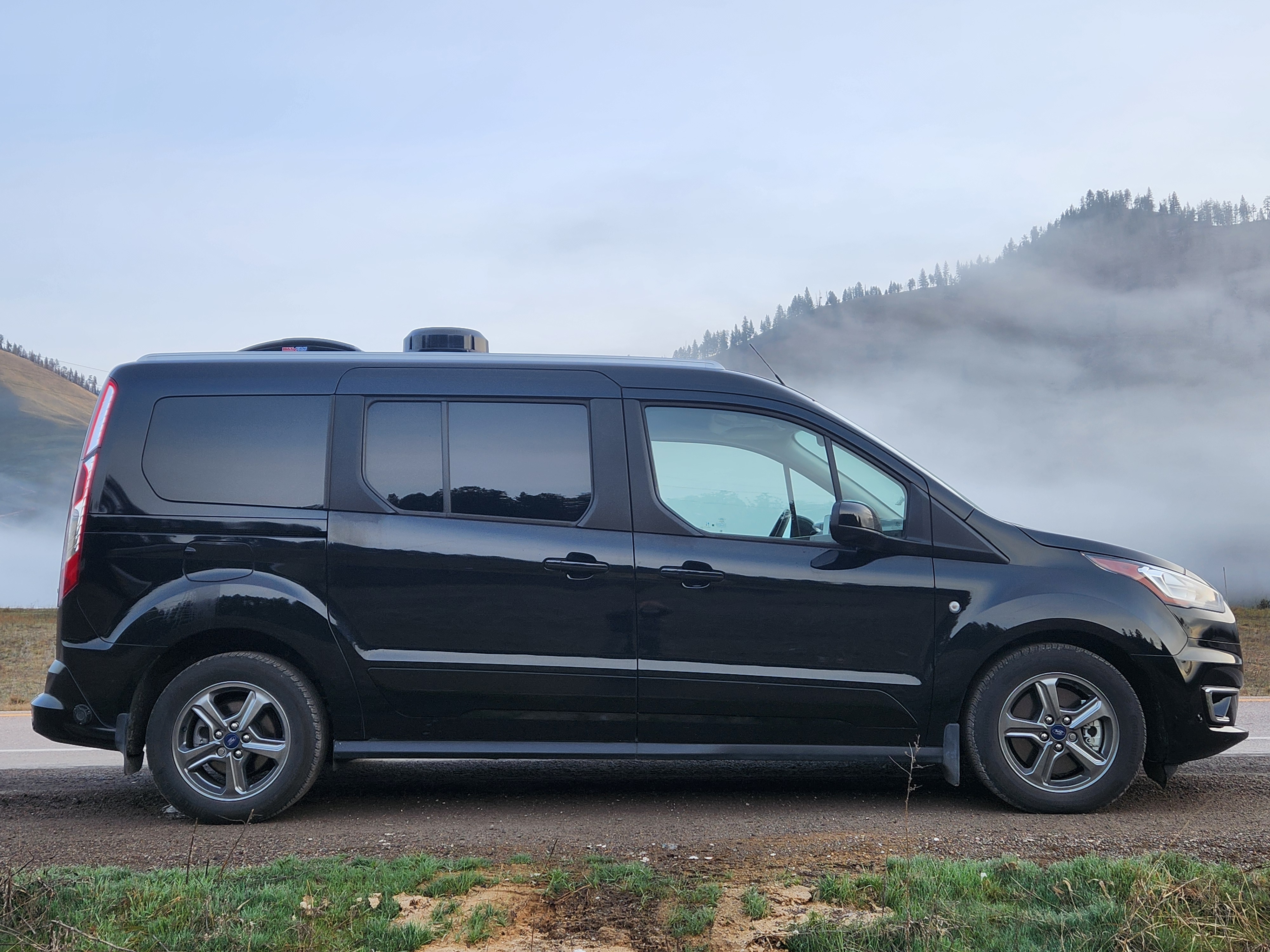
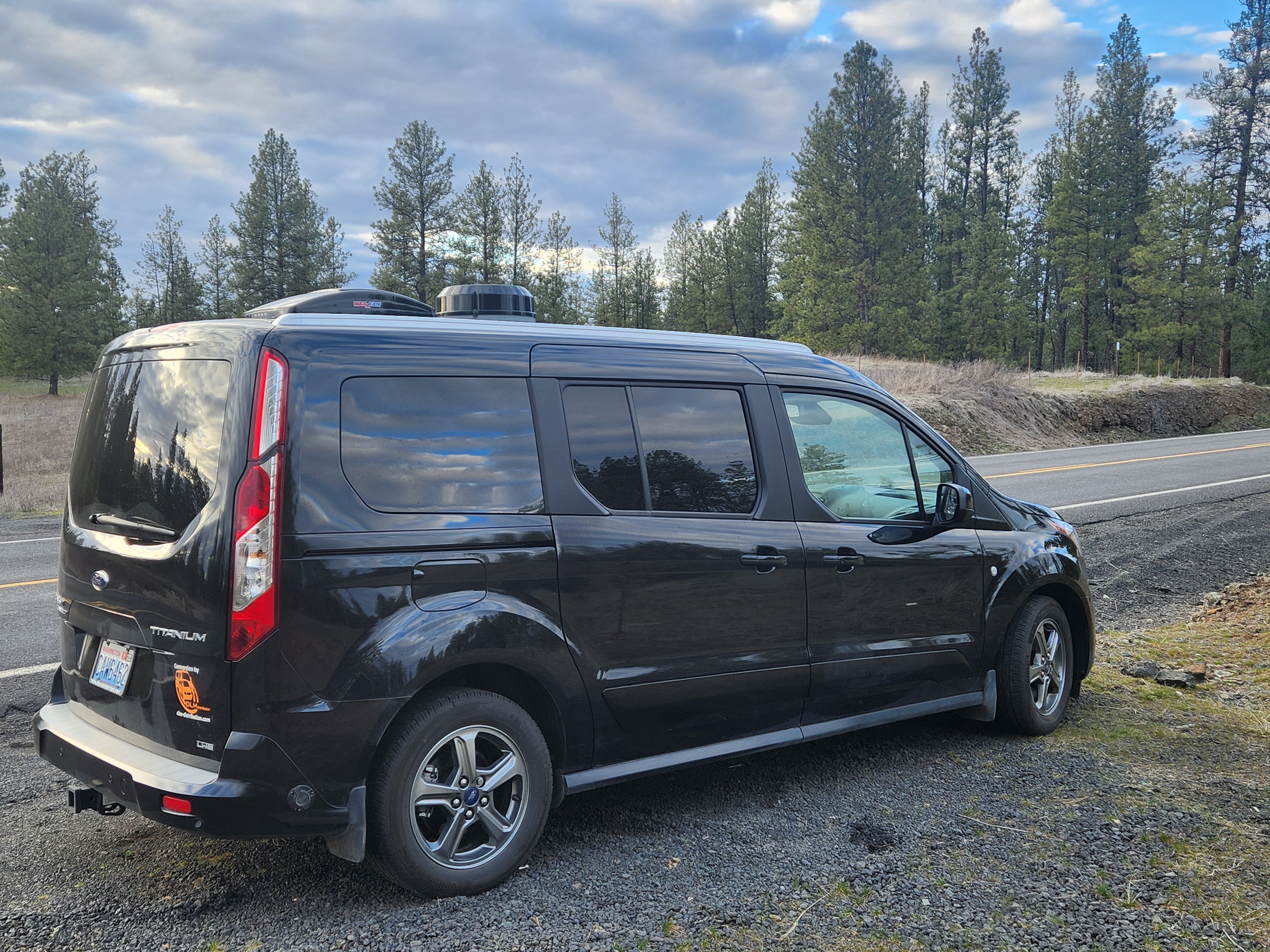
For travelers using a compact campervan such as the Mini-T Campervan, the ability to navigate scenic roads, visit towns, stop at overlooks, and use conventional parking areas adds convenience throughout the journey. A self-contained camping setup also makes it easier to enjoy different types of campgrounds, provided overnight parking and camping are permitted at the chosen location.
Before traveling, consult the National Park Service, Washington State Parks, Washington State Department of Transportation, and the appropriate national forest offices for current road conditions, camping information, and seasonal access. These details can be especially important when visiting mountain destinations or arranging ferry travel.
Discovering Washington One Scenic Road at a Time
Washington is a state that encourages exploration beyond a single destination. Its landscapes change continually, from the rugged Pacific coastline and rainforests of the Olympic Peninsula to the volcanic scenery of Mount Rainier, the dramatic North Cascades, and the open valleys east of the mountains.
Some travelers will remember the view of Mount Rainier rising above a meadow. Others may remember the quiet of an Olympic rainforest, the turquoise water of Diablo Lake, a ferry crossing through Puget Sound, or an evening beside Lake Wenatchee. Often, the most enjoyable moments are the unplanned stops along the way.
Whether visiting for a week or spending several weeks exploring, Washington offers the scenery, variety, and outdoor opportunities that make road travel so rewarding. A campervan provides a comfortable way to connect those experiences while enjoying the flexibility to discover the state at your own pace.
Happy Travels & Happy Camping!
Explore available Mini-T Campervans for your next road trip.
DLM-Distribution / Campervans is a licensed manufacturer and dealer located in Lake Crystal, Minnesota, serving clients around the country.
Contact Dave: 651-285-7089 or Candy: 507-382-9446 today!