
Campervans promise freedom, flexibility, and the ability to travel on your own schedule. But beyond the purchase price, ownership comes with ongoing costs that are easy to overlook. Insurance, storage, fuel, maintenance, and depreciation can quietly add up—especially with larger Class B campervans.
Understanding these hidden costs is essential when comparing a full-size campervan to a more practical option like the Mini-T Campervan. For many owners, the long-term difference is significant.
Maintenance and Repairs
All vehicles require upkeep, but larger Class B campervans often bring higher service costs. Increased weight, taller profiles, and complex systems can mean specialized repairs and fewer service locations.
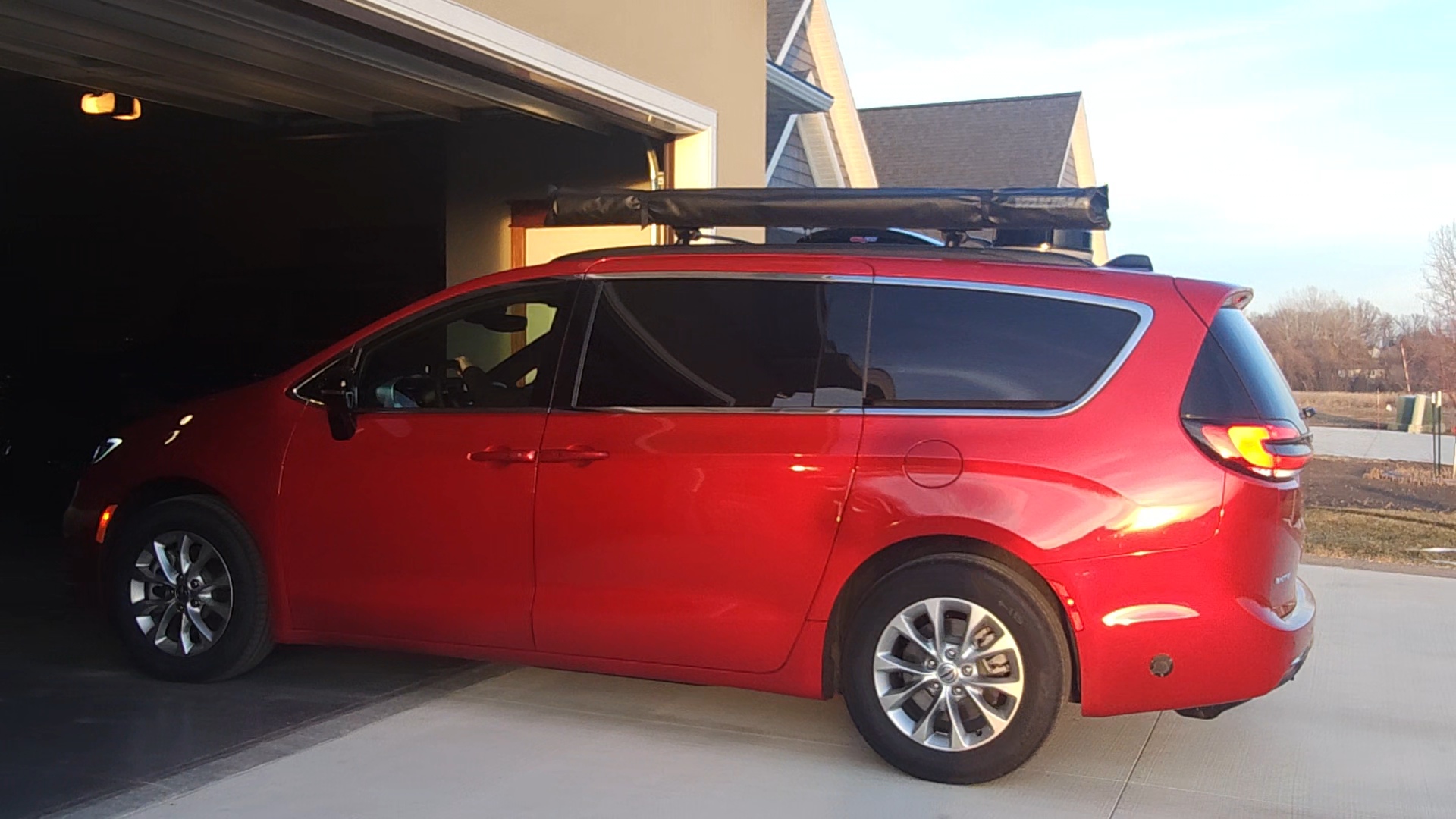
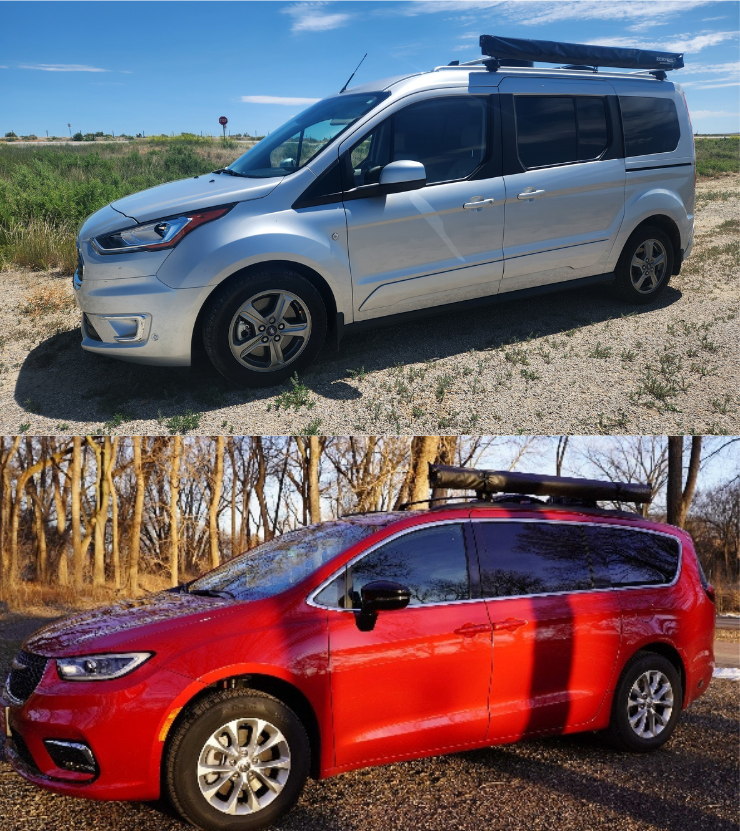
The Mini-T Campervan, built on mainstream platforms like the Ford Transit Connect, Ford Transit HR or Chrysler Pacifica, keeps maintenance straightforward. Routine service can be handled by local dealerships or trusted mechanics, parts are widely available, and labor costs are comparable to everyday passenger vehicles. Less downtime and fewer surprises translate into real savings over time.
Insurance Costs
Many full-size campervans fall into specialized RV insurance categories, often resulting in higher premiums—especially for vehicles that are driven infrequently.
The Mini-T Campervan can be insured much like a standard passenger vehicle. For many owners, this means lower premiums and simpler coverage, while also eliminating the need to insure a separate daily driver. One vehicle, one policy, fewer complications.
Storage Fees Add Up Quickly
One of the most overlooked costs of campervan ownership is storage. Most Class B campervans exceed standard garage height, forcing owners into off-site storage facilities that can cost hundreds or even thousands of dollars per year.
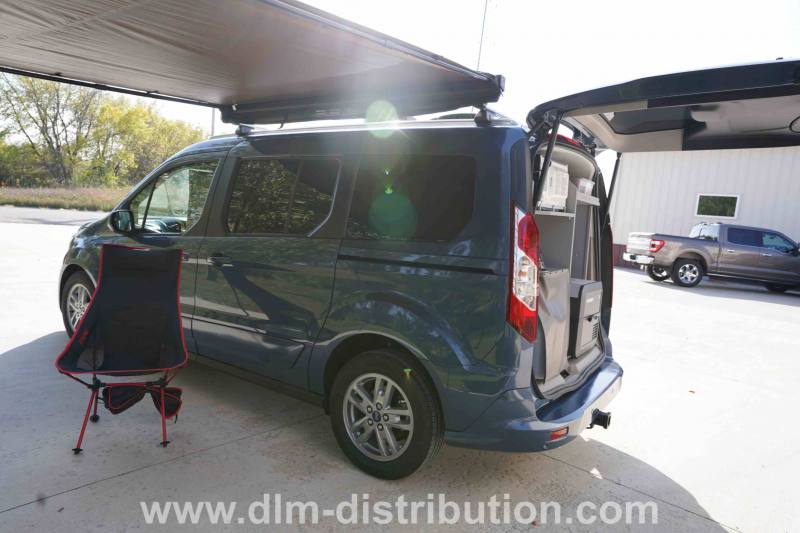
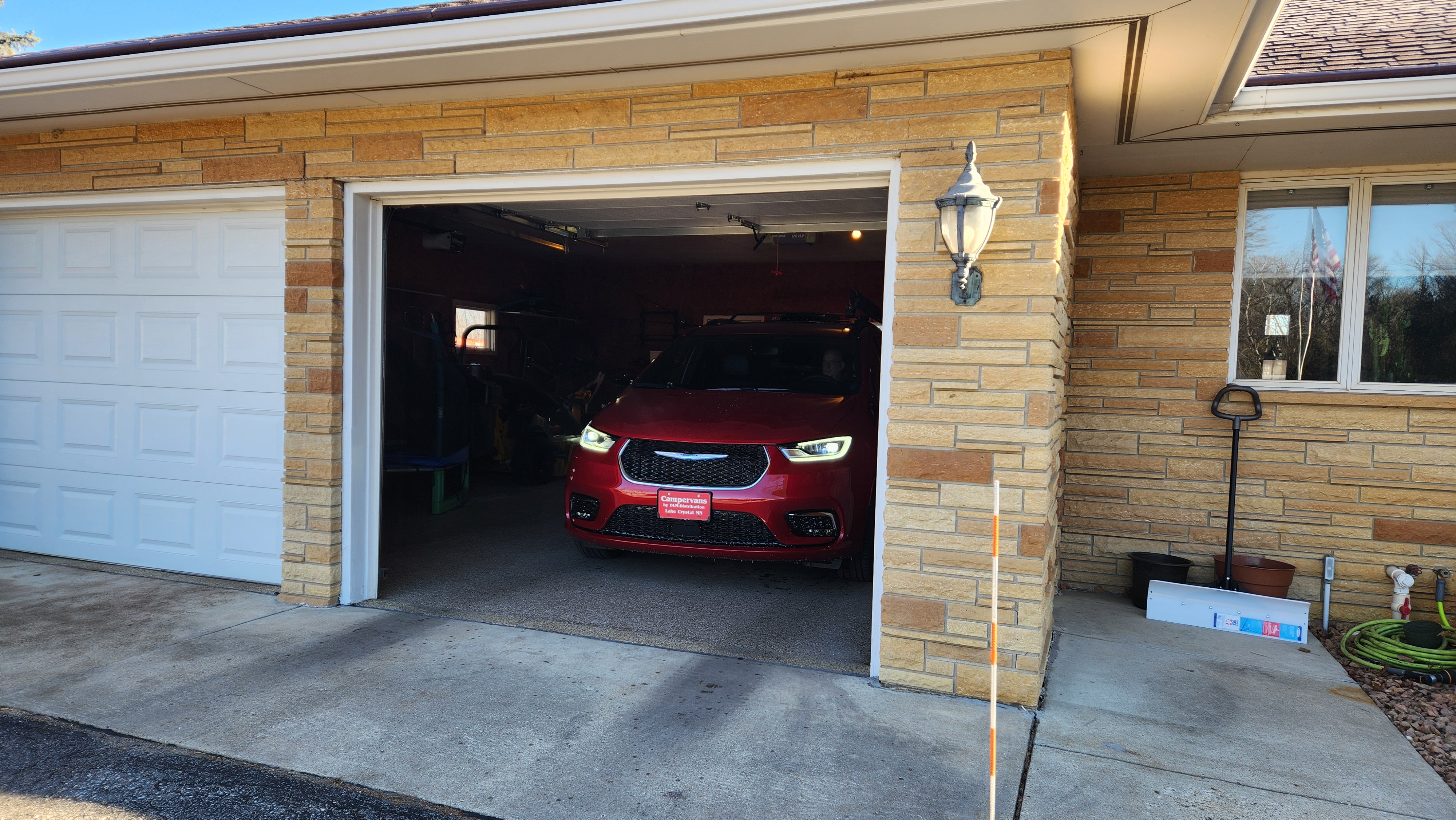
The Mini-T Campervan is designed to fit in a standard residential garage. That single factor eliminates storage fees, reduces exposure to weather, and makes spontaneous trips far more convenient. Your campervan stays at home—ready whenever you are.
Fuel Costs Over the Long Run
Fuel economy plays a major role in ownership costs, especially for people who actually use their campervan regularly. Larger campervans often average 12–16 MPG, making long trips and everyday use noticeably expensive.
The Mini-T Campervan delivers significantly better efficiency—often 17–28 MPG depending on the platform. Whether driving across town or across state lines, fuel savings accumulate quickly and make frequent travel far more realistic.
Campsite Flexibility and Fees
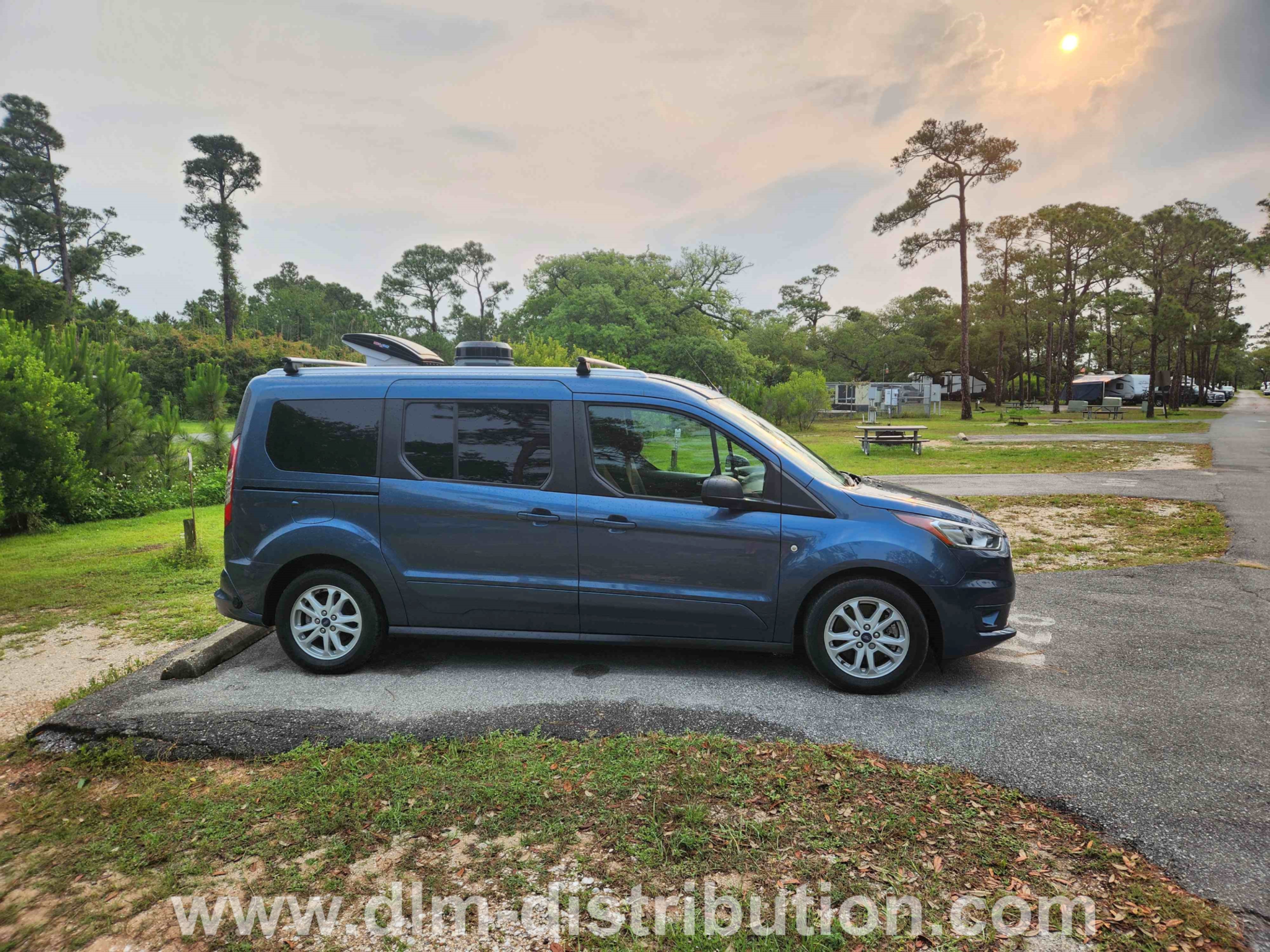
Size affects where you can stay. Larger campervans may require bigger sites, hookups, or limited campground availability—often at higher nightly rates.
With its compact footprint, the Mini-T Campervan fits into smaller campsites, primitive areas, and a wider range of public lands. More options often mean lower fees and greater flexibility, especially in state and national parks.
Depreciation and Resale Value
The Hidden Costs of Campervan Ownership: What Many Buyers Overlook
When shopping for a campervan, most buyers focus on the purchase price. While that number is important, it often represents only part of the total cost of ownership. Fuel, maintenance, insurance, storage, campground fees, and depreciation can all have a significant impact on long-term affordability.
Understanding these ongoing expenses can help travelers choose a campervan that not only fits their budget today, but also remains practical and enjoyable to own for years to come.
Maintenance Costs Add Up Over Time
Every vehicle requires routine maintenance, but costs can vary significantly depending on size and complexity. Larger campervans often include heavier-duty components, specialized systems, and larger tires, all of which can increase service and repair expenses.
Smaller campervans built on mainstream automotive platforms typically benefit from widespread parts availability and a larger network of service providers. Routine maintenance is often similar to that of everyday passenger vehicles, helping keep ownership costs more predictable.
Insurance May Cost More Than Expected
Insurance is another expense that varies considerably between vehicles. Larger RVs and campervans often require specialized coverage, which can result in higher premiums depending on location, usage, and vehicle value.
Compact campervans that can serve as both a travel vehicle and daily driver may offer additional flexibility when it comes to insurance options, potentially reducing overall ownership costs.
Storage Is Often Overlooked
One of the most commonly overlooked costs of campervan ownership is storage. Many full-size campervans exceed standard garage dimensions, requiring owners to rent off-site storage space when the vehicle is not in use.
Depending on location, storage fees can add hundreds or even thousands of dollars annually. Vehicles that fit inside a residential garage eliminate this expense while also providing protection from sun, snow, hail, and other weather-related wear.
Fuel Costs Continue Long After Purchase
Fuel economy plays a major role in the overall cost of travel. A difference of only a few miles per gallon can become significant over thousands of miles of road trips and everyday driving.
Many larger campervans average fuel economy in the low-to-mid teens, while smaller, more aerodynamic campervans can often achieve substantially higher efficiency. For travelers who spend a lot of time on the road, those savings can accumulate quickly.
Campsite Flexibility Can Save Money
Vehicle size affects more than just fuel economy. Larger campervans may require larger campsites and can sometimes face limited availability during peak travel seasons.
Compact campervans often fit comfortably into smaller campsites and are well suited for many state parks, national parks, and primitive camping areas. Greater flexibility can mean more campsite choices and, in some cases, lower nightly fees.
Depreciation Matters
Depreciation is one of the largest ownership costs associated with any vehicle. Factors such as operating costs, market demand, maintenance history, and overall practicality can all influence future resale value.
Campervans that serve multiple purposes—such as functioning as both a travel vehicle and everyday transportation—often appeal to a broader range of future buyers, which can help support long-term resale value.
The Value of Everyday Usability
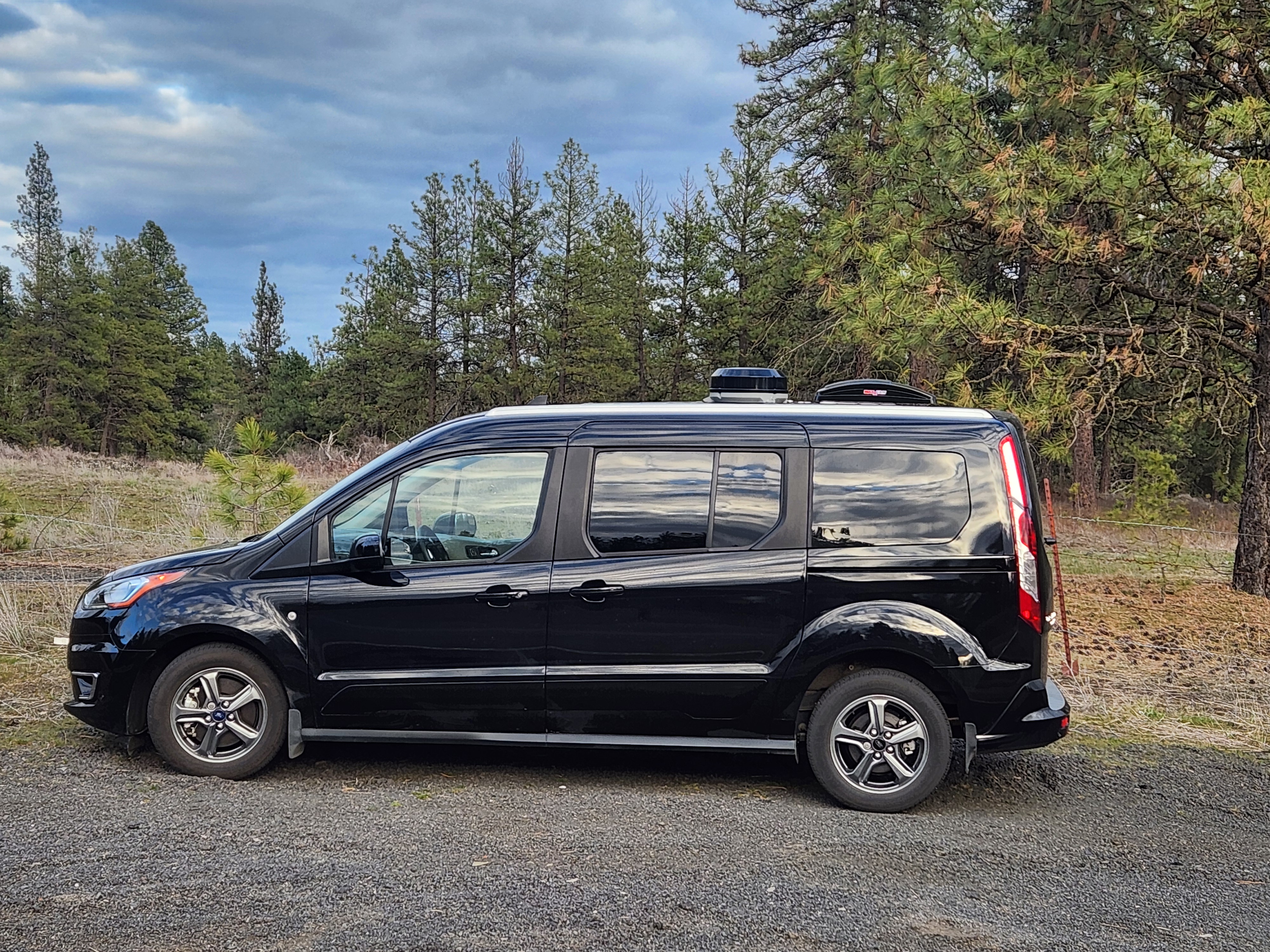
Perhaps the most overlooked ownership factor is how often a campervan actually gets used. A vehicle that is easy to drive, park, store, and maintain is more likely to become part of everyday life rather than something used only a few times each year.
Many travelers discover that convenience plays a major role in overall satisfaction. The easier a campervan is to integrate into daily life, the more opportunities it creates for spontaneous travel, weekend getaways, and everyday enjoyment.
A Practical Approach to Ownership
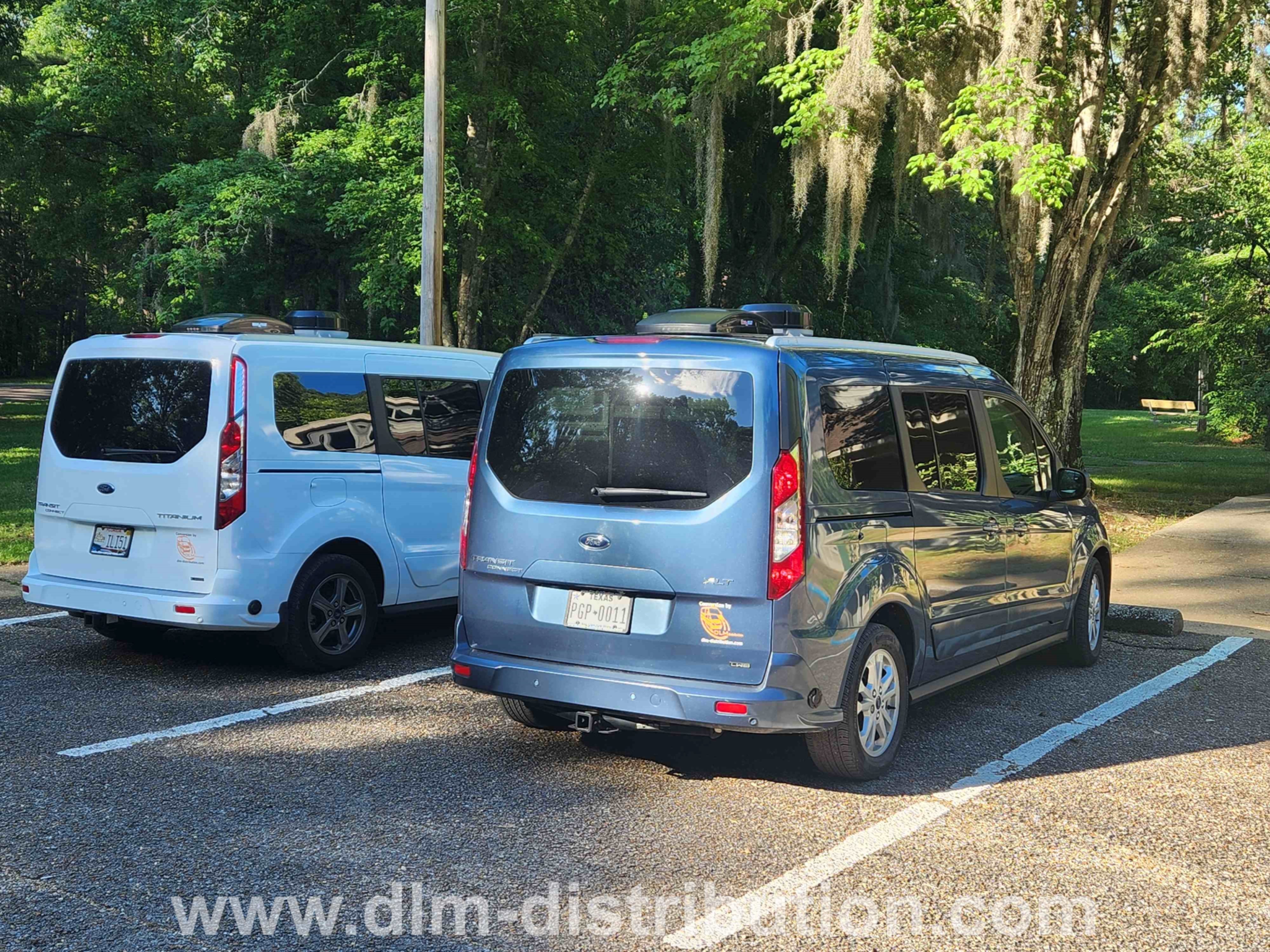
The purchase price of a campervan is only one part of the ownership equation. Storage, maintenance, fuel, insurance, depreciation, and usability all contribute to the true cost of travel.
For many travelers, compact campervans such as the Mini-T Campervan offer an appealing balance of comfort, efficiency, and affordability. Their ability to function as both a travel vehicle and an everyday vehicle can significantly reduce many of the hidden costs associated with campervan ownership.
When evaluating any campervan, looking beyond the sticker price often provides the clearest picture of long-term value.
Happy Camping!
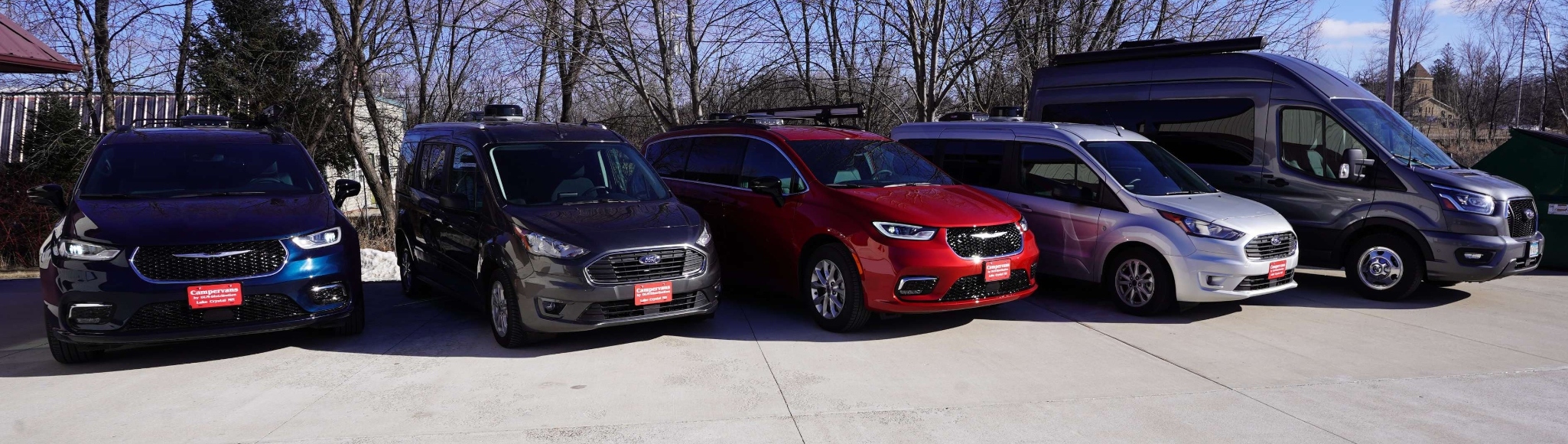
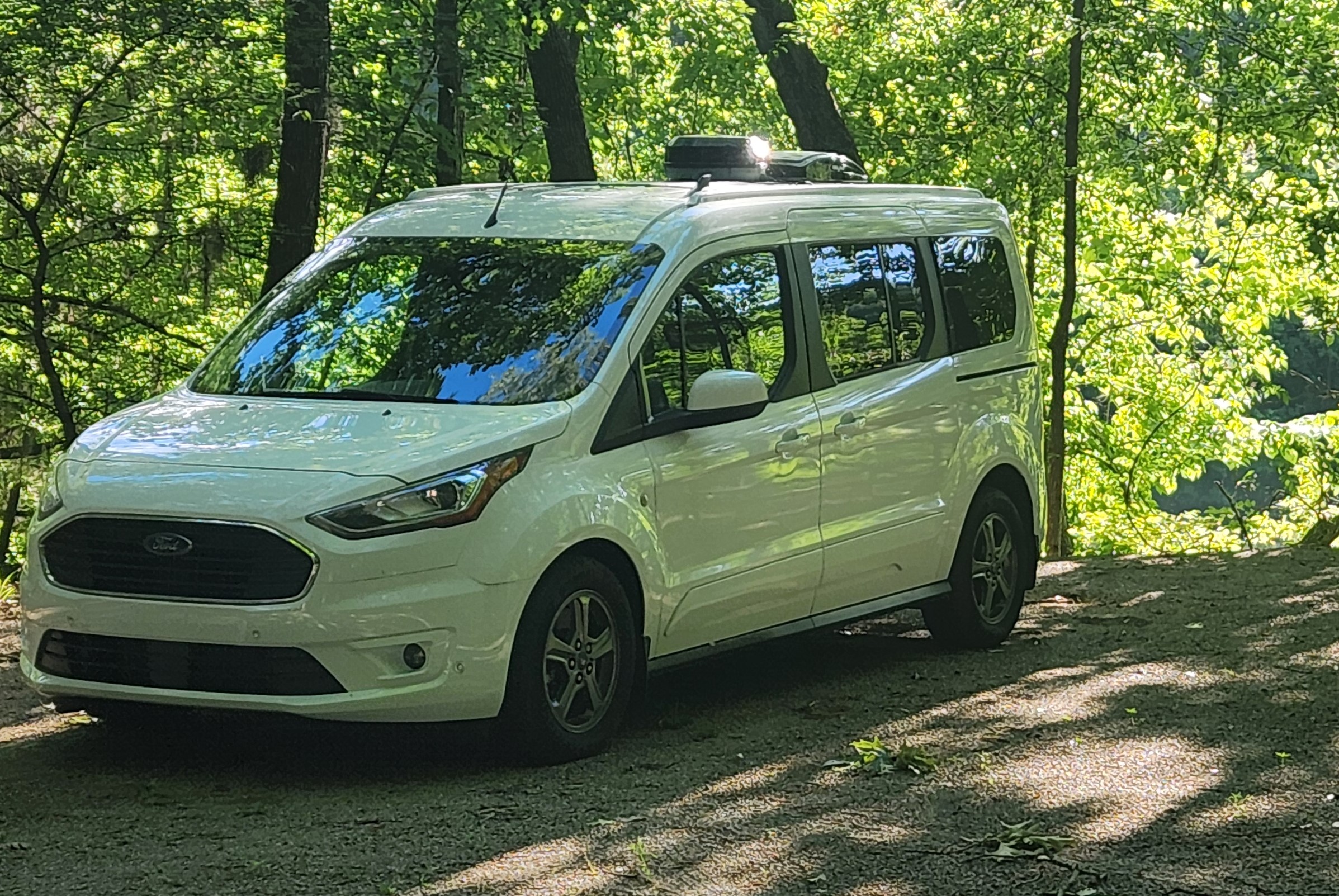
Large campervans can depreciate quickly as operating costs rise and buyer preferences shift. Their resale market is narrower, especially as fuel prices and storage challenges increase.
The Mini-T Campervan benefits from broad appeal. Its ability to function as both a daily vehicle and a travel van keeps demand strong in the pre-owned market. Practical size, efficient operation, and everyday usability help protect long-term value.
Everyday Usability Matters
A campervan that’s difficult to park or awkward to drive often sits unused. Full-size vans can feel limiting when running errands, navigating cities, or fitting into normal parking spaces.
The Mini-T Campervan drives and parks like a regular vehicle. Grocery stores, drive-throughs, downtown streets, and residential neighborhoods are all part of normal use—not obstacles. It’s a campervan you can realistically use year-round.
A Practical Approach to Campervan Ownership
Full-size Class B campervans offer space and luxury, but they also bring higher ongoing costs and limitations that many owners don’t anticipate. For those who want flexibility, lower expenses, and a vehicle that fits into everyday life, the Mini-T Campervan offers a compelling alternative.
By reducing hidden costs—storage, fuel, insurance, maintenance, and depreciation—the Mini-T delivers long-term value without giving up comfort or capability.
Designed and manufactured by DLM-Distribution, the Mini-T Campervan reflects a practical approach to travel: efficient, accessible, and built to be used—not stored.
Happy Camping!
DLM-Distribution / Campervans is a licensed manufacturer and dealer located in Lake Crystal, Minnesota, serving clients around the country.
Contact Dave: 651-285-7089 or Candy: 507-382-9446 today!