
NEWS
Will Your RV or Campervan Fit? Understanding Height, Clearance, and Everyday Access
Choosing an RV, motorhome, or campervan is exciting, but one of the most overlooked factors—vehicle height—can quickly turn ownership into a daily inconvenience. Many buyers focus on interior space or features without fully considering how the vehicle will function in real-world situations such as parking garages, drive-thrus, residential neighborhoods, or even their own driveway. If it does not fit where you live and travel, the experience changes dramatically.
Vehicle height affects far more than just where you can camp. It determines where you can park, wash your vehicle, store it at home, and confidently travel without constantly watching for clearance signs. Understanding this early in the buying process can prevent costly mistakes and ongoing frustration.
Why Vehicle Height Matters More Than Most Buyers Expect
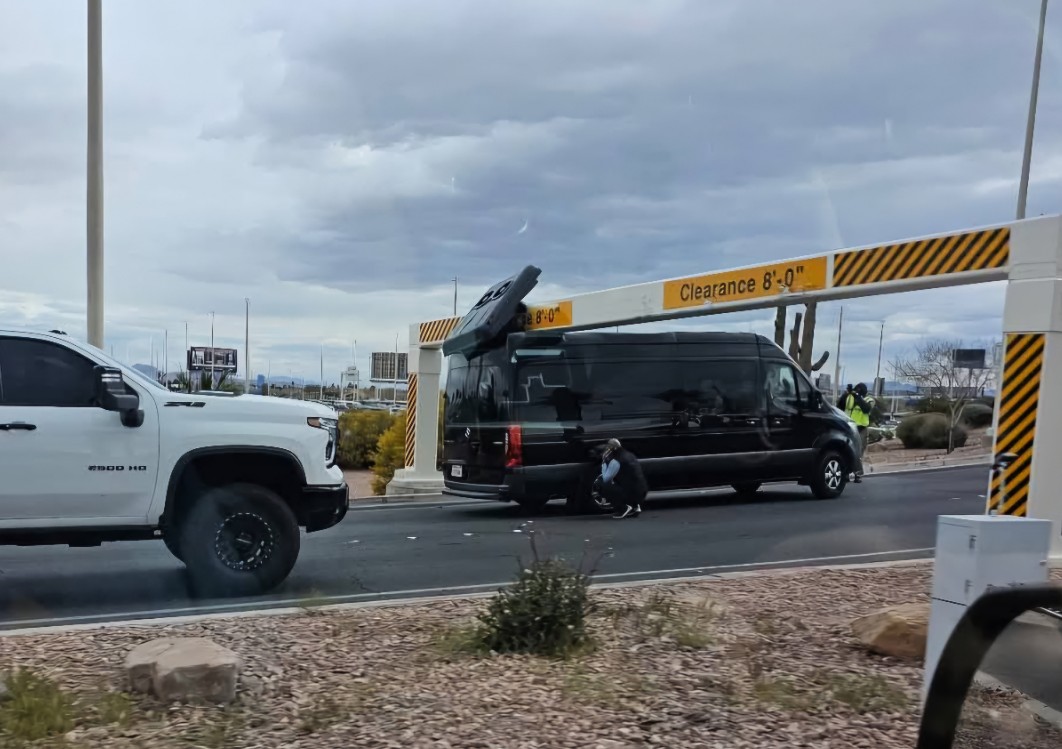
Most passenger vehicles, SUVs, and non-commercial vans are under seven feet tall. This allows them to enter standard parking garages, automatic car washes, residential garages, and most drive-thrus without concern. Many RVs and high-roof campervans exceed eight feet in height, placing them outside these everyday limits.
Once a vehicle crosses that threshold, routine tasks require additional planning. Parking garages become off-limits, some fuel stations and canopy clearances become risky, and even tree-lined streets or older bridges can pose problems. A moment of inattention to clearance signage can result in significant damage, often referred to by owners as an unwanted “haircut.”
Urban Travel, Parking, and Real-World Limitations
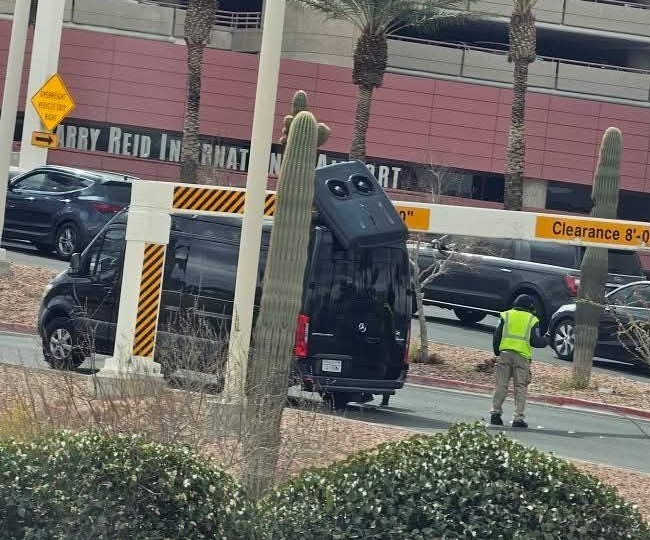
Height restrictions are especially relevant in cities and towns. Many public and private parking ramps restrict vehicles taller than seven feet, effectively eliminating convenient parking near restaurants, events, hospitals, and attractions. This often forces owners of taller motorhomes or campervans to park far from destinations or avoid certain areas altogether.
Residential considerations matter just as much. Homeowners associations and local ordinances frequently prohibit oversized or tall RVs from being parked in driveways or on the street. Storage facilities can add ongoing monthly costs, while limited access at home reduces the spontaneity that draws many people to campervan travel in the first place.
The Trade-Offs of Tall RVs and High-Roof Campervans
While additional interior standing height can be appealing, it often comes with compromises that are not obvious during a showroom visit. Taller vehicles are more affected by wind, making highway driving more tiring and reducing fuel efficiency. Washing the vehicle becomes less convenient, as standard automatic car washes are no longer an option. Everyday usability slowly gives way to constant planning.
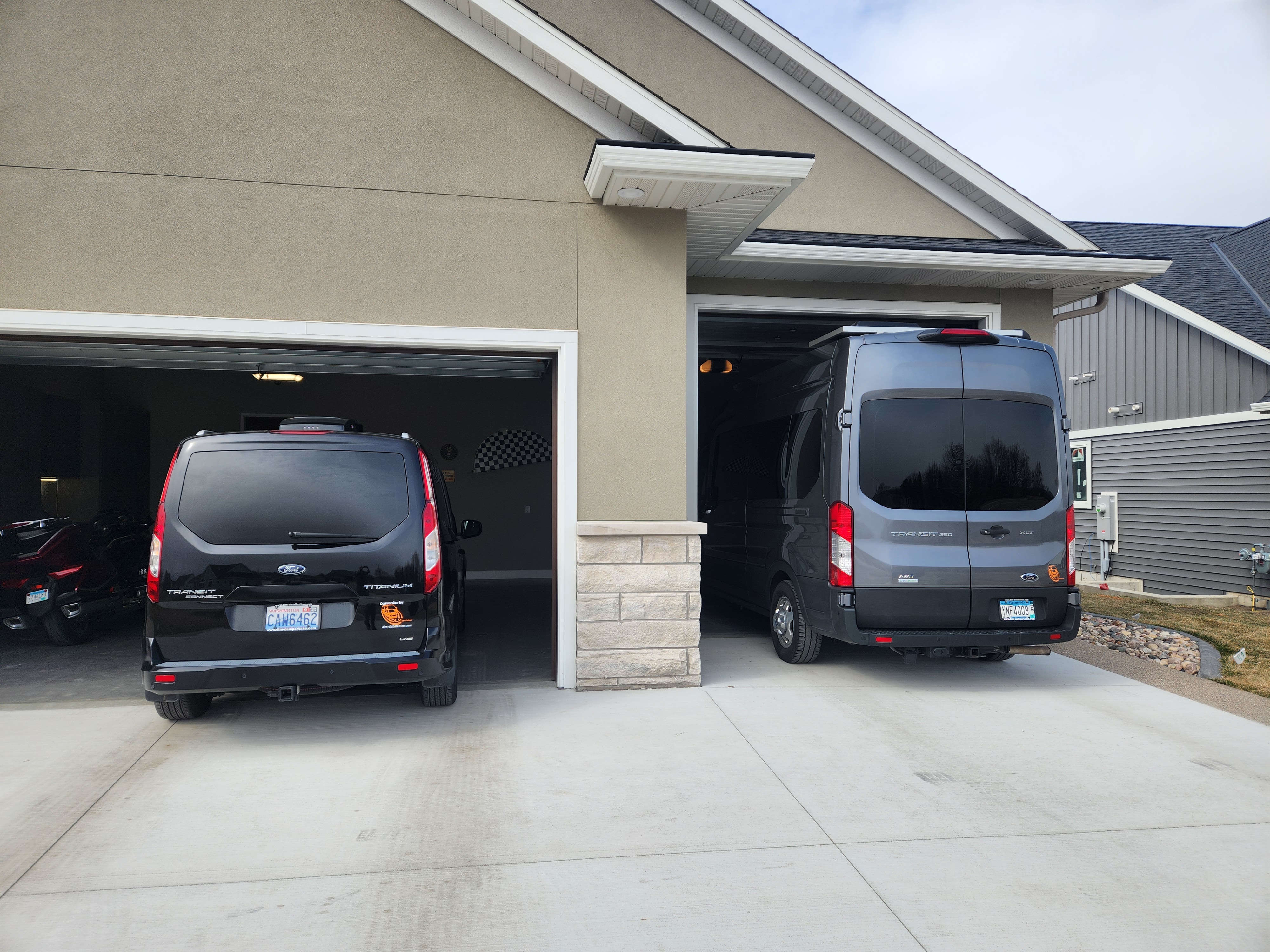
For many owners, the realization comes after purchase: the vehicle is comfortable at the campsite, but inconvenient everywhere else.
Why a Campervan That Fits Changes the Ownership Experience
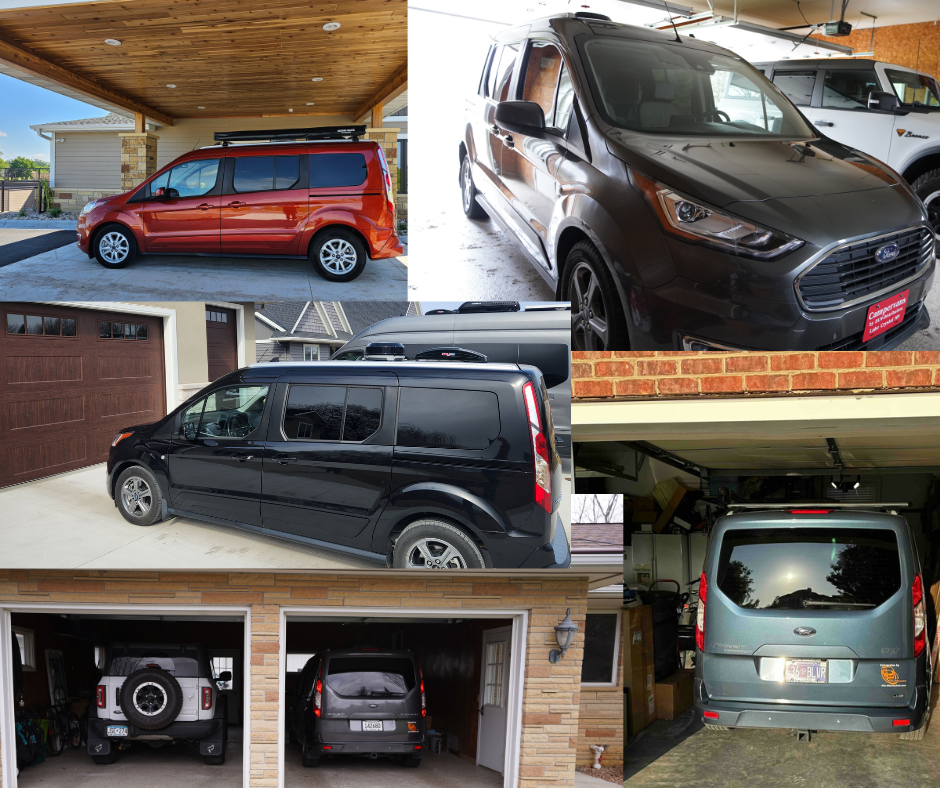
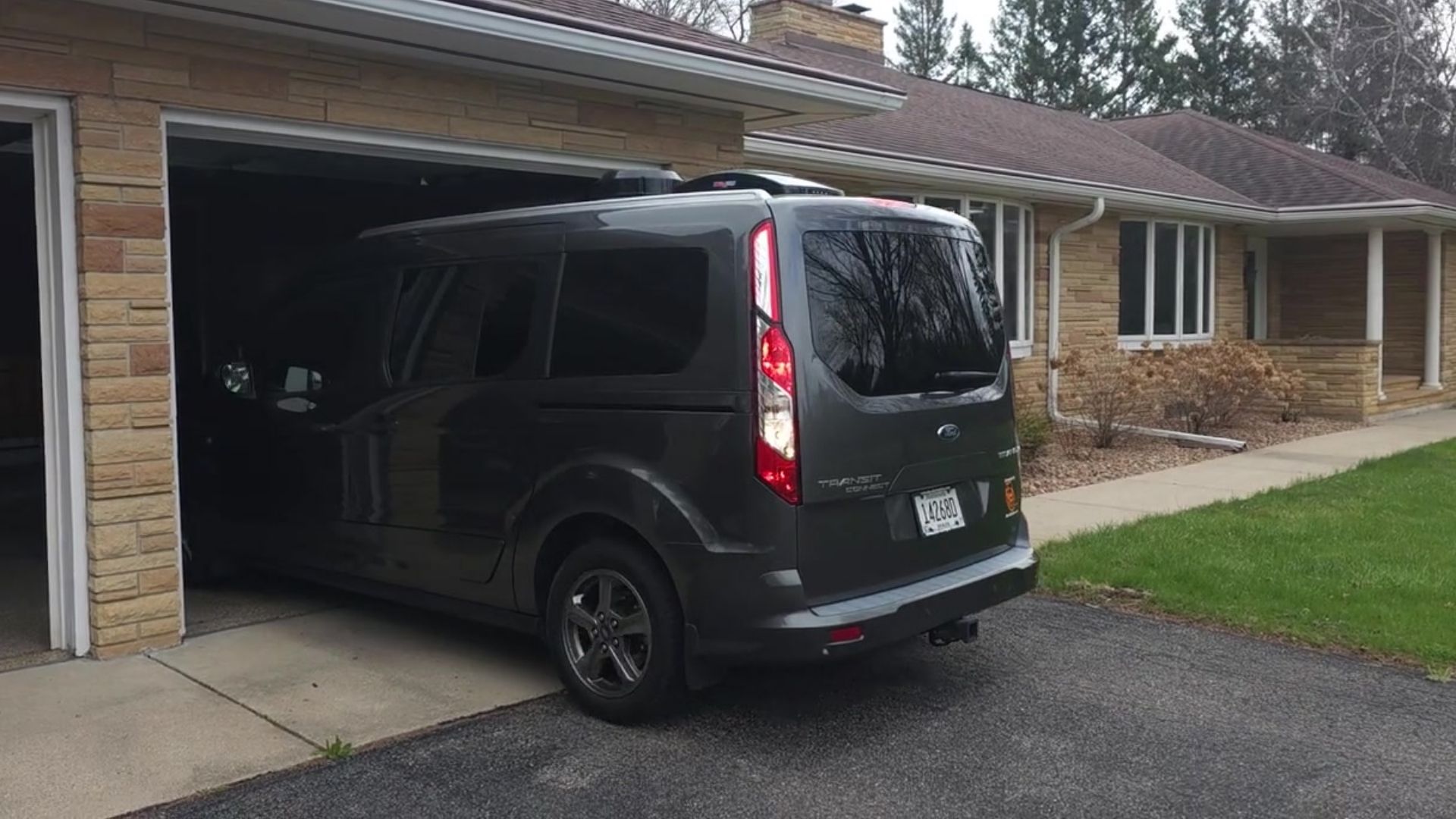
A campervan designed to fit within standard height limits offers a fundamentally different ownership experience. A garage-friendly campervan can be parked at home, driven daily, and taken into places that taller RVs cannot access. It fits into parking garages, standard parking stalls, and drive-thrus without hesitation.
This flexibility allows owners to use their campervan more often, not just on long trips. Errands, weekend getaways, and spontaneous travel become easier when the vehicle integrates seamlessly into everyday life rather than standing apart from it.
A Practical Approach to Campervan Ownership
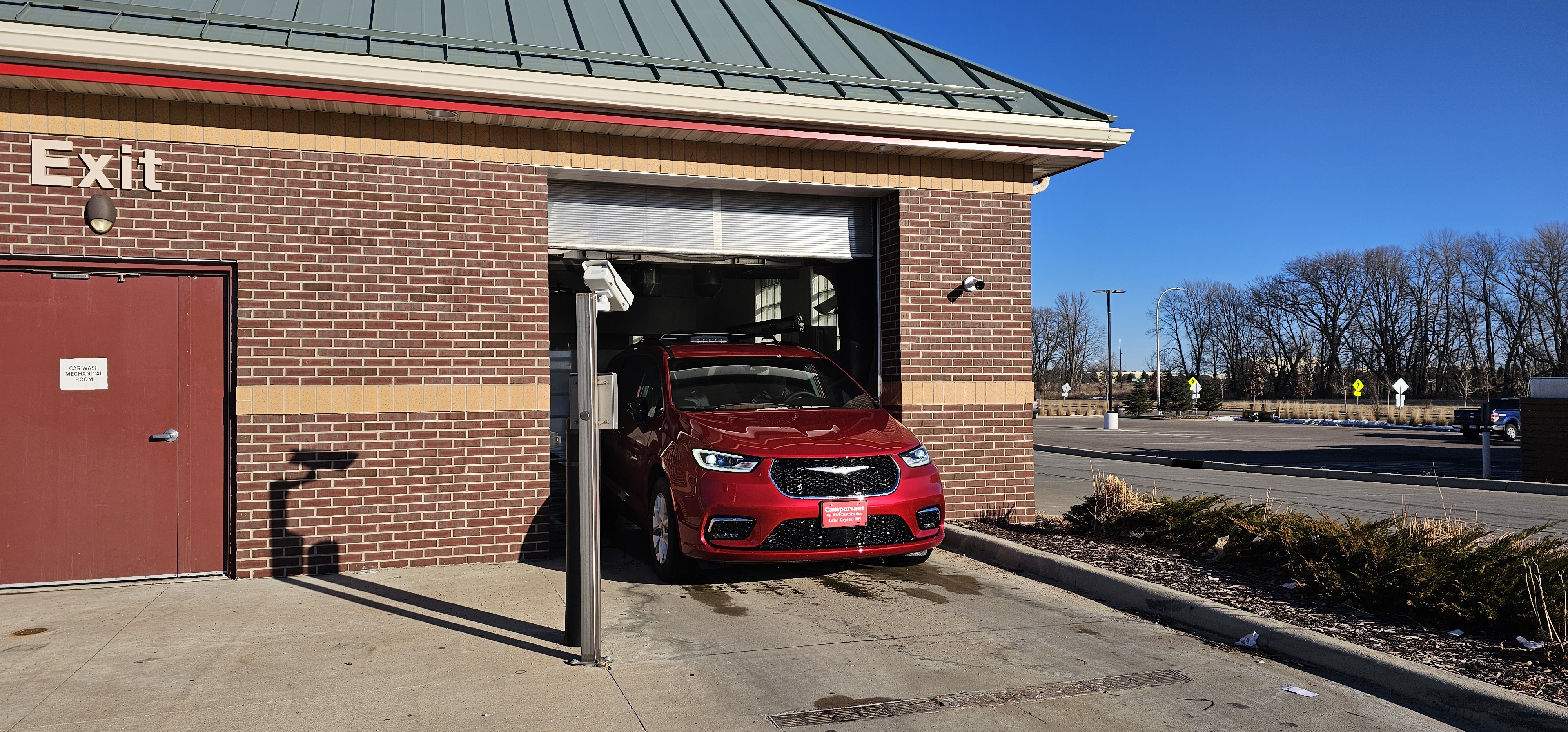
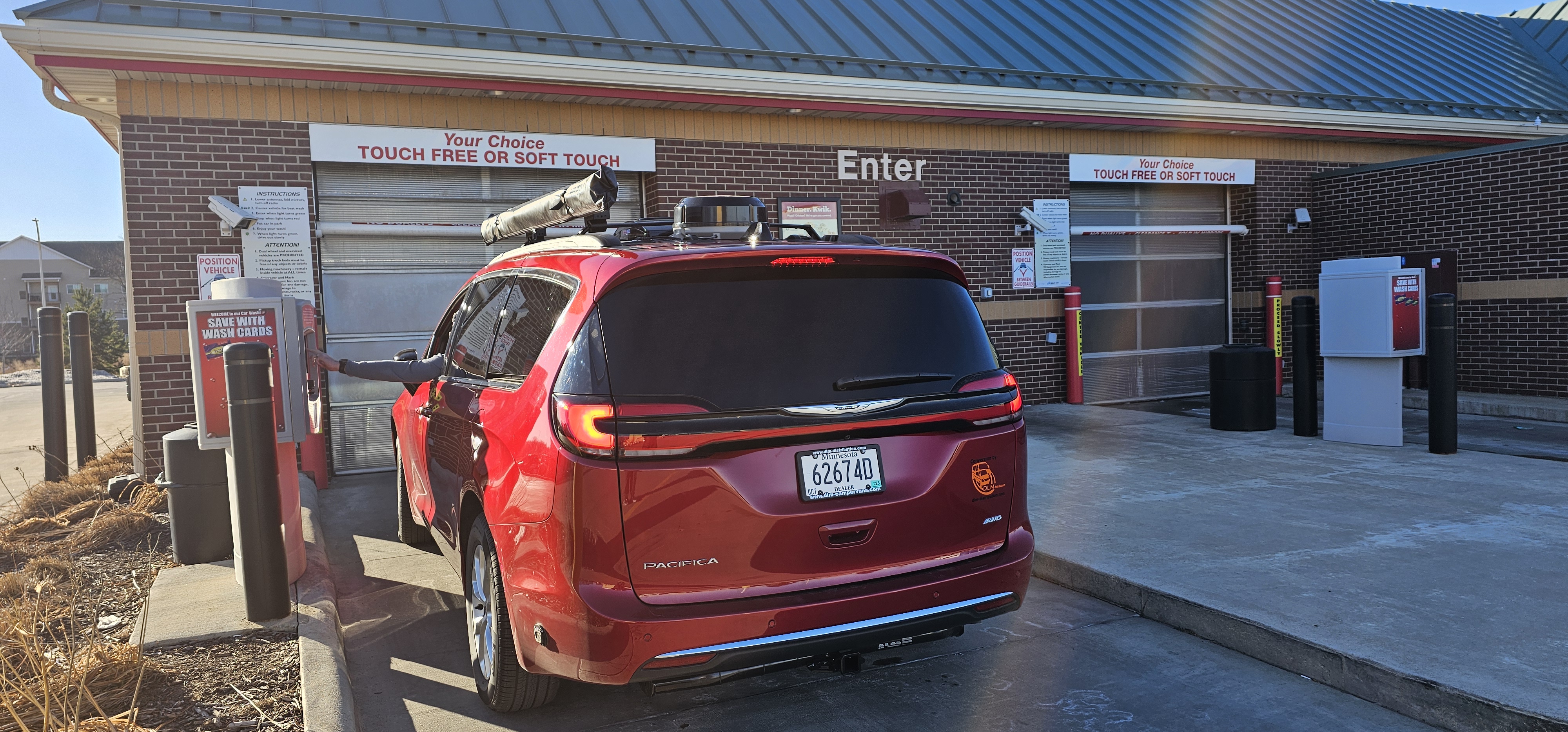
The Mini-T Campervan is designed around real-world usability rather than maximum size. Its height allows it to function like a regular vehicle in daily situations while still offering full camping capability. Owners can store it at home, keep it clean using standard car washes, and travel confidently without constantly checking clearance signs.
This balance appeals to travelers who want the freedom of an RV without the restrictions commonly associated with motorhomes and high-roof campervans. It also makes the Mini-T especially attractive to those living in HOA-regulated communities or areas with limited parking options.
Fit Matters More Than You Think
When choosing an RV, motorhome, or campervan, the question is not just where you want to travel, but how easily your vehicle fits into your life when you are not traveling. A campervan that fits into garages, parking ramps, and everyday spaces removes friction from ownership and keeps travel enjoyable rather than stressful.
Before committing to a purchase, take time to consider height, clearance, and access. A campervan that fits does more than avoid low clearances—it preserves flexibility, convenience, and peace of mind every mile of the journey.
Happy Camping!

DLM-Distribution / Campervans is a licensed manufacturer and dealer located in Lake Crystal, Minnesota, serving clients around the country.
Contact Dave: 651-285-7089 or Candy: 507-382-9446 today!