
Exploring Florida State Parks in a Campervan
There is a side of Florida that travelers sometimes miss. Beyond the theme parks, busy beaches, and familiar vacation destinations lies a remarkable collection of natural places: freshwater springs so clear you can see the sandy bottom, quiet rivers winding beneath ancient trees, coastal forests filled with wildlife, and stretches of undeveloped shoreline where the sound of the waves replaces the noise of everyday life.
Florida's state parks offer an opportunity to discover this quieter side of the Sunshine State. And for travelers exploring by campervan, the journey between parks can be just as rewarding as the destinations themselves.
You might spend a morning walking along the Atlantic Ocean, an afternoon exploring the streets of a historic town, and the following day watching birds and alligators in a freshwater marsh. Travel farther south and the scenery changes again, eventually giving way to the turquoise waters and tropical atmosphere of the Florida Keys.
Florida is a large state, and its most memorable outdoor destinations are spread across several distinct regions. Rather than rushing to see everything in one trip, consider choosing an area and giving yourself time to enjoy it.
Here are some of Florida's outstanding state parks, along with two additional public camping destinations that deserve a place on a campervan travel itinerary.
Fort De Soto Park: Beaches, History, and Tampa Bay
Just southwest of St. Petersburg, Fort De Soto Park is an excellent introduction to Florida's Gulf Coast. Although it is operated by Pinellas County rather than the Florida State Parks system, it belongs on any list of memorable Florida camping destinations.
The park stretches across five interconnected islands, where sandy beaches, mangrove-lined waterways, fishing piers, and coastal wildlife provide plenty of reasons to spend more than a single afternoon. Visitors can explore the historic fort, walk along the shore, watch seabirds, or launch a kayak into the protected waters surrounding the islands.
One of Fort De Soto's greatest appeals is the contrast between its natural setting and its convenient location. Downtown St. Petersburg, with its museums, waterfront parks, and restaurants, is within reach, yet parts of Fort De Soto feel remarkably removed from city life.
The park's campground makes an appealing base for exploring the region. Waterfront sites are particularly desirable, so reservations are worth arranging well ahead of a planned visit.

Anastasia State Park: A Beach Getaway Beside Historic St. Augustine
Few Florida destinations combine outdoor recreation and history as naturally as Anastasia State Park. Located on Anastasia Island, just across the water from St. Augustine, the park protects a beautiful landscape of sandy beaches, dunes, salt marshes, and maritime forests.
A morning here might begin with a walk along the Atlantic shoreline, followed by kayaking through the tidal waters of Salt Run or watching shorebirds feeding near the surf. The park's natural setting offers a welcome contrast to the activity of nearby St. Augustine.
That contrast is precisely what makes Anastasia such a rewarding campervan destination. After spending the day outdoors, visitors can explore the historic streets of St. Augustine, visit the Castillo de San Marcos, enjoy local restaurants, or simply wander through one of America's oldest cities.
Camping among the coastal vegetation provides a convenient place to return at the end of the day. It is a wonderful combination for travelers who enjoy both natural scenery and destinations with a story to tell.

Jonathan Dickinson State Park: Discovering Florida's Wild Side
Near Hobe Sound on Florida's southeastern coast, Jonathan Dickinson State Park reveals a landscape that may surprise visitors who associate southern Florida primarily with beaches and development.
The park protects an extensive collection of natural habitats, including pine flatwoods, scrubland, wetlands, and the scenic Loxahatchee River. Its trails and waterways offer opportunities to experience a side of Florida that existed long before the surrounding coastal communities developed.
The Loxahatchee is one of the park's greatest attractions. Paddling beneath the trees can feel like entering another world, especially in quieter sections where wildlife and the sounds of the river dominate the experience. Guided river outings, hiking, cycling, and birdwatching provide additional ways to explore.
Jonathan Dickinson is also a practical camping destination for travelers visiting Jupiter, Hobe Sound, and the Treasure Coast. You can spend the day exploring nearby coastal communities and return to a campsite surrounded by Florida's native landscape.

Ocala National Forest: Freshwater Springs and the Florida You Might Not Expect
Travel inland to north-central Florida and the scenery changes dramatically. Ocala National Forest, managed by the U.S. Forest Service rather than Florida State Parks, offers a world of pine forests, sandy trails, quiet lakes, and some of the state's most remarkable freshwater springs.
For travelers accustomed to Florida's coastal destinations, discovering the springs can be an unforgettable experience. Clear water rises naturally from underground, creating beautiful swimming areas and spring-fed waterways surrounded by vegetation.
Juniper Springs and Alexander Springs are among the best-known destinations. Depending on the location and current operating conditions, visitors may find opportunities for swimming, paddling, hiking, and enjoying the forest's peaceful surroundings.
Ocala also offers a variety of camping experiences, from developed campgrounds to more primitive settings. That variety makes it particularly interesting for campervan travelers who appreciate the flexibility to choose between campground conveniences and quieter outdoor environments.
The forest deserves more than a quick stop. Spend time exploring the springs, take a scenic drive, and discover how different inland Florida feels from the beaches only a relatively short drive away.
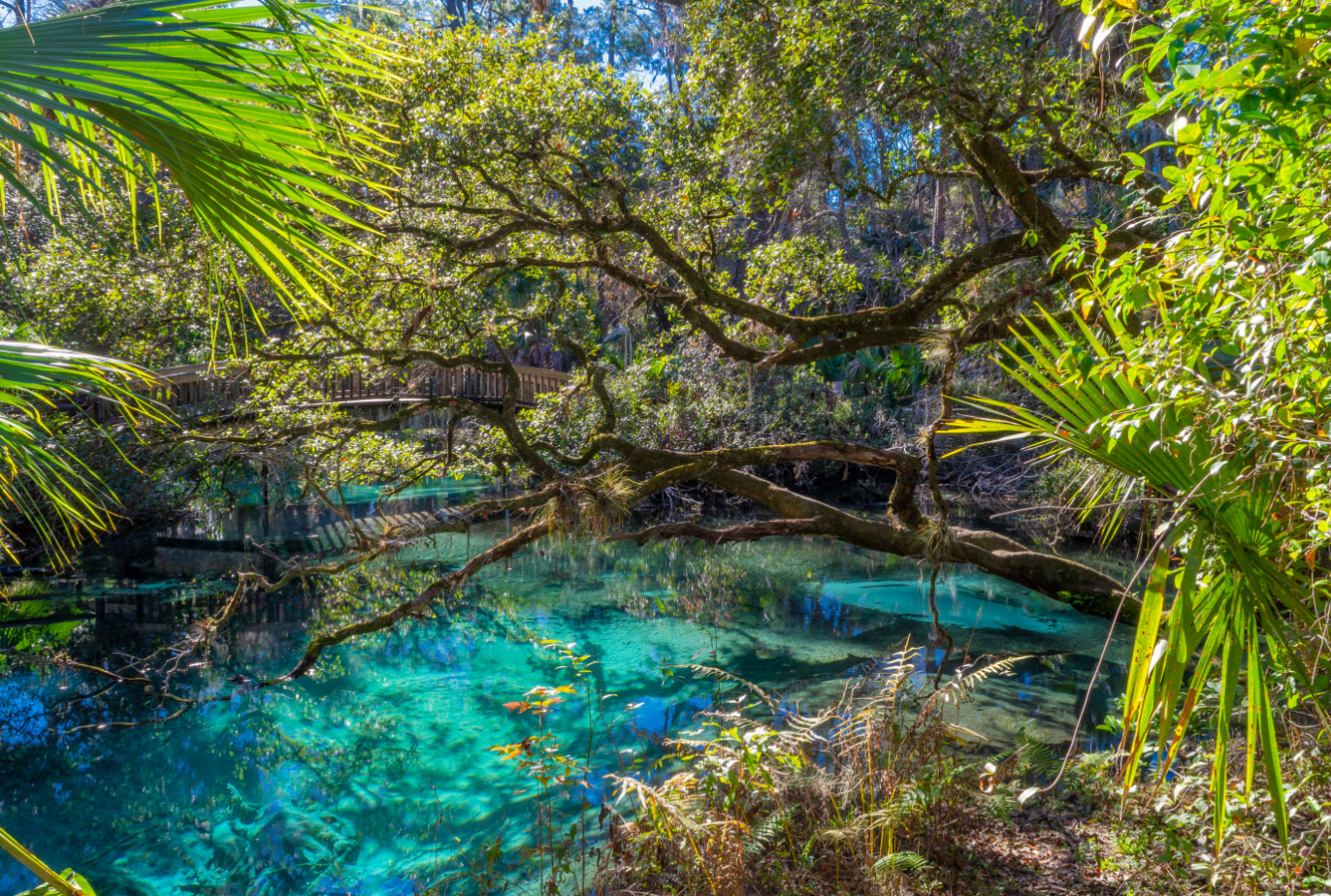
Long Key State Park: A Quiet Stop Along the Overseas Highway
Driving the Overseas Highway through the Florida Keys is an experience unlike almost any other road trip in the United States. Bridges connect a chain of islands surrounded by blue-green water, with fishing boats, mangroves, and glimpses of the Atlantic Ocean appearing along the way.
Long Key State Park offers an opportunity to leave the highway behind and experience the natural environment of the Keys at a slower pace.
Located between Islamorada and Marathon, the park is known for its coastal setting, shoreline views, and opportunities to observe birds and marine life. It is a place to enjoy the scenery rather than hurry through it.
Travelers should be aware that Long Key's campground has undergone significant changes following hurricane damage. Camping availability and facilities should be checked directly with Florida State Parks before making plans; do not assume the former oceanfront RV campground is available.
Even when overnight camping is not an option, Long Key can be a worthwhile daytime stop while traveling through the Keys.
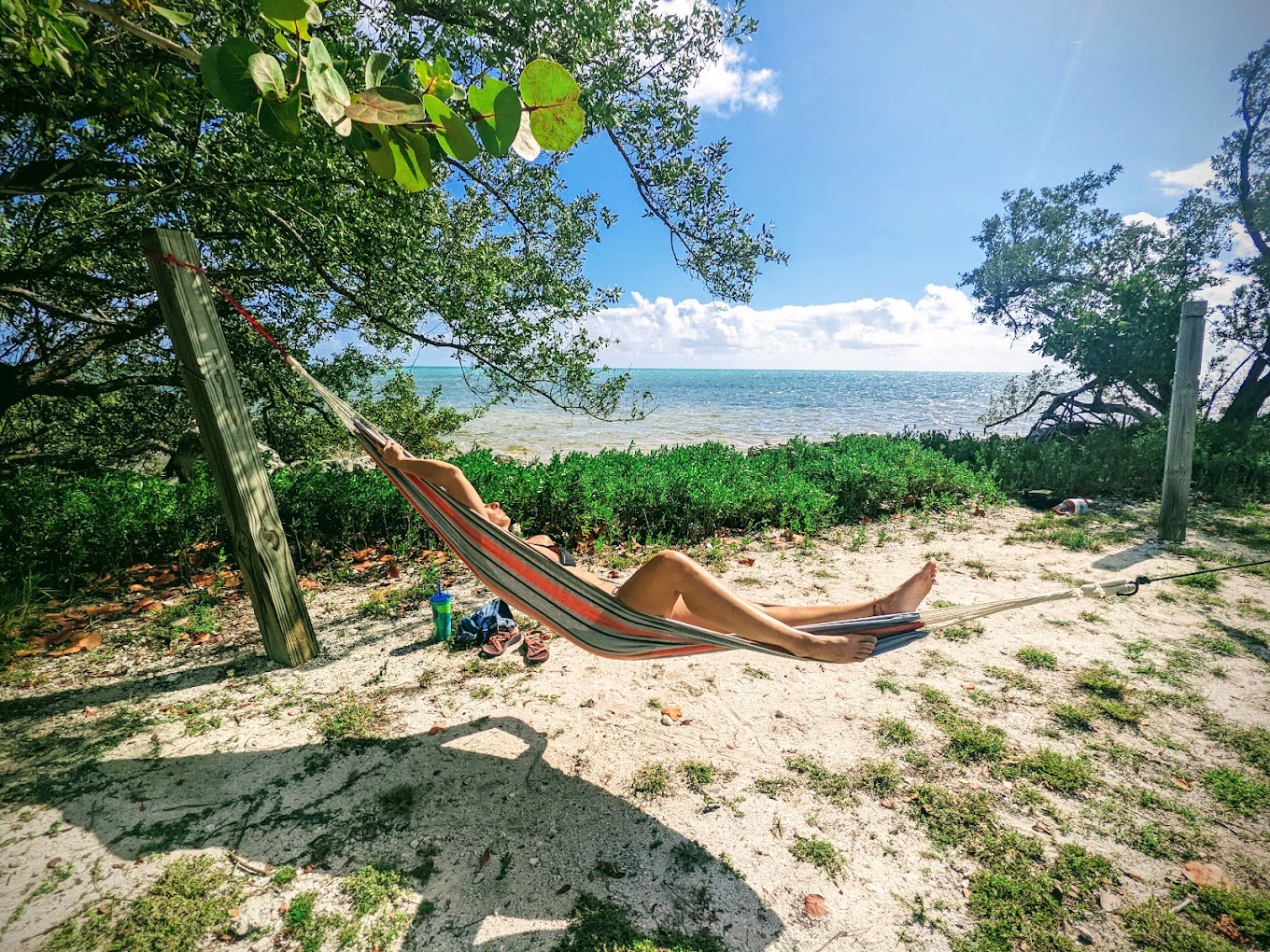
Bahia Honda State Park: One of the Florida Keys' Most Memorable Landscapes
Continue southwest along the Overseas Highway and you reach Bahia Honda State Park, a destination where the journey and the scenery seem to come together.
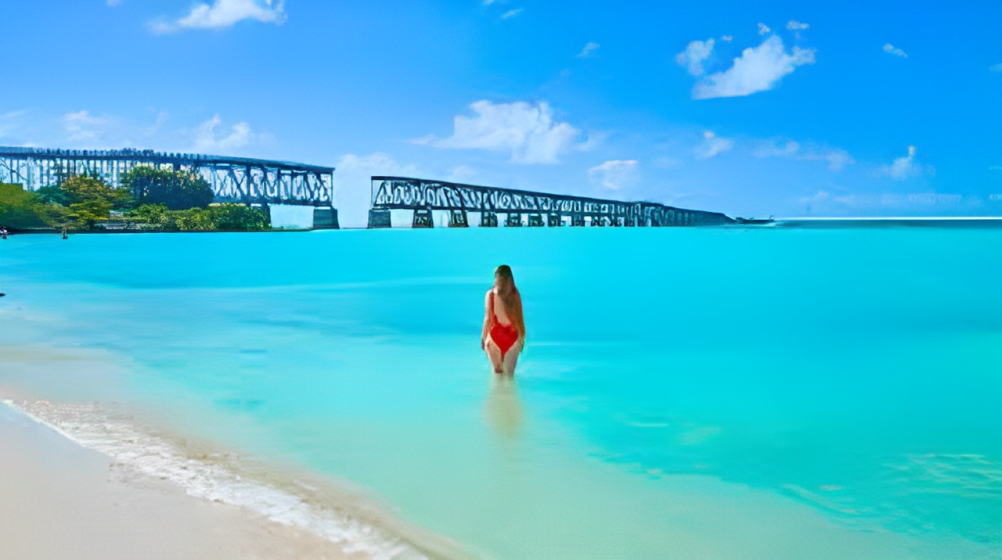
Located between Marathon and Big Pine Key, Bahia Honda is celebrated for its beaches, clear water, and striking views of the historic Bahia Honda bridge. The contrast between the old bridge, tropical vegetation, and brilliant water makes this one of the most recognizable landscapes in the Keys.
Visitors come to swim, relax on the beach, watch the changing colors of the water, and enjoy the slower rhythm of island life. When conditions allow, snorkeling and paddling add another dimension to the experience.
For campervan travelers, Bahia Honda can be an especially memorable overnight destination. Camping availability is limited and highly sought after, however, and individual campground areas may have different site sizes, facilities, or restrictions.
Reservations should be made well in advance, and current park conditions should always be checked before traveling. The Keys are too special a destination to leave important overnight arrangements to chance.
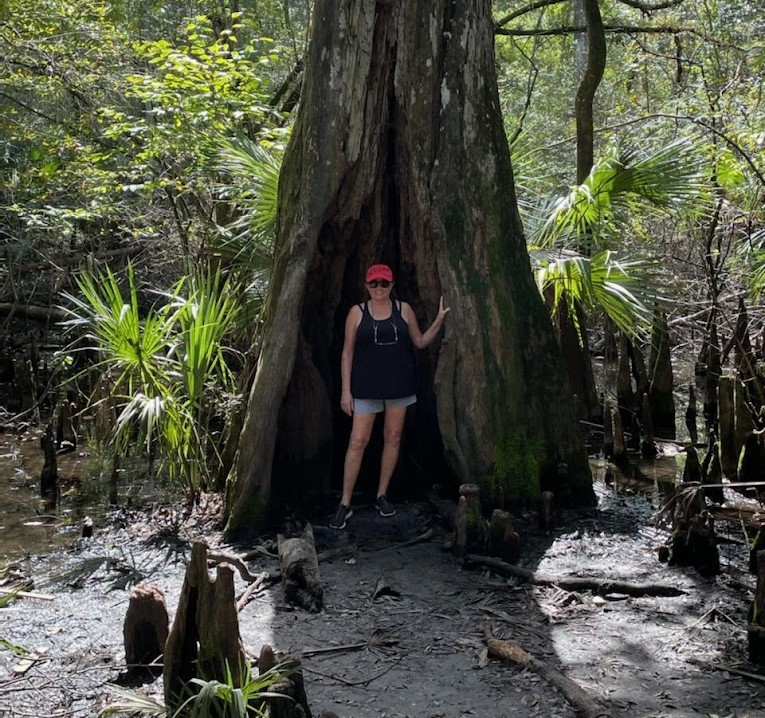
Myakka River State Park: Wildlife, Wetlands, and Old Florida
Not far from Sarasota, Myakka River State Park offers a glimpse of Florida that feels remarkably different from the nearby Gulf Coast beaches.
This expansive park protects wetlands, prairies, forests, and the Myakka River, creating habitat for an extraordinary variety of wildlife. Alligators, turtles, wading birds, and other native animals are among the sights visitors may encounter.
The scenery is particularly memorable around the river and wetland areas, where broad views across the water reveal a landscape shaped by seasonal changes. Depending on conditions, visitors can explore by trail, enjoy designated paddling opportunities, or take in the scenery from park roads and overlooks.
Myakka's canopy walkway is another well-known attraction, offering a different perspective on the surrounding vegetation when open.
For travelers who enjoy wildlife photography, birdwatching, or simply observing nature, Myakka is worth allowing extra time. Early mornings and quieter periods can be especially rewarding, although wildlife sightings are never guaranteed.

Hillsborough River State Park: A Forested Retreat Near Tampa
One of the pleasant surprises of traveling through Florida is how quickly the landscape can change. Just northeast of Tampa, Hillsborough River State Park offers shaded trails, hardwood forests, and a river environment that feels far removed from the activity of the metropolitan area.
The Hillsborough River is the centerpiece of the park. Its scenery includes sections of moving water, forested banks, and natural habitats that support a variety of birds and other wildlife.
Walking the trails is an excellent way to experience the park, particularly during Florida's cooler months when outdoor activity can be more comfortable. Visitors interested in paddling should check current river conditions, access restrictions, and park operations before arriving.
The park also offers an appealing combination of natural scenery and proximity to Tampa-area attractions. For campervan travelers, that means an opportunity to enjoy a day in the city and return to a more peaceful environment afterward.
Grayton Beach State Park: White Sand and Coastal Dune Lakes
Florida's Panhandle has a character all its own, and Grayton Beach State Park is one of the places that best captures its appeal.
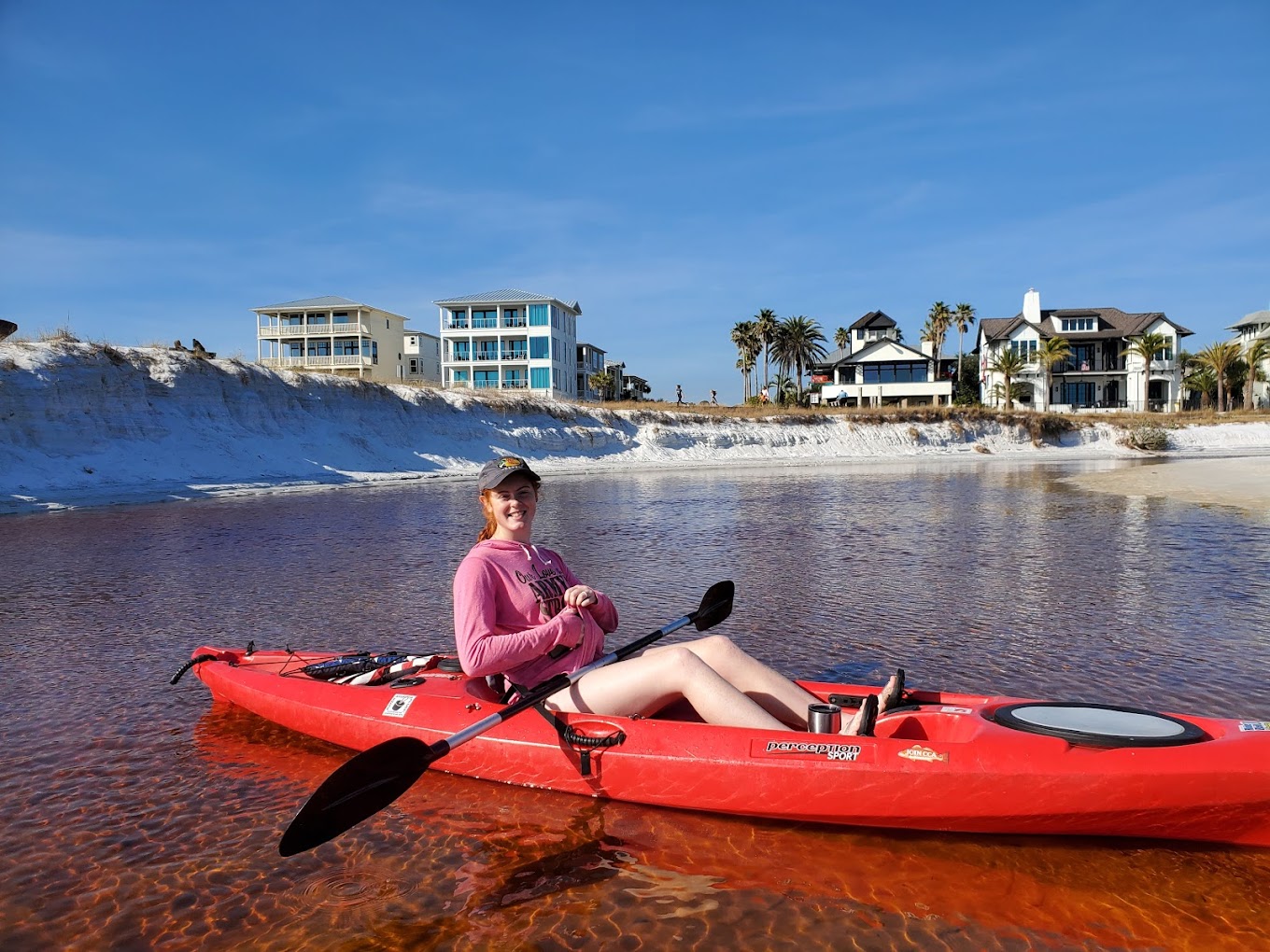
Located along Scenic Highway 30A, the park is known for brilliant white sand, clear Gulf waters, coastal forests, and unusual coastal dune lakes. These lakes are a distinctive feature of the region, creating freshwater and brackish environments close to the shoreline.
A visit to Grayton Beach can be as active or relaxed as you choose. Walk along the beach, explore the park's trails, enjoy a paddle where permitted, or simply settle in and watch the changing colors of the Gulf.
Nearby communities along 30A offer restaurants, shops, and additional places to explore, but the park itself provides a welcome opportunity to enjoy the area's natural beauty.
Grayton Beach is particularly attractive for travelers who want to combine a classic beach vacation with the simplicity of camping. Its popularity also makes advance campground reservations especially important during busy travel periods.
St. George Island State Park: An Undeveloped Stretch of the Forgotten Coast
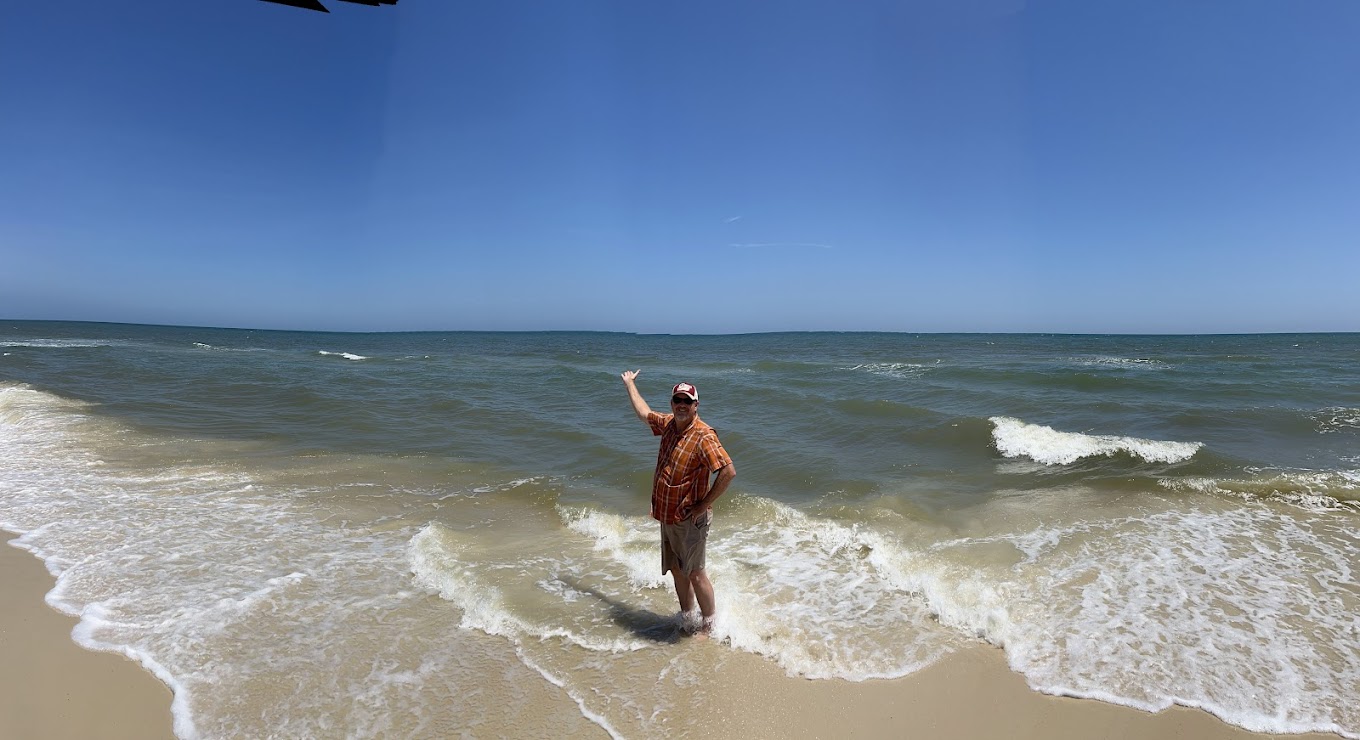
Farther east along Florida's Panhandle, St. George Island State Park offers something increasingly difficult to find along popular coastlines: miles of natural shoreline without a continuous backdrop of buildings and commercial development.
The park occupies the eastern portion of St. George Island, a barrier island overlooking the Gulf of Mexico and Apalachicola Bay. Its beaches, dunes, and coastal habitats create an environment where the natural landscape remains the main attraction.
Visitors enjoy fishing, birdwatching, walking the beach, swimming when conditions permit, and watching the sunrise or sunset over the surrounding water.
The nearby town of Apalachicola adds another reason to explore the region. Its maritime history, waterfront character, and local seafood traditions offer a different kind of Florida experience from the state's larger resort destinations.
For campervan travelers seeking a quieter coastal getaway, St. George Island is a destination worth considering. The campground provides a convenient base, while the surrounding area rewards travelers who enjoy taking their time.
Choosing the Right Season for a Florida Campervan Trip
Florida can be explored throughout the year, but the experience changes considerably with the seasons and the region you choose.
Winter is especially appealing to travelers escaping colder northern climates. Southern Florida and the Keys often provide pleasant conditions for outdoor recreation, while northern Florida and the Panhandle can still experience chilly nights and occasional freezing temperatures.
Spring and fall can be excellent times to explore, with comfortable weather in many areas and opportunities to enjoy parks outside the busiest vacation periods.
Summer brings long days, warm water, lush vegetation, and plenty of outdoor activity. It also brings heat, humidity, frequent thunderstorms, and an increased need to plan around the weather. Morning hikes, shaded campsites, and access to safe swimming areas become especially appealing.
Florida's Atlantic hurricane season runs from June through November. Travelers visiting during this period should monitor forecasts, understand campground cancellation policies, and remain flexible when tropical weather threatens.
Campground Reservations: Plan Ahead, but Leave Room to Explore
One of the most important things to understand about camping in Florida is that popular state park campgrounds can fill well in advance, especially during winter and spring.
Beachfront destinations, the Florida Keys, and parks near major attractions are particularly competitive. Campground reservations, vehicle-length limits, electrical hookups, and individual site characteristics vary, so it pays to review the details rather than assuming every campsite will accommodate every campervan.
For official information about Florida state park camping, reservations, park conditions, and current visitor guidelines, visit Florida State Parks.
Fort De Soto Park, Ocala National Forest, and other county or federally managed destinations have separate reservation systems and regulations.
A good approach is to reserve the destinations that matter most, then allow some flexibility between them. A few extra hours exploring a coastal town or stopping at an unexpected scenic overlook can become one of the best memories of a trip.
A Few Practical Considerations for Camping in Florida
Florida's natural environments are beautiful, but they also deserve preparation and respect.
Mosquitoes and biting insects can be troublesome, particularly near wetlands and during warmer months. Insect repellent, window screens, and appropriate clothing can make evenings much more enjoyable.
Wildlife should always be observed from a safe distance. Alligators inhabit many freshwater environments, and visitors should never feed them or approach them for photographs. Follow posted swimming restrictions and park guidance around rivers, lakes, and coastal waters.
Heat is another important consideration. A shaded campsite and good ventilation help, but they are not substitutes for air conditioning during extreme temperatures. Travelers should plan their overnight accommodations and electrical needs accordingly, especially when camping during Florida's hottest months.
It is also worth remembering that a campervan's small size does not automatically permit overnight parking anywhere. Beaches, public parking areas, boat launches, and scenic overlooks may have restrictions even when daytime parking is allowed. Designated campgrounds remain the best option for planned overnight stays.
Why a Smaller Campervan Works Well for Exploring Florida
Florida is a destination where the advantages of a smaller travel vehicle become apparent throughout the day.
There are historic downtown streets to explore, busy coastal parking areas, narrow campground roads, and scenic highways where having a vehicle that is comfortable to drive makes the experience easier.
A Mini-T Campervan supports this style of travel by combining everyday drivability with the essentials for camping. Sleeping accommodations, refrigeration, a microwave, onboard electrical power, and practical storage make it possible to travel without depending on restaurants or hotels at every stop.
Its off-grid electrical capabilities are particularly useful for everyday conveniences, although travelers should plan realistically for energy consumption and the need for air conditioning in Florida's warmer weather.
Perhaps the greatest advantage is the freedom to enjoy the journey between destinations. A day of sightseeing does not require returning to a large motorhome parked miles away. Your travel accommodations are already with you, ready for the next campground or the next stretch of scenic highway.

Florida Is Best Experienced One Region at a Time
It can be tempting to look at a map of Florida and try to visit every famous beach, spring, and state park in a single trip. But Florida's distances are greater than they first appear, especially when traveling from the Panhandle to the southern Keys.
Consider exploring the Panhandle and Forgotten Coast on one journey, the Atlantic Coast and St. Augustine on another, or the Gulf Coast and central Florida's springs on a longer trip. The Florida Keys can easily become a memorable adventure of their own.
By giving yourself time in each region, you have a better opportunity to appreciate what makes these places different: the quiet of a coastal forest, the clarity of a freshwater spring, the wildlife along a river, or the sight of the sun disappearing over the Gulf.
That is what makes Florida such a rewarding destination for campervan travel. It is not simply a collection of places to visit. It is a state where the scenery, history, wildlife, and atmosphere change from one stretch of road to the next.
And sometimes the best part of the trip is discovering a place you had never planned to stop.
Happy Travels & Happy Camping!
For travelers interested in a smaller, practical approach to exploring Florida and destinations throughout North America, explore the Mini-T Campervans available from DLM-Distribution.
DLM-Distribution / Campervans is a licensed manufacturer and dealer located in Lake Crystal, Minnesota, serving clients around the country.
Contact Dave: 651-285-7089 or Candy: 507-382-9446 today!