
When Size Matters: A Truly Compact Campervan with Real Off-Grid Power
Compact campervans appeal to travelers for good reason. They are easier to drive, simpler to park, more fuel-efficient, and far less intrusive in everyday life than large motorhomes. But in the world of small RVs, compact size often comes with a significant compromise: limited electrical capability. Many campervans marketed as “off-grid ready” can power lights and charge phones—but struggle to support everyday appliances without being plugged in.

The Mini-T Campervan takes a different approach. Designed by DLM-Distribution, it demonstrates that a compact footprint does not have to mean limited campability. Instead, it shows how thoughtful design and integrated systems can deliver real off-grid functionality in a vehicle that still fits comfortably into daily life.
The Overlooked Limitation of Many Compact Campervans
Electrical systems are often the weakest link in small RVs. While many compact campervans look well equipped on paper, their power systems are typically sized only for minimal loads. Running a microwave, maintaining a refrigerator continuously, or powering medical or work equipment often requires shore power—or forces owners to manage strict usage limits.
This limitation changes how, and where, people camp. Instead of choosing campsites based on preference, they are often constrained by electrical access. For a campervan intended to encourage flexibility and independence, this becomes a practical issue rather than a technical one.
Off-Grid Power Designed for Practical Use
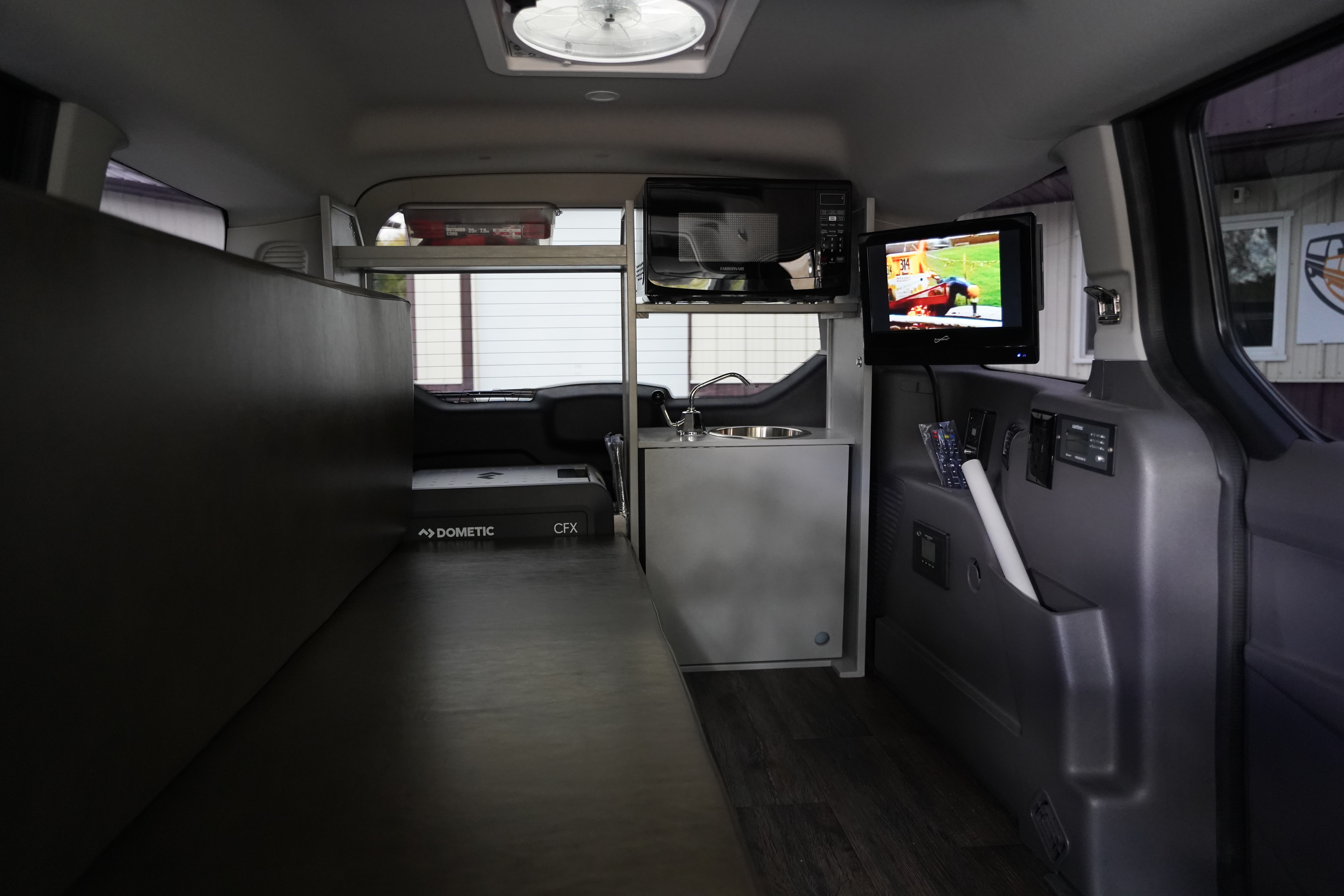
The Mini-T Campervan is built around the idea that off-grid power should support normal daily needs, not just emergency use. Its electrical system is sized and integrated to handle common appliances reliably, without requiring constant monitoring or special workarounds.
A 2000-watt inverter allows the Mini-T to operate higher-draw appliances such as a microwave when needed, while also supporting continuous loads like refrigeration. This places it in a different category from many compact campervans that rely on low-output inverters or none at all.
Solar Charging That Supports Longer Stays
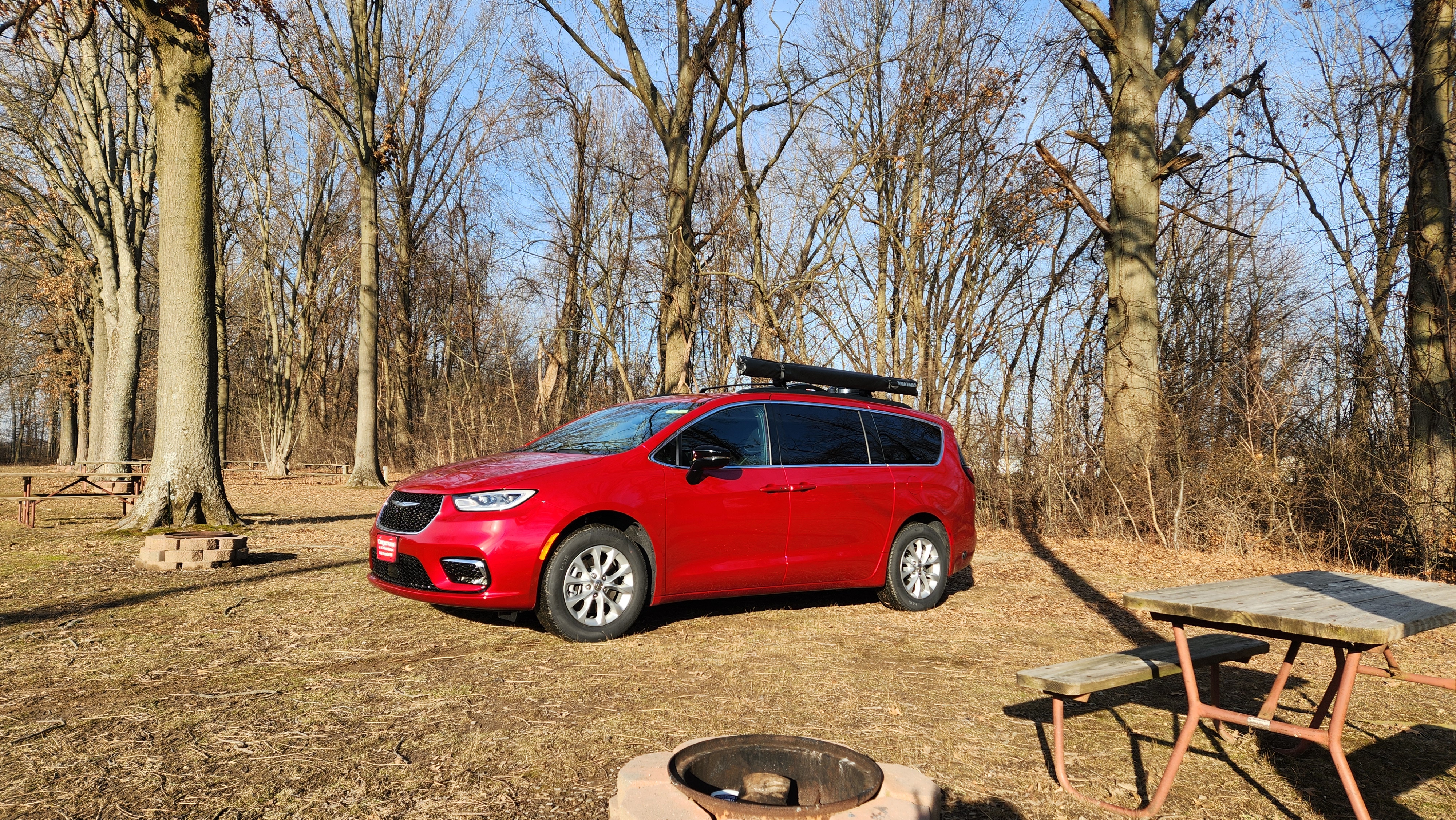
Solar charging plays a key role in maintaining the Mini-T’s electrical system while parked. Rather than relying solely on alternator charging while driving, solar allows the system to replenish power throughout the day when conditions allow. This reduces dependence on engine run time and supports quieter, more flexible camping.
In practical terms, this means less concern about battery depletion during multi-day stays and greater freedom to choose campsites based on location rather than hookups.
A Fully Integrated Electrical System, Not an Add-On
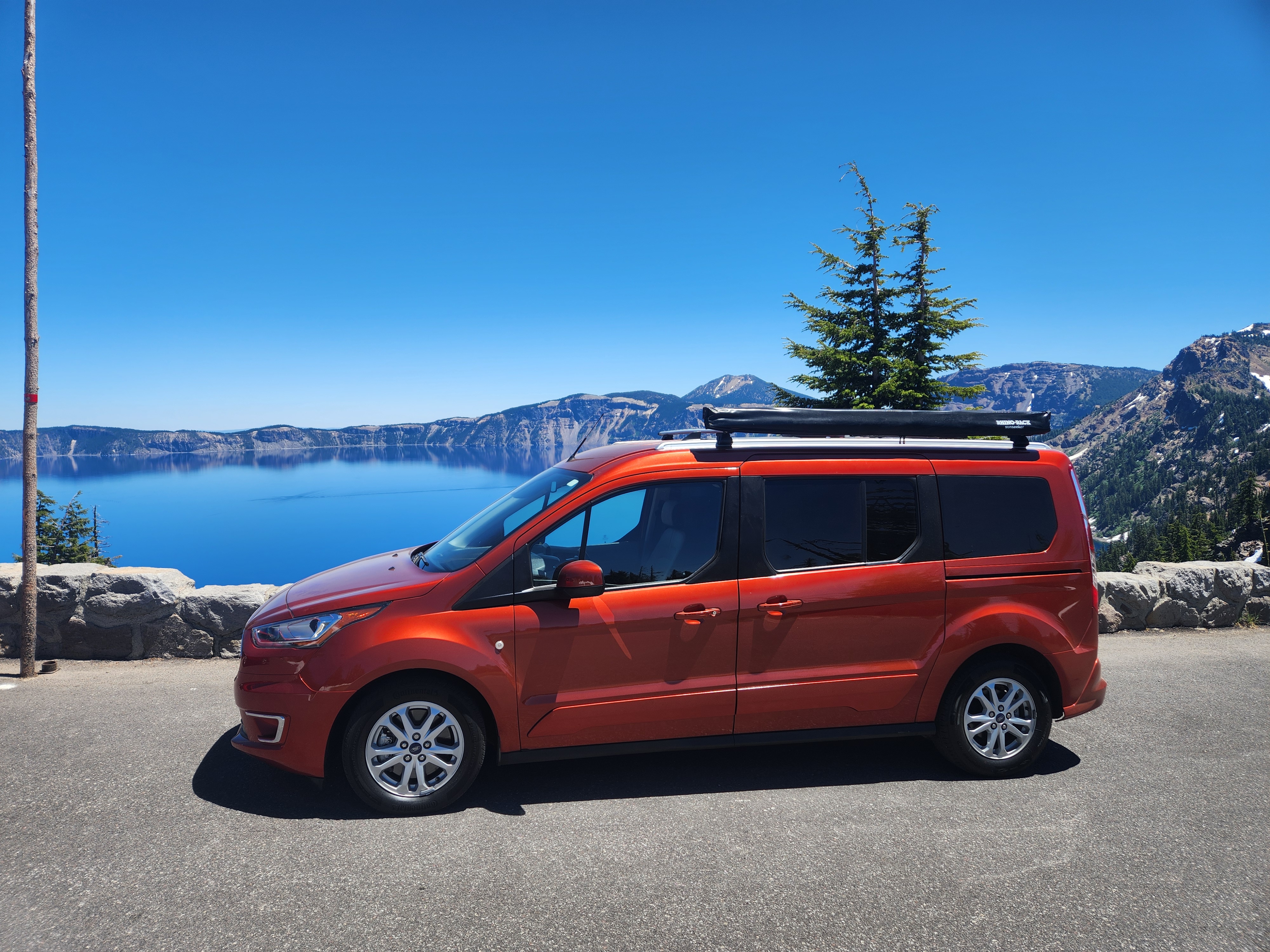
What distinguishes the Mini-T Campervan is not just individual components, but how the system works as a whole. The electrical setup is designed as an integrated system—combining inverter, power storage, charging sources, and management—rather than a collection of aftermarket additions.
This integration provides stable power delivery and predictable performance. Appliances function as expected, refrigeration remains consistent, and everyday tasks feel straightforward rather than constrained by power limitations.
Compact Size Without Compromising Capability
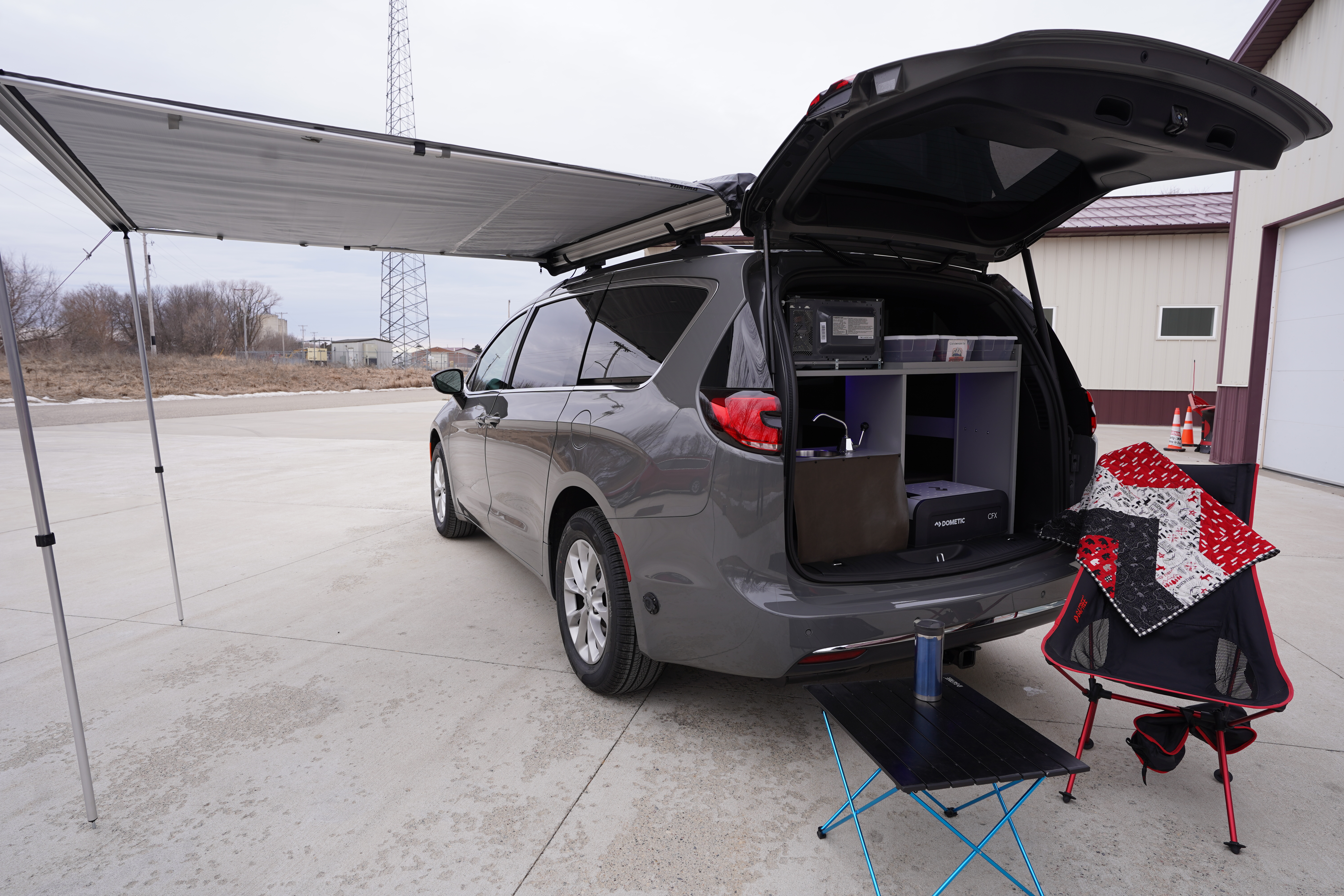
The Mini-T Campervan demonstrates that true compactness and true campability can coexist. Its size allows it to navigate city streets, park in standard spaces, and fit into residential garages, while still supporting meaningful off-grid use. Fuel efficiency remains strong, operating costs stay manageable, and ownership feels practical rather than burdensome.
This balance is especially important for those who want a campervan that can be used often—not just for long trips, but for short getaways, overnight stops, and everyday driving with camping capability always on board.

A Practical Definition of Off-Grid Travel
Off-grid travel is not about extremes. For most people, it simply means the ability to camp comfortably without being tethered to hookups or forced into compromises. The Mini-T Campervan approaches this realistically, providing enough power to support daily needs while remaining compact, efficient, and easy to live with.
In a segment where many small RVs trade capability for size, the Mini-T shows that careful design can deliver both. It is a reminder that when it comes to campervans, size matters—but how that size is used matters even more.
Happy Camping!