
NEWS
Choosing Between FWD, AWD, and RWD in a Campervan
One of the more important decisions when selecting a campervan is choosing the drivetrain that best fits how and where you plan to travel. Front-Wheel Drive (FWD), All-Wheel Drive (AWD), and Rear-Wheel Drive (RWD) each offer distinct advantages depending on road conditions, driving style, climate, towing needs, and overall travel priorities.
The good news is that there is no universally “right” answer. Each drivetrain has strengths, and the best choice often comes down to how you personally use your campervan.
As compact campervans continue growing in popularity, many travelers are now comparing drivetrains not only for capability, but also for fuel efficiency, garageability, everyday drivability, and long-distance comfort.
Front-Wheel Drive Campervans: Efficient, Practical, and Proven
For many travelers, FWD campervans remain the most practical overall choice.
With the engine and drivetrain positioned over the front wheels, FWD platforms naturally provide stable traction during rain, light snow, and normal road conditions while also remaining highly efficient and easy to drive.
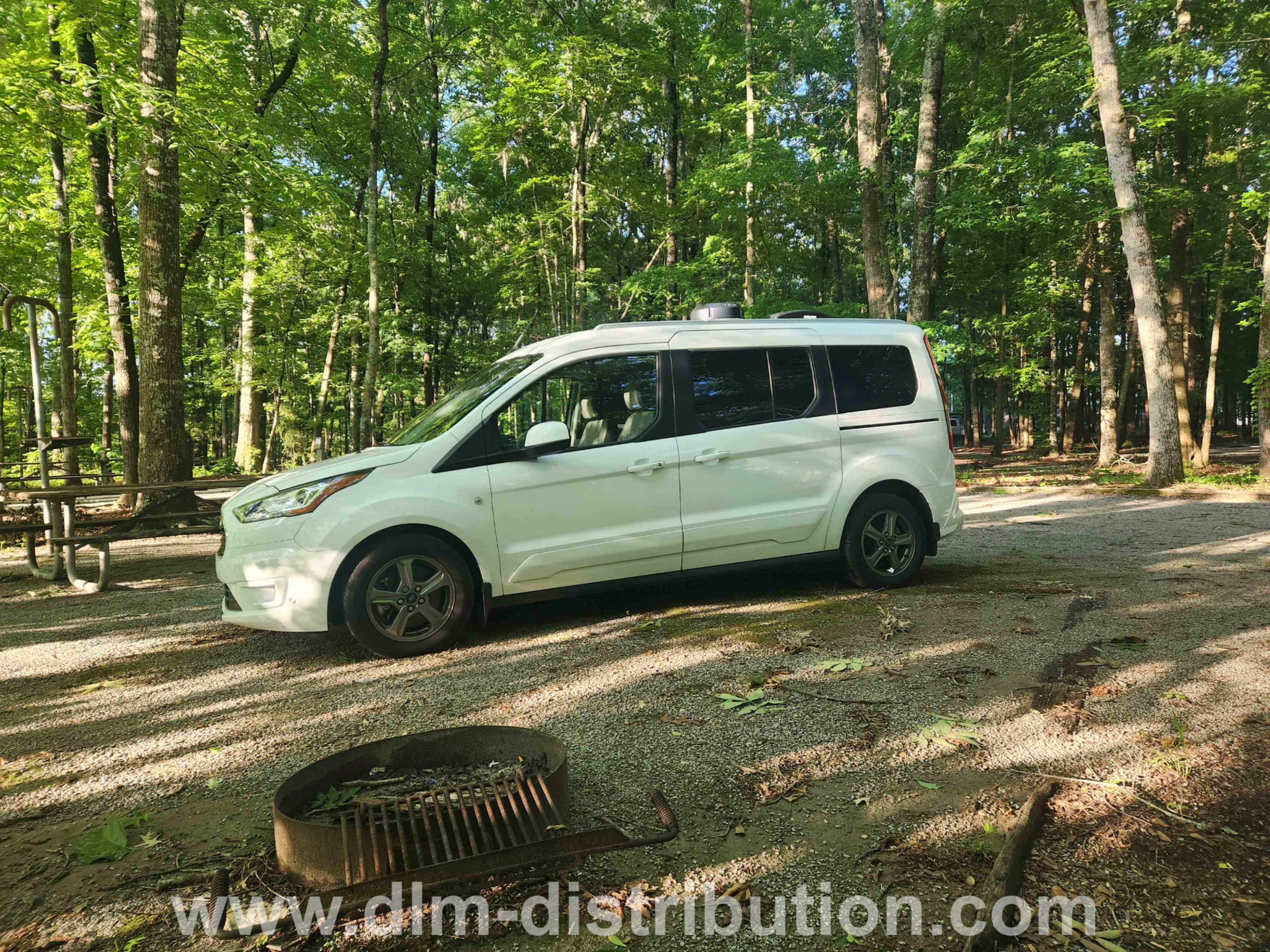
The Transit Connect Mini-T Campervan has remained popular for exactly that reason. Its compact size, maneuverability, and fuel economy of approximately 24–28 MPG make it especially appealing for travelers looking for a campervan that integrates naturally into everyday life while remaining comfortable for campground travel and extended road trips.
For many owners, FWD provides everything they realistically need. Daily driving, highway travel, campground touring, scenic road trips, and moderate winter conditions are all comfortably handled by modern FWD platforms.
FWD also tends to be lighter and mechanically simpler than AWD systems, which can help maintain fuel efficiency and long-term practicality.
AWD Campervans: Additional Confidence in Challenging Conditions
For travelers who frequently encounter snow, steep terrain, gravel roads, or rapidly changing weather conditions, AWD can provide additional confidence and traction.
The AWD Chrysler Pacifica Mini-T Campervan represents the newest generation of garageable AWD Mini-T Campervans offered by DLM-Distribution. Built on the Chrysler Pacifica AWD platform, it combines all-weather capability with the comfort and drivability many owners expect from a modern everyday vehicle.
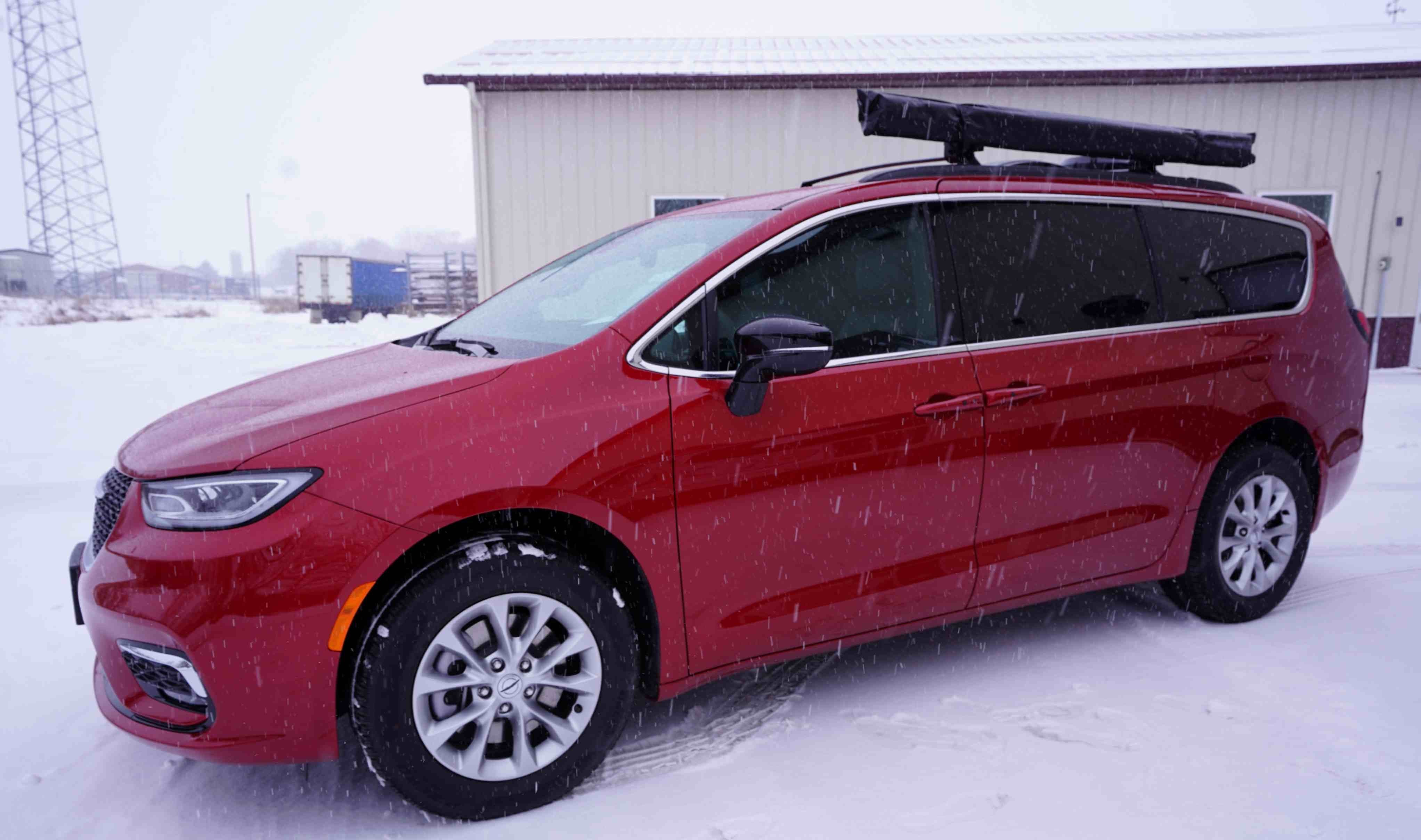
Unlike traditional four-wheel-drive systems that may remain constantly engaged, modern AWD systems automatically direct power where traction is needed most. This can improve stability on wet pavement, snowy roads, and uneven surfaces without requiring driver input.
Although AWD systems typically reduce fuel economy slightly compared to FWD, the AWD Pacifica Mini-T Campervan still achieves approximately 17–25 MPG, which remains highly efficient compared to many larger Class B campervans and RV platforms.
For many travelers, AWD is less about extreme off-road use and more about confidence. Winter weather, mountain travel, gravel campground roads, heavy rain, and changing road conditions become less stressful when additional traction is available.
AWD in a High-Roof Campervan Platform
For travelers prioritizing interior space and all-season capability together, the AWD Ford Transit Mini-T HR Campervan fills a different role within the Mini-T lineup.
Built on the larger Ford Transit AWD chassis, the Mini-T HR offers stand-up interior room, expanded living space, and increased carrying capability while still delivering confident traction in snow, rain, and changing road conditions.
Unlike the smaller garageable Mini-T models, the Mini-T HR is designed more around extended touring comfort and interior livability rather than compact everyday commuting. For travelers spending longer periods on the road or prioritizing interior room, it provides a significantly different ownership experience.
Rear-Wheel Drive Campervans: Strength and Towing Capability
RWD platforms are less common in smaller campervans but remain widely used in larger vans and commercial chassis because of their towing strength and load-carrying capability.
With power delivered through the rear wheels, RWD systems often perform especially well when carrying heavier cargo or towing trailers.
Many larger Ford Transit campervan platforms utilize RWD configurations because of their durability and capability under heavier loads.
However, RWD can sometimes feel less stable on slippery surfaces compared to FWD or AWD systems, particularly without additional traction aids.
This is why features such as a limited-slip differential become especially important on RWD campervans. These systems help improve traction in snow, rain, and uneven conditions by distributing power more effectively between the rear wheels.
Which Campervan Drivetrain Is Best?
The answer depends largely on how you travel.
FWD campervans remain ideal for many travelers seeking excellent fuel efficiency, lower operating costs, everyday drivability, and comfortable highway travel.
AWD campervans appeal to travelers wanting additional traction and confidence during winter driving, mountain travel, gravel roads, or unpredictable weather.
RWD campervans continue to excel for towing, carrying heavier loads, and larger campervan platforms designed around increased cargo and interior capacity.
Choosing the Right Campervan for Your Travel Style
One reason the Mini-T Campervan lineup continues to evolve is because different travelers prioritize different experiences.
Some owners value maximum fuel efficiency and compact garageable practicality. Others prioritize all-weather traction, towing flexibility, or expanded interior space for extended travel.
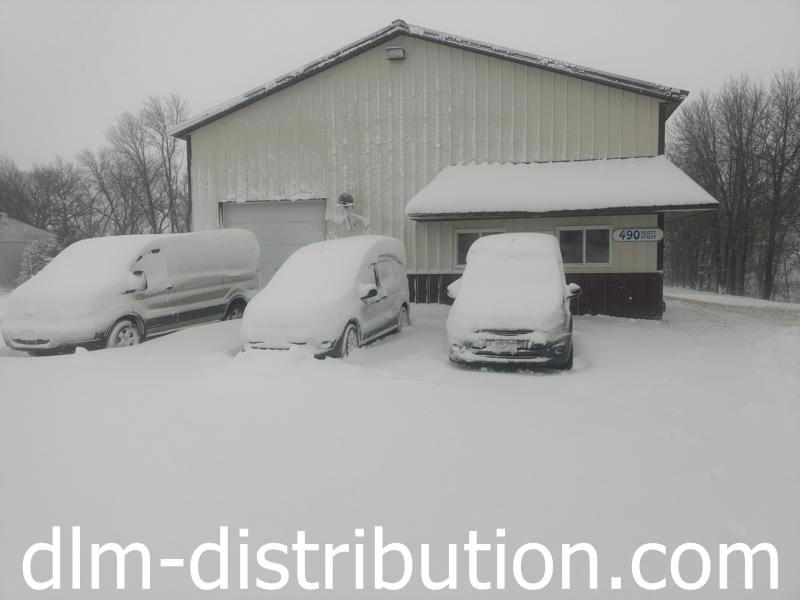
By offering compact FWD platforms like the Transit Connect Mini-T Campervan, larger garageable AWD options like the Chrysler Pacifica Mini-T Campervan, and high-roof AWD platforms like the Mini-T HR, DLM-Distribution provides multiple approaches to campervan travel rather than a single one-size-fits-all solution.
Ultimately, the best drivetrain is the one that gives you confidence and comfort to travel the way you want to travel.
Happy camping!

DLM-Distribution / Campervans is a licensed manufacturer and dealer located in Lake Crystal, Minnesota, serving clients around the country.
Contact Dave: 651-285-7089 or Candy: 507-382-9446 today!