Published December 5, 2015  •  Updated June 29, 2026
Category: HOA & Practical Ownership

Can a Campervan Fit in a Standard Garage? Why It Matters More Than Most RV Buyers Realize

When people begin shopping for a campervan, they often focus first on floorplans, sleeping space, appliances, fuel economy, and travel features. Those things matter. But one of the most important ownership questions is often overlooked until later:

Where will the campervan be parked when it is not being used?

For many RV buyers, storage becomes one of the biggest long-term challenges of ownership. Larger RVs may require outdoor parking, paid storage, special driveway space, or neighborhood approval. For people who live in HOA communities, condos, townhomes, cities, or areas with limited parking, this can quickly become a deciding factor.

That is why the ability to fit in a standard residential garage can change the entire campervan ownership experience.

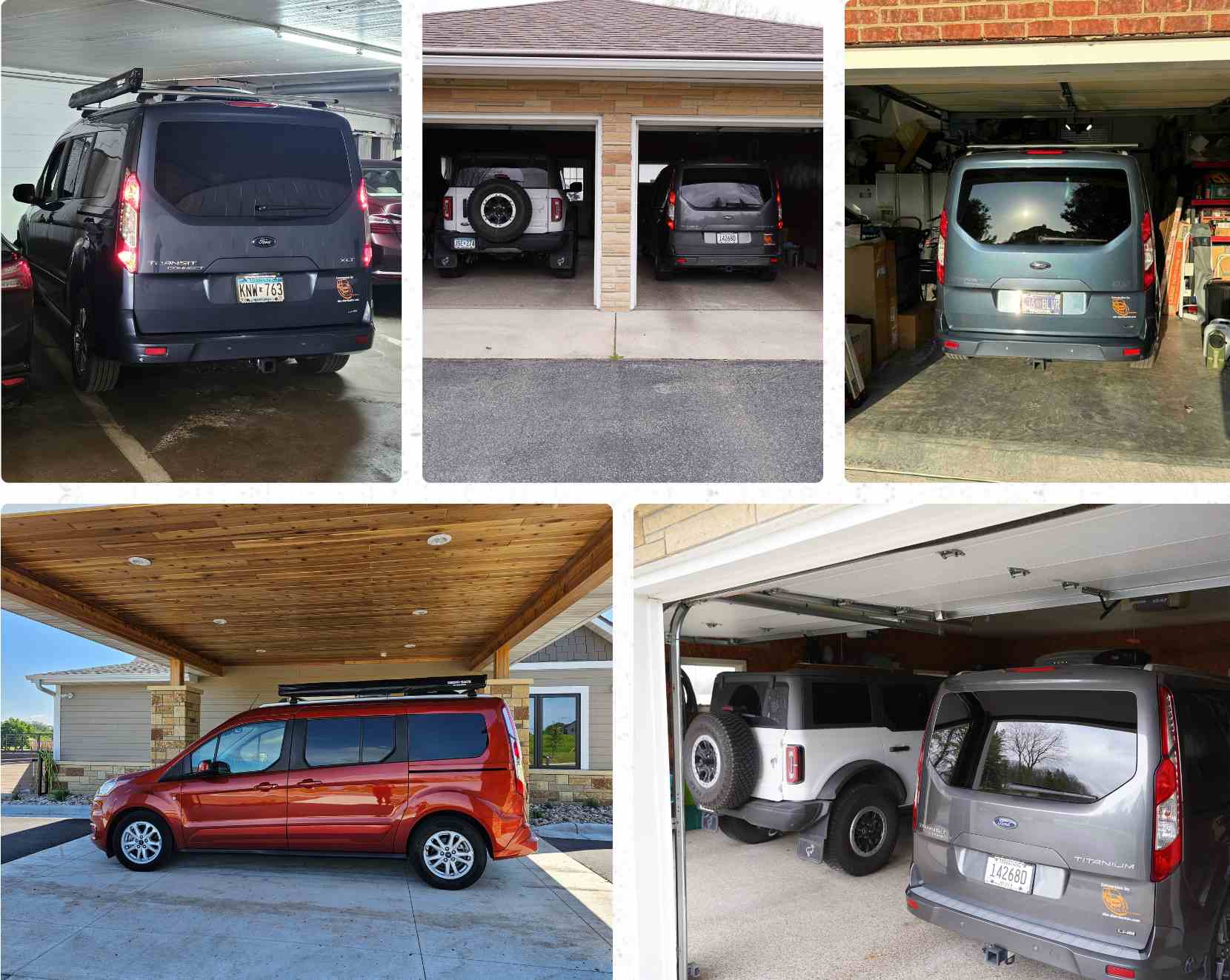
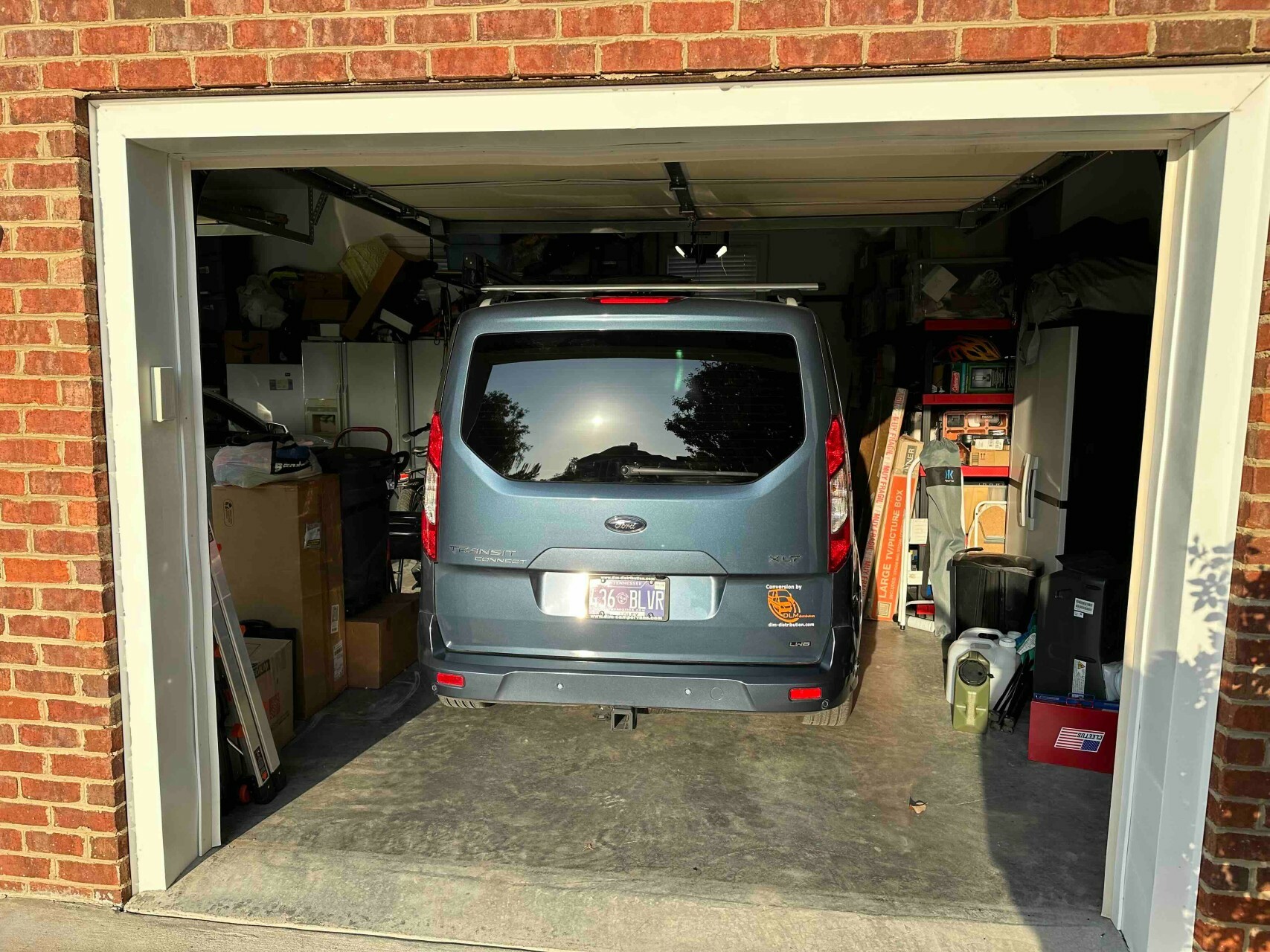
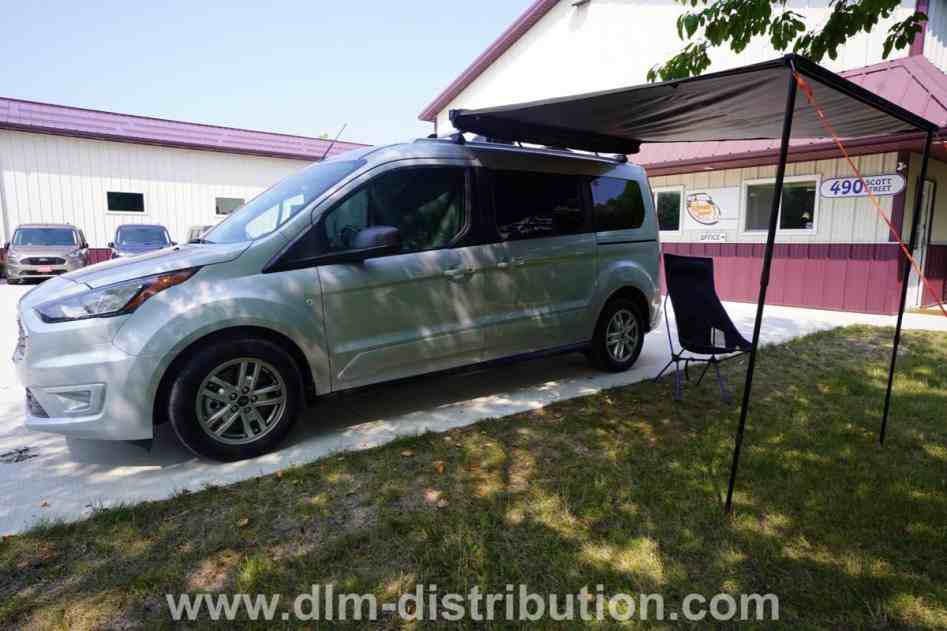
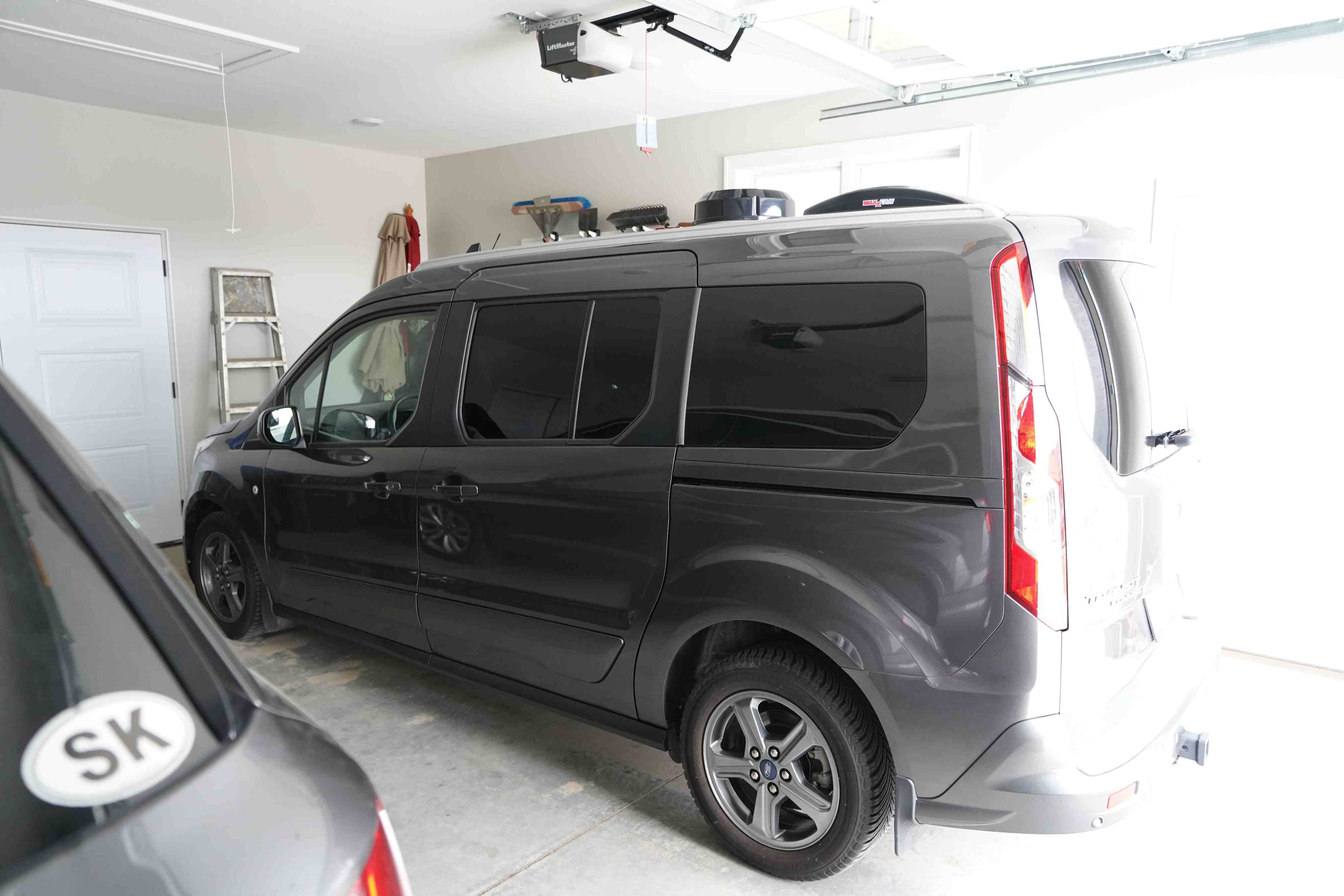
Mini-T Campervan parked inside a standard residential garage

Why Garageability Matters

A campervan that fits in a garage is not simply easier to store. It is easier to own.

Garage storage can reduce or eliminate the need for paid off-site RV storage. It protects the campervan from weather, sun exposure, hail, snow, falling branches, theft, vandalism, and long-term outdoor wear. It also keeps the vehicle close at hand, making short trips and spontaneous travel much easier.

For many owners, the difference between using a campervan often and letting it sit unused comes down to convenience. If the campervan is stored across town in an RV lot, every trip requires extra planning. If it is parked at home in the garage, it is ready when you are.

The Hidden Cost of RV Storage

Many larger RVs come with an ongoing expense that buyers may not fully consider at first: storage.

In many neighborhoods, a full-size motorhome cannot be parked in the driveway, on the street, or beside the house. Even where outdoor parking is allowed, weather exposure and security concerns may make it less desirable. Paid RV storage can add a monthly cost and may require driving to another location before every trip.

That extra step matters. It can turn a simple weekend getaway into a project. It can make spontaneous travel less likely. It can also increase the total cost of ownership over time.

A garageable campervan avoids many of these issues by allowing the vehicle to live at home like a normal vehicle.

Garageable campervan fitting in a residential garage

HOA Communities and Neighborhood Parking Rules

Garageability becomes especially important for homeowners who live in communities with parking restrictions.

Many Homeowners Associations, condo associations, townhome communities, and city neighborhoods regulate recreational vehicles, trailers, boats, commercial vehicles, and overnight street parking. Some communities allow temporary RV parking for loading and unloading but prohibit long-term exterior storage. Others require recreational vehicles to be stored off-site or fully inside a garage.

If you are buying a home in an HOA community, it is wise to review the rules before purchasing an RV. Our guide to Buying a Home in an HOA Community: What Every Homebuyer Should Know Before You Purchase explains what documents and questions buyers should review before closing.

For many homeowners, a campervan that fits in the garage can make the difference between owning an RV comfortably and constantly worrying about parking rules.

Public Streets, Driveways, and Parking Garages

Even outside an HOA, parking can be complicated. Public streets are often regulated by city or county ordinances. Driveways may be subject to neighborhood covenants or local rules. Parking garages may have height restrictions that prevent many taller vans and RVs from entering.

This is one reason height matters so much. A campervan that is easy to drive but too tall for garages, covered parking, or residential storage may still create everyday ownership challenges.

If you are researching street parking and local rules, Can You Park an RV on a Public Street? Understanding HOA Rules and Local Parking Laws takes a closer look at how public streets, private streets, driveway rules, and local ordinances can affect RV ownership.

Not Every Campervan Fits in a Standard Garage

The word campervan can describe many different vehicles. Some are compact and low-profile. Others are built on tall, full-size van platforms that may be excellent for interior standing room but too tall for residential garages, parking ramps, car washes, or HOA-friendly storage.

That is not necessarily a flaw. Larger campervans may be a good fit for some travelers. But buyers should understand the tradeoff. More exterior height often means fewer everyday parking options.

Before buying any campervan, it is worth measuring:

  • Your garage door opening height
  • Your garage interior depth
  • The campervan’s overall height with roof features
  • The campervan’s overall length
  • Clearance for garage door hardware, lights, shelving, and storage
  • Parking garage heights in places you commonly visit
  • HOA, condo, or city vehicle storage rules

These practical details may not be as exciting as planning a road trip, but they can have a major impact on how enjoyable the campervan is to own.

The Mini-T Campervan Was Designed Around Garageability

The Mini-T Campervan lineup, manufactured by DLM-Distribution in Lake Crystal, Minnesota, was designed around a different idea: a campervan should make travel easier without complicating everyday life.

Instead of requiring special storage, a large driveway, or off-site RV parking, the Mini-T Campervan is designed to fit inside many standard residential garages. That garage-friendly size is one of the reasons the Mini-T works well for many homeowners, HOA residents, condo owners, retirees, solo travelers, and people who want an RV that can also function as an everyday vehicle.

Mini-T Campervan designed to fit in many standard residential garages

Garageable Does Not Mean Giving Up Campervan Capability

A common assumption is that a campervan small enough to fit in a garage must give up too much camping functionality. The Mini-T Campervan was designed to challenge that assumption.

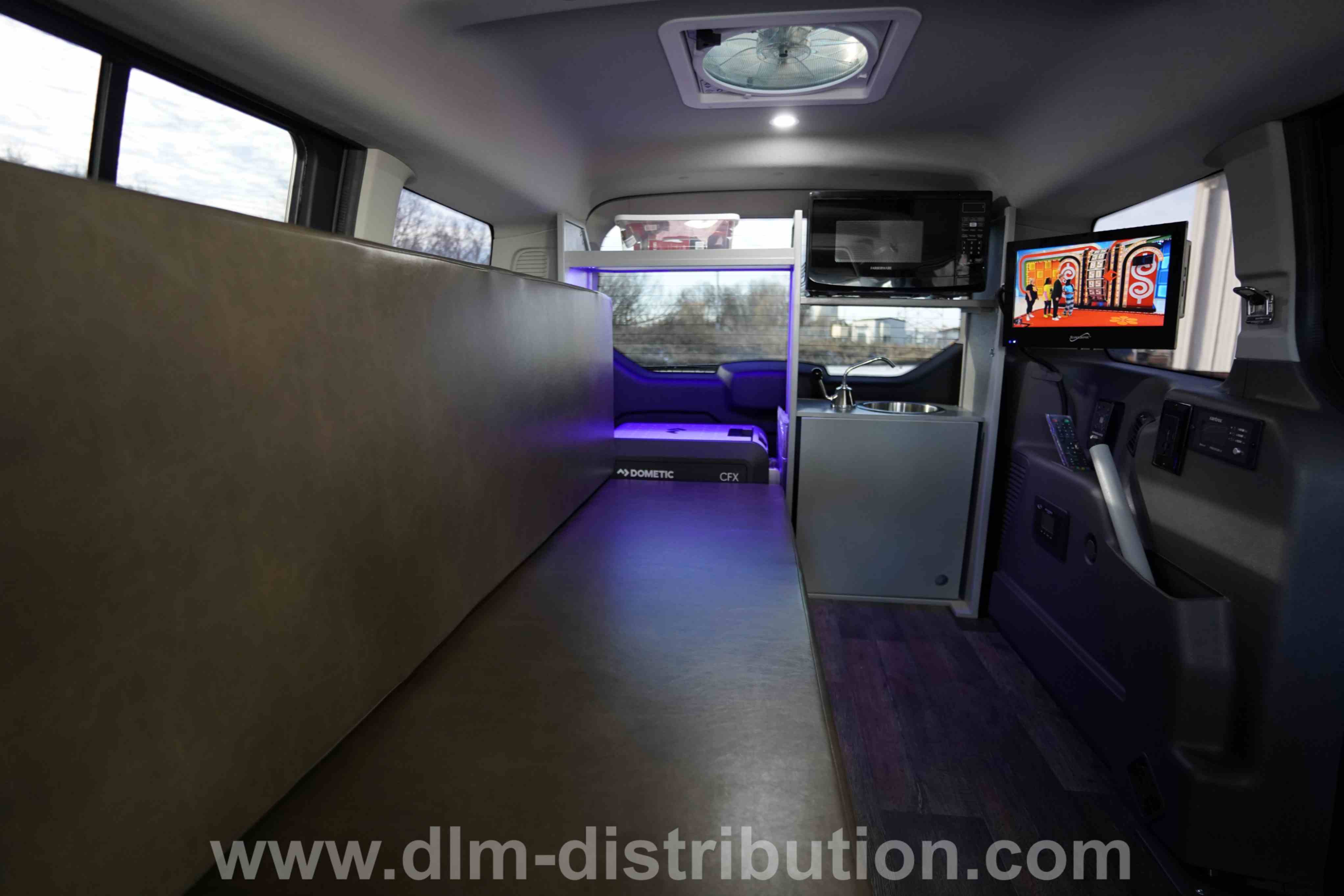
Depending on the model and configuration, the Mini-T provides practical campervan features such as a comfortable sleeping area, refrigerator, microwave, off-grid electrical capability, solar charging, house battery power, ventilation, storage, privacy features, and a compact travel layout designed for real use.

The goal is not to imitate a large motorhome. The goal is to provide the essentials in a campervan that remains easy to park, easy to drive, easy to store, and easy to use often.

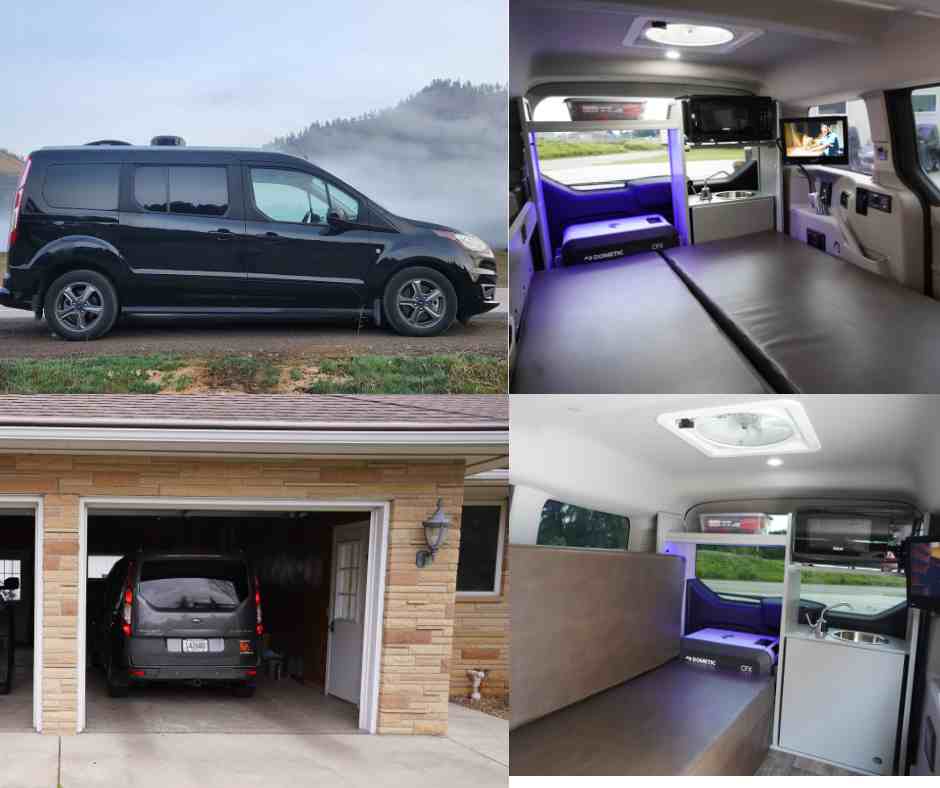
Interior features and camping layout inside a compact Mini-T Campervan

Daily Driving Becomes More Realistic

Garageability also supports another important advantage: daily use.

A campervan that fits at home, parks in regular spaces, and drives like a smaller vehicle is much easier to use for errands, appointments, commuting, family visits, and weekend travel. It does not need to be reserved only for vacations.

That matters because many RVs are used less often than owners originally imagined. When a campervan is simple to live with every day, it is more likely to be used for short trips, scenic drives, state parks, trailheads, overnight getaways, and spontaneous travel.

For a deeper look at this ownership style, see Daily Driver or Weekend Camper? Why You No Longer Have to Choose.

Protection From Weather and Time

Keeping a campervan in a garage is not only about convenience. It also helps protect the vehicle.

Outdoor storage exposes an RV to sun, rain, snow, hail, ice, wind, tree sap, bird droppings, and temperature extremes. Over time, that exposure can affect paint, seals, tires, batteries, upholstery, electronics, and exterior components.

Garage storage helps reduce that exposure. It can also make pre-trip preparation more comfortable in bad weather and make post-trip cleanup easier. For owners in northern climates, hot climates, storm-prone areas, or places with harsh sun, that protection can be a meaningful long-term benefit.

Garageability Encourages Spontaneous Travel

One of the biggest advantages of a garageable campervan is that it stays close.

When the campervan is parked at home, stocked, and ready, travel becomes easier to say yes to. A beautiful weekend forecast, a last-minute campground opening, a family visit, or a quiet overnight trip can happen with less planning.

Instead of retrieving an RV from storage, loading it from scratch, and turning every trip into a project, owners can simply add clothing, groceries, and a destination.

That convenience is one reason many garage-friendly campervans tend to be used more frequently than larger RVs. When travel requires less planning, people often find themselves taking more weekend trips, scenic drives, and spontaneous getaways.

Mini-T Campervan parked and ready for spontaneous road trips

What to Consider Before Buying a Campervan

If garage storage matters to you, ask practical ownership questions before buying:

  • Will the campervan fit through my garage door?
  • Will it fit inside my garage with enough room to walk around it?
  • Does the height include roof features such as antennas, fans, racks, or solar panels?
  • Can I use the campervan as a daily driver?
  • Will it fit in standard parking spaces?
  • Will it work with my HOA, condo, or neighborhood rules?
  • Will I need off-site storage?
  • How often will I realistically use it if it is not stored at home?

These questions can help buyers focus on long-term ownership instead of only the first camping trip.

Why a Campervan That Fits in a Garage Changes Everything

Garageability changes the relationship between owner and campervan. It turns the vehicle from something that must be stored, retrieved, and managed into something that is part of everyday life.

For many travelers, that difference leads to more frequent use, lower storage costs, easier maintenance, better protection, and fewer parking concerns. It also makes campervan ownership more realistic for people who live in places where traditional RV storage simply does not work.

The Mini-T Campervan was designed around that practical reality. It offers the freedom of campervan travel without requiring owners to give up garage storage, everyday drivability, or residential compatibility.

A Campervan That Fits Your Life

Can a campervan fit in a standard garage? Some can—but many cannot. Asking that question before you buy may be one of the smartest decisions an RV shopper can make.

For RV buyers, that one detail can matter more than most people realize. A garageable campervan can reduce storage hassles, simplify ownership, protect the vehicle, improve convenience, and make travel more spontaneous.

For those who want a campervan that fits naturally into everyday life, the Mini-T Campervan offers a practical approach: compact enough for many residential garages, capable enough for real travel, and simple enough to use often.

Happy Travels & Happy Camping!

Campervans for Sale: View Current Mini-T Campervan Inventory

DLM-Distribution / Campervans is a licensed manufacturer and dealer located in Lake Crystal, Minnesota, serving clients around the country.

Contact Dave: 651-285-7089 or Candy: 507-382-9446 today!

```