
Choosing the Right Campervan: Practicality, Cost, and Everyday Use
Shopping for a campervan usually begins with the enjoyable questions. Where will we sleep? Is there room for our gear? How does the kitchen work? Could we spend a week traveling in it? Those details matter, and walking through a campervan for the first time is a good way to begin understanding what life on the road might look like.
But there is another part of ownership that is harder to see during a showroom visit. It begins after the campervan comes home, when you need somewhere to park it, something needs servicing, or a beautiful weekend appears on the calendar and you wonder how much effort it will take to get away.
From smaller campervans to full-size Class B motorhomes, different vehicles make different parts of travel and ownership easier. Looking beyond the floorplan can help you find a campervan that remains enjoyable long after the excitement of purchase day has passed.
Start With Where the Campervan Will Live
Before thinking about a distant national park or a cross-country trip, consider where the campervan will spend an ordinary Tuesday. Will it fit in your driveway? Can it be stored at home? Is your garage tall and long enough, including clearance for roof equipment? If you live in a community with parking restrictions, will keeping it inside the garage make ownership more practical?
These questions are not as exciting as choosing a destination, but they can shape how often the campervan gets used. A vehicle kept at home may be easier to stock, clean, inspect, and prepare for a trip. One stored elsewhere may require a little more planning each time you want to leave. Neither arrangement is necessarily a problem; the important thing is knowing what ownership will involve before the vehicle arrives.
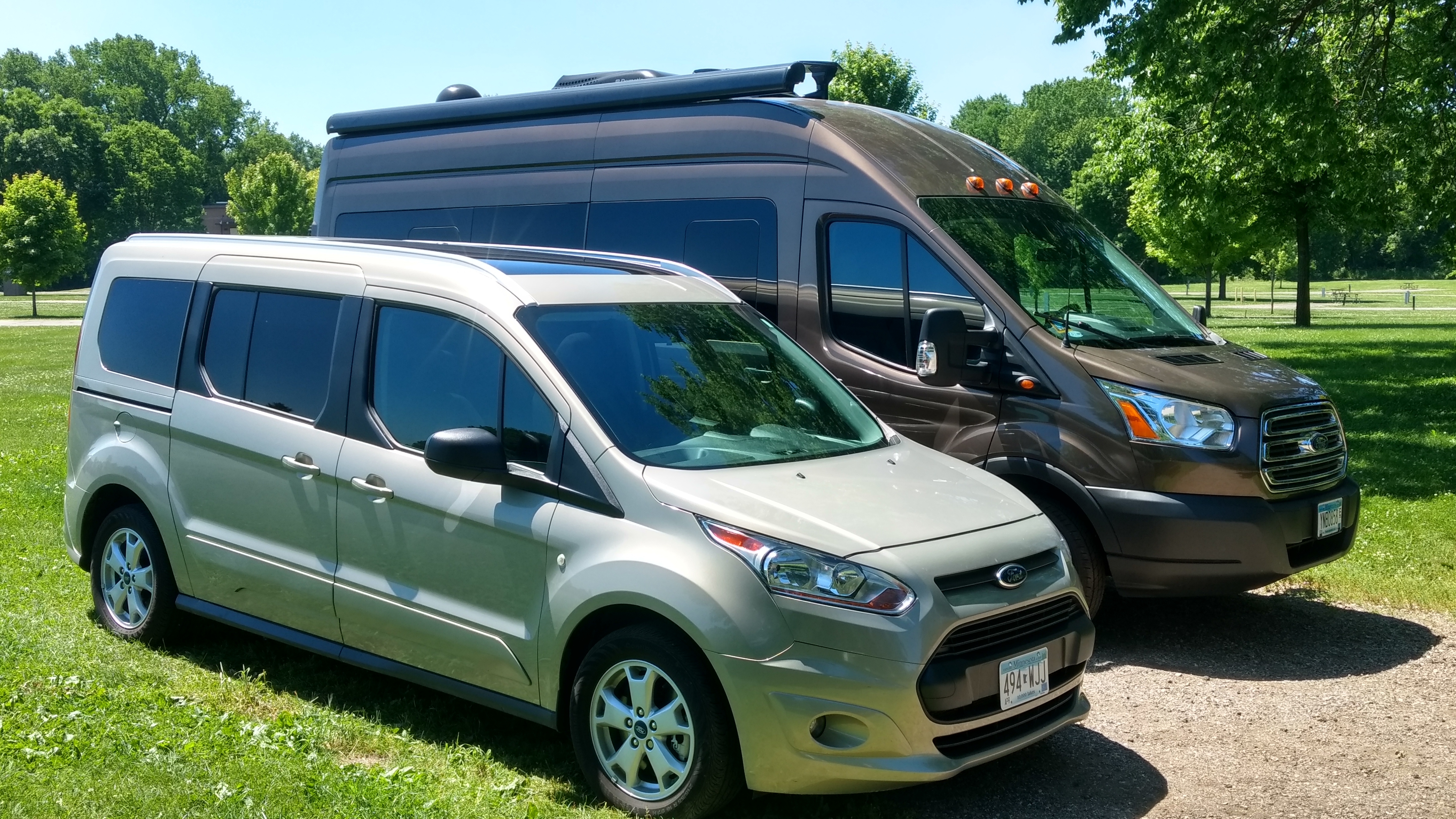
Size also affects ordinary stops along the way. A campervan that fits in a standard parking space can be easier to use when visiting a grocery store, restaurant, museum, trailhead, or small downtown. More interior room has its advantages, but the exterior dimensions travel with you everywhere, including the places where you are not camping.
The Purchase Price Is Only the Beginning
A campervan's price is easy to see. Its ownership costs become clearer over time. Fuel, insurance, tires, routine maintenance, repairs, registration, and storage all belong in the picture, along with any campground fees or other expenses associated with the way you travel.
It is tempting to assume that a smaller vehicle will always cost less to own, but the complete answer depends on the platform, equipment, driving habits, insurance policy, service needs, and how many miles you travel. A larger campervan may offer living space or amenities that are well worth their cost to one owner. Another traveler may find that a smaller vehicle provides everything needed for the trips they actually take, without requiring as much space at home or on the road.
When comparing campervans and their ownership costs, it helps to look beyond a monthly payment or a fuel-economy figure. Consider the expenses you will encounter throughout the year, including the months when the campervan is parked. The goal is not simply to find the lowest number. It is to understand what you are paying for and whether those costs support the way you want to travel.
Think About Service Before You Need It
Most travelers would rather spend a morning on a scenic highway than in a service waiting room. Still, every vehicle needs maintenance, and knowing where that work can be performed is part of choosing a campervan.
Ask about the underlying vehicle platform, the availability of replacement parts, and the types of service facilities that can accommodate its height, weight, and configuration. A familiar North American vehicle platform may offer a broad network for routine automotive service, although not every dealer or repair shop can handle every RV configuration. Camper equipment is another consideration: refrigerators, electrical systems, water systems, and other installed components may require a different kind of service than the engine or brakes.
It is worth understanding that distinction before leaving on a long trip. Who handles a vehicle warranty issue? Who can diagnose a problem with the camper electrical system? Where would you turn if an appliance needed attention? Clear answers can make an unexpected repair less disruptive, especially when you are far from home.
Fuel Economy Matters Most When You Use It
Fuel economy becomes more meaningful when it is considered alongside the trips you hope to take. A campervan used for a few nearby weekends each year has a different fuel budget from one that regularly crosses several states. For travelers who enjoy covering long distances, even a modest difference in fuel consumption can add up over thousands of miles.
There is also a less obvious consideration: how comfortable you feel using the campervan for trips that are not major vacations. A scenic drive, an overnight visit with friends, or a spontaneous weekend may be easier to fit into the budget when the vehicle is economical to operate. Fuel cost is not the only factor in deciding whether to go, but it is one of the expenses that accompanies nearly every mile.
Compare fuel-economy information for the actual vehicle and configuration you are considering rather than relying on a broad claim about campervans as a category. Engine, drivetrain, weight, terrain, speed, weather, and driving habits all influence what you will experience on the road.
Consider the Days Between Trips
A campervan can be a wonderful place to spend a vacation, but most owners also live with it between vacations. That is where everyday usability begins to matter in ways that may not be obvious when comparing floorplans.
Could you drive the campervan to lunch while visiting a new town? Would you be comfortable taking it to the grocery store after setting up at a campground? Can you wash it conveniently, keep it close to home, and leave for a nearby state park without turning the departure into a project? Some travelers want a dedicated RV that is brought out for planned trips. Others appreciate having a campervan that can also serve as ordinary transportation.
Neither approach requires giving up the pleasures of camping. The difference is how the vehicle fits into the rest of life. A campervan that is easy to reach, prepare, drive, and park may make shorter trips more appealing simply because there is less to arrange before leaving.
How the Mini-T Approaches Everyday Ownership
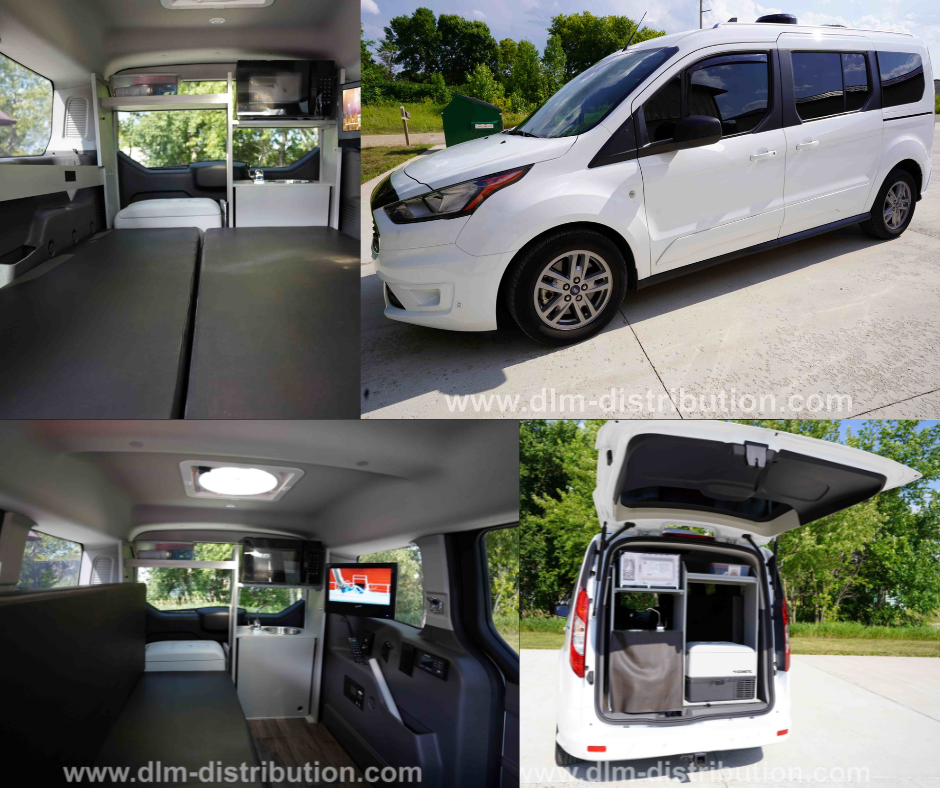
The Mini-T Campervan lineup reflects the idea that camping capability and practical ownership should work together. DLM-Distribution manufactures Mini-T Campervans on several vehicle platforms, including the Ford Transit Connect, Chrysler Voyager, Chrysler Pacifica, and the larger Ford Transit used for the Mini-T HR. Each provides a different combination of vehicle size, interior room, driving characteristics, and camping capability.
The smaller Mini-T models are particularly useful examples of how vehicle dimensions can influence ownership. Depending on the model and the dimensions of the garage, they can fit in a residential garage and standard parking spaces while providing sleeping accommodations, refrigeration, microwave cooking, fresh water, storage, and solar-supported electrical systems with 120V off-grid capability. The high-roof Mini-T HR takes a different approach, providing more interior height and a larger vehicle platform for travelers who place greater value on those features.
The point is not to make every Mini-T the same size or to suggest that one configuration suits every traveler. It is to provide useful camping accommodations while considering the practical details that determine how comfortably an owner can travel with, maintain, store, and use the vehicle.

The Campervan You Use Is the One That Matters
It is easy to become absorbed in specifications while shopping. A little more storage, another appliance, a different seating arrangement, or a larger interior can all seem important when the vehicles are parked side by side. Some of those features may prove essential. Others may matter less once you begin traveling and discover how you actually spend your days.
Think about the whole experience, from where the campervan will be parked at home to what happens when you arrive at a destination. Consider how often you expect to travel, how far you want to go, what you need inside, and what you want the vehicle to make easier outside the campground. Those everyday details can tell you as much about a campervan's suitability as its equipment list.
A good campervan should provide what you need when the day ends. Just as importantly, it should make it easy enough to leave that you have more opportunities to discover where the next day might take you.
Happy Travels & Happy Camping!
DLM-Distribution / Campervans is a licensed manufacturer and dealer located in Lake Crystal, Minnesota, serving clients around the country.
Contact Dave: 651-285-7089 or Candy: 507-382-9446 today!