California Scenic Road Trips: From Highway 1 and Big Sur to Redwoods, Mountains, and Coastal Camping
California may be America’s ultimate road-trip state. In a single journey, travelers can drive beneath towering redwoods, follow rugged Pacific cliffs, cross high mountain passes, explore desert landscapes, and camp beside alpine lakes. Few places offer such dramatic changes in scenery within a single day’s drive.
Whether your idea of adventure includes coastal highways, national parks, historic towns, mountain lakes, desert night skies, or quiet campgrounds tucked beneath giant trees, California rewards those who slow down and enjoy the journey as much as the destination.

Highway 1: California’s Iconic Coastal Drive
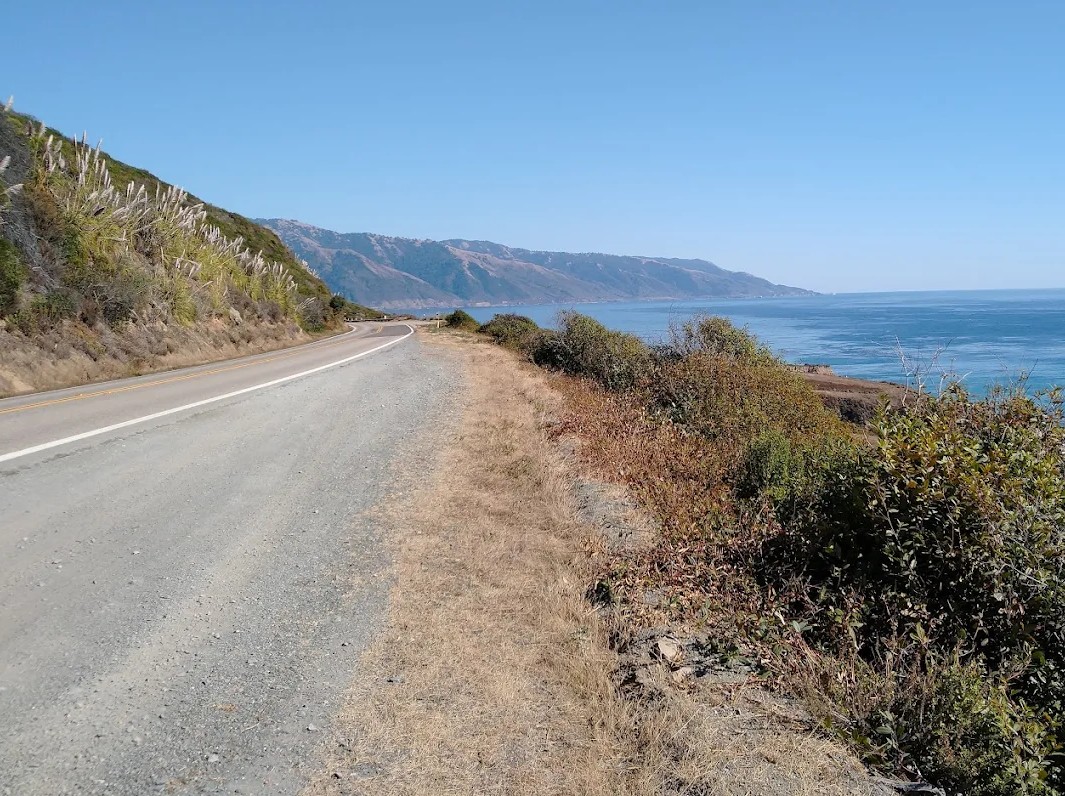
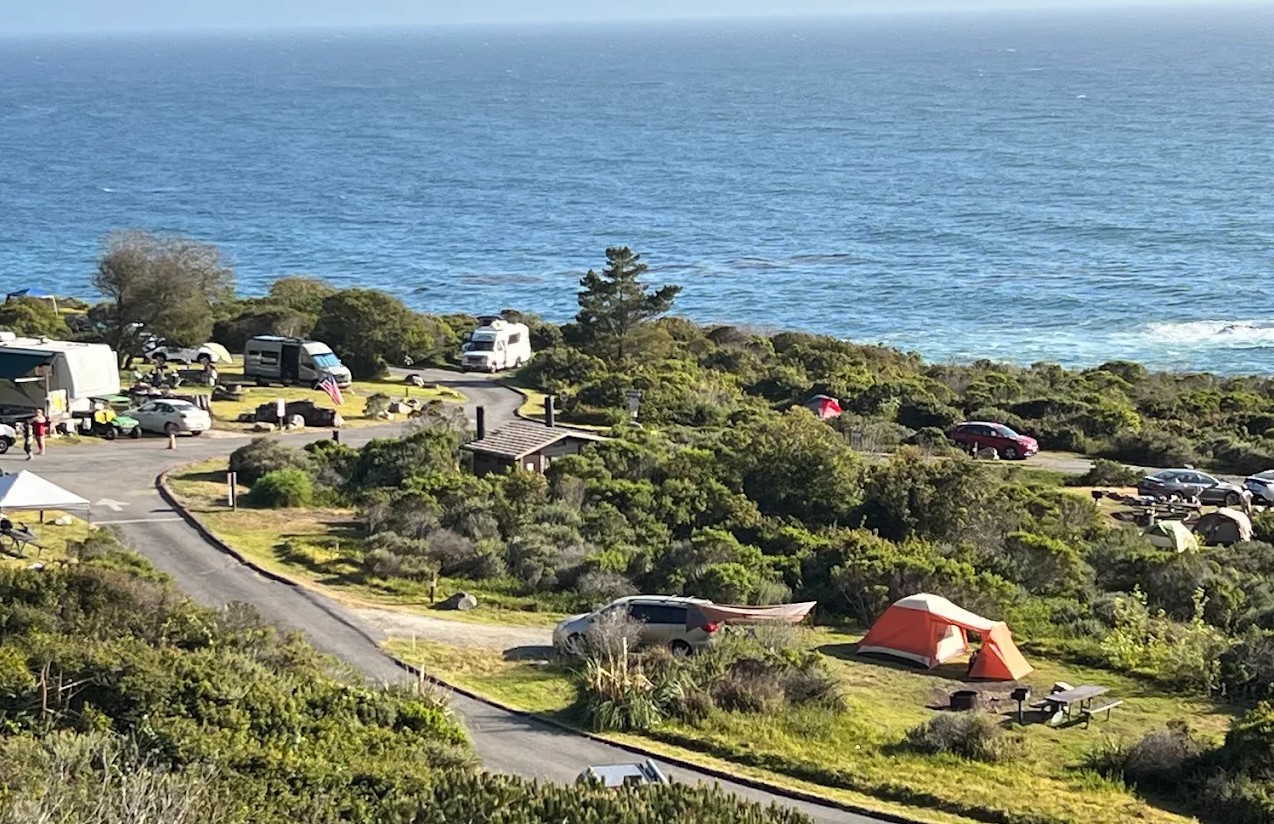
No California scenic road trip discussion begins anywhere other than Highway 1, the legendary Pacific Coast Highway. This route follows some of the most dramatic coastline in North America, where mountains drop toward the ocean, waves crash below steep cliffs, and small coastal communities invite travelers to linger.
The drive itself is often the attraction. Scenic pullouts, beaches, sea stacks, state parks, bridges, coves, and ocean overlooks appear again and again. Highway 1 is not a road to rush. It is a road to experience slowly, with time built in for detours, walks, photos, lunch stops, and unexpected discoveries.

Big Sur: Where Mountains Meet the Pacific
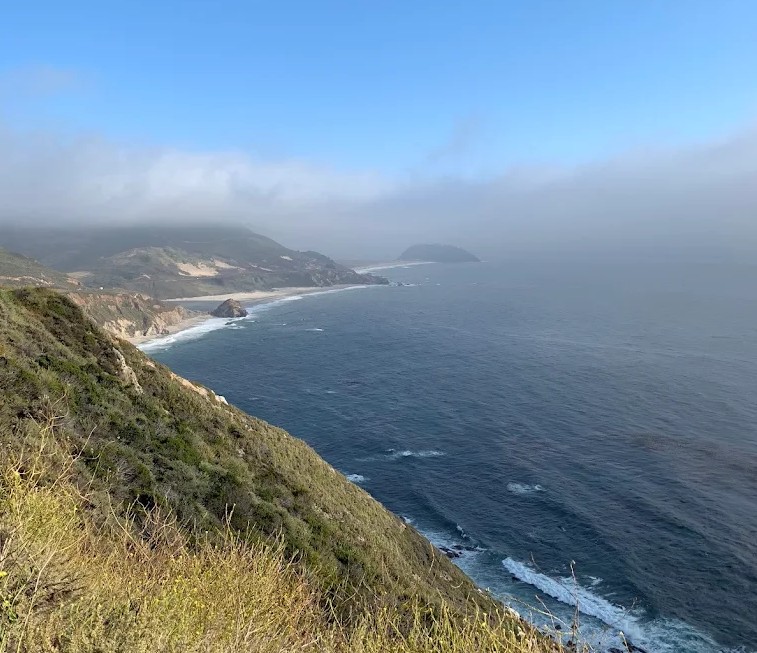
Big Sur may be the most famous section of Highway 1, and for good reason. Here, the Santa Lucia Mountains rise sharply from the Pacific Ocean, creating one of the most breathtaking coastal landscapes in the United States.
Bixby Bridge, McWay Falls, Julia Pfeiffer Burns State Park, Pfeiffer Beach, and countless roadside overlooks make this region unforgettable. But the real magic of Big Sur is not found in checking off stops. It is found in the rhythm of the road: curves, cliffs, fog, sunlight, ocean air, and the constant sense that the next overlook may be even more beautiful than the last.

San Simeon, Hearst Castle, and the Central Coast
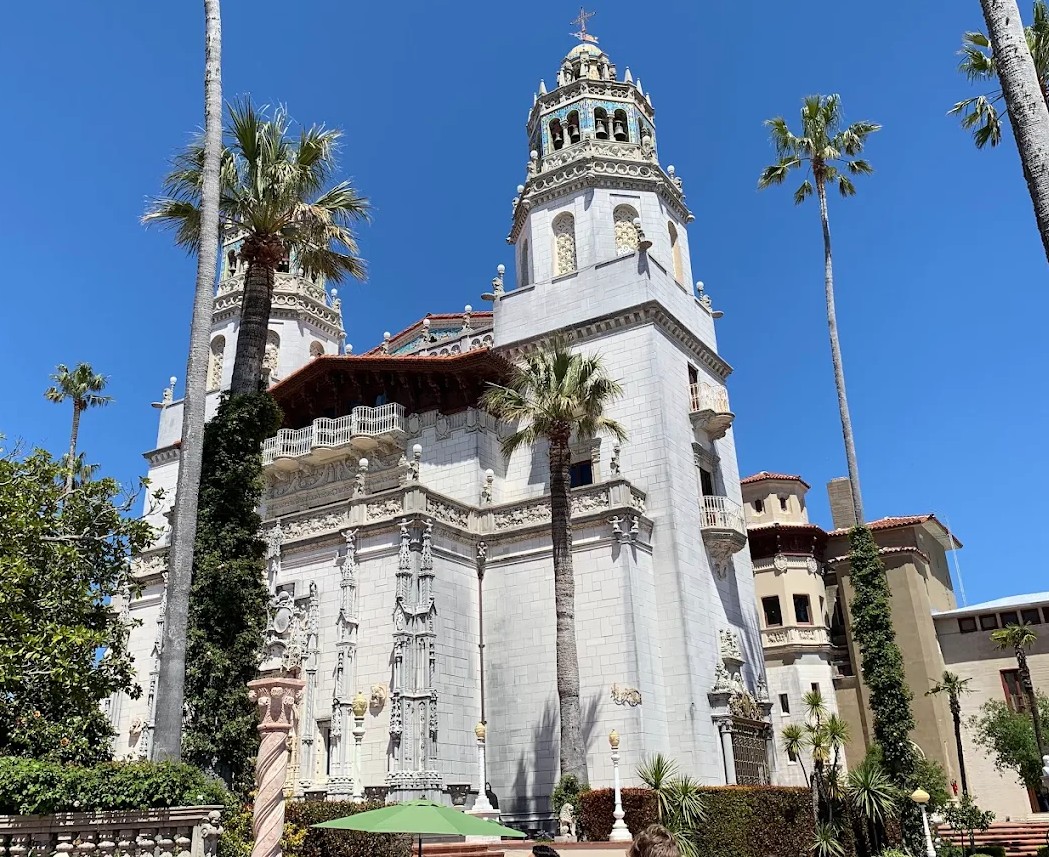
South of Big Sur, San Simeon offers a memorable combination of coastal scenery, wildlife, and history. Hearst Castle rises above the coast as one of California’s most distinctive historic landmarks, while the nearby elephant seal rookery gives travelers an opportunity to watch massive marine mammals from a safe viewing area.
The Central Coast is ideal for travelers who enjoy a slower pace. Beaches, small towns, state parks, coastal campgrounds, wineries, and scenic backroads make this region a natural place to spend more time than originally planned.

Monterey Bay, Santa Cruz, and Coastal Wildlife
Further north, Monterey Bay, Pacific Grove, Carmel, and Santa Cruz combine marine life, coastal trails, historic districts, beaches, and excellent dining. Whale watching, kayaking, surfing, tide pooling, and shoreline walks are popular throughout the region.
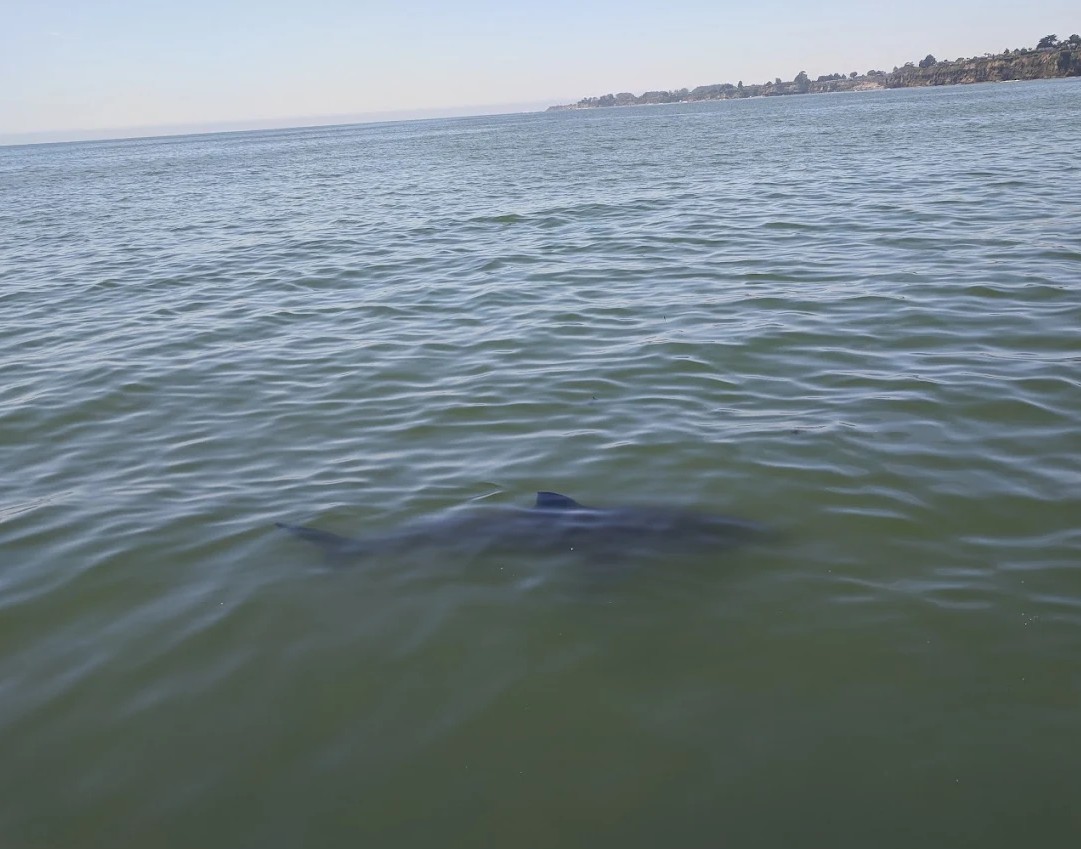
California’s coast is also one of the best places in the country to experience wildlife from the road. Sea otters, harbor seals, sea lions, dolphins, whales, shorebirds, and migrating seabirds all add life to a coastal road trip. In some seasons, simply stopping at the right overlook can turn into an unforgettable wildlife encounter.
Avenue of the Giants and California’s Redwood Forests
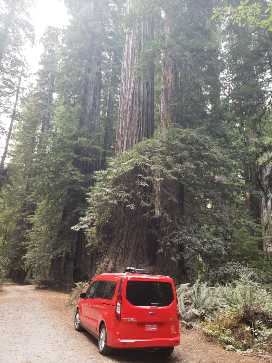
Northern California offers an entirely different kind of scenic drive. The Avenue of the Giants winds through Humboldt Redwoods State Park beneath some of the tallest trees on Earth. Driving this road feels less like passing through a forest and more like entering a living cathedral.
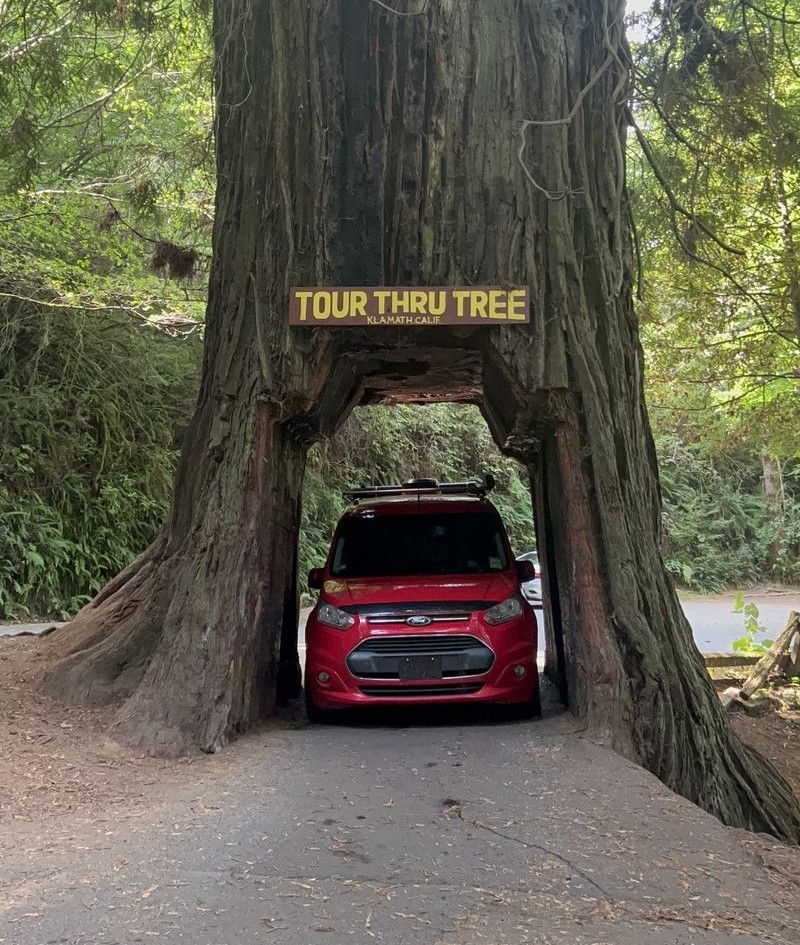
Coast redwoods can tower hundreds of feet above the roadway, filtering sunlight and quieting the world below. Nearby Redwood National and State Parks expand the experience with hiking trails, scenic drives, elk viewing areas, beaches, and old-growth forests that have stood for centuries.
For campervan travelers, the redwoods are especially memorable because the campgrounds themselves often become part of the experience. Waking beneath ancient trees is very different from simply visiting them for the afternoon.

The Redwood Highway and Northern Coast
Highway 101, often called the Redwood Highway through portions of Northern California, connects forests, coastal towns, rivers, beaches, and state parks. This region is quieter than much of the Central and Southern California coast, offering travelers a more relaxed road-trip pace.
Small communities, rugged beaches, foggy mornings, forested campgrounds, and scenic river corridors make Northern California especially rewarding for travelers who enjoy nature without constant crowds.
Highway 395: California’s Mountain Road Trip
For many experienced travelers, Highway 395 along the eastern Sierra Nevada may be California’s most underrated scenic drive. Running from the Mojave Desert north toward Lake Tahoe, this route follows the dramatic eastern wall of the Sierra, passing desert valleys, alpine lakes, volcanic landscapes, hot springs, historic sites, and mountain towns.
Highlights include Mammoth Lakes, Mono Lake, Bodie State Historic Park, Convict Lake, Alabama Hills, Bishop, Lone Pine, and the June Lake Loop. The Sierra Nevada provides a stunning backdrop for nearly the entire journey.
Highway 395 is especially appealing because it feels different from the coastal version of California many travelers know. It is wide open, mountainous, dramatic, and deeply tied to outdoor recreation.

Yosemite National Park and Tioga Road
No California road trip guide would be complete without Yosemite National Park. Home to Half Dome, El Capitan, Yosemite Falls, giant sequoias, granite domes, and alpine meadows, Yosemite remains one of the most recognizable national parks in the world.
For road-trippers, the journey into Yosemite can be every bit as memorable as the destination. Tioga Road, when open seasonally, crosses Yosemite’s high country and connects the park with Highway 395. Alpine lakes, meadows, granite scenery, and high-elevation overlooks make this one of California’s great mountain drives.
Because Yosemite can become crowded, travelers should plan ahead, check seasonal road conditions, and consider visiting during shoulder seasons when possible.
California’s National Parks: More Than One Road Trip
California has one of the most remarkable collections of national parks in the country. Yosemite may be the most famous, but it is only the beginning.
Sequoia and Kings Canyon National Parks protect giant sequoia groves, deep canyons, mountain roads, and high Sierra wilderness. The Generals Highway connects some of the parks’ most memorable areas and offers a dramatic drive through forested mountain terrain.
Joshua Tree National Park blends Mojave and Colorado Desert landscapes with surreal rock formations, distinctive Joshua trees, and outstanding night skies.
Death Valley National Park showcases extremes: salt flats below sea level, colorful badlands, sand dunes, mountain viewpoints, and vast desert silence.
Lassen Volcanic National Park offers volcanic peaks, hydrothermal features, lakes, forests, and far fewer crowds than many better-known parks.
Pinnacles National Park provides rock formations, caves, hiking, and opportunities to see California condors.
Redwood National and State Parks combine ancient forests with rugged coastline and wildlife-rich meadows.
Channel Islands National Park requires boat or air access, but it adds a completely different dimension to California travel with island hiking, kayaking, wildlife, and coastal scenery.
Together, these parks show why California is not a single-destination state. It is a lifetime of road trips.
California State Parks and Coastal Camping
California’s state park system is one of the great strengths of traveling the state by road. Coastal campgrounds, redwood forests, desert parks, inland lakes, historic sites, beaches, and mountain recreation areas create countless opportunities to stay close to the scenery.
Popular destinations include Julia Pfeiffer Burns State Park, Limekiln State Park, Hearst San Simeon State Park, New Brighton State Beach, Leo Carrillo State Park, Humboldt Redwoods State Park, Jedediah Smith Redwoods State Park, Anza-Borrego Desert State Park, and many more.
Reservations can be competitive in popular coastal areas, especially during peak seasons. But for travelers who plan ahead, remain flexible, and explore beyond the most famous campgrounds, California offers an extraordinary range of places to spend the night.
National Forests, Public Lands, and Mountain Campgrounds
Beyond state and national parks, California’s national forests offer another layer of camping and road-trip opportunity. The Sierra National Forest, Inyo National Forest, Tahoe National Forest, Los Padres National Forest, Shasta-Trinity National Forest, and others provide access to lakes, rivers, trailheads, scenic byways, and quieter campgrounds.
These areas can be ideal for travelers who want a less crowded camping experience or who enjoy being near hiking, fishing, paddling, and mountain scenery. Road conditions vary, so compact vehicles that are easy to maneuver can be a practical advantage.
California’s Deserts Offer Their Own Beauty
While the coastline receives much of the attention, California’s desert landscapes are equally impressive. Joshua Tree National Park combines sculpted boulders, desert plants, and star-filled skies. Death Valley reveals immense scale, colorful geology, dunes, salt flats, and mountain vistas that feel otherworldly.
Anza-Borrego Desert State Park, Mojave National Preserve, and desert routes near the eastern Sierra add even more variety. Winter and spring are often the most comfortable times to explore California’s desert regions, with cooler temperatures and, in good years, wildflower displays.
Unexpected California
California is often imagined as beaches, cities, and sunshine, but road-trippers quickly discover how much more the state contains. Gold Rush towns, ghost towns, volcanic landscapes, high desert basins, vineyards, fishing villages, mountain passes, alpine lakes, giant sequoias, mission towns, agricultural valleys, and remote coastal roads all belong to the California experience.
That variety is what keeps travelers coming back. A California road trip can be tailored to almost any interest: history, hiking, wildlife, photography, surfing, paddling, camping, food, wine, geology, or simply the pleasure of driving beautiful roads.
Wildlife Along the Way
California’s wildlife can be a major part of the journey. Along the coast, travelers may see elephant seals, sea otters, whales, dolphins, harbor seals, tide-pool creatures, and thousands of seabirds. In the mountains and forests, black bears, mule deer, elk, foxes, coyotes, and countless bird species inhabit parks and public lands.
As with all wildlife travel, distance and respect matter. Use binoculars, follow park guidance, never feed animals, and give wildlife room to move naturally.
A Different Experience Every Season
California’s road-trip appeal changes throughout the year.
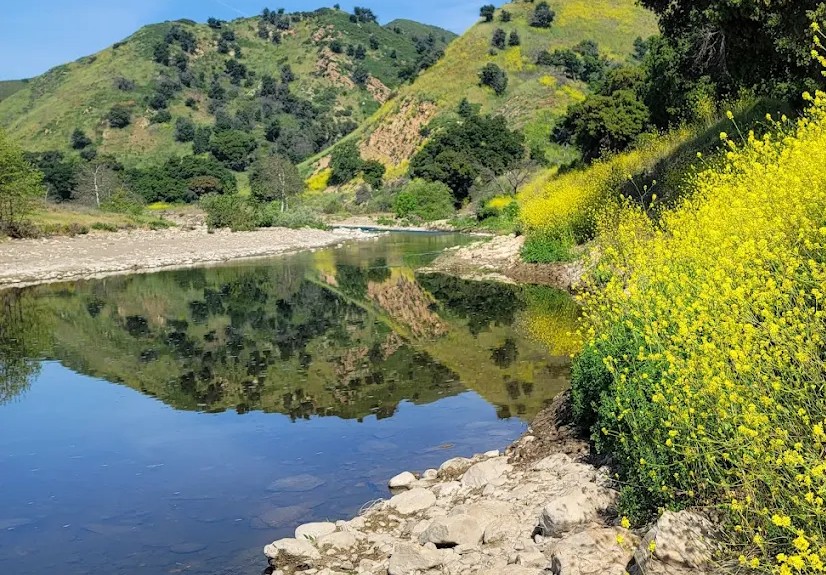
Spring brings waterfalls, wildflowers, green hills, comfortable desert temperatures, and excellent conditions in many parks.
Summer opens high mountain passes, alpine lakes, Sierra campgrounds, beach trips, and longer daylight for extended drives.
Fall brings cooler weather, fewer crowds in many regions, changing colors in mountain areas, harvest season in wine regions, and some of the best road-trip weather of the year.
Winter opens the door to desert exploration, coastal travel, snow-covered Sierra views, and quieter visits to many destinations.
Few states offer so many different travel experiences in every season.
Why Campervan Travel Works So Well in California
California’s combination of scenic roads, campgrounds, national parks, state parks, coastal towns, mountain passes, and desert routes makes it especially well suited for campervan travel.
A compact campervan offers advantages that become clear on California roads. Highway 1 has tight curves, small pullouts, and popular viewpoints. Historic towns may have limited parking. Older campgrounds can have smaller sites. National park parking areas fill quickly. Mountain roads may be narrow. Beaches, trailheads, ferry terminals, and scenic overlooks often reward travelers in smaller, easier-to-manage vehicles.
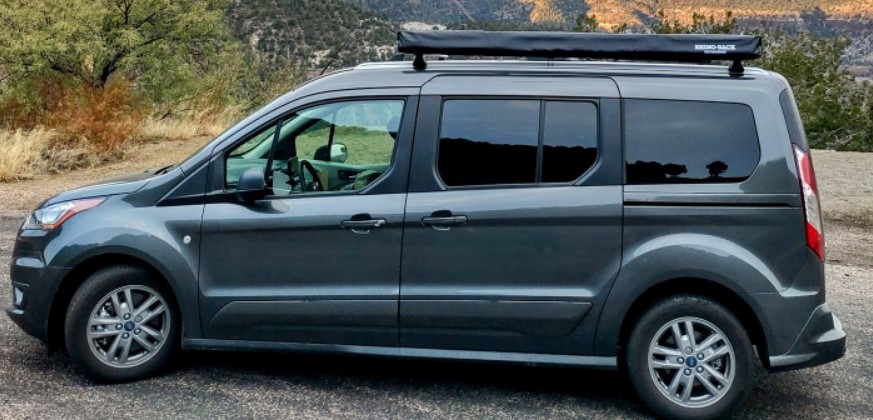
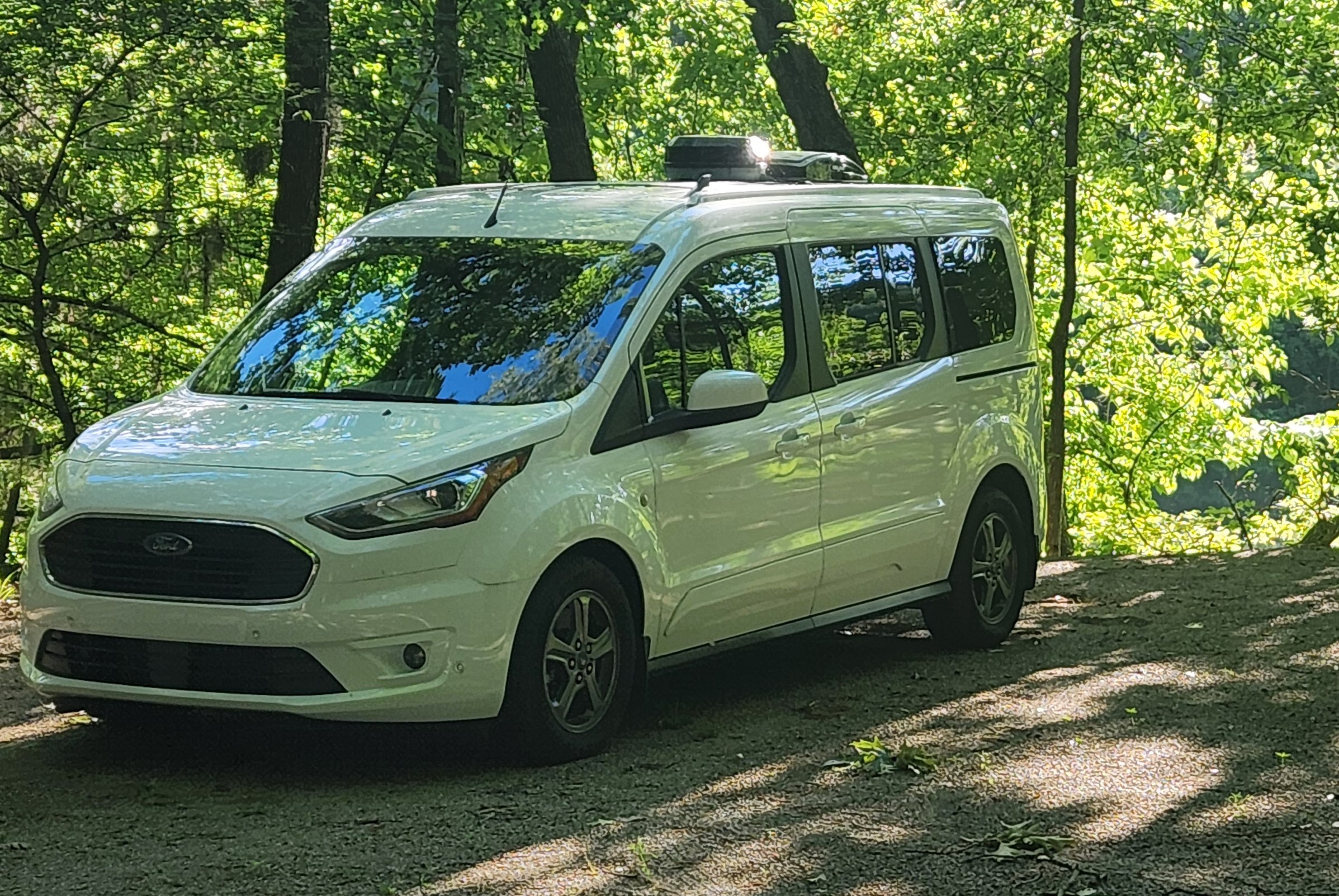
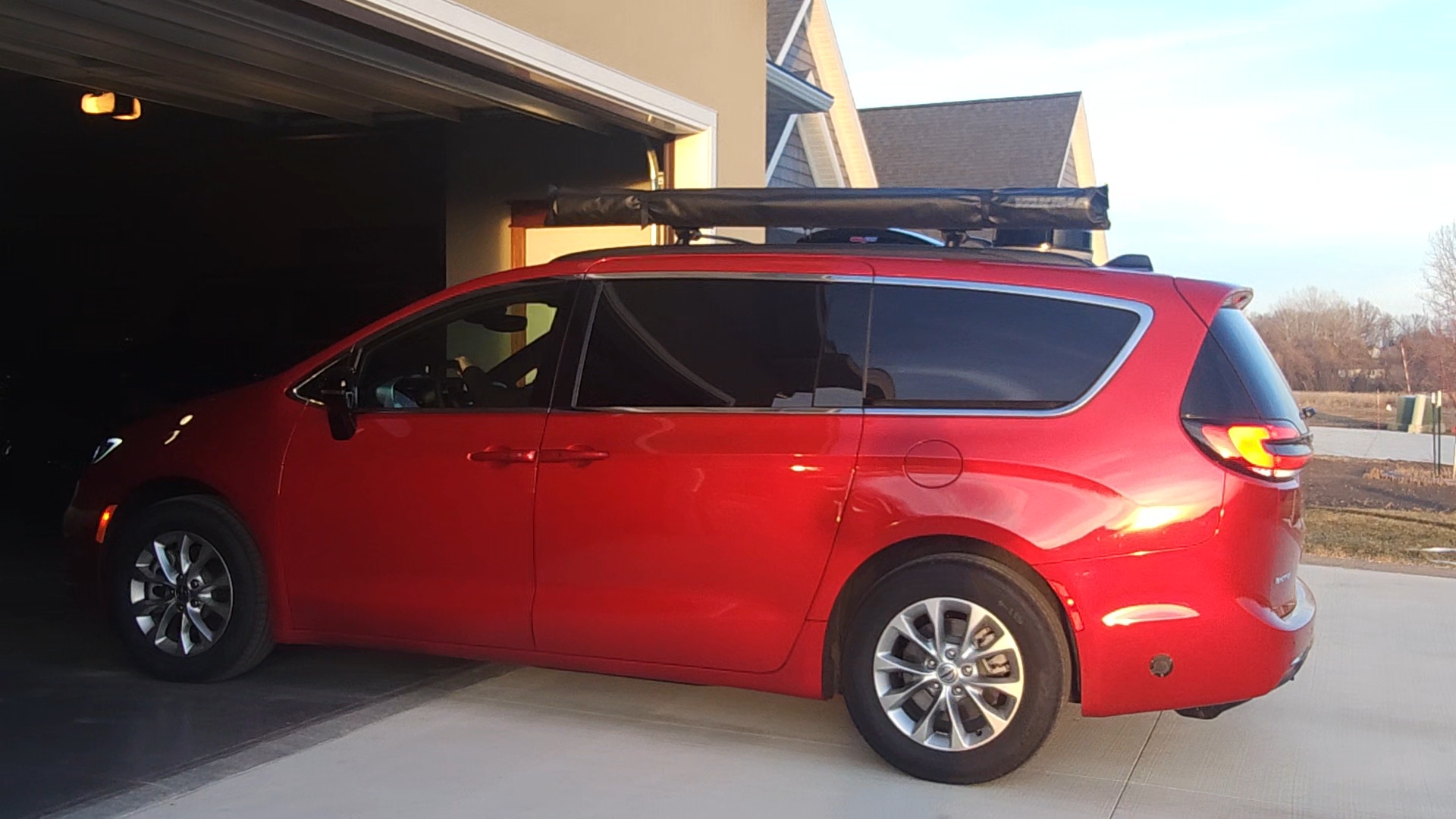
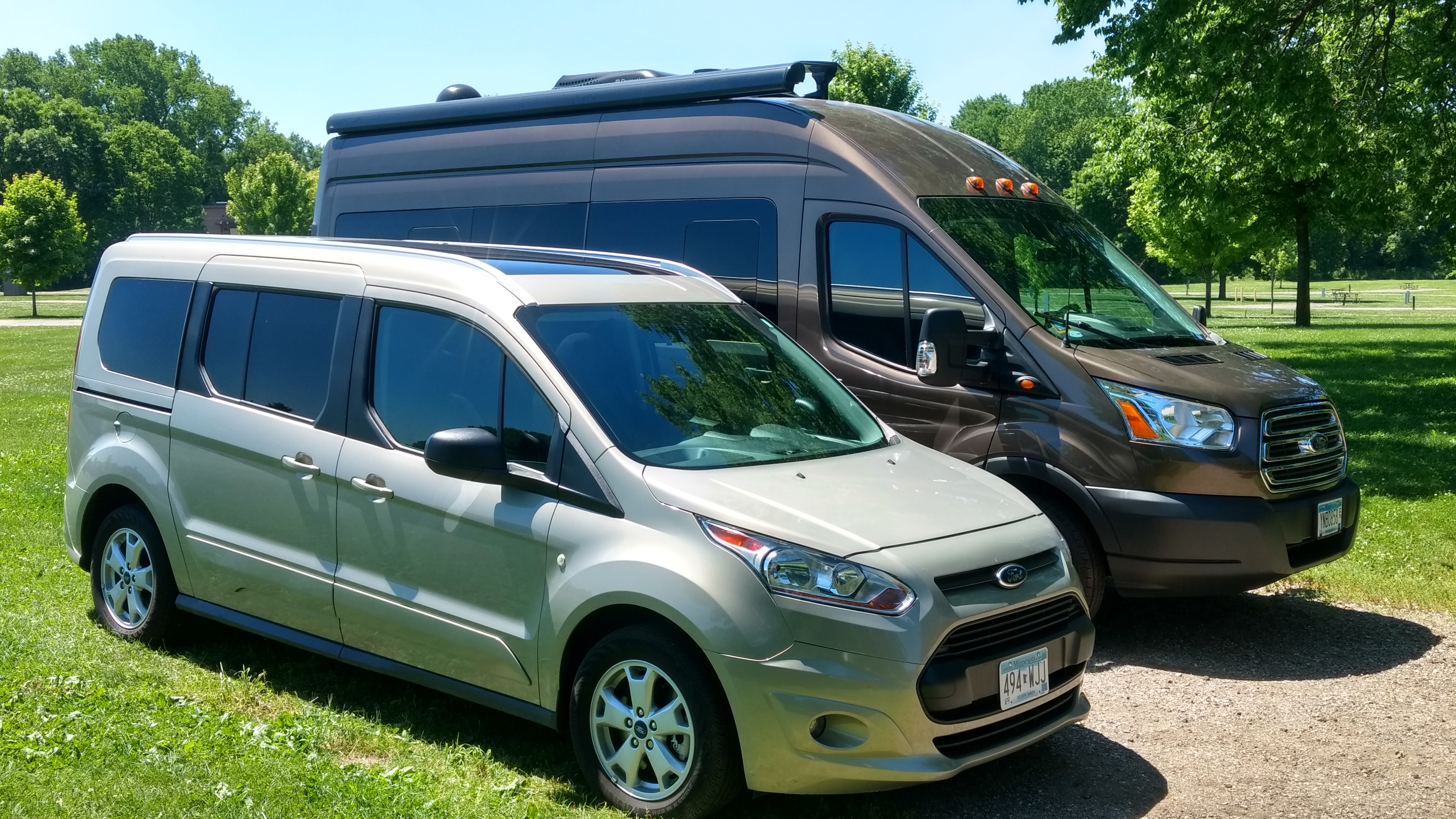
A Mini-T Campervan allows travelers to enjoy these destinations while maintaining the flexibility to stop, explore, and stay close to the places that make California special. It keeps the focus on the journey rather than the logistics of moving a larger RV through crowded or winding areas.

The Journey Is the Destination
California’s greatest attraction may not be a single destination at all. It is the ability to drive from ocean cliffs to redwood forests, from alpine mountains to desert valleys, and from historic small towns to world-famous national parks—all within one state.
One day might begin with fog drifting through ancient redwoods and end beside the Pacific Ocean. Another could take you across an alpine pass into a quiet desert valley beneath a sky full of stars. A weekend might be enough for one scenic route, while a longer trip can connect coast, mountains, desert, and forest into a journey that feels almost endless.
The destinations are extraordinary, but the roads connecting them are every bit as rewarding. Slow down, take the scenic route, and you’ll discover why California continues to inspire generations of road-trip travelers.
Happy Camping!
DLM-Distribution / Campervans is a licensed manufacturer and dealer located in Lake Crystal, Minnesota, serving clients around the country.
Contact Dave: 651-285-7089 or Candy: 507-382-9446 today!