Not All Class B Campervans Are the Same: Understanding the Different Approaches to Travel
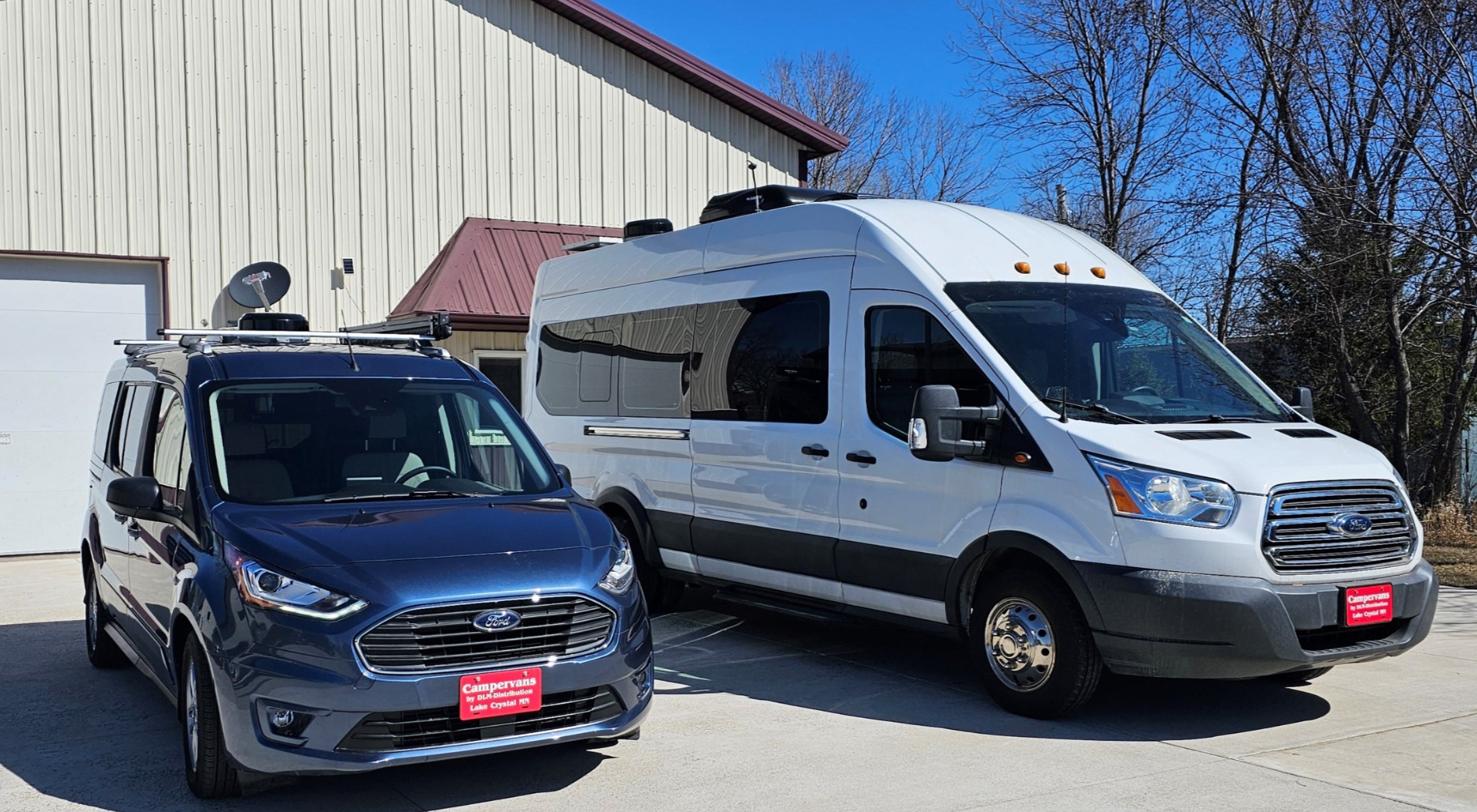
The term Class B campervan can describe a surprisingly wide range of vehicles. Some are built on large, high-roof commercial van platforms with standing-room interiors and more traditional RV features. Others are designed around smaller vehicle platforms that emphasize fuel efficiency, everyday drivability, garage storage, and simple travel.
Neither approach is automatically better. They simply serve different kinds of travelers.
Understanding those differences is important because the best campervan is not always the largest, most expensive, or most heavily equipped model. The best choice is the one that fits how a person actually plans to travel, where they plan to park, how often they expect to use it, and whether the vehicle needs to serve any purpose beyond camping.

Class B Campervans Cover a Wide Range of Designs
Many first-time RV shoppers assume all Class B campervans are fairly similar. In reality, the category includes everything from large high-roof vans with full standing room to compact campervans designed to remain practical in everyday settings.
A full-size high-roof Class B may be ideal for someone planning extended trips, long stays at campgrounds, or months on the road. The extra interior height and space can make daily living more comfortable for travelers who want a larger interior environment.
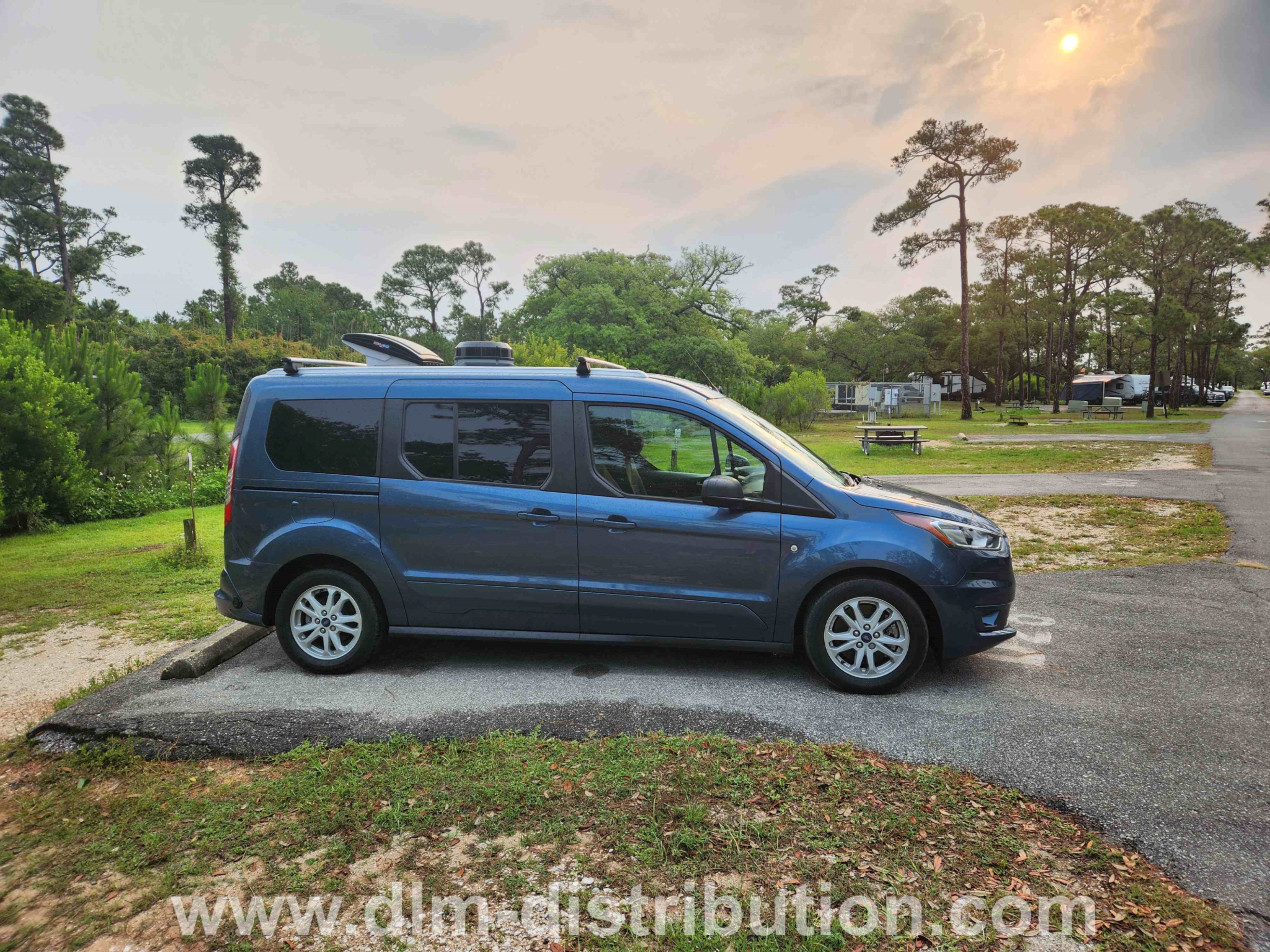
A compact Class B campervan takes a different approach. Instead of maximizing interior volume, it focuses on mobility, efficiency, and ease of ownership. That can make a significant difference for travelers who want camping capability without the size, storage requirements, and driving compromises of a larger RV.

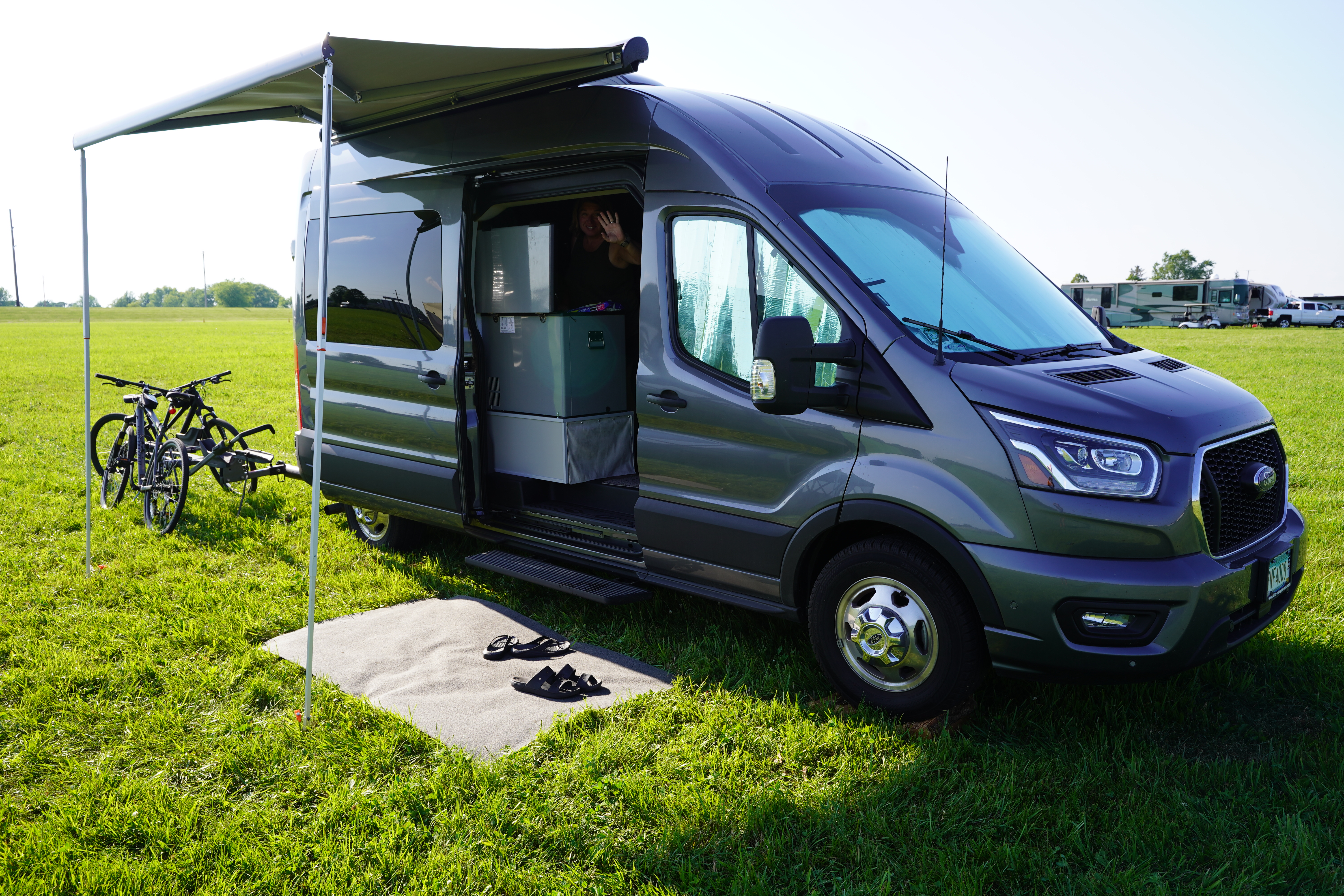
The High-Roof Class B Approach
High-roof Class B campervans are often built for travelers who want more interior space. They may include standing room, larger galley areas, additional storage, enclosed bathroom options, and more room to move inside the vehicle.
For the right owner, those features can be valuable. Travelers who spend long periods living inside the van, work remotely from the road, or prefer more interior space may find that a larger Class B fits their needs well.
However, those advantages usually come with tradeoffs. Larger Class B campervans are taller, heavier, and less likely to fit in a standard residential garage. They may require off-site storage, be more restricted in HOA communities, use more fuel, and feel less convenient for daily driving or urban parking.
That does not make them a poor choice. It simply means they are designed around a different style of travel.

The Compact Campervan Approach
Compact campervans solve a different problem. Rather than trying to provide the largest possible interior, they focus on making travel easier before, during, and after the trip.
A smaller campervan can be easier to drive, easier to park, easier to fuel, easier to wash, and easier to store at home. Those everyday advantages can have a major impact on how often the vehicle is actually used.
For many travelers, this matters more than extra square footage. A campervan that is simple to take on a weekend trip, easy to drive through a small town, and practical enough to keep at home often encourages more frequent travel.

Why Size Changes the Travel Experience
Vehicle size affects more than the interior. It influences nearly every part of a trip.
A smaller campervan can make it easier to visit downtown areas, scenic overlooks, trailheads, ferries, national parks, state parks, restaurants, grocery stores, and roadside attractions. It may also fit into more standard parking spaces and reduce the stress of navigating unfamiliar roads.
Larger campervans can offer more interior comfort once parked, but they may require more planning around height, parking, fuel stops, storage, and campsite access. For travelers who primarily stay in RV parks for longer periods, that may be a reasonable tradeoff. For travelers who enjoy moving frequently and exploring throughout the day, a smaller vehicle may feel more natural.
This is why choosing a Class B campervan should begin with travel style, not just floorplans.
Daily Driving and Year-Round Use
One of the biggest differences between Class B campervan designs is whether the vehicle can realistically be used beyond vacations.
Some larger Class B motorhomes are best treated as dedicated RVs. They may be excellent for road trips but less practical for commuting, errands, parking ramps, car washes, city streets, or residential garages.
Compact campervans can often serve a broader role. Depending on the owner’s needs, a smaller campervan may function as a travel vehicle, daily driver, weekend getaway vehicle, airport vehicle, grocery runner, mobile rest space, or support vehicle for hiking, biking, paddling, and other outdoor activities.
That versatility can reduce the need for a separate vehicle and make the campervan feel like part of everyday life rather than something stored away for occasional use.

Garage Storage and HOA Considerations
Storage is one of the most overlooked parts of RV ownership. Many buyers focus on the trip itself but do not fully consider where the vehicle will live the rest of the year.
A larger Class B campervan may require outdoor parking or paid off-site storage. For homeowners in HOA-managed neighborhoods, condominiums, townhomes, or communities with RV restrictions, this can become a major issue.
A garageable campervan offers a different kind of convenience. When the vehicle fits inside a standard residential garage, it can be protected from weather, kept close to home, and often remain out of sight from neighborhood restrictions. This can make ownership simpler and more practical for people who otherwise might not be able to own an RV at all.
Garage storage also encourages use. When a campervan is at home and ready to go, weekend travel and spontaneous road trips become easier.

Fuel Efficiency and Travel Frequency
Fuel economy is not just about saving money. It affects how often people travel.
If a vehicle is expensive to fuel, owners may save it for major trips. If it is more efficient, shorter trips become easier to justify. A state park weekend, a visit to family, a scenic drive, or an overnight stop can become part of normal life instead of a major event.
This is one reason compact campervans appeal to travelers who want to use their vehicle frequently. Lower operating costs can help remove friction from travel, allowing owners to focus more on destinations and less on logistics.
Which Type of Class B Campervan Fits Your Travel Style?
Different travelers need different tools. A high-roof Class B may be the right choice for someone who wants more interior room, extended living space, and the ability to stand inside the vehicle. That style can work well for long-term travel, campground stays, or travelers who place a high priority on interior space.
A compact campervan may be a better fit for travelers who value efficiency, easier parking, garageability, daily drivability, and the ability to move comfortably between many different kinds of destinations.
Some buyers want the campervan to be a dedicated RV. Others want one vehicle that can support both travel and everyday life. Some want maximum interior comfort. Others want maximum flexibility.
The right answer depends on the person, not the category.
Where the Mini-T Campervan Fits
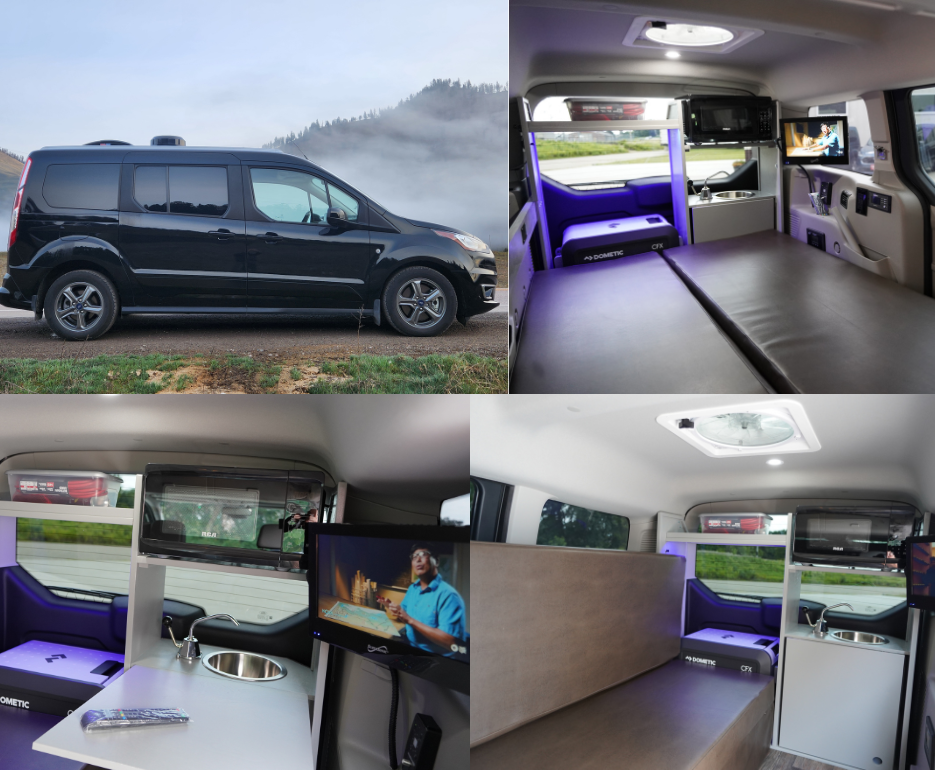
The Mini-T Campervan represents the compact, efficiency-focused side of the Class B category. Rather than trying to be the largest campervan on the road, it is designed to make travel more practical through a smaller footprint, strong fuel efficiency, garageable size, and everyday usability.
That approach is especially appealing for travelers who want real camping capability without giving up the convenience of a vehicle that can still be driven, parked, stored, and used in ordinary settings.
For those living in HOA communities, looking to avoid off-site RV storage, or wanting a campervan that can serve more than one purpose, this type of design can make RV ownership far more manageable.

Choosing the Right Campervan Is Really About Choosing the Right Tradeoffs
Every campervan design involves tradeoffs. More interior room usually means more size. More size often means more storage challenges, higher fuel use, and less everyday practicality. A smaller campervan may require a more efficient interior layout, but it can provide a level of flexibility that larger vehicles often cannot match.
That is why Class B shoppers should think carefully about how they plan to travel.
Will the campervan be used mostly for long campground stays or frequent road trips? Will it need to fit in a garage? Will it be driven daily? Will it be used in cities, national parks, ferries, scenic roads, or HOA communities? Will it replace a second vehicle or remain a dedicated RV?
Answering those questions helps buyers move beyond marketing labels and focus on real-world usability.
Not All Class B Campervans Are the Same
The Class B category is broad, and that is a good thing. It gives travelers options.
Some people need the space and features of a high-roof campervan. Others are better served by a smaller, more efficient vehicle that fits naturally into daily life. Neither approach is wrong. The key is understanding the difference before making a decision.
The best campervan is not simply the one that looks most impressive on a lot. It is the one a traveler will enjoy using for years because it fits their roads, their home, their budget, and their style of travel.
For many people, that realization changes the way they look at Class B campervans entirely.
Happy Camping!
View Current Mini-T Campervan Inventory Here
DLM-Distribution / Campervans is a licensed manufacturer and dealer located in Lake Crystal, Minnesota, serving clients around the country.
Contact Dave: 651-285-7089 or Candy: 507-382-9446 today!