
For many homeowners, condominium residents, and people living in communities with parking restrictions, finding a place to store an RV can be one of the biggest obstacles to ownership. Traditional motorhomes and travel trailers often require outdoor parking or a separate storage facility, creating additional expenses and complications when the vehicle is not being used.
Fortunately, not every recreational vehicle requires a large driveway or dedicated RV storage space. A garageable campervan offers an alternative for travelers who want the convenience of camping accommodations without giving up the ability to park their vehicle at home.
For those living in neighborhoods governed by homeowners associations, or simply looking to avoid the cost and inconvenience of off-site storage, a Class B campervan that fits inside a standard residential garage can make RV ownership considerably more practical.
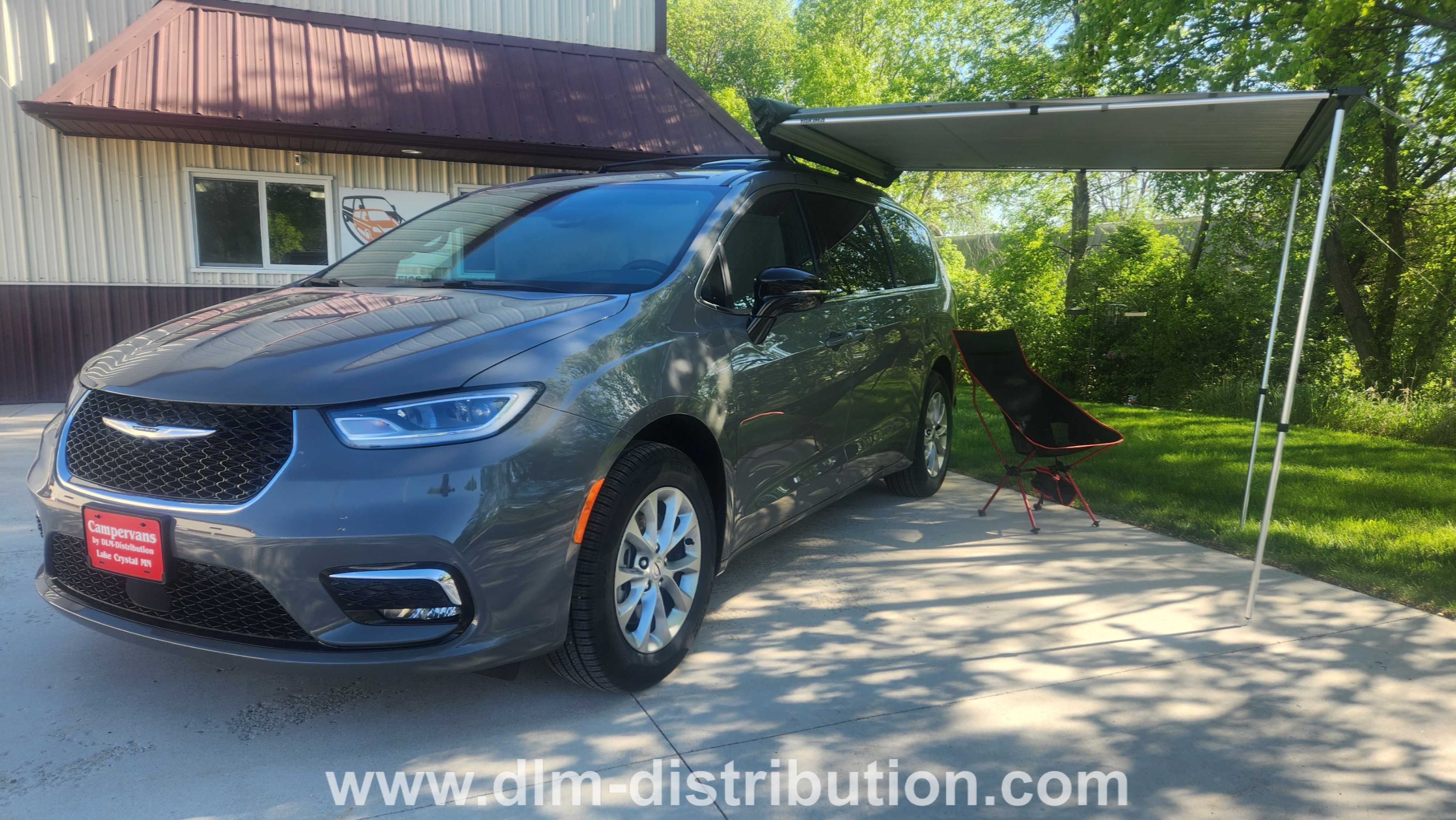
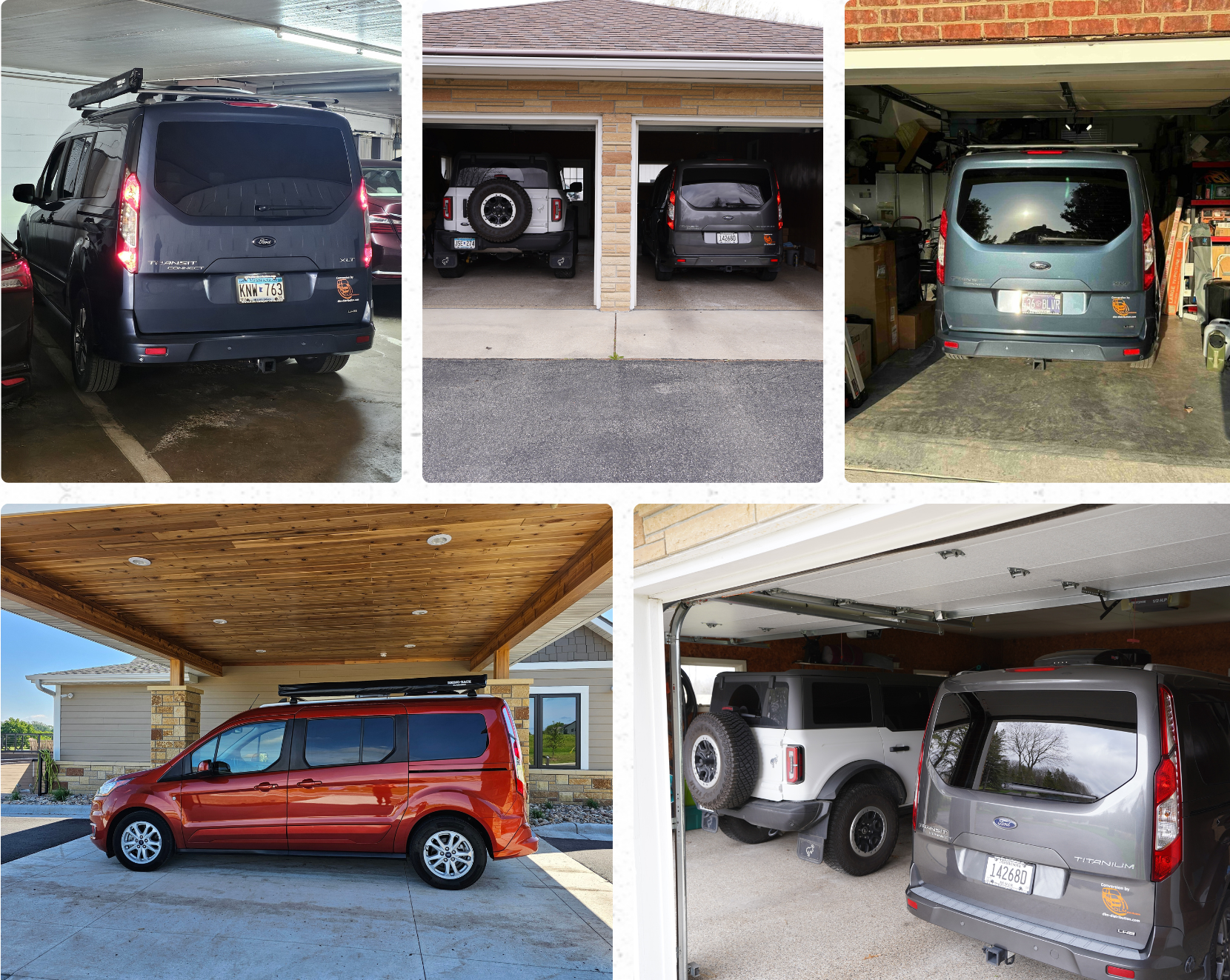
The Mini-T Campervan manufactured by DLM-Distribution is one example of this approach, combining everyday transportation with camping accommodations in a vehicle designed to fit through a typical seven-foot residential garage door.
Understanding Standard Residential Garage Dimensions
Before choosing a campervan for home storage, it is important to understand the difference between the dimensions of a garage and the actual clearance available through its door. A garage may have plenty of interior space while still having a doorway too low for a conventional motorhome.
Many residential garages have door openings approximately seven feet high, with single-car garage doors commonly measuring eight or nine feet wide. Interior garage dimensions vary considerably, but many single-car garages provide approximately 18 to 20 feet of depth, while larger garages may offer substantially more room.
These measurements are useful starting points rather than guarantees. The actual clear opening can be affected by the garage door, weather seals, tracks, and other structural details.
For campervan buyers, the most important measurements are the usable door height, clear door width, and available interior depth. A vehicle must fit through the opening and have enough room inside for the garage door to close safely.
Many conventional Class B motorhomes exceed seven feet in exterior height, particularly those built on full-size high-roof van chassis. As a result, they generally require outdoor parking, a taller garage, or off-site storage.
A lower-profile campervan can offer a significant advantage by making residential garage storage a realistic possibility.
The Mini-T Campervan: Designed for Everyday Parking and Travel
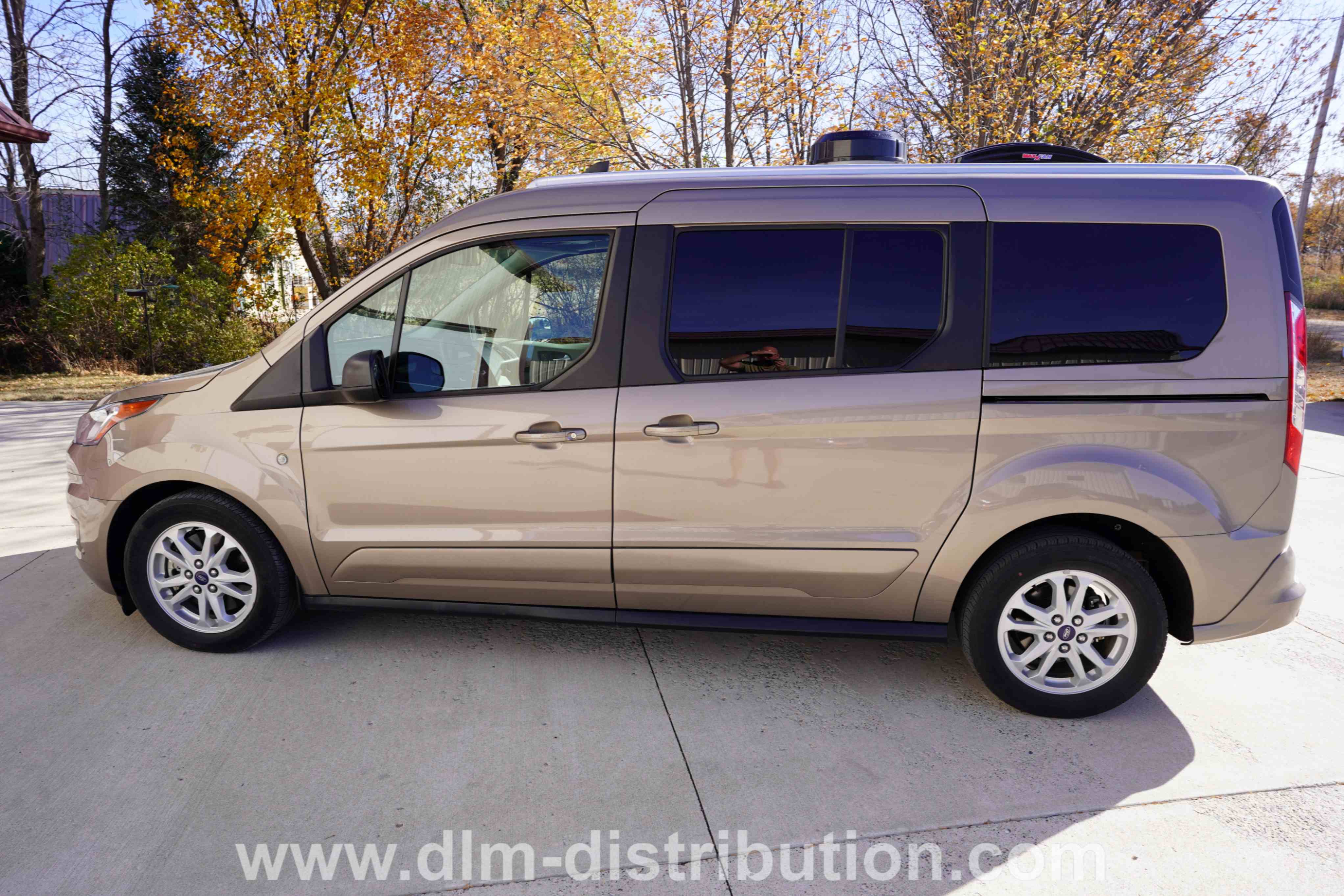
Manufactured by DLM-Distribution in Lake Crystal, Minnesota, the garageable Mini-T Campervan lineup is designed around a practical idea: a recreational vehicle should be convenient to own and use, not just enjoyable while camping.
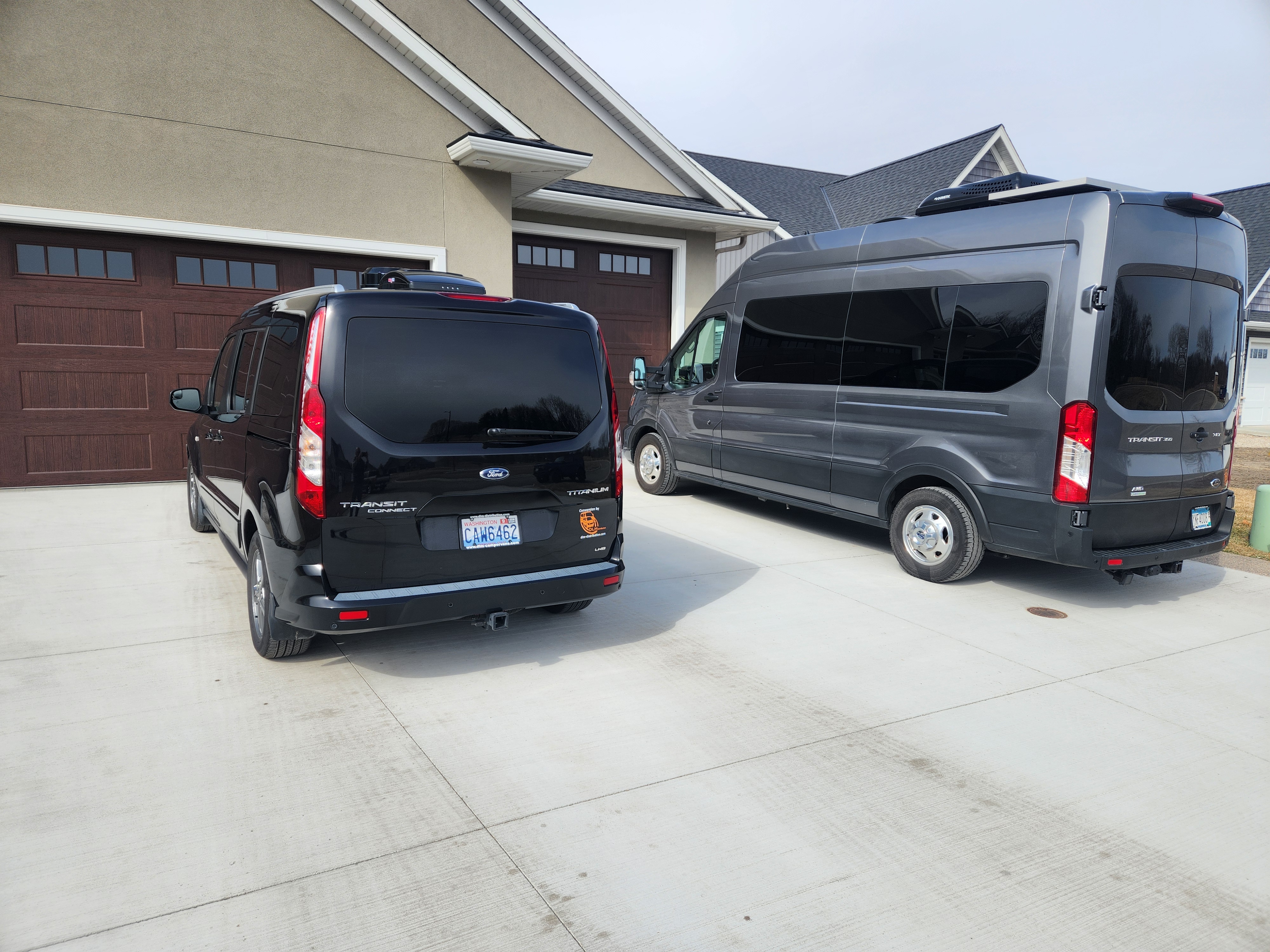
The Ford Transit Connect Mini-T measures approximately 80 inches in exterior height and 189.7 inches in length. The Chrysler Pacifica AWD Mini-T is also approximately 80 inches tall, with a length of about 204.5 inches. The Chrysler Voyager Mini-T offers another garageable platform with similar everyday-driving practicality.
These dimensions allow the garageable Mini-T models to fit through many standard seven-foot residential garage doors, provided the actual opening and available interior space are sufficient.
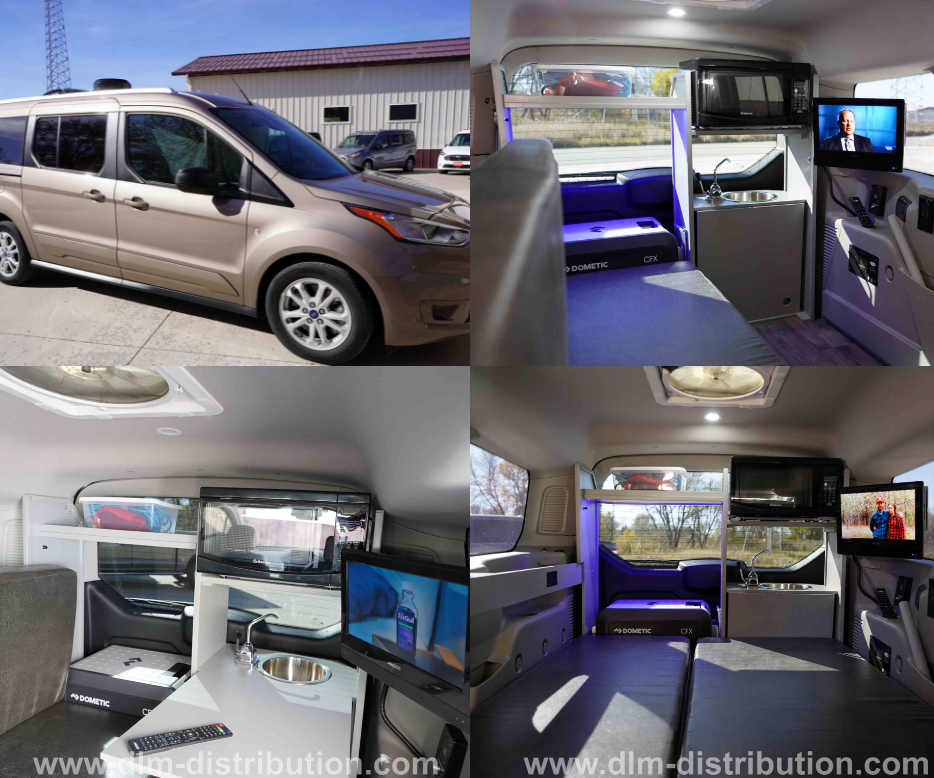
Despite their compact exterior dimensions, Mini-T Campervans provide sleeping accommodations for two, a refrigerator, microwave, fresh-water sink, ventilation, and an electrical system supported by solar charging, dedicated house batteries, an inverter, and shore-power capability.
The inverter makes 120-volt electrical power available while camping away from hookups, including the ability to operate the microwave without requiring a portable generator. Shore power provides another convenient charging and electrical option when available.
Because the vehicle is also suitable for everyday transportation, owners can use it for commuting, shopping, visiting family, and ordinary errands between camping trips.
This combination of camping capability and everyday usability is what distinguishes a garageable campervan from many other types of recreational vehicles.
Comparing Garageable Campervans With Other Small RV Options
Garageable campervans are not the only recreational vehicles that can be stored at home. Pop-up campers, teardrop trailers, and certain compact camping trailers can also work well for owners with limited storage space.
Each type has advantages, and the best choice depends on how someone prefers to travel, what vehicle they already own, and how much campsite setup they are comfortable managing.
Pop-Up Campers
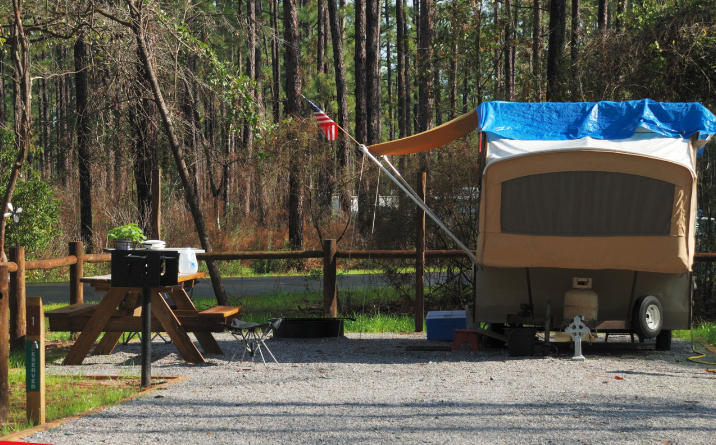
Pop-up campers can be an economical way to enjoy camping, particularly for families who want more sleeping space without purchasing a large travel trailer. Many models fold down to a relatively low height for storage, and some are light enough to be towed by appropriately equipped smaller vehicles.
The main consideration is that a pop-up camper remains a separate trailer. Owners need a suitable tow vehicle, must connect and disconnect the trailer, and typically need to raise or unfold the camper when arriving at a campsite. Depending on the model, additional setup may involve stabilizers, bedding, and other camping equipment.
For travelers who enjoy staying at one campground for several days, these arrangements may be perfectly acceptable. For those who prefer frequent stops, spontaneous overnight stays, and the ability to move on without much preparation, a campervan offers a different experience.
With a Mini-T, transportation and camping accommodations are combined in one vehicle. There is no separate trailer to tow, hitch, or store.
Teardrop Trailers
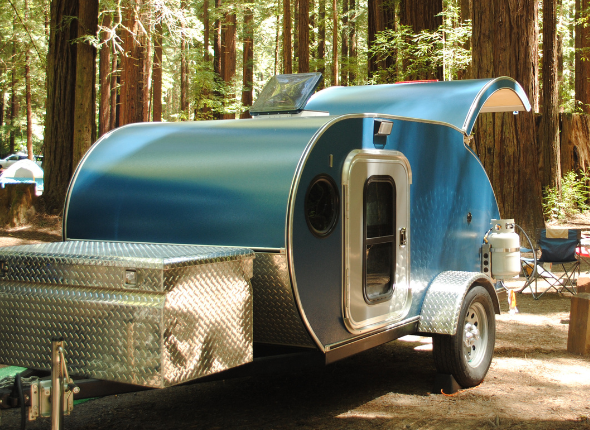
Teardrop trailers are another popular option for travelers who value simplicity and compact dimensions. Many offer comfortable sleeping accommodations in a lightweight trailer, and some include exterior food-preparation areas, refrigeration, and sophisticated electrical systems.
Their relatively small size can make garage storage possible, although actual dimensions vary by model. They can also be an attractive choice for owners who already have a suitable tow vehicle and prefer keeping their camping trailer separate from everyday transportation.
However, a teardrop trailer still needs to be towed, and many traditional designs provide sleeping space without much room for sitting upright or moving around inside. Food preparation and other activities may take place outside, depending on the layout.
A garageable campervan offers a different balance. Its sleeping area, refrigerator, microwave, sink, and electrical conveniences are incorporated into the vehicle itself, allowing travelers to access their accommodations without leaving the vehicle.
Neither approach is right for everyone. The distinction comes down to whether the owner prefers a separate camping trailer or a single vehicle that handles both transportation and overnight travel.
Traditional Class B Motorhomes
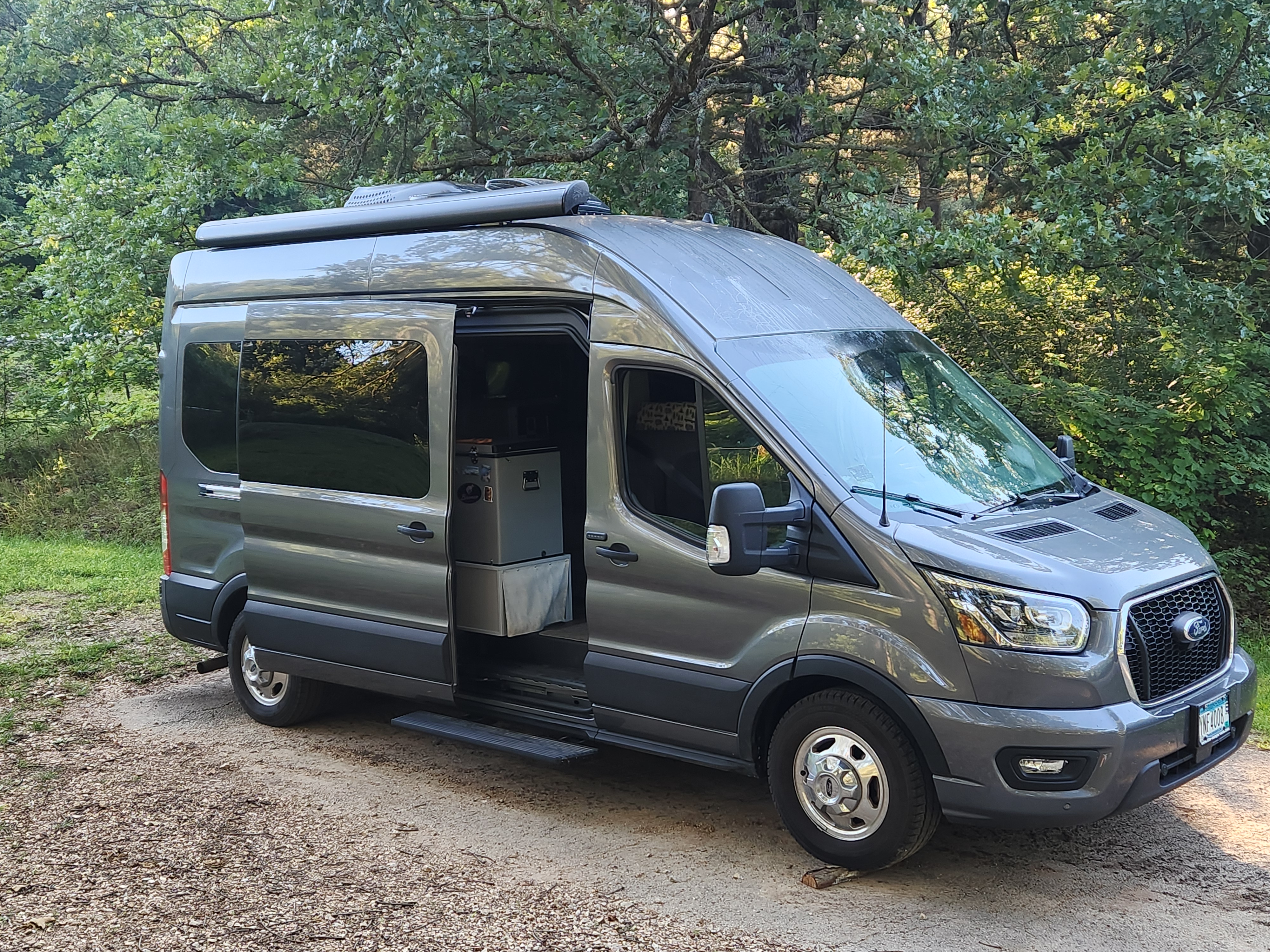
Full-size Class B motorhomes offer advantages of their own, including larger interiors, additional storage, and layouts that may provide standing room, dedicated bathing facilities, or other residential conveniences.
Those features generally come with increased exterior dimensions. Many high-roof Class B motorhomes are considerably taller than a standard residential garage opening, making indoor storage more difficult without a specially designed garage.
For travelers who prioritize interior standing height and additional living space, a larger Class B may be the better choice. For owners who place greater value on garage storage, everyday driving, and compact maneuverability, a smaller campervan can be more practical.
DLM-Distribution also manufactures the larger Mini-T HR high-roof campervan, which offers additional interior space but is not designed to fit inside a standard residential garage. This illustrates an important distinction: garageability is a feature of the compact Mini-T platforms, not every campervan in the broader lineup.
Fuel Economy and Everyday Driving
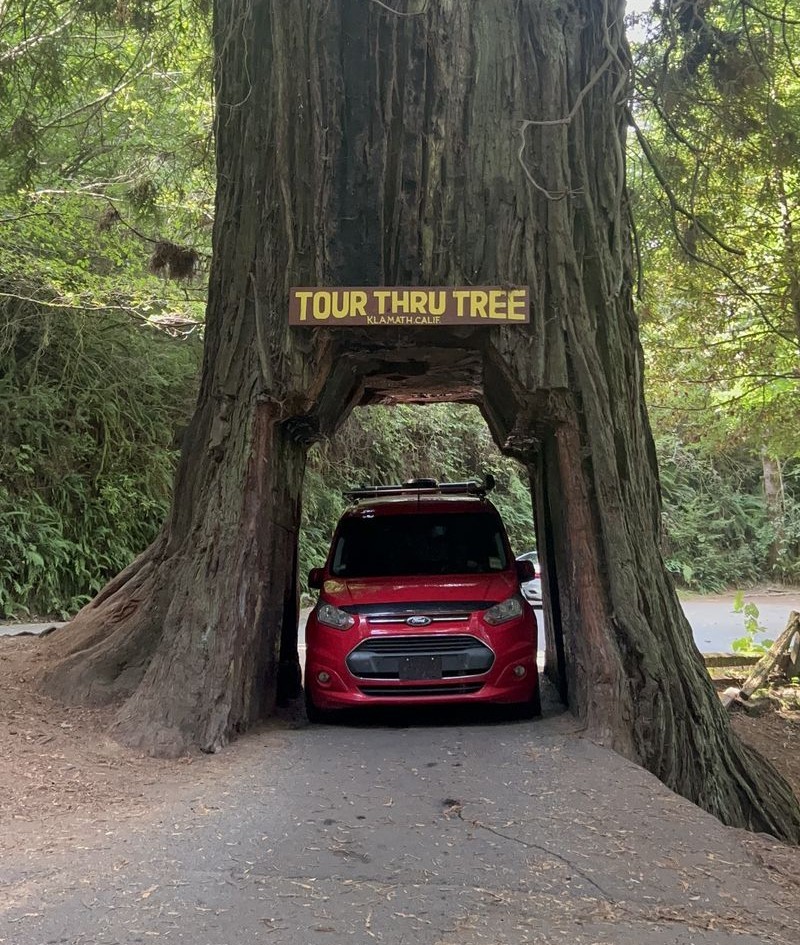
Fuel economy is another consideration when comparing recreational vehicles. The Ford Transit Connect Mini-T offers approximately 24 to 28 MPG, while the Chrysler Pacifica AWD Mini-T has EPA ratings of approximately 17 to 25 MPG, depending on driving conditions.
Actual fuel economy varies with vehicle configuration, speed, weather, terrain, and driving habits, but the ability to travel in a relatively fuel-efficient vehicle can make longer road trips more economical than operating many larger motorhomes.
Just as important is how the vehicle fits into everyday life. A compact campervan can be driven to the grocery store, parked at restaurants, and used for routine transportation without the need to maintain a separate vehicle solely for camping.
For some households, that may reduce the need for an additional vehicle. For others, it simply means their recreational vehicle gets more use throughout the year instead of spending most of its time in storage.
Garageable Campervans: A Practical Solution for HOA Communities
Many homeowners associations restrict recreational vehicles from being parked outdoors in driveways, along streets, or in common parking areas. For traditional motorhome owners, these restrictions can mean paying for off-site storage and making a separate trip to retrieve their RV whenever they want to travel.
The garageable Mini-T Campervan offers a significant advantage: it can be stored inside a standard residential garage, just like an everyday vehicle. With the campervan parked indoors rather than in a driveway or on the street, the outdoor RV parking restrictions that concern many HOA residents are no longer an obstacle.
This makes the Mini-T particularly appealing to homeowners and condominium residents who want the freedom of RV travel without outdoor storage, recurring storage fees, or the inconvenience of retrieving a motorhome from another location.
For many buyers, the ability to keep their campervan at home, protected inside their own garage and ready for the next trip, is one of the most valuable benefits of ownership.
How to Determine Whether a Campervan Will Fit Your Garage
Before purchasing any campervan advertised as garageable, take a few measurements at home. Even garages described as standard can differ in ways that affect whether a vehicle will fit comfortably.
Measure the garage-door opening. Determine the actual clear height and width with the garage door fully open. Do not rely solely on the nominal door size. Weather seals, door hardware, and other obstructions may reduce available clearance.
Measure the usable interior depth. Check the distance from the inside of the closed garage door to the rear wall or any permanent obstruction. Allow additional room for safe parking, access around the vehicle, and any storage cabinets or equipment already in the garage.
Check overhead obstructions. Garage-door openers, tracks, lighting fixtures, shelving, and ceiling-mounted storage can reduce usable space even when the entrance is tall enough.
Consider the driveway approach. A steep driveway, abrupt transition, or uneven surface can affect vehicle clearance while entering or leaving the garage. The approach angle can matter as much as the dimensions of the doorway itself.
Confirm the campervan's actual exterior dimensions. Use the height and length of the specific vehicle being considered, including roof-mounted equipment and any accessories that may affect clearance. Allow a reasonable safety margin rather than planning around an exact fit.
Taking these measurements before buying can prevent expensive surprises and help ensure that garage storage is convenient in everyday use.
The Financial and Practical Benefits of Keeping an RV at Home
Off-site RV storage can become a recurring ownership expense. Monthly fees vary by location, facility type, and whether the vehicle is stored indoors or outdoors. Over several years, these charges can add substantially to the total cost of owning a recreational vehicle.
There is also the inconvenience of traveling to a storage facility, retrieving the RV, bringing it home to load, and returning it after each trip. For travelers who enjoy spontaneous weekend outings, those extra steps can make camping feel more complicated than it needs to be.
Keeping a campervan in the garage changes that routine. Clothing, food, and other supplies can be loaded at home, and the vehicle can be ready for departure without a separate trip to retrieve it.
Indoor storage also provides protection from direct sunlight, precipitation, and other environmental exposure. While regular maintenance and appropriate battery care remain important, keeping a vehicle sheltered can help preserve its appearance and reduce some weather-related wear.
For owners who travel frequently, these practical benefits may be just as important as the savings on storage fees.
One Vehicle for Daily Transportation and Camping
Perhaps the greatest advantage of a garageable campervan is that it does not have to sit unused between vacations. A vehicle that fits into ordinary daily routines can provide value throughout the year, whether the owner is running errands, visiting family, or preparing for a longer journey.
The Mini-T Campervan is designed around this flexibility. Its compact dimensions make it practical for everyday driving, while its sleeping accommodations and onboard conveniences make it ready for camping trips without requiring a separate trailer.
For a weekend at a nearby state park, owners can load their supplies and depart directly from home. For a longer trip across several states, the same vehicle provides transportation and overnight accommodations along the route.
Travelers can stop at scenic overlooks, explore small towns, visit national parks, or spend an evening at a campground without managing the additional length and parking considerations of a towable RV.
The result is a style of RV ownership that fits more naturally into everyday life, particularly for people who want to travel frequently without maintaining a large recreational vehicle.
Choosing the Right Garageable RV for Your Needs
A garageable campervan is not necessarily the best choice for every traveler. Families who need additional sleeping accommodations may prefer a pop-up camper or travel trailer. Those who prioritize interior standing room, larger bathrooms, or extensive storage may be better served by a full-size motorhome.
However, for one or two travelers who value compact dimensions, easy parking, fuel efficiency, and the convenience of storing their RV at home, a garageable campervan offers an appealing combination of capabilities.
Before deciding, consider how often the vehicle will be used, where it will be stored, whether a separate tow vehicle is desirable, and how much campsite setup is acceptable. These practical ownership questions are just as important as the amenities available inside the RV.
For many buyers, choosing a vehicle that fits comfortably into their existing home and lifestyle can make the difference between an RV that is used regularly and one that remains in storage for much of the year.
Making RV Ownership Easier From the Start
Owning an RV should make it easier to travel, discover new destinations, and enjoy time away from home. Yet the practical details of ownership, particularly parking and storage, can have a significant influence on how often that RV is actually used.
A campervan that fits inside a standard residential garage offers an important alternative to larger recreational vehicles. It can reduce dependence on off-site storage, simplify preparation for trips, and make it easier to enjoy camping without maintaining a separate trailer or oversized motorhome.
For homeowners, condominium residents, and travelers navigating HOA parking restrictions, those advantages are worth considering before making a purchase.
The garageable Mini-T Campervan lineup demonstrates how a compact Class B RV can combine sleeping accommodations, off-grid electrical capability, and everyday driving practicality in a vehicle designed to fit at home.
For those interested in exploring available models, visit the Mini-T Campervans currently available from DLM-Distribution.
Happy Travels & Happy Camping!
DLM-Distribution / Campervans is a licensed manufacturer and dealer located in Lake Crystal, Minnesota, serving clients around the country.
Contact Dave: 651-285-7089 or Candy: 507-382-9446 today!