
NEWS
When people think of a traveling van, they’re envisioning a vehicle designed for fun and exploration, not just a workhorse for hauling tools or cargo. A traveling van is built for adventures on the open road, perfect for weekend getaways, extended road trips, or spontaneous trips to explore hidden gems. And while many think of large conversion vans when they hear the term, there’s a new breed of traveling van that takes things to a whole new level—like the Mini-T Campervan.
What is a Traveling Van?
A traveling van is a van you’d use for leisure, designed with comfort in mind rather than work or utility. It's your go to van for road trips, camping, and exploration, offering both transportation and living space. Vans like the Mini-T Campervan take this concept and refine it, giving you the freedom to explore while keeping things practical and manageable for daily use.
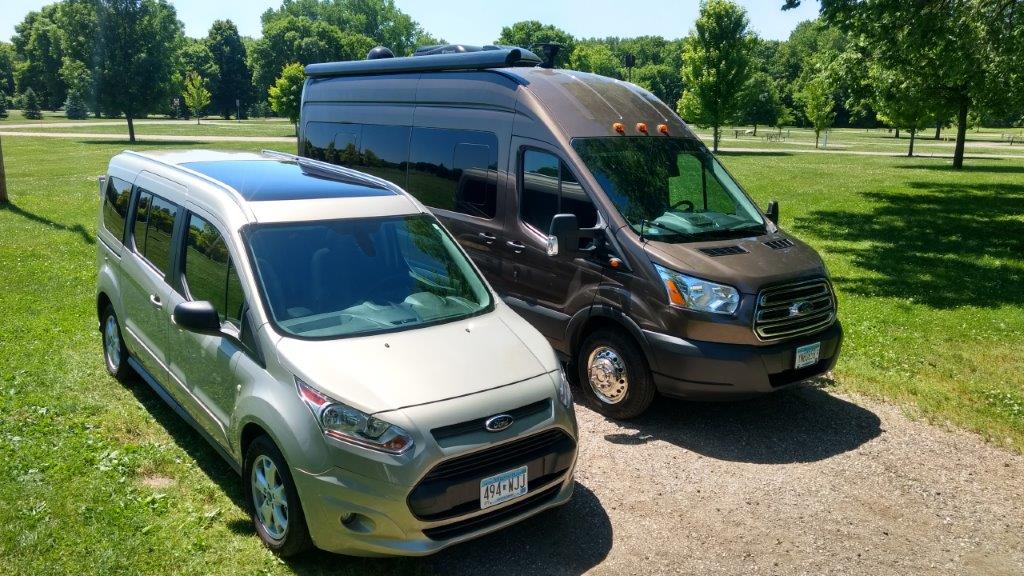
Most traveling vans get large quickly, which can make them cumbersome in day-to-day life. But the Mini-T Campervan sets itself apart by offering a unique blend of functionality and fun, all in a compact package. It fits in a standard garage, making it ideal for those who need their van to serve as both a daily driver and a weekend getaway machine.
Why the Mini-T Campervan is the Ultimate Traveling Van
While traditional traveling vans offer space and amenities for road trips, many are too large to use as an everyday vehicle. This is where the Mini-T Campervan stands out. With its compact size, it’s the perfect mix of a practical car and a camper. Unlike the larger travel vans that might be too bulky for everyday errands or city driving, the Mini-T is compact enough for daily life while still offering all the features you need for comfortable travel.
Equipped with solar power, a foldable bed, a microwave, and a compact refrigerator, the Mini-T is a fully functional camper. Whether you're out for a weekend or planning a longer trip, you’ll have everything you need. But what makes it different from the larger travel vans is that you don't have to sacrifice daily practicality. It’s fuel-efficient (24-28 MPG), easy to drive, and fits in your garage, which means you can take it on your adventures and park it at home without the need for special storage solutions.
The Travel Van That Goes Further
Many traditional traveling vans serve one purpose—travel. But the Mini-T Campervan goes further by combining eco-friendly travel, functionality, and practicality into one neat package. It’s small enough to handle city streets and daily commutes but spacious enough to provide a comfortable travel experience. Larger vans may be great for long-distance road trips, but if you're looking for a van that seamlessly transitions between your daily life and your adventure lifestyle, the Mini-T Campervan is unmatched.
Its compact size also opens up more possibilities for where you can camp. From national and state parks to urban exploration, the Mini-T Campervan can fit into campsites where larger travel vans or RVs may struggle. Whether you’re parking at home, taking a detour down a scenic byway, or pulling up to a secluded camping spot, the Mini-T is always ready for your next adventure.
A traveling van should give you the freedom to go anywhere without the headaches that come with managing a large, bulky vehicle. The Mini-T Campervan takes the concept of a traveling van and improves it by offering a balance of size, practicality, and comfort that larger vans just can’t match. It’s a true daily driver that’s ready to take you on spontaneous trips or planned adventures, making it more than just a traveling van—it’s the ultimate road
When people think of a traveling van, they’re envisioning a vehicle designed for fun and exploration, not just a workhorse for hauling tools or cargo. A traveling van is built for adventures on the open road, perfect for weekend getaways, extended road trips, or spontaneous trips to explore hidden gems. And while many think of large conversion vans when they hear the term, there’s a new breed of traveling van that takes things to a whole new level—like the 2023 Mini-T Campervan.
What is a Traveling Van?
A traveling van is a van you’d use for leisure, designed with comfort in mind rather than work or utility. It's your companion for road trips, camping, and exploration, offering both transportation and living space. Vans like the Mini-T Campervan take this concept and refine it, giving you the freedom to explore while keeping things practical and manageable for daily use.
Most traveling vans get large quickly, which can make them cumbersome in day-to-day life. But the Mini-T Campervan sets itself apart by offering a unique blend of functionality and fun, all in a compact package. It fits in a standard garage, making it ideal for those who need their van to serve as both a daily driver and a weekend getaway machine.
Why the Mini-T Campervan is the Ultimate Traveling Van
While traditional traveling vans offer space and amenities for road trips, many are too large to use as an everyday vehicle. This is where the Mini-T Campervan stands out. With its compact size, it’s the perfect mix of a practical car and a camper. Unlike the larger travel vans that might be too bulky for everyday errands or city driving, the Mini-T is compact enough for daily life while still offering all the features you need for comfortable travel.
Equipped with solar power, a foldable bed, a microwave, and a compact refrigerator, the Mini-T is a fully functional camper. Whether you're out for a weekend or planning a longer trip, you’ll have everything you need. But what makes it different from the larger travel vans is that you don't have to sacrifice daily practicality. It’s fuel-efficient (24-28 MPG), easy to drive, and fits in your garage, which means you can take it on your adventures and park it at home without the need for special storage solutions.
The Travel Van That Goes Further
Many traditional traveling vans serve one purpose—travel. But the Mini-T Campervan goes further by combining eco-friendly travel, functionality, and practicality into one neat package. It’s small enough to handle city streets and daily commutes but spacious enough to provide a comfortable travel experience. Larger vans may be great for long-distance road trips, but if you're looking for a van that seamlessly transitions between your daily life and your adventure lifestyle, the Mini-T Campervan is unmatched.
Its compact size also opens up more possibilities for where you can camp. From national and state parks to urban exploration, the Mini-T Campervan can fit into campsites where larger travel vans or RVs may struggle. Whether you’re parking at home, taking a detour down a scenic byway, or pulling up to a secluded camping spot, the Mini-T is always ready for your next adventure.
A traveling van should give you the freedom to go anywhere without the headaches that come with managing a large, bulky vehicle. The Mini-T Campervan takes the concept of a traveling van and improves it by offering a balance of size, practicality, and comfort that larger vans just can’t match. It’s a true daily driver that’s ready to take you on spontaneous trips or planned adventures, making it more than just a traveling van—it’s the ultimate vehicle for travel and every day use.
Happy Travels!
DLM-Distribution / Campervans is a licensed manufacturer and dealer located in Lake Crystal, Minnesota, serving clients around the country.
Contact Dave: 651-285-7089 or Candy: 507-382-9446 today!